
Understanding 3-Level Laminectomy: A Quick Overview
A 3-level laminectomy removes the lamina—the bony roof covering your spinal canal—from three vertebrae. This creates more space for compressed nerves and relieves the pressure causing your symptoms.
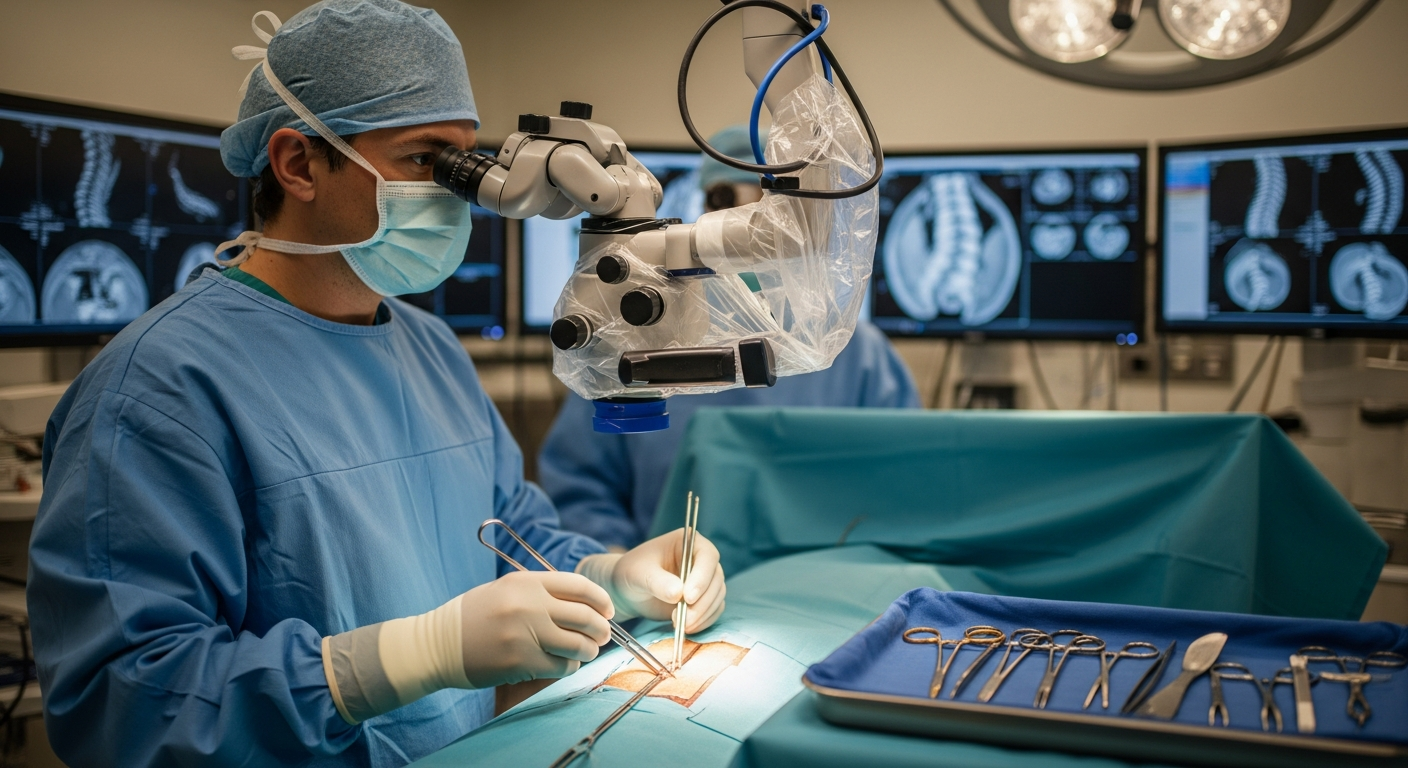
Surgeons most often recommend this procedure for spinal stenosis, a narrowing of the spinal canal that causes pain, numbness, and weakness in your legs and lower back. The good news? Modern surgical advances have transformed the recovery experience for many patients.
Minimally invasive techniques use smaller incisions than traditional open surgery. This means less tissue damage, reduced blood loss, and often faster healing times.
Board-certified spine surgeons use advanced imaging guidance during your procedure to ensure precision. The goal is straightforward: create more space in your spinal canal while maintaining spinal stability. Whether you’re beginning your recovery journey or preparing for surgery, understanding each phase helps you become an active participant in your healing.
The First Two Weeks: Immediate Post-Operative Recovery
These first days set the foundation for your healing journey. Most patients who undergo minimally invasive 3-level laminectomy go home within. Traditional open surgery may require a one to two day hospital stay.
Pain management becomes your primary focus during week one. Some discomfort is completely normal as your body heals. Follow your medication schedule closely—preventing breakthrough pain is easier than controlling it once it starts.
Your surgical incision needs careful attention during these early days. Your care team will tell you exactly when you can shower and how to protect the incision site. Most surgeons recommend keeping the area covered and dry for several days.
Limited mobility during this period protects your healing spine. While complete bed rest isn’t recommended anymore, you’ll need to avoid heavy lifting, bending at the waist, and twisting motions. Many patients find that the first two weeks require patience and accepting help from family members for basic household tasks.
Managing Pain and Medications
Take your prescribed medications exactly as directed. Waiting until pain becomes severe makes it harder to manage and can interfere with important activities like walking and breathing exercises.
Ice packs provide significant relief during the first week. Apply cold packs to your surgical area for 20 minutes at a time, several times throughout the day. This reduces swelling and can decrease your reliance on pain medications.
One critical safety note: never drive while taking narcotic pain medications. These medications affect your reaction time and decision-making in ways you may not fully recognize. Plan for someone else to handle transportation during the first several weeks.
Report severe, unexplained pain to your surgeon immediately. While some discomfort is expected, pain that suddenly worsens or feels different may indicate a complication requiring prompt evaluation.
Activity Restrictions During Weeks 1-2
Specific activity limitations during the first two weeks protect your surgical site. These movements place stress on healing tissues and can compromise your outcome.
Avoid lifting anything heavier than 5 to 10 pounds during this initial period. A gallon of milk weighs about eight pounds—if you’re unsure whether an item is too heavy, ask someone else to handle it. This restriction applies to groceries, laundry baskets, and grandchildren.
Walking is not only permitted but encouraged. Short, frequent walks support healthy circulation and reduce blood clot risk. Start with just a few minutes and gradually increase your distance. Some fatigue is normal, but stop if you experience significant pain.
Avoid stairs when possible during early recovery. If you must use them, take your time and hold the handrail. Many patients set up a temporary living space on one floor to minimize stair use during the first weeks.
Sleep on your back or side with a pillow between your knees for the best spinal support. Avoid stomach sleeping until your surgeon clears you—it twists your spine unnecessarily.
Weeks 3-6: Progressive Recovery and Physical Therapy
Rehabilitation becomes your focus as you move beyond the acute recovery phase. generally Most surgeons recommend beginning formal physical therapy around three to four weeks post-operatively. Your therapist will design a program that rebuilds functional capacity while protecting your spine.
You’ll notice gradual increases in what you can do comfortably during this phase. Walking distance extends considerably, and daily activities that seemed impossible during week one become manageable again. However, lifting restrictions remain—most surgeons limit lifts to 20 pounds during this timeframe.
Pain should continue decreasing during weeks three through six. This is when many people begin noticing that symptoms that led them to surgery have improved significantly. Contact your surgical team if you experience increased pain rather than continued improvement.
The key is balancing activity with protection. Your physical therapist will help you recognize the difference between productive discomfort from reconditioning and pain that signals you’re pushing too hard.
Consistency matters more than intensity during this phase. Complete your home exercise program daily—these exercises aren’t just about recovering from surgery, they’re about preventing future problems by building strength and flexibility.
Weeks 7-12: Returning to Normal Activities
Your transition back to normal life accelerates during months two and three. generally Most patients can resume light desk work and basic daily activities by weeks eight through ten. Physical labor jobs require a longer timeline before receiving clearance.
Jobs requiring repetitive bending, lifting heavy objects, or prolonged standing need more healing time. Your surgeon will provide specific guidance based on your individual circumstances.
Driving becomes safe once you’ve stopped narcotic pain medications and feel confident in your ability to react quickly. Test your readiness in a safe environment like an empty parking lot before venturing into traffic. You should be able to turn your head to check blind spots and press the brake pedal firmly without hesitation.
Continue your physical therapy exercises at home even after formal therapy sessions end. The fellowship-trained specialists at Legent Spine emphasize that home exercise programs serve as your long-term maintenance plan. Building these movements into your daily routine protects your surgical results and maintains the strength you’ve worked hard to regain.
By the three-month mark, many people experience near-complete resolution of symptoms that brought them to surgery. The relief from chronic pain often feels transformative, allowing patients to return to activities they’d given up months or years before.
When to Contact Your Spine Surgeon
Recognizing warning signs is crucial for preventing serious complications. Contact your surgeon or seek emergency care if you experience severe pain that your medications don’t adequately control. While some discomfort is expected, pain that suddenly intensifies or feels markedly different warrants evaluation.
Signs of infection include fever above 101 degrees, increasing redness or warmth around the incision, swelling, or drainage. Infections require prompt treatment with antibiotics and sometimes additional procedures.
Loss of bowel or bladder control after a 3-level laminectomy may indicate cauda equina syndrome and requires emergency medical attention. Sudden loss of control over your bowel or bladder function represents a medical emergency. This rare but serious complication requires immediate intervention to prevent permanent nerve damage. For more information, see our page on 2 weeks after laminectomy 2.
While gradual improvement is expected, progressive weakness in your legs or feet, or numbness that worsens instead of improving, should prompt contact with your surgical team.
Never ignore difficulty breathing or chest pain—these symptoms could indicate blood clots or other serious complications. When in doubt, contact your surgical team. Dr. Paul Salinas and the entire team at Legent Spine emphasize that patients should never hesitate to reach out with concerns during recovery.
Long-Term Recovery: Beyond 12 Weeks
Complete healing of bone and soft tissue after a 3-level laminectomy typically requires 3-6 months, though symptom relief often occurs much sooner. While many patients feel significantly better by the three-month mark, full recovery typically takes three to six months. Some individuals continue experiencing improvements for up to one year as their body completes healing and they continue building strength.
A consistent home exercise program becomes your best insurance policy against future spine problems. The core strengthening, flexibility work, and proper movement patterns you’ve learned need to continue long after your surgical recovery is complete. Think of these exercises as essential maintenance for your spine.
High-impact activities like running, jumping, and contact sports should remain off-limits for at least six months following surgery. When you do receive clearance to resume higher-level activities, start gradually and pay attention to how your body responds. Some patients find that certain activities they enjoyed before surgery no longer feel comfortable, while others successfully return to all their previous pursuits.
Good posture and body mechanics become lifelong habits that protect your surgical results. Whether you’re lifting objects, sitting at a desk, or performing household tasks, maintaining neutral spine alignment reduces unnecessary stress on your back. The body mechanics education you receive during physical therapy should inform how you move for the rest of your life.
Most patients achieve 80 to 90 percent relief of their pre-operative symptoms by six months and maintain these improvements long-term with appropriate self-care.
Expert Spine Care for Dallas Patients
Legent Spine serves the Greater Dallas area with board-certified spine surgeons who specialize in minimally invasive techniques. This certification ensures your surgeon has met rigorous standards and maintains current knowledge of the latest advances in spine surgery.
Our team includes fellowship-trained specialists like Dr. Grant Booher, who create personalized recovery plans tailored to each patient’s unique circumstances. This individualized attention ensures your recovery plan addresses your specific needs.
Dallas-area patients benefit from convenient access to expert care without traveling long distances for specialized spine treatment. Our dedicated care coordinators support you throughout the recovery process, providing education, answering questions, and serving as a consistent point of contact when concerns arise.
A comprehensive evaluation before surgery ensures that your 3-level laminectomy addresses all contributing factors to your spinal stenosis. This thorough approach considers your overall health, lifestyle factors, and personal goals to develop a treatment strategy that gives you the best possible chance of achieving lasting relief.
If you’re considering spine surgery or have questions about recovering from a laminectomy procedure, the team at Legent Spine is here to provide expert guidance and compassionate care. Our commitment to transparent communication and patient education means you’ll never face your recovery journey alone.