
Understanding Adult Scoliosis: Why It Develops Later in Life
For patients throughout the Greater Dallas area, back pain and postural changes are often written off as normal signs of aging. But sometimes these symptoms point to something more specific: adult scoliosis. This condition is defined as an abnormal sideways curvature of the spine diagnosed after skeletal maturity, and it’s different from the scoliosis many people associate with adolescence.
There are two main types. may De novo, or degenerative, scoliosis develops from wear and tear on the spine over time. often Adult progression of adolescent idiopathic scoliosis happens when a curve present since the teenage years worsens later in life. Adult scoliosis affects an estimated 6-9% of adults over age 65 due to degenerative changes in the spine.
Many adults live undiagnosed for years until pain or visible changes prompt them to seek help. If you’re noticing new back pain or stiffness, our guide to adult scoliosis symptoms and treatment options is a helpful starting point. It’s also worth ruling out related conditions—our team treats herniated disc symptoms and treatment options, since disc problems can cause similar nerve-related symptoms, including the kind of leg pain and numbness some scoliosis patients experience, as outlined in our resource on herniated disc symptoms and treatment optionsA comprehensive evaluation with a Legent Spine specialist is the best way to understand what’s really happening in your spine.
How Serious Is Scoliosis in Adults?
Severity varies widely from one patient to the next. Some adults have mild curves that need only periodic monitoring, while others develop more significant curvature that affects mobility, breathing, or overall function.
Several factors influence how a curve behaves over time, including its size, the patient’s bone density, and the strength of surrounding muscles. This is why early evaluation matters—identifying a curve while it’s still mild gives you and your care team more options and more time to act before complications develop.
What Causes Adult Scoliosis?
Adult scoliosis has several common origins. Degenerative disc disease and facet joint arthritis are frequent culprits, since the gradual breakdown of spinal structures can pull the spine out of alignment. In other cases, an adolescent idiopathic scoliosis that went untreated simply continues to progress with age.
Osteoporosis is another major factor. which makes bone health an important part of any evaluation. Prior spinal surgery or trauma can also alter spinal mechanics in ways that contribute to curve development later in life.
Recognizing the Symptoms of Adult Scoliosis
Adult scoliosis symptoms often develop gradually, which is part of why the condition can go unnoticed for so long. Common signs include:
- Chronic lower back pain and stiffness, especially after periods of activity
- Uneven shoulders, waist, or hips noticeable in mirrors or photos
- Leg pain, numbness, or weakness caused by nerve compression
- Loss of height or a visible curve in the spine
- Difficulty standing upright for long periods without discomfort
If any of these symptoms sound familiar, it’s worth having your spine evaluated rather than assuming the discomfort is simply part of getting older.
Diagnosing Adult Scoliosis: What to Expect at Your Visit
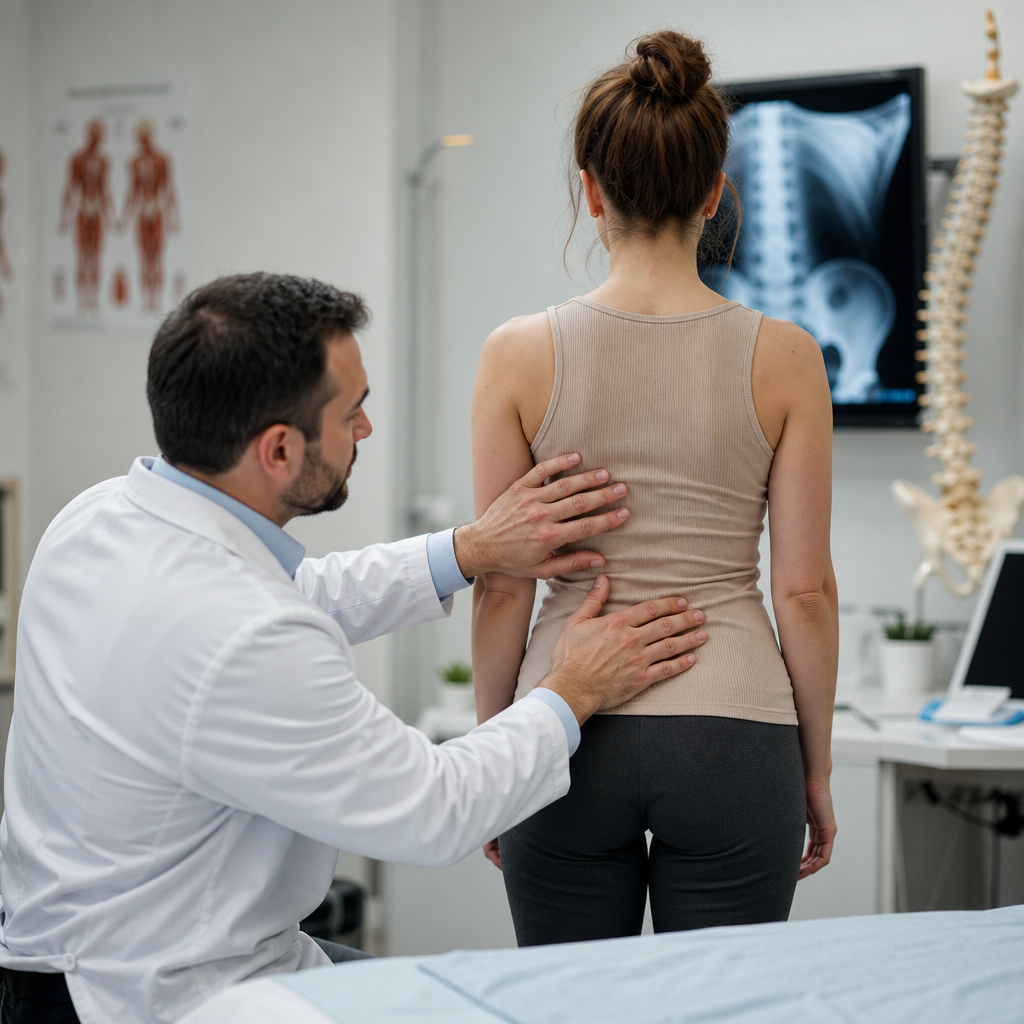
A thorough diagnostic process starts with a physical exam that assesses your posture, gait, and spinal alignment. From there, standing X-rays are used to measure what’s known as the Cobb angle.
If nerve involvement is suspected, an MRI or CT scan can provide more detailed imaging of the spinal canal and surrounding structures. At Legent Spine, board-certified, fellowship-trained specialists like Dr. Paul Salinas use this comprehensive evaluation approach to build an accurate picture of your spine before recommending any treatment path.
Nonsurgical Treatment Options for Adult Scoliosis
Most adults with scoliosis begin with conservative care, and many find lasting relief without ever needing surgery. Physical therapy focused on core strengthening and flexibility is often the foundation of treatment, helping support the spine and reduce strain on affected areas.
Pain management strategies—including anti-inflammatory medications and epidural injections—can help control flare-ups. Bracing may also be recommended for some adult patients, though.
Lifestyle modifications round out a well-rounded nonsurgical plan: maintaining a healthy weight, staying active with low-impact exercise, and practicing good posture habits throughout the day. For many patients in the Dallas area, this combination of therapies is enough to manage symptoms effectively for years.
When Surgery Becomes the Right Option
Surgery isn’t the first—or only—answer for adult scoliosis. Many patients manage their condition well through conservative care alone. However, surgery may become appropriate when a curve continues to progress, pain becomes unrelenting despite other treatments, nerve compression causes ongoing weakness or numbness, or the condition begins to significantly limit daily function.
The decision is never automatic. It’s based on a personalized, comprehensive evaluation of your specific curve, symptoms, and overall health.
Types of Adult Scoliosis Surgery
When surgery is indicated, several approaches may be considered depending on the individual case. generally Spinal fusion stabilizes and helps straighten the curve by joining affected vertebrae together. often Decompression surgery relieves pressure on compressed nerves, often addressing pain or weakness in the legs.
For select candidates, minimally invasive scoliosis correction offers another path forward. The right technique depends on curve severity, patient age, bone quality, and overall health—there’s no one-size-fits-all approach, which is why a detailed pre-surgical workup matters so much.
Is Adult Scoliosis Surgery Worth It? Weighing Benefits and Risks
This is one of the most common questions patients ask, and it deserves an honest answer. Benefits of surgery can include meaningful pain relief, improved posture, and a better overall quality of life.
At the same time, surgery carries real risks—infection, blood loss, and longer recovery periods, particularly for more extensive fusion procedures. There’s no way around these trade-offs, which is why transparent conversations with your surgeon about realistic outcomes are essential before moving forward with any surgical plan.
Recovery and Life After Treatment
Recovery timelines vary significantly depending on your treatment path. Nonsurgical patients often see gradual improvement over weeks to months as therapy and lifestyle changes take effect.
Surgical recovery is more involved, typically requiring a period of restricted activity, progressive physical therapy, and follow-up imaging to confirm healing and alignment. Throughout this process, dedicated care coordinators help guide patients through appointments, therapy milestones, and questions that come up along the way—so you’re never navigating recovery alone.
Finding the Right Spine Specialist in the Greater Dallas Area
Choosing the right spine specialist matters as much as choosing the right treatment. Look for a board-certified, fellowship-trained spine surgeon who takes time to understand your specific condition rather than applying a generic protocol.
At Legent Spine, our approach centers on personalized treatment plans and minimally invasive options whenever appropriate, with surgeons such as Dr. Grant Booher bringing specialized expertise to every evaluation. We’re proud to serve patients throughout Dallas and the surrounding communities, making expert care accessible without long travel or unnecessary delays.
If back pain, posture changes, or scoliosis symptoms have been affecting your daily life, consider scheduling a consultation to discuss your options with our team.
Frequently Asked Questions About Adult Scoliosis
What questions should I ask my doctor about adult scoliosis?
Ask about your specific curve measurement, whether it’s likely to progress, what nonsurgical options are available, and what signs would indicate you need a more urgent evaluation.
Can scoliosis in adults be corrected without surgery?
While nonsurgical treatments can effectively manage pain and improve function, they generally don’t reverse an existing curve. The goal of conservative care is symptom relief and preventing progression rather than correction.
How do I know which specialist to consult for scoliosis treatment?
Seek out a board-certified, fellowship-trained spine specialist experienced in both nonsurgical and surgical management of adult scoliosis, so you receive a full range of treatment options rather than a single predetermined path.