
If you’re experiencing persistent neck pain, numbness, or weakness radiating down your arm, you may be dealing with C5-C6 foraminal stenosis. For patients throughout the Dallas and Greater Dallas area, understanding this specific type of nerve compression is the first step toward finding effective relief. While foraminal stenosis shares some similarities with spinal canal stenosis symptoms, it affects a different part of your spine’s anatomy and requires specialized evaluation by an experienced spine specialist.
Understanding C5-C6 Foraminal Stenosis
Foraminal stenosis occurs when the neural foramen—the passageway through which spinal nerves exit the vertebral column—becomes narrowed. This narrowing compresses the nerve roots as they exit the spine, leading to pain and other neurological symptoms. The distinction between foraminal stenosis vs spinal stenosis is important: while spinal stenosis involves narrowing of the central spinal canal, foraminal stenosis specifically affects the side openings where individual nerve roots exit.
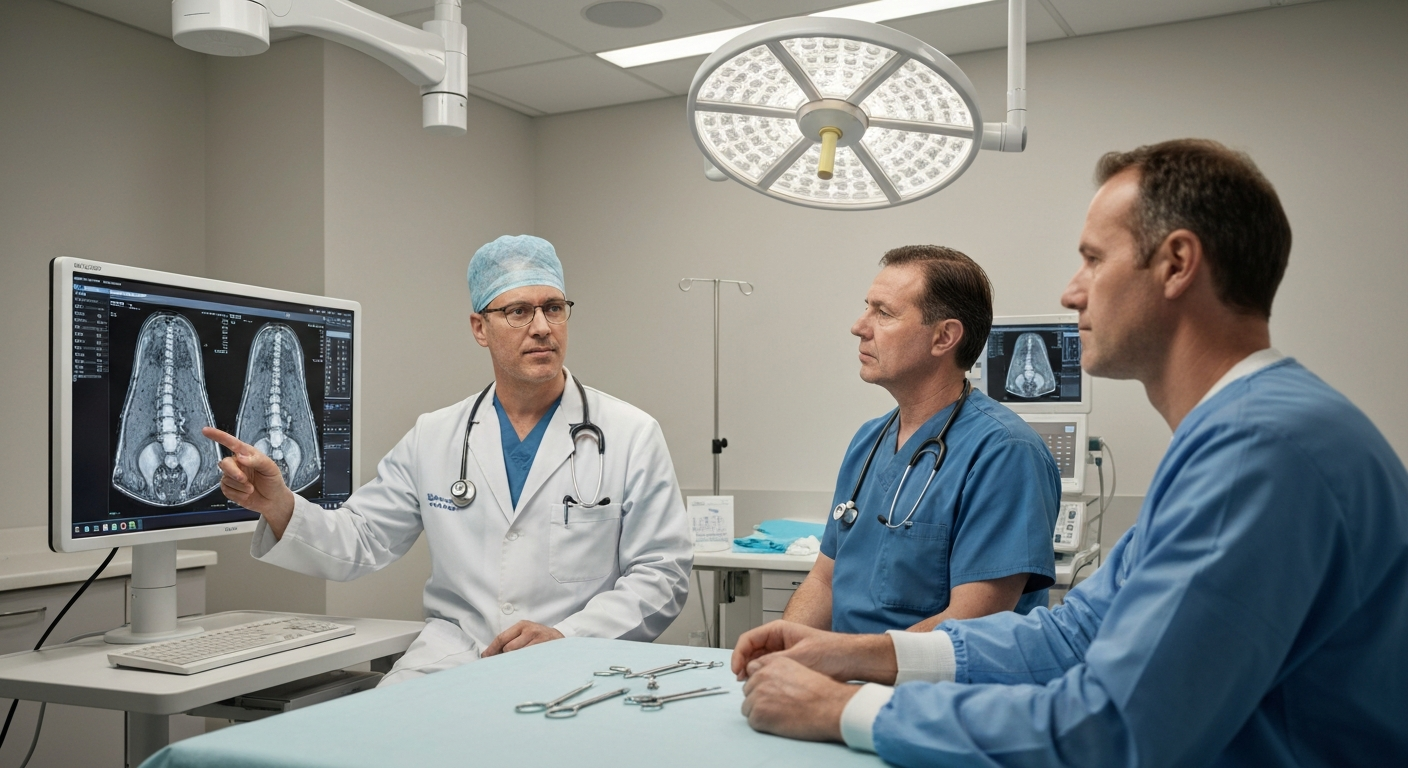
The C5-C6 designation refers to the location between your fifth and sixth cervical vertebrae in the neck region. This is one of the most mobile segments of the cervical spine, which unfortunately also makes it particularly susceptible to wear-and-tear changes over time.
At this level, the C6 nerve root exits through the foramen. When this passageway becomes constricted, the nerve can become compressed. What makes C5-C6 foraminal stenosis particularly significant is the important role this nerve level plays in upper extremity function.
The C6 nerve root specifically controls muscles responsible for wrist extension and elbow flexion, while also providing sensation to parts of the forearm and thumb. When compression occurs at this level, you may experience functional limitations that significantly impact daily activities.
The narrowing that causes foraminal stenosis can develop gradually through degenerative processes like disc herniation, facet joint arthritis, or the formation of bone spurs. In some cases, acute injuries or herniated discs can also contribute to the problem, creating more rapid onset of symptoms.
Common Symptoms of C5-C6 Foraminal Stenosis
Recognizing the symptoms of C5-C6 foraminal stenosis is essential for seeking timely treatment. Many Dallas-area patients initially dismiss their symptoms as simple muscle strain, but understanding the characteristic pattern can help differentiate this condition from other neck problems.
The most common symptom is radiating pain that begins in the neck and travels down the shoulder, upper arm, and into the lateral (thumb side) forearm. This pain often has a sharp, burning, or electric quality that distinguishes it from muscular aches.
Numbness and tingling frequently accompany the pain, typically following the same distribution pattern. You might notice decreased sensation in your thumb and index finger, or experience “pins and needles” sensations that come and go. These sensory changes can be particularly bothersome during activities that require fine motor control, such as typing, writing, or handling small objects.
Weakness in specific muscle groups is another hallmark symptom. Patients often notice difficulty with activities that involve wrist extension—such as holding a coffee cup or using a computer mouse—or problems with elbow flexion when lifting objects. This weakness may start subtly but can progress if the nerve compression continues without intervention.
Symptoms typically worsen with certain neck movements or positions. Extending or rotating the head toward the affected side often intensifies symptoms by further narrowing the already constricted foramen. Conversely, tilting the head away from the affected side may provide temporary relief.
Many patients notice that symptoms are worse in the morning after sleeping in certain positions or after prolonged sitting at a computer. This progressive nature underscores the importance of evaluation when symptoms first appear, particularly if you’re experiencing signs you may have spinal canal stenosis or foraminal narrowing. For more information, see our page on tomball patients spinal canal stenosis.
How C5-C6 Foraminal Stenosis Is Diagnosed
Obtaining an accurate diagnosis of C5-C6 foraminal stenosis requires a comprehensive evaluation by a fellowship-trained spine specialist. The diagnostic process begins with a detailed medical history, during which your physician will ask about the onset, location, and characteristics of your symptoms, as well as any activities or positions that worsen or relieve them.
The physical examination includes specific maneuvers designed to reproduce your symptoms and identify which nerve root is affected. Your doctor will test muscle strength in various arm positions, check reflexes, and assess sensation throughout the upper extremity. The Spurling test, which involves extending and rotating the neck toward the affected side while applying downward pressure, is commonly performed to see if it reproduces radiating arm pain—a strong indicator of foraminal stenosis.
Advanced imaging studies are essential for confirming the diagnosis and planning treatment. MRI scans can show the degree of foraminal narrowing, identify disc herniations or bone spurs compressing the nerve, and reveal any associated soft tissue changes.
X-rays may also be obtained to assess spinal alignment and identify bone spurs or degenerative changes in the vertebrae. In some cases, CT scans provide additional detail about bony anatomy, particularly when surgical planning is being considered.
Electrodiagnostic testing, including nerve conduction studies and electromyography (EMG), may be recommended to confirm the diagnosis and assess the severity of nerve dysfunction. These tests measure how well electrical signals travel through your nerves and can identify which specific nerve root is compressed, even when imaging findings are unclear.
Non-Surgical Treatment Options
For many patients experiencing C5-C6 foraminal stenosis, conservative non-surgical treatments provide significant symptom relief. At Legent Spine, we believe in starting with the least invasive approaches that have the potential to resolve your symptoms without surgery. For more information, see our page on spinal stenosis foraminal bellaire patients.
Physical therapy plays a central role in conservative management. A skilled physical therapist will develop a customized program that includes exercises to improve posture, strengthen the muscles that support your cervical spine, and increase neck flexibility.
Anti-inflammatory medications, both oral and topical, can help reduce inflammation around the compressed nerve root and alleviate pain. Nonsteroidal anti-inflammatory drugs (NSAIDs) are commonly prescribed, though your doctor will consider your overall health and any other medications you’re taking.
Activity modification and ergonomic adjustments often provide substantial relief. This might include adjusting your workstation setup, modifying sleeping positions, or avoiding activities that repeatedly stress the cervical spine in positions that narrow the foramen. Many Dallas-area professionals who spend long hours at computers find that simple ergonomic changes significantly reduce their symptoms.
Cervical epidural steroid injections represent a more targeted intervention for patients who haven’t responded adequately to initial conservative measures. These injections deliver anti-inflammatory medication directly to the area around the compressed nerve, potentially providing weeks to months of relief.
Most spine specialists recommend a trial of conservative treatment lasting at least six to twelve weeks before considering surgical options, assuming the patient isn’t experiencing severe or rapidly progressive neurological symptoms. During this period, your progress will be monitored through follow-up appointments to assess symptom improvement and functional recovery.
Surgical Treatment for C5-C6 Stenosis
When conservative treatments haven’t provided adequate relief, or when patients experience significant neurological deficits, surgical intervention may be the most appropriate path forward. The good news is that minimally invasive surgical techniques have dramatically improved outcomes and recovery times for patients with C5-C6 foraminal stenosis.
Anterior cervical discectomy and fusion (ACDF) is one of the most commonly performed procedures for C5-C6 foraminal stenosis when disc degeneration is a primary contributor to nerve compression. During this procedure, the surgeon accesses the spine from the front of the neck, removes the degenerated disc that’s contributing to foraminal narrowing, and places a bone graft or cage between the vertebrae to maintain proper spacing.
Cervical foraminotomy offers an alternative approach that focuses specifically on enlarging the foramen to decompress the nerve root. This procedure can often be performed through a posterior (from the back) approach using minimally invasive techniques. The surgeon carefully removes bone spurs or thickened ligaments that are narrowing the foramen, creating more space for the nerve root without requiring fusion of the vertebrae.
The choice between these approaches depends on multiple factors, including the specific anatomy of your spine, the underlying cause of foraminal narrowing, the number of levels affected, and your overall health. A fellowship-trained spine surgeon will review your imaging studies and discuss which approach offers the best combination of symptom relief and long-term stability for your particular situation.
Recovery expectations vary based on the specific procedure performed, but many patients undergoing minimally invasive surgery can return to light activities within a few weeks and resume full activity within a few months. Success rates for properly selected patients are generally high, with most experiencing significant improvement in arm pain and neurological symptoms.
Why Choose a Dallas Spine Specialist
When you’re dealing with C5-C6 foraminal stenosis, the expertise of your spine surgeon matters significantly to your outcome. At Legent Spine, our board-certified, fellowship-trained spine surgeons bring years of specialized training and experience specifically in treating complex spinal conditions. This advanced training means we’ve completed additional years of focused education beyond general orthopedic or neurosurgical residency, dedicated exclusively to mastering spine surgery techniques.
Our Greater Dallas location provides access to cutting-edge diagnostic and surgical technologies that enable more precise diagnosis and minimally invasive treatment options. We utilize advanced imaging systems, intraoperative navigation when appropriate, and the latest minimally invasive surgical instruments to optimize your outcomes while minimizing tissue disruption and recovery time.
What truly sets specialized spine care apart is the personalized treatment approach. We recognize that every patient’s situation is unique—your specific anatomy, the severity of your stenosis, your lifestyle demands, and your treatment goals all factor into developing the right plan for you.
Throughout your treatment journey, our dedicated care coordinators work closely with you to schedule appointments, coordinate imaging studies, communicate with your insurance provider, and answer questions that arise between visits. This comprehensive support system ensures you never feel alone in navigating your spine care.
What Happens Without Treatment
While it may be tempting to simply live with symptoms or hope they’ll resolve on their own, understanding the potential consequences of untreated C5-C6 foraminal stenosis highlights the importance of timely evaluation and intervention.
Progressive nerve compression is perhaps the most concerning risk of delayed treatment. As foraminal stenosis continues, the nerve root experiences increasing pressure, which can lead to worsening symptoms over time. What begins as intermittent arm pain or tingling may progress to constant discomfort that significantly impacts your quality of life and ability to perform daily activities.
When nerves remain compressed for extended periods, they can sustain damage that may not fully reverse even after successful decompression surgery. This is why we emphasize early evaluation when symptoms first appear—intervening before permanent nerve damage occurs provides the best opportunity for complete recovery.
Chronic pain affects far more than just your physical comfort. Persistent neck and arm pain can interfere with sleep quality, reduce your ability to participate in work and recreational activities, and take a toll on your emotional well-being.
Muscle weakness that initially seems minor can progress to noticeable atrophy (muscle wasting) if the nerve remains compressed. Once significant muscle loss has occurred, regaining full strength may be difficult even after the nerve compression is relieved.
Taking the Next Step: Your Consultation
If you’re experiencing symptoms that might indicate C5-C6 foraminal stenosis, scheduling a comprehensive evaluation with a spine specialist is the crucial first step toward finding relief. Understanding what to expect during your consultation can help you prepare and get the most from your appointment.
Before your visit, gather relevant medical records, including any previous imaging studies of your spine and a list of treatments you’ve already tried. Prepare to discuss the timeline of your symptoms, specific activities that worsen or improve your pain, and how your condition is affecting your daily life.
During your consultation, don’t hesitate to ask questions about your diagnosis, treatment options, and expected outcomes. Important questions might include: What’s causing my foraminal stenosis? How severe is the nerve compression? What are the chances that conservative treatment will resolve my symptoms?
Your spine specialist will use your symptoms, physical examination findings, and imaging results to determine the most appropriate treatment plan for your specific situation. This personalized approach considers not just the anatomy of your spine but also your overall health, lifestyle demands, and treatment preferences.
At Legent Spine, we work with most major insurance plans and our team can help you understand your coverage and any out-of-pocket costs before you commit to treatment. We also strive to accommodate scheduling requests to minimize disruption to your work and personal life.
Don’t let neck and arm pain continue to limit your life. The expertise to diagnose and effectively treat C5-C6 foraminal stenosis is available right here in the Dallas area. Contact Legent Spine today to schedule your comprehensive evaluation and take the first step toward relief.