
Understanding Spinal Stenosis
Spinal stenosis occurs when the spinal canal—the hollow channel housing your spinal cord and nerve roots—gradually narrows over time. This narrowing reduces space for these delicate neural structures, potentially causing compression that leads to pain, weakness, and other symptoms. When patients first learn about their spinal stenosis paralysis risk, many understandably feel worried about their future mobility.
This condition can develop in two primary regions of the spine. Cervical spinal stenosis affects the neck area, while lumbar spinal stenosis occurs in the lower back. Understanding the differences between stenosis types, such as foraminal stenosis vs spinal stenosis, helps patients better comprehend their specific diagnosis and treatment options.
Generally, spinal stenosis is more common in adults over age 50, though it can develop at any age. The aging process naturally contributes to changes in the spine’s structure—including thickening of ligaments, development of bone spurs, and disc degeneration. However, younger patients can also develop stenosis due to congenital factors, injuries, or other spinal conditions.
Can Spinal Stenosis Actually Cause Paralysis?
This question weighs heavily on many Dallas-Fort Worth patients when they receive a stenosis diagnosis. The honest answer is that while paralysis from spinal stenosis is rare, it represents a possible complication when severe stenosis goes untreated for extended periods.
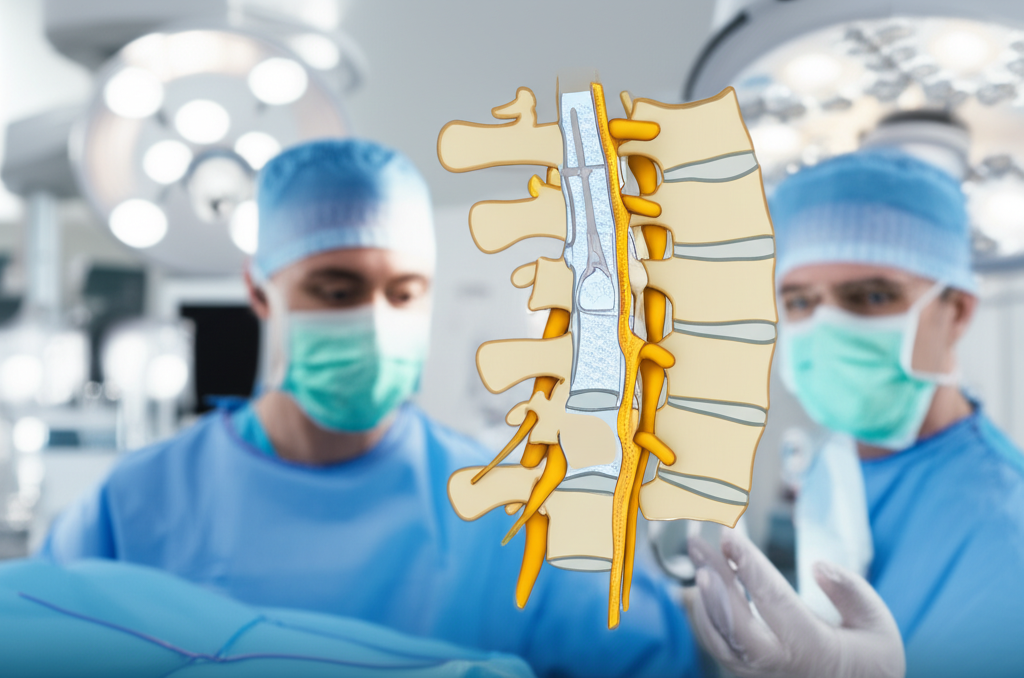
The relationship between stenosis severity and paralysis risk exists on a spectrum. Mild to moderate stenosis typically causes discomfort and mobility limitations but doesn’t threaten the spinal cord’s function enough to cause paralysis. However, severe stenosis creates a situation where prolonged compression can potentially lead to permanent neurological damage.
The timeline matters significantly. Most stenosis develops gradually, progressing slowly over months or even years. This gradual progression typically gives patients and physicians time to identify the problem and intervene before severe complications develop.
The worst-case scenario involves a condition called cauda equina syndrome, which occurs when severe lumbar stenosis compresses the bundle of nerve roots at the base of the spine. This emergency requires surgical intervention within hours to prevent permanent paralysis and loss of bowel or bladder function.
At Legent Spine, our board-certified surgeons emphasize that while these serious complications can occur, early detection and appropriate treatment significantly reduce the risk. The key lies in recognizing symptoms early and seeking expert evaluation before stenosis progresses to dangerous levels.
Progressive vs. Acute Symptoms
Understanding the difference between progressive and acute symptom onset helps patients recognize when they need urgent care versus routine specialist consultation.
This gradual progression typically begins with intermittent discomfort or mild weakness that slowly worsens over time. Patients might notice they can walk shorter distances before experiencing leg pain, or that certain positions become increasingly uncomfortable.
This timeline provides valuable opportunities for intervention. Conservative treatments, including yoga for spinal stenosis, physical therapy, and other non-surgical approaches often successfully manage symptoms when implemented early. The gradual nature of symptom development allows patients and physicians to monitor progression and adjust treatment strategies as needed.
In contrast, sudden onset of severe weakness, numbness, or loss of function represents a medical emergency. This acute presentation differs dramatically from typical stenosis progression and demands immediate medical evaluation.
Critical Symptoms and Red Flags
Recognizing warning signs that require immediate medical attention can make the difference between reversible symptoms and permanent complications. Here are the critical red flags every stenosis patient should know:
- Progressive leg weakness: Difficulty standing from a seated position, climbing stairs, or maintaining balance while walking indicates nerve compression may be worsening
- Saddle anesthesia: Numbness in the groin, inner thighs, or buttocks area suggests severe nerve root compression
- Loss of bowel or bladder control: This represents the most serious emergency sign requiring immediate hospital evaluation
- Severe pain progression: Rapidly intensifying pain that doesn’t respond to typical measures warrants urgent specialist consultation
- Inability to walk or stand: Sudden loss of leg function requires emergency care
When patients experience this combination of symptoms, time becomes critical. Emergency surgical decompression performed within the first 48 hours typically offers the best chance for recovery.
Understanding whether you’re experiencing spinal stenosis foraminal condition more serious symptoms helps determine the appropriate urgency of care. Dr. Ludwig Orozco and our team at Legent Spine encourage patients to err on the side of caution—if you’re unsure whether your symptoms constitute an emergency, seek immediate medical evaluation.
Lumbar Stenosis Symptoms
Lower back stenosis presents with characteristic symptoms that help physicians identify the condition.
This pattern, called neurogenic claudication, occurs because standing upright narrows the spinal canal further, while bending forward or sitting opens the space slightly.
Patients often describe feeling like their legs are “giving out” after walking a certain distance. The shopping cart test provides a common example—many stenosis patients find they can walk much farther through a grocery store while leaning on a cart compared to walking upright without support. This occurs because leaning forward provides temporary relief by opening the spinal canal.
Weakness in the legs or feet may develop gradually, starting with subtle changes like difficulty lifting the foot or toe when walking. Numbness or tingling sensations typically affect the legs, feet, or both, often in a pattern that suggests which nerve roots are compressed.
Cervical Stenosis Symptoms
Neck stenosis creates a different symptom pattern that can affect both the arms and legs.
Patients might notice difficulty with fine motor tasks requiring hand dexterity, such as buttoning shirts or writing.
Neck pain and stiffness often accompany cervical stenosis, though some patients experience minimal neck discomfort while developing significant arm or hand symptoms. Weakness typically begins in the shoulders or upper arms before progressing to the hands and fingers.
Balance problems and coordination difficulties represent particularly concerning symptoms with cervical stenosis. The spinal cord carries signals coordinating movement throughout the entire body, so compression in the neck can paradoxically cause leg weakness, walking difficulties, or unexplained falls. This underscores why cervical stenosis sometimes requires more urgent intervention than lumbar stenosis.
Diagnosis: How Doctors Confirm Spinal Stenosis
Accurate diagnosis forms the foundation for effective treatment planning and helps prevent progression to serious complications like paralysis.
The diagnostic process begins with a comprehensive physical examination and detailed medical history. Your physician will assess your strength, reflexes, sensation, and walking pattern. Specific tests help identify which nerve roots may be compressed and evaluate the severity of involvement.
Unlike X-rays, which primarily show bone structures, MRI scans reveal soft tissues including the spinal cord, nerve roots, discs, and ligaments. This detailed visualization allows physicians to assess the degree of canal narrowing and identify specific structures causing compression.
CT scans may supplement MRI findings, particularly for evaluating bony anatomy and planning surgical approaches if laminectomy spinal stenosis procedures become necessary. Nerve conduction studies and electromyography testing measure nerve function, helping physicians determine whether nerve damage has occurred and assess its severity.
This is why Dr. Tanya Dixon and our team encourage Dallas-Fort Worth patients to seek evaluation when they first notice concerning symptoms rather than waiting until function significantly deteriorates.
Treatment Options: From Conservative to Surgical
Treatment approaches for spinal stenosis range from conservative management to surgical intervention, with the appropriate choice depending on symptom severity, functional impact, and progression rate.
Conservative care typically represents the first-line approach for mild to moderate stenosis. Physical therapy strengthens core muscles, improves flexibility, and teaches proper body mechanics that reduce spinal stress. Generally, conservative treatments such as physical therapy, nsaids, and epidural steroid injections successfully manage symptoms in approximately 70-80% of patients with mild to moderate spinal stenosis. This success rate highlights why surgery isn’t necessary for most patients when stenosis is caught early.
Anti-inflammatory medications help reduce swelling around compressed nerves, potentially providing temporary relief. Epidural steroid injections deliver anti-inflammatory medication directly to the affected area, offering more targeted relief that may last several months. Activity modification—such as using a shopping cart while walking or avoiding prolonged standing—helps many patients maintain function while managing symptoms.
However, surgery becomes necessary when conservative treatments fail to control symptoms, when weakness progresses despite non-surgical care, or when emergency situations like cauda equina syndrome develop.
Minimally invasive surgical techniques have advanced significantly, allowing surgeons to decompress nerves through smaller incisions with faster recovery times than traditional open surgery. Procedures range from laminectomy—removing bone to create more canal space—to fusion procedures that stabilize unstable segments, depending on each patient’s specific anatomy and stenosis pattern.
The key to preventing paralysis lies in timely intervention matched to the severity and progression of each individual’s condition. Our fellowship-trained spine surgeons at Legent Spine specialize in determining the right treatment approach at the right time.
Spinal Stenosis in Dallas-Fort Worth: Finding Expert Care
The Dallas-Fort Worth metroplex has a demographic profile that places many residents at higher risk for developing spinal stenosis. Our region’s aging population, combined with active lifestyles that sometimes lead to wear-and-tear changes, creates significant demand for expert spine care.
Fortunately, North Texas residents have access to specialized spine surgeons with advanced fellowship training in minimally invasive techniques. Board-certified specialists practicing in the area bring expertise in both conservative management and cutting-edge surgical approaches when intervention becomes necessary.
At Legent Spine, we offer comprehensive diagnostic and treatment services designed to address the full spectrum of spinal stenosis severity. Our multi-disciplinary approach combines physical therapy, pain management, and surgical expertise under one roof, streamlining care and improving outcomes for our patients.
We understand that facing a stenosis diagnosis can feel overwhelming, especially when concerns about paralysis arise. Our team takes time to explain your specific condition, discuss realistic expectations, and develop individualized treatment plans that align with your goals and lifestyle.
Preventing Progression and Protecting Your Spine
While you can’t completely prevent age-related spine changes, several strategies can slow stenosis progression and reduce symptom severity.
Core strengthening exercises support the spine’s natural alignment and reduce stress on individual vertebrae. Low-impact activities like swimming, walking, and stationary cycling maintain fitness without exacerbating stenosis symptoms.
Maintaining a healthy weight significantly impacts spine health. Every pound of excess body weight creates multiple pounds of additional force on weight-bearing joints and spinal segments.
Posture awareness throughout daily activities protects your spine from unnecessary stress. When lifting objects, use proper technique with legs rather than back. When sitting for extended periods, choose supportive chairs and take frequent breaks to change position. Avoid excessive bending, twisting, or heavy lifting that places abnormal stress on already narrowed spinal segments.
Regular medical monitoring allows your physician to track stenosis progression and adjust treatment strategies before severe complications develop. Don’t ignore worsening symptoms or assume they’ll resolve on their own—prompt treatment of new or changing symptoms offers the best opportunity for successful management.
When to Seek Immediate Medical Care
Knowing when stenosis symptoms constitute a true emergency versus when routine specialist consultation suffices can protect you from permanent complications.
Don’t delay seeking care if these symptoms develop—minutes and hours matter when nerve compression reaches critical levels.
For gradual symptom worsening without emergency features, specialist consultation should still occur promptly. This timeline allows proper diagnostic evaluation and treatment implementation before symptoms become severe or disabling.
Progressive leg weakness deserves urgent evaluation even if it develops gradually over days to weeks. Similarly, worsening numbness, increasing pain despite conservative measures, or declining ability to perform daily activities all warrant specialist consultation sooner rather than later.
If you’re experiencing concerning symptoms or have questions about your stenosis diagnosis, the team at Legent Spine is here to help. Our board-certified spine surgeons bring decades of combined experience treating Dallas-Fort Worth patients with stenosis ranging from mild to severe. We’ll thoroughly evaluate your condition, explain your options in plain language, and work with you to develop a treatment plan that addresses your specific needs.