
Understanding Cauda Equina Syndrome
At the base of your spinal cord, roughly at the level of your lower back, a bundle of nerve roots spreads out in a pattern that early anatomists thought resembled a horse’s tail. That’s why it carries the Latin name cauda equina. Cauda equina syndrome occurs when these critical nerve roots become compressed, creating a true medical emergency that requires immediate attention.
Unlike compression of the spinal cord itself, cauda equina syndrome affects the nerve roots that extend below where the spinal cord ends—typically around the first lumbar vertebra. These nerves control essential functions including leg movement, bladder control, bowel function, and sensation in the saddle area.
Understanding the distinction between cauda equina symptoms and other back problems is crucial because this condition demands emergency intervention. While relatively uncommon, it can affect anyone at any age, though it most frequently develops in adults between their thirties and fifties.
Early recognition directly impacts your outcome. The difference between seeking immediate emergency care and waiting even a day can determine whether nerve damage becomes permanent. That’s why understanding the cauda equina syndrome red flags dallas patients need to recognize could literally save your quality of life.
The Critical Red Flags of Cauda Equina Syndrome
Recognizing cauda equina syndrome isn’t always straightforward. It can develop suddenly or gradually over days to weeks. However, certain warning signs should send you to the emergency room immediately, without waiting for a scheduled appointment.
Saddle Anesthesia: The Hallmark Warning Sign
The most characteristic symptom is saddle anesthesia—numbness or altered sensation in the areas that would contact a bicycle seat. This includes the inner thighs, buttocks, back of the legs, and the genital and rectal regions. If you notice reduced feeling when wiping after using the bathroom, or if the area feels numb or tingly, this is a critical red flag.
Some patients describe this sensation as “sitting on a cushion” or feeling like the area has been numbed with dental anesthetic. The numbness may be complete or partial, but any new loss of sensation in this distribution should be treated as an emergency.
Bladder and Bowel Dysfunction
Changes in bladder or bowel control represent severe warning signs. With cauda equina syndrome, you might experience:
- Urinary retention—difficulty starting urination or inability to empty your bladder completely
- Loss of bladder sensation—not feeling when your bladder is full
- Overflow incontinence—dribbling or leaking urine without awareness
- New-onset inability to control bowel movements
- Loss of rectal sensation or inability to feel when you need to have a bowel movement
These symptoms indicate severe nerve compression affecting the nerves that control vital functions. Many Dallas-Fort Worth patients initially feel embarrassed discussing these symptoms, but healthcare providers need this information immediately to diagnose and treat the condition before permanent damage occurs.
Progressive Leg Weakness
While back pain and sciatica are common, progressive weakness in one or both legs—particularly when combined with other symptoms—raises serious concern. You might notice difficulty standing from a seated position, trouble climbing stairs, or a feeling that your legs might give out.
If the weakness progresses rapidly over hours or days, or if it’s accompanied by numbness or bladder changes, this combination demands emergency evaluation. The fellowship-trained specialists at Legent Spine, including Dr. Todd Shanks, regularly treat patients who’ve experienced these concerning symptom combinations.
Severe or Progressive Lower Back Pain
While not every case includes severe pain, many patients experience significant lower back pain that may radiate down both legs. What distinguishes this from typical back pain is often the severity, the bilateral nature, and the accompanying neurological symptoms.
The pain may worsen with certain positions or activities. Unlike mechanical back pain that improves with rest, cauda equina-related pain often persists or worsens despite position changes.
Sexual Dysfunction
New-onset sexual dysfunction can indicate nerve compression affecting the cauda equina. This includes loss of genital sensation, erectile dysfunction in men, or inability to achieve orgasm. While many factors can affect sexual function, when this symptom appears suddenly alongside lower back pain or other neurological symptoms, it warrants immediate medical attention.
Why Immediate Emergency Care Is Essential
Time is nerve—this phrase captures why cauda equina syndrome demands emergency treatment. Once nerve compression begins, a countdown starts. The longer the nerves remain compressed, the higher the likelihood of permanent damage.
This means patients who wait to “see if it gets better” or try to schedule a routine appointment risk lifelong disability that emergency surgery could have prevented.
The consequences of delayed treatment extend beyond medical outcomes—they profoundly impact quality of life. Permanent bladder dysfunction may require catheterization multiple times daily. Bowel incontinence can severely limit social activities and independence. Sexual dysfunction affects intimate relationships. Leg weakness or paralysis may necessitate mobility aids or wheelchairs.
If you’re experiencing concerning symptoms, go directly to an emergency room. Don’t wait for your doctor’s office to open, don’t schedule an urgent care visit, and don’t attempt to manage symptoms at home. The emergency department has immediate access to the imaging and specialists needed for diagnosis and treatment.
Diagnosis and What to Expect at the ER
When you arrive at the emergency room with suspected cauda equina syndrome, the medical team will prioritize your evaluation. Expect to describe your symptoms in detail, including when they started and how rapidly they’ve progressed.
The neurological examination may feel uncomfortable—doctors need to test sensation in private areas and assess rectal tone—but these assessments are essential for diagnosis.
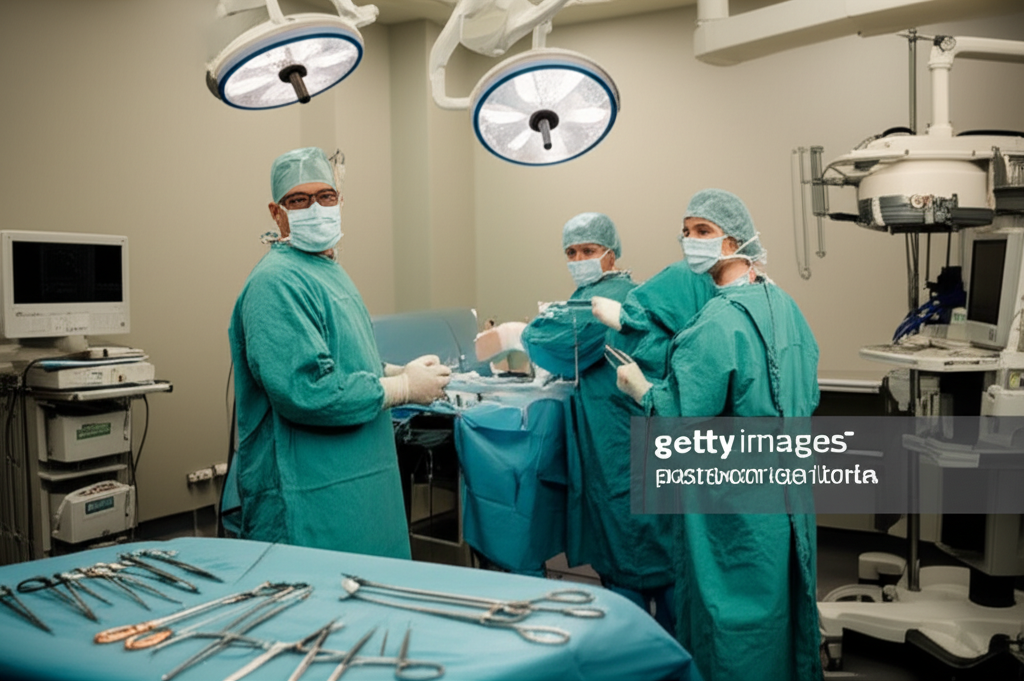
The MRI typically happens urgently, often within hours of arrival. This imaging reveals the exact location and cause of nerve compression, whether it’s a herniated disc, tumor, abscess, or other problem. The radiologist and consulting surgeon will review the images to determine the best surgical approach.
Be prepared to answer questions about symptom timeline precisely. When did you first notice numbness? When did bladder problems begin? Did symptoms develop suddenly or gradually? These details help doctors understand the urgency and plan treatment accordingly.
Cauda Equina Syndrome in Dallas-Fort Worth: Access to Specialist Care
If you’re experiencing symptoms in the metroplex, you have access to excellent emergency spine care. Major medical centers throughout the region maintain neurosurgery departments staffed around the clock to handle spine emergencies.
When calling 911 or traveling to the ER, mention that you’re concerned about cauda equina syndrome. This helps emergency medical services transport you to an appropriate facility with neurosurgical capabilities rather than a smaller emergency center that might need to transfer you, wasting precious time.
The initial emergency surgery focuses on relieving pressure on the nerves. After stabilization, patients often transition to spine specialists like Dr. Saeid Aryan and the team at Legent Spine for ongoing care, rehabilitation planning, and addressing any underlying spinal conditions that contributed to the compression.
Our practice works closely with emergency departments throughout Dallas-Fort Worth to provide coordinated care from emergency intervention through long-term recovery. While we don’t provide emergency surgical services ourselves, we’re here to support your recovery journey once you’ve received the critical emergency treatment you need.
Recovery and Long-Term Management After Emergency Treatment
In the immediate post-operative period, you’ll likely remain hospitalized for several days while doctors monitor your neurological function and stability.
The recovery process requires patience. Some patients experience rapid improvement in symptoms, while others face a longer rehabilitation journey. Bladder function often requires the most time to recover, and some patients need temporary catheterization as nerve function gradually returns.
Your rehabilitation team will work with you on strengthening exercises, mobility training, and strategies for managing any persistent symptoms. Some patients benefit from specialized pelvic floor therapy to address bladder and bowel concerns.
Follow-up with spine specialists helps confirm you’re progressing appropriately and addresses any persistent spinal issues that may need treatment. At Legent Spine, we collaborate with patients’ emergency surgeons to provide comprehensive ongoing care that optimizes long-term outcomes.
When to Call 911 vs. Seeking Routine Care
If you’re experiencing any combination of saddle numbness, bladder or bowel changes, and leg weakness, call 911 immediately. Don’t drive yourself—the weakness could worsen suddenly, and you need rapid transport to appropriate emergency facilities.
This is not a condition to address during regular office hours or urgent care visits. Even if symptoms seem mild initially, they can progress rapidly, and the window for preventing permanent damage is narrow.
For plano residents cauda equina syndrome treatment options after emergency care, or for those concerned about spine health but not experiencing emergency symptoms, our practice offers comprehensive evaluations and treatment planning. We’re here to address ongoing spine concerns, provide preventive care, and support patients recovering from cauda equina syndrome every dallas patient should understand represents a true medical emergency.
If you’re uncertain whether your symptoms constitute an emergency, err on the side of caution and go to the ER. Healthcare providers would much rather evaluate and reassure you than have you delay care for a true emergency.
For questions about spine health, post-emergency follow-up care, or concerns about symptoms that don’t require emergency intervention, the experienced team at Legent Spine is here to help Dallas-Fort Worth residents maintain optimal spine health and function. We’re committed to providing the expert, compassionate care you deserve throughout your spine health journey.