
When it comes to spinal emergencies, few conditions demand faster action than cauda equina syndrome. For patients in the Greater Dallas area experiencing sudden back pain combined with unusual neurological symptoms, understanding cauda equina syndrome red flags every 2 hours can mean the difference between full recovery and permanent disability. At Legent Spine, our board-certified spine surgeons emphasize that recognizing these warning signs and seeking immediate medical attention isn’t just important—it’s critical for preserving nerve function and quality of life.
This comprehensive guide explains what every patient should know about cauda equina syndrome, from early warning signs to treatment options available right here in Dallas. Whether you’re experiencing symptoms yourself or want to be informed about this rare but serious condition, understanding the urgency can help you make life-changing decisions quickly.
Understanding Cauda Equina Syndrome
The term “cauda equina” literally means “horse’s tail” in Latin, describing the bundle of nerve roots that resembles this shape at the end of your spinal cord. fanning out to serve critical functions throughout your lower body. These nerves control your legs, bladder, bowel, and sexual organs.
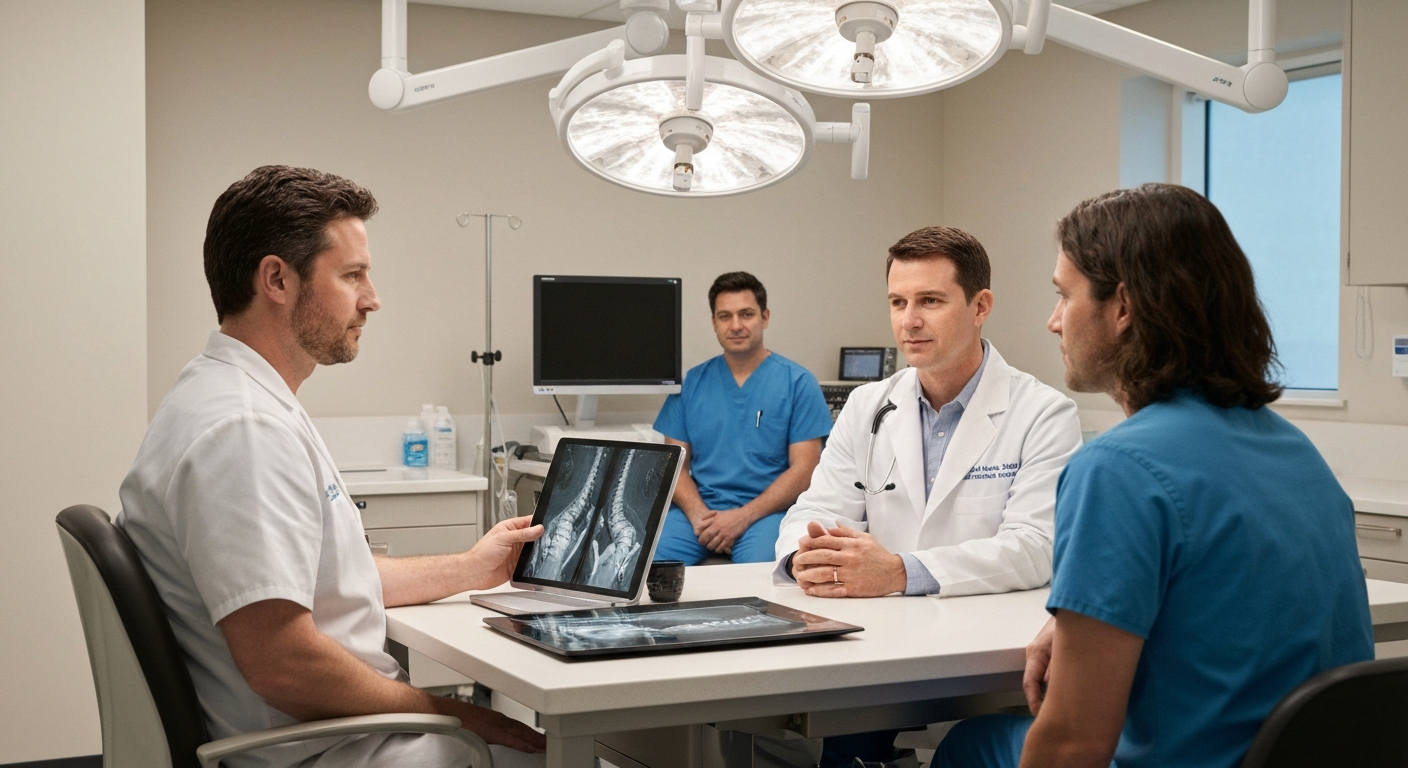
Cauda equina syndrome occurs when these delicate nerve roots become suddenly compressed. The compression cuts off their blood supply and disrupts their ability to transmit signals between your brain and lower body. This condition requires emergency surgical intervention to prevent permanent damage.
Many patients mistakenly believe that back pain alone signals this condition. However, cauda equina syndrome involves a specific constellation of symptoms that extend far beyond typical back discomfort. Understanding cauda equina syndrome red flag symptoms helps distinguish this medical emergency from common back pain.
The reality is that this condition is quite rare—. But when it does occur, the window for optimal treatment is remarkably narrow. Perhaps the most dangerous misconception is that patients can wait to see how symptoms develop.
Unlike many spinal conditions that allow time for conservative treatment approaches, cauda equina syndrome demands immediate action. The nerve compression that occurs can cause irreversible damage within hours. Delays in treatment can be catastrophic for long-term function.
Recognizing the Symptoms of Cauda Equina Syndrome
The symptoms of cauda equina syndrome often begin with severe lower back pain. What distinguishes this condition are the accompanying neurological symptoms that signal nerve root compression. Recognizing these warning signs can save your ability to walk, control your bodily functions, and maintain independence.
Unlike sciatica, which typically affects one leg, cauda equina syndrome often causes symptoms in both legs simultaneously. This bilateral involvement is a critical red flag that shouldn’t be ignored.
Loss of bowel or bladder control represents one of the most alarming symptoms. Patients may experience urinary retention (inability to urinate), loss of bladder sensation, or unexpected bowel incontinence.
These symptoms indicate that the nerves controlling these essential functions have been compromised. They demand immediate medical evaluation.
Saddle anesthesia is perhaps the hallmark symptom of cauda equina syndrome. This distinctive pattern of numbness affects areas that would contact a saddle when riding a horse.
The specific distribution of numbness corresponds directly to the nerve roots being compressed. Sexual dysfunction, including loss of sensation or erectile dysfunction, may also occur as these same nerve roots control sexual function. Many patients feel embarrassed discussing these symptoms, but they provide crucial diagnostic information for your spine specialist.
The timeline of symptom progression matters enormously. What begins as manageable back pain can rapidly escalate to include multiple neurological symptoms. This emphasizes why immediate medical evaluation is essential when these warning signs appear together.
Critical Symptoms Requiring Immediate Emergency Care
- Bilateral leg weakness, numbness, or pain affecting both legs
- Loss of bladder control or inability to urinate
- Loss of bowel control or loss of sensation during bowel movements
- Numbness in the saddle region (buttocks, inner thighs, perineum, genitals)
- New onset of sexual dysfunction combined with back pain
- Progressive weakness in the legs with difficulty walking or standing
What Causes Cauda Equina Syndrome?
Understanding what causes cauda equina syndrome helps explain why this condition can affect anyone. Even relatively young, active individuals can develop this emergency. While the syndrome itself is rare, the underlying conditions that can lead to it are more common than most people realize.
A large central disc herniation accounts for approximately 45-50% of cauda equina syndrome cases, making it by far the most frequent cause. When the soft inner material of a spinal disc pushes through its outer layer and into the central spinal canal, it can compress the entire bundle of nerve roots at once. This typically occurs at the L4-L5 or L5-S1 levels where the cauda equina is most vulnerable.
Spinal stenosis and degenerative disc disease create narrowing of the spinal canal over time. Degenerative spinal stenosis can gradually compress nerve roots, though sudden decompensation requires emergency intervention. Patients who have lived with mild stenosis for years may suddenly experience acute compression if additional swelling or a minor disc bulge pushes them past a critical threshold.
Traumatic causes including car accidents, falls, or sports injuries can result in spinal fractures or dislocations. These injuries demand rapid surgical intervention to both decompress the nerves and stabilize the spine.
Infections represent another serious cause that Dallas-area patients should understand. These infections create swelling and pus collections that compress the nerve roots. They require both surgical decompression and aggressive antibiotic treatment.
Tumors, both benign and malignant, can gradually grow within the spinal canal until they compress the cauda equina. While less common than herniated discs, spinal tumors require specialized treatment approaches. These approaches address both the compression and the underlying growth.
Emergency Diagnosis: How Doctors Confirm Cauda Equina Syndrome
When you arrive at an emergency department with suspected cauda equina syndrome, time becomes the most valuable resource. Board-certified spine surgeons and emergency physicians work rapidly to confirm the diagnosis and arrange surgical intervention.
The initial evaluation includes a thorough physical and neurological examination. Your physician will test reflexes, assess sensation in specific distributions, and evaluate muscle strength.
They will also perform a rectal examination to check for anal tone and perianal sensation—critical indicators of nerve function. These findings help confirm the diagnosis and guide treatment decisions.
This detailed scan shows the exact location and cause of nerve compression. It allows your surgeon to plan the appropriate surgical approach.
Dallas-area hospitals with spine surgery capabilities maintain emergency MRI protocols specifically for suspected cauda equina cases. This ensures rapid imaging when every minute counts.
For patients who cannot undergo MRI due to pacemakers, certain implants, or severe claustrophobia,. CT myelography, where contrast dye is injected into the spinal canal before CT scanning, can provide alternative visualization of nerve compression.
While, these studies should never delay surgical intervention. In cauda equina syndrome, every hour counts. Surgery proceeds based on clinical findings and MRI confirmation without waiting for additional testing.
Why Cauda Equina Syndrome Is a True Medical Emergency
The designation of cauda equina syndrome as a “true medical emergency” isn’t medical hyperbole. It’s a reflection of the narrow window available for preventing permanent disability. Understanding why time matters so critically helps explain the urgency your healthcare team brings to this diagnosis.
Research consistently demonstrates that the sooner nerve compression is relieved, the better the chances of recovering normal function. This 48-hour window represents a critical threshold beyond which outcomes deteriorate substantially.
The risks of delayed treatment are severe and often permanent. Patients who experience delays beyond the optimal treatment window may face lifelong challenges with mobility, continence, and intimate relationships.
These consequences dramatically impact quality of life. More specifically, compared to those treated later.
This isn’t about minor improvements. It’s the difference between regaining independence and requiring lifelong assistance with basic bodily functions. For houston patients cauda equina syndrome red flags appear, the proximity to world-class spine surgery centers in the Dallas metropolitan area means rapid access to fellowship-trained spine surgeons.
This geographic advantage can make a crucial difference in outcomes when minutes and hours matter. Our team understands the urgency and works closely with emergency departments throughout the region to provide rapid evaluation and treatment.
Treatment Options and Surgical Approaches
Emergency surgical decompression represents the standard of care for confirmed cauda equina syndrome. The specific surgical technique depends on what’s causing the compression.
However, the goal remains constant: relieve pressure on the nerve roots as quickly as possible. For disc herniation-related cauda equina syndrome, surgeons typically perform an emergency discectomy. This procedure removes the herniated disc material compressing the nerves.
In cases where spinal stenosis contributes to compression, a laminectomy may be necessary. This surgery removes portions of bone and creates more space for the nerve roots.
At Legent Spine, our fellowship-trained surgeons utilize advanced techniques whenever appropriate. While the emergency nature of cauda equina syndrome sometimes requires traditional open surgery for optimal visualization and decompression, minimally invasive approaches may be suitable for selected cases.
These advanced techniques can potentially reduce recovery time and post-operative discomfort. Post-operative recovery expectations vary significantly based on the severity of pre-operative damage.
Patients treated early with minimal neurological deficit often experience rapid improvement. Those with more severe pre-operative symptoms may require extended rehabilitation.
Physical therapy, occupational therapy, and sometimes specialized bladder and bowel retraining programs help patients regain maximum function. Our dedicated care coordinators work with Dallas-area rehabilitation facilities to ensure continuity of care throughout your recovery journey.
Long-Term Outcomes and Recovery for Dallas Patients
Setting realistic expectations about recovery helps patients prepare for the journey ahead while maintaining hope for improvement. Neurological recovery after cauda equina syndrome follows a variable timeline that depends heavily on pre-operative factors.
Nerve healing progresses slowly, and patience becomes essential as function gradually returns. The most rapid improvements typically occur in the initial weeks and months following surgery.
Continued but slower gains extend well into the first year. Bowel and bladder function recovery represents a primary concern for most patients. Patients treated within 48 hours have a 50-75% chance of achieving normal or near-normal bowel and bladder function.
This substantial range reflects individual variation in the severity of compression, duration of symptoms before surgery, and inherent healing capacity. Patients who retain some bladder sensation before surgery generally have better outcomes than those with complete sensory loss.
Many patients notice their leg strength improving within weeks of surgery. However, numbness and altered sensation may persist much longer. This pattern reflects how different types of nerve fibers recover at different rates following compression injury.
The Greater Dallas area offers excellent rehabilitation resources for cauda equina syndrome patients. Specialized pelvic floor therapy programs, neurogenic bladder clinics, and comprehensive spine rehabilitation centers provide the multidisciplinary support necessary for optimal recovery. Our team maintains relationships with these facilities to coordinate your care seamlessly.
Ongoing monitoring and follow-up care remain essential components of long-term management. Regular appointments with your spine surgeon track your neurological recovery, address any complications, and ensure you’re progressing appropriately through rehabilitation milestones.
When to Seek Immediate Care in the Dallas Area
Knowing when to seek emergency care versus scheduling an urgent appointment can be lifesaving when it comes to cauda equina syndrome. The distinction isn’t always clear, but certain symptoms demand immediate emergency department evaluation.
Don’t wait until morning, don’t call your primary care physician first, and don’t try to schedule an appointment. Go directly to an emergency room equipped with spine surgery capabilities.
In the Dallas metropolitan area, multiple hospitals maintain 24/7 spine surgery services specifically for these emergencies. The difference between urgent and emergency symptoms matters. Isolated back pain, even severe back pain, without neurological symptoms can typically be evaluated during urgent care hours.
However, once symptoms cross into the neurological realm—numbness in the saddle region, bilateral leg weakness, or bladder/bowel changes—the situation becomes a true emergency.
Emergency protocols at major Dallas hospitals ensure that spine surgery teams are notified immediately when cauda equina syndrome is suspected. This allows them to review imaging and examine patients without delay.
This rapid timeline explains why patients should choose emergency departments with onsite spine surgery capabilities. Smaller facilities that might require transfer to another hospital can introduce dangerous delays.
Questions to Ask Your Healthcare Provider
If you’re being evaluated for possible cauda equina syndrome, asking the right questions ensures you understand your situation:
- How quickly can an MRI be performed?
- Is there a spine surgeon available for emergency consultation tonight?
- What is the plan if cauda equina syndrome is confirmed?
- How soon would surgery occur?
- What are the risks of waiting until morning versus proceeding tonight?
At Legent Spine, our board-certified, fellowship-trained spine surgeons work closely with emergency departments throughout the Greater Dallas area. We provide rapid consultation and treatment for cauda equina syndrome. We understand that this diagnosis brings anxiety and uncertainty, and our care coordinators remain available to support patients and families throughout the emergency evaluation and treatment process.
For more information about understanding cauda equina syndrome dfw patients can trust, or to learn about our comprehensive spine care services, we encourage you to reach out to our team. While we hope you never face this medical emergency, knowing what to watch for and when to seek help can make all the difference in preserving your neurological function and quality of life.
If you’re experiencing any combination of severe back pain with bilateral leg symptoms, saddle numbness, or bladder/bowel changes, don’t wait—seek emergency evaluation immediately. Your future mobility and independence may depend on the decisions you make in the next few hours. For ongoing spine concerns that aren’t emergencies, our team at Legent Spine remains committed to providing cauda equina syndrome red flags every patient should understand, along with world-class spine care throughout the Dallas-Fort Worth metroplex.