
Understanding Extruded Discs: What Cypress Patients Should Know
Back and neck pain can significantly impact your quality of life. One of the more serious causes is an extruded disc—a condition where the inner material of an intervertebral disc breaks through its outer layer and extends into the spinal canal.
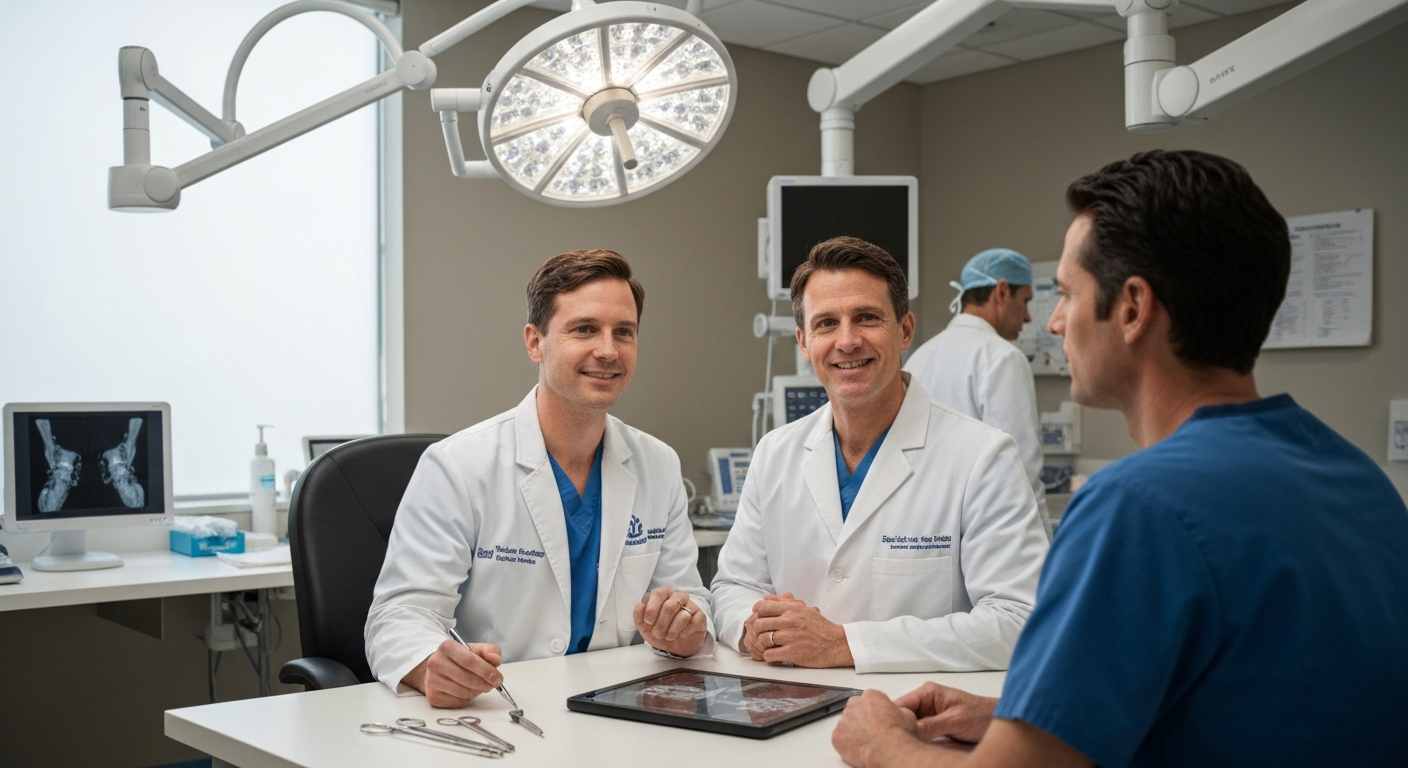
Understanding what is a disc extrusion helps you recognize symptoms early and seek appropriate care. At Legent Spine, our board-certified spine surgeons specialize in diagnosing and treating disc extrusions with both conservative and minimally invasive approaches.
Many patients benefit from learning about understanding disc extrusion dallas residents spine and central disc extrusion every patient before making treatment decisions. If you’re experiencing symptoms like radiating pain, numbness, or weakness, a consultation with a spine specialist can clarify your diagnosis and explore personalized treatment options.
What Is a Disc Extrusion?
A disc extrusion represents an advanced form of disc herniation where the inner disc material migrates significantly beyond the boundaries of the vertebral body. To understand this condition, it helps to know the basic anatomy of your spine.
These discs sit between each vertebra and function as shock absorbers. They allow your spine to move while protecting it from injury.
In a disc extrusion, the gel-like nucleus pulposus material breaks through a tear or weakness in the tough annular fibers. This material then extends into the spinal canal, where it can contact nearby spinal nerves. The result is often pain, numbness, weakness, or other neurological symptoms.
Unlike a bulging disc—where the disc uniformly projects outward while the outer layer remains intact—an extrusion involves an actual breach of the annulus fibrosus. The disc material escapes beyond its normal boundaries.
The condition most commonly affects the lumbar spine (lower back) and cervical spine (neck). The severity of symptoms depends on the size and location of the extrusion and whether it compresses nerve tissue.
Types of Disc Herniation: Understanding the Spectrum
Understanding where disc extrusions fall on the spectrum of disc herniation helps you grasp the severity of your condition. Disc problems exist on a continuum, ranging from minor degenerative changes to severe herniation:
- Disc Degeneration: The earliest stage, where discs lose water content and height over time, reducing their shock-absorbing capacity
- Disc Bulging: A uniform, symmetric extension of disc material beyond the vertebral body without rupture of the outer annulus
- Disc Protrusion: The disc material extends beyond the vertebral body, but the base of the herniation is wider than the herniated portion itself
- Disc Extrusion: The nucleus pulposus extends through the annular tear, with the base narrower than the herniated portion
- Sequestration: A fragment of extruded disc material completely separates and migrates within the spinal canal
This migration can make symptoms unpredictable and sometimes more challenging to treat. Patients exploring disc extrusion treatment options dfw patients often find that understanding their specific herniation type guides treatment recommendations.
Common Causes of Disc Extrusion
Disc extrusions don’t typically occur without underlying factors. Understanding what causes these injuries can help with prevention and inform treatment decisions.
Age-Related Degeneration: This natural aging process makes the disc’s outer layer more susceptible to tears and ruptures. While degenerative changes are universal, not everyone develops symptomatic extrusions.
Acute Trauma and Improper Lifting: Many patients recall a specific event—bending to pick up something heavy, twisting while carrying an object, or experiencing a fall. The combination of compression and rotation places maximum stress on the disc’s outer fibers.
Repetitive Strain and Occupational Factors: Jobs requiring repeated bending, lifting, or vibration exposure gradually weaken disc structures. For Cypress residents working in industrial, healthcare, or construction fields common in the Greater Houston area, occupational factors may contribute to disc problems over time.
Sedentary Lifestyle: Extended periods of sitting without proper posture support places continuous stress on lumbar discs. The hot Houston climate can also discourage outdoor physical activity, contributing to sedentary patterns that affect spine health.
Individual Factors: Genetics influence disc composition and resilience, while spine anatomy variations affect how forces distribute across the vertebral column. Smoking, obesity, and certain medical conditions also increase extrusion risk.
Symptoms of an Extruded Disc
Recognizing the symptoms of a disc extrusion helps you seek timely evaluation. Symptom presentation varies based on the extrusion’s location and whether it compresses neural structures.
Localized Pain: Many patients experience pain at the level of the affected disc—neck pain for cervical extrusions or back pain for lumbar extrusions. This pain may be sharp, burning, or aching and often worsens with certain movements or positions.
Radiating Pain (Radiculopathy): When extruded disc material compresses a nerve root, pain radiates along the nerve’s path. Lumbar disc extrusions commonly cause sciatica—pain radiating down the buttock, thigh, and leg. Sciatica affects up to 40% of people at some point in their lives, with lumbar disc extrusion being a leading cause. Cervical extrusions cause pain radiating into the shoulder, arm, and hand.
Numbness and Tingling: Nerve compression produces sensory changes—numbness, tingling, or “pins and needles” sensations along the affected nerve’s distribution. These sensations may be constant or intermittent.
Weakness: Compressed nerves can affect muscle strength in the arms or legs. You may notice difficulty gripping objects, foot drop, or weakness climbing stairs. Progressive weakness requires prompt evaluation.
Positional Changes: Similarly, lumbar extrusions often produce increased pain with forward bending, prolonged standing, or sitting. Some patients find specific positions that relieve symptoms.
Cauda Equina Syndrome (Emergency): Rarely, a large central disc extrusion compresses multiple nerve roots. This causes loss of bladder or bowel control, saddle anesthesia (numbness in the groin region), and bilateral leg weakness. This constitutes a surgical emergency requiring immediate attention.
Diagnosis and Evaluation
Accurate diagnosis forms the foundation for effective treatment. At Legent Spine, comprehensive evaluation combines clinical assessment with advanced imaging to confirm disc extrusion and guide treatment recommendations.
Clinical Examination: Your spine specialist will review your medical history, ask about symptom onset and characteristics, and perform a thorough physical examination. Specific tests like straight leg raising or Spurling’s test help identify nerve compression.
MRI Imaging: MRI represents the gold standard for disc extrusion diagnosis. It provides detailed images of soft tissues including discs, nerves, and the spinal cord. This imaging reveals the extrusion’s exact location, size, and relationship to neural structures.
Additional Studies: CT scans may be ordered when MRI is contraindicated or to evaluate bony anatomy. Electromyography (EMG) and nerve conduction studies can assess nerve function when the diagnosis remains unclear.
Dr. Josh Lee, MD and Dr. Jonathan N. Sellin, M.D., our fellowship-trained spine surgeons, personally review all imaging studies and examination findings. They develop individualized treatment plans for each patient.
Treatment Options for Extruded Discs
Treatment for disc extrusions ranges from conservative care to surgical intervention. The approach depends on symptom severity, neurological involvement, and how symptoms affect quality of life. Treatment is always personalized to your specific situation.
Conservative Treatment
Approximately 60% of patients with symptomatic disc extrusion experience improvement with conservative treatment within 3-6 months. For many patients, initial treatment focuses on non-surgical approaches:
- Pain Management: Anti-inflammatory medications, muscle relaxants, and sometimes short courses of oral steroids can reduce inflammation and provide symptom relief
- Physical Therapy: Targeted exercises strengthen supporting muscles, improve flexibility, and teach proper body mechanics to prevent further injury
- Epidural Steroid Injections: These targeted injections deliver anti-inflammatory medication directly to the affected nerve root, often providing significant temporary relief
- Activity Modification: Adjusting daily activities and avoiding movements that aggravate symptoms allows healing while maintaining function
Surgical Treatment
When conservative care doesn’t provide adequate relief, or when you experience progressive neurological deficits, surgical intervention may be recommended. For patients researching dallas patients disc extrusion spine health, understanding surgical options helps with decision-making.
Microdiscectomy: Microdiscectomy has success rates between 70-90% for relieving radiculopathy caused by disc extrusion. This procedure removes the extruded disc material compressing the nerve while preserving as much normal disc as possible. Modern minimally invasive techniques allow this through small incisions with specialized instruments.
Minimally Invasive Approaches: Our surgeons utilize advanced minimally invasive techniques that reduce tissue trauma, minimize blood loss, and accelerate recovery.
Additional Procedures: In some cases, disc extrusion occurs alongside other spine conditions requiring additional treatment. Your spine specialist will discuss all necessary interventions during your consultation.
Recovery and Long-Term Management
Recovery timelines depend on the treatment approach chosen and individual healing factors. Setting realistic expectations helps you plan your recovery journey.
Conservative Treatment Recovery: Patients pursuing non-surgical care typically see gradual improvement over weeks to months. Physical therapy continues throughout this period, with exercises progressing as symptoms improve. Some patients experience complete resolution while others may have residual mild symptoms.
Surgical Recovery: Minimally invasive microdiscectomy typically allows you to return to light activities within weeks, with full recovery taking several months. Most patients notice immediate improvement in radiating leg or arm pain. Some numbness may persist longer as nerves heal. Driving restrictions typically last several weeks, and return to work depends on job demands.
Preventing Recurrence: Recurrent disc herniation occurs in approximately 5-15% of patients within five years after surgery. Long-term spine health requires maintaining a healthy weight, practicing proper lifting mechanics, staying physically active, and addressing posture during prolonged sitting.
Cypress residents benefit from our care coordinators who guide patients through every recovery phase. We ensure questions are answered and concerns are addressed promptly.
Why Legent Spine for Extruded Disc Treatment in Cypress
Choosing the right spine care provider impacts outcomes and overall experience. Legent Spine serves Cypress and the Greater Houston area with comprehensive spine care that prioritizes your needs:
- Expert Spine Surgeons: Our board-certified, fellowship-trained spine surgeons bring extensive experience specifically in spine surgery and minimally invasive techniques
- Comprehensive Evaluation: We perform thorough assessments to understand each patient’s unique situation, ensuring treatment recommendations align with individual goals and needs
- Advanced Techniques: Our surgeons utilize the latest minimally invasive approaches that reduce surgical trauma and accelerate recovery when surgery is necessary
- Personalized Treatment Plans: We recognize that every patient’s situation differs—treatment plans reflect individual circumstances, preferences, and goals
- Transparent Communication: We provide honest, clear explanations of diagnoses and treatment options without pressure, allowing you to make informed decisions
- Dedicated Support: Our care coordinators support patients throughout their treatment journey, from initial consultation through recovery
Ready to explore treatment options? Legent Spine’s board-certified surgeons are here to provide a comprehensive evaluation tailored to your needs.
Conclusion
Disc extrusion represents a serious spine condition that significantly affects quality of life, but effective treatment options exist for Cypress patients. Understanding the condition, recognizing symptoms early, and seeking expert evaluation are crucial steps toward relief.
Whether conservative care or minimally invasive surgery proves most appropriate, personalized treatment guided by experienced spine specialists offers the best path forward. At Legent Spine, we’re committed to delivering world-class spine care to the Greater Houston community.
Our board-certified surgeons combine clinical expertise with advanced techniques to help patients overcome disc extrusions and return to active, fulfilling lives. If you suspect you have an extruded disc, scheduling a comprehensive evaluation with a spine specialist is an important first step toward relief and improved quality of life.