
Understanding C5-C6 Foraminal Stenosis
Neck pain that shoots down your arm may signal more than just muscle strain. It could indicate C5-C6 foraminal stenosis, a condition where the small passageway for your spinal nerve becomes narrowed. This opening, called a foramen, sits between your fifth and sixth cervical vertebrae in the mid-neck region—an area that handles significant movement and stress every day. For more information, see our page on spinal stenosis foraminal bellaire patients.
Foraminal stenosis develops gradually as your spine ages. The disc between C5 and C6 loses height and may bulge, while bone spurs form along the vertebrae. These changes progressively narrow the space where your C6 nerve exits, potentially compressing it and causing symptoms. over 50% of people under age 50 have some degree of cervical degenerative disc disease, though not everyone develops symptoms that need treatment. For more information, see our page on foraminal stenosis vs spinal stenosis 2.
Understanding your condition is the first step toward relief. If persistent neck and arm pain are affecting your life, a fellowship-trained spine specialist can determine whether foraminal stenosis is the cause and recommend the right treatment approach.
How Your Cervical Spine Works
Your neck contains seven cervical vertebrae, labeled C1 through C7 from top to bottom. Between each vertebra sits a cushioning disc that absorbs shock and allows your neck to move freely.
At each level, nerves exit through small openings called foramina on both sides of your spine. generally The C6 nerve root exits at the C5-C6 level and serves two important functions. It provides sensation to parts of your arm and hand while controlling specific muscles in your shoulder, arm, and forearm.
The C6 nerve gives feeling to your thumb, index finger, and middle finger. It also powers the muscles that let you bend your elbow and extend your wrist. When the foramen narrows and compresses this nerve, you’ll typically feel symptoms in these exact areas. That’s why C5-C6 foraminal stenosis often causes numbness in your thumb along with weakness when bending your elbow or extending your wrist.
Symptoms of C5-C6 Foraminal Stenosis
The most common symptom is neck pain that travels beyond your neck. It radiates into your shoulder, down your arm, and sometimes reaches your hand. This pain follows the path of the C6 nerve root.
Many people experience numbness or tingling in their thumb, index finger, and middle finger. These sensations may come and go, often getting worse when you look up or turn your head to the affected side. These movements further narrow the already-tight foramen.
Weakness can develop when nerve compression becomes significant. You might struggle with tasks requiring grip strength or find your arm tiring quickly during routine activities. Some people drop objects unexpectedly or have trouble with buttons and other fine motor tasks.
Symptoms vary widely between individuals. Some experience mild discomfort that comes and goes, while others face persistent pain that disrupts work, sleep, and daily activities. The severity depends on how much the nerve is compressed, how quickly the condition developed, and your individual factors.
Diagnosis: How Your Spine Specialist Evaluates Foraminal Stenosis
A thorough evaluation begins with your medical history. Your spine specialist will ask detailed questions about your pain—where it occurs, how severe it feels, what makes it better or worse, and how it affects your daily life. This information provides valuable clues about your condition.
The physical examination tests your nerve function through several methods. Your physician will check your reflexes, evaluate muscle strength, and perform neurological tests to identify which nerve may be compressed. For C5-C6 stenosis, this includes testing your biceps reflex, checking how well you can extend your wrist, and evaluating sensation in your thumb and index finger. For more information, see our page on tomball patients spinal canal stenosis. For more information, see our page on signs you may spinal canal stenosis.
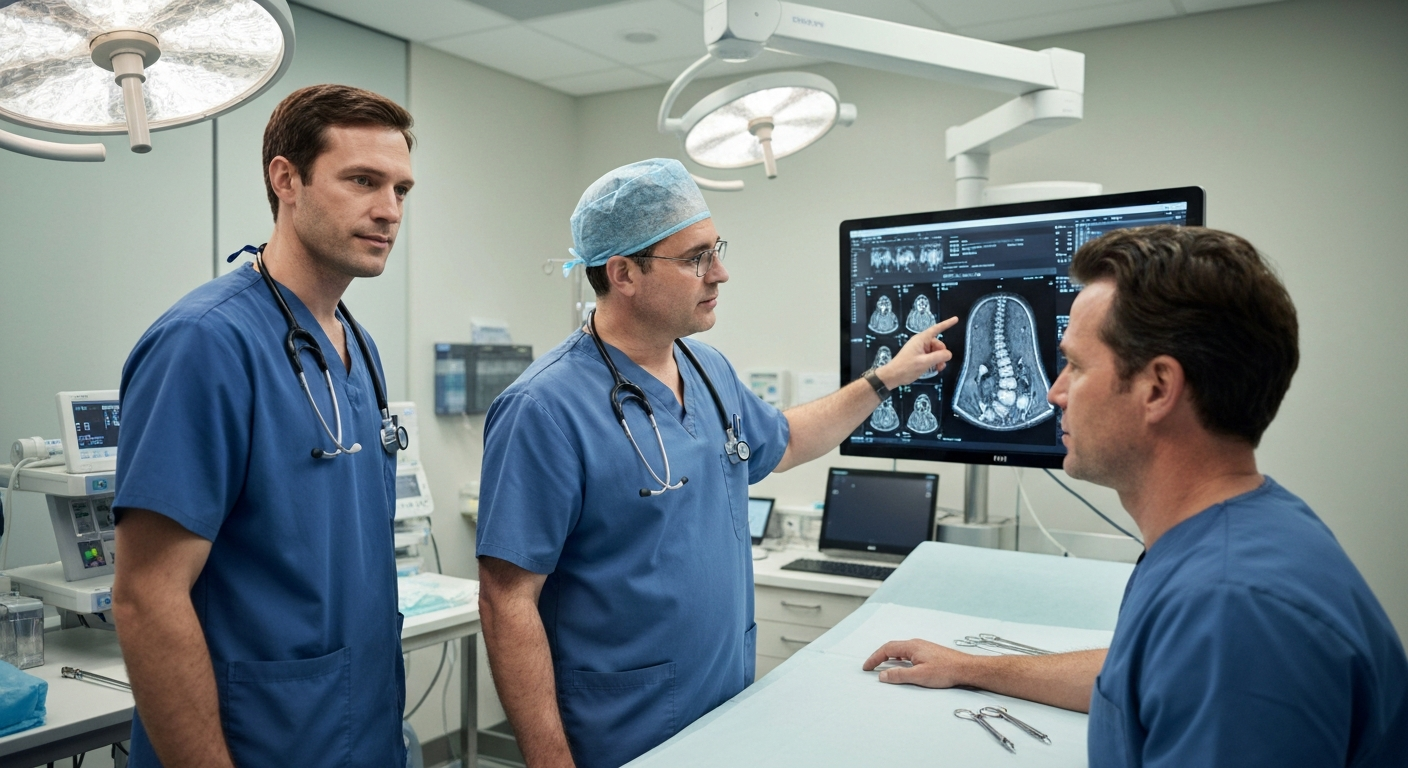
generally MRI imaging serves as the gold standard for diagnosing foraminal stenosis. The typically MRI clearly shows soft tissues including nerves, discs, and ligaments, revealing exactly how much the foramen has narrowed. It also identifies contributing factors like disc herniation or bone spurs. Your doctor may order CT scans to better view bone structures or X-rays to assess spinal alignment. For more information, see our page on spinal canal stenosis symptoms.
In some cases, electrodiagnostic studies like nerve conduction tests or EMG may be recommended. These tests measure how well nerves transmit signals and help confirm which specific nerve root is affected.
Non-Surgical Treatment Options
usually Most patients start with conservative, non-surgical treatments. Many experience significant relief through these approaches without needing surgery. Your treatment plan typically combines several methods to reduce inflammation, improve function, and relieve pain.
generally Anti-inflammatory medications help reduce swelling around the compressed nerve. Physical therapy plays a central role, with therapists designing exercises to improve posture, strengthen supporting muscles, and increase flexibility. You’ll likely learn a home exercise program to maintain your improvement long-term.
Simple lifestyle adjustments often provide substantial relief. This might include changes to your workspace setup, sleeping position, or how you perform daily tasks. These modifications reduce stress on the C5-C6 level and minimize nerve compression.
generally Epidural steroid injections deliver anti-inflammatory medication directly to the area around the compressed nerve. This can provide temporary or even long-term relief for some patients, creating an opportunity for physical therapy to work more effectively.
may Conservative treatment typically continues for several weeks to months before surgery is considered. Your spine specialist will monitor your progress and adjust your treatment plan as needed.
When Surgery May Be Necessary
usually Surgery becomes necessary when symptoms persist or worsen despite comprehensive conservative treatment. Progressive neurological symptoms—worsening weakness, increasing numbness, or signs of ongoing nerve damage—may require surgical intervention.
Some patients develop severe limitations that significantly affect quality of life. Difficulty working, sleeping, or performing basic self-care tasks may indicate that surgery could provide better relief than continued conservative care.
The risk of permanent nerve damage is an important consideration. usually When a nerve remains compressed for extended periods with progressive symptoms, permanent loss of function can occur. Early surgical decompression can prevent irreversible damage and improve your likelihood of full recovery.
Surgical options include foraminotomy, where the surgeon enlarges the foramen to relieve pressure, and anterior cervical discectomy and fusion, which may be appropriate when disc degeneration significantly contributes to stenosis. The recommended procedure depends on what’s causing your stenosis, how severe the compression is, and your individual factors.
Minimally invasive surgical techniques have advanced significantly. These approaches use smaller incisions, cause less tissue disruption, and often allow faster recovery compared to traditional open surgery. Your spine specialist can explain whether minimally invasive techniques are right for your case.
Finding Expert Spine Care in the Dallas Area
Choosing the right spine specialist significantly impacts your treatment experience and outcome. Look for board-certified spine surgeons who have met rigorous training and certification requirements. Board certification demonstrates a surgeon has achieved specific educational, training, and examination standards.
Fellowship training represents additional specialization beyond residency. typically Fellowship-trained spine surgeons complete one to two years focused exclusively on spine care, gaining extensive experience with complex conditions and advanced surgical techniques.
Experience with cervical foraminal stenosis matters. Specialists who regularly treat this condition bring valuable expertise to treatment planning and surgical execution. Ask about a surgeon’s experience with your specific condition and their patient outcomes.
At Legent Spine, our team of fellowship-trained spine surgeons serves the Greater Dallas area with comprehensive evaluation and treatment of cervical spine conditions including C5-C6 foraminal stenosis. We emphasize transparent communication, ensuring you understand all treatment options—both surgical and non-surgical. Our dedicated care coordinators support you throughout your entire treatment journey.
Next Steps: Getting the Care You Need
Don’t ignore persistent neck pain, arm pain, numbness, or weakness. While some neck discomfort resolves on its own, symptoms lasting more than a few weeks or getting progressively worse warrant professional evaluation. Early diagnosis and treatment often lead to better outcomes and can prevent permanent nerve damage.
Schedule a comprehensive evaluation with a spine specialist to determine what’s causing your symptoms. Bring any previous imaging studies and relevant medical records to your appointment. This information helps your physician develop a complete picture of your condition.
Prepare questions before your visit. You might ask about how your condition may progress, success rates of different treatments, recovery timelines, and what to expect during treatment. A good spine specialist welcomes your questions and takes time to address your concerns.
Quality spine care involves reviewing the full spectrum of treatment options, from conservative approaches through surgical intervention when appropriate. Your specialist should help you understand the benefits and risks of each option, allowing you to participate actively in decisions about your care.
Living with C5-C6 foraminal stenosis symptoms doesn’t have to be your reality. With proper diagnosis, personalized treatment planning, and expert care, most patients find significant relief and return to the activities they enjoy.