
Understanding the Difference Between These Two Conditions
When dealing with back and leg pain, understanding your specific diagnosis makes a significant difference in treatment outcomes. Two commonly confused conditions—spinal stenosis and foraminal stenosis—both involve nerve compression, but they occur in distinctly different anatomical locations.
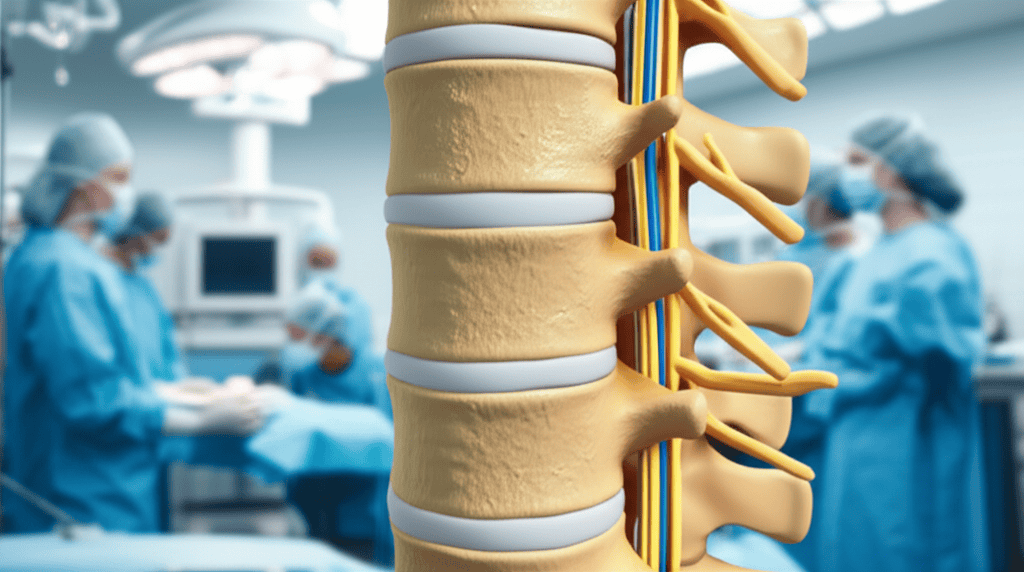
Many Dallas patients seeking answers about spinal vs foraminal stenosis discover that knowing these differences helps them communicate more effectively with their medical team and make informed treatment decisions.
Spinal stenosis occurs when the central spinal can (source: Spinal Stenosis: What It Is, Causes, Symptoms & Treatment)$2al—the main tunnel running through your vertebral column—narrows and compresses the spinal cord and nerve roots within this central space. Foraminal stenosis, by contrast, involves narrowing of the neural foramina, which are the small openings on either side of each vertebra where individual nerve roots exit the spine to branch out to different parts of the body.
These two conditions affect different nerve structures, which explains why symptoms vary considerably between them. Foraminal stenosis typically affects single nerve roots on one side of the spine, while central spinal stenosis can affect multiple nerve roots simultaneously, potentially creating more widespread symptoms throughout your lower body.
Understanding where your nerve compression occurs helps determine which treatment approaches will provide the most effective relief. If you’re experiencing persistent back or leg pain, a board-certified spine specialist can identify exactly which condition is causing your symptoms.
Key Anatomical Differences Explained
Your spine’s structure includes several distinct spaces where nerve tissue travels. Understanding these anatomical differences clarifies why spinal stenosis and foraminal stenosis require different evaluation and treatment approaches.
The spinal canal is the main tunnel running through the center of your vertebral column that houses the spinal cord. This central canal is formed by stacked vertebrae, with ligaments, discs, and facet joints forming its boundaries. When arthritis, disc bulging, or thickened ligaments encroach on this space, central spinal stenosis develops.
Neural foramina are small openings on both sides of each vertebra where nerve roots branch off to different parts of the body. These exit points can be visualized as doorways through which individual nerves pass as they leave the protective housing of the spine. When bone spurs, herniated disc material, or enlarged facet joints narrow these openings, foraminal stenosis occurs.
Foraminal stenosis typically affects one nerve root on one or both sides, causing localized symptoms that follow the specific nerve’s pathway. For example, compression at the L5 foramen creates symptoms that radiate down a specific distribution in the leg and foot.
Central spinal stenosis can compress multiple nerve roots and potentially the spinal cord itself, causing more widespread symptoms affecting both legs or multiple areas simultaneously.
Symptom Comparison: How Each Condition Presents
Recognizing the distinct symptom patterns between these two conditions helps Dallas patients understand what they’re experiencing and communicate effectively with their healthcare providers.
Spinal stenosis commonly causes leg pain, numbness, and weakness in both legs, along with difficulty walking long distances. Lower back pain typically worsens with standing or walking extended distances.
Many patients with spinal stenosis experience —leg pain that improves with sitting or bending forward, which opens the spinal canal slightly and relieves pressure on the compressed nerves.
Foraminal stenosis typically produces sharp, burning pain that radiates along the path of the affected nerve root into the arm or leg. This radiating pain often feels like an electric shock traveling down a specific pathway. Symptoms from foraminal stenosis often appear on one side of the body, corresponding to the compressed nerve, though bilateral foraminal stenosis can affect both sides.
Key symptom differences include:
- Pain distribution: Central stenosis affects both legs; foraminal affects one specific nerve pathway
- Pain character: Central stenosis creates aching, cramping pain; foraminal produces sharp, shooting sensations
- Position changes: Central stenosis improves with forward bending; foraminal may worsen with certain movements
- Symptom onset: Central stenosis develops gradually with activity; foraminal can appear suddenly with specific movements
If you’re experiencing persistent leg pain or numbness, consulting with specialists who understand these distinct presentation patterns ensures accurate diagnosis and appropriate treatment planning.
What Causes Each Type of Stenosis
Both conditions share some common underlying causes, but specific mechanisms differ based on which anatomical structures are affected.
usually Spinal stenosis commonly develops from degenerative disc disease, bone spurs, thickened ligaments, and facet joint arthritis that narrows the central canal. As discs lose height with age, the vertebrae move closer together, potentially causing ligaments to buckle inward and reducing the space available for the spinal cord.
typically Foraminal stenosis often results from herniated discs, bone spurs, and facet joint enlargement that specifically compress nerve roots in the foraminal openings. When disc material protrudes laterally rather than posteriorly, it encroaches directly on the nerve exit pathway. Enlarged facet joints from arthritis can also narrow these small openings from behind.
Both conditions are frequently associated with age-related degenerative changes in the spine, typically becoming more common after age. generally The natural aging process causes discs to dehydrate and lose height, cartilage in facet joints to deteriorate, and ligaments to thicken—all contributing to progressive narrowing of neural spaces.
Additional risk factors include trauma, poor posture, and repetitive strain that can accelerate degenerative changes leading to either type of stenosis. Occupations involving heavy lifting, prolonged sitting, or repetitive bending may increase risk over time.
Diagnostic Methods: How Doctors Differentiate These Conditions
Accurate diagnosis begins with a comprehensive physical examination and detailed symptom history, followed by advanced imaging studies that visualize exactly where nerve compression occurs.
MRI imaging is the gold standard for diagnosing both spinal and foraminal stenosis (source: MRI Grading Systems for Lumbar & Cervical Stenoses: Lee System), as it clearly visualizes soft tissues including discs, ligaments, nerves, and the spinal cord itself. usually MRI scans show the precise location and severity of narrowing, revealing whether compression affects the central canal, neural foramina, or both areas.
CT scans effectively show bone detail and may reveal bone spurs contributing to foraminal stenosis. When MRI is unavailable or contraindicated, CT myelography—CT imaging after contrast dye injection into the spinal canal—can provide detailed visualization of nerve compression patterns.
X-rays provide limited information about soft tissue compression but may show degenerative changes including disc space narrowing, bone spurs, and vertebral alignment issues that suggest where stenosis might develop. often Dynamic X-rays taken in flexion and extension positions can reveal instability contributing to nerve compression.
Nerve conduction studies and electromyography can help identify which nerve roots are affected and confirm foraminal stenosis diagnosis. These electrodiagnostic tests measure how well electrical signals travel through specific nerves, pinpointing exactly which nerves show compression-related dysfunction.
Can You Have Both Conditions Simultaneously
Many patients develop both central spinal stenosis and foraminal stenosis in the same spine or at different spinal levels. Understanding questions about whether spinal stenosis foraminal condition more serious requires recognizing that these conditions frequently coexist.
When both conditions are present, symptoms may be more severe and widespread than either condition alone. A patient might experience bilateral leg cramping from central stenosis combined with sharp, shooting pain down one leg from concurrent foraminal compression.
Combined stenosis requires careful evaluation to determine which component is causing the most significant nerve compression and symptoms. Advanced imaging must clearly distinguish between central and foraminal contributions to the overall clinical picture.
Treatment planning becomes more complex when addressing both central and foraminal narrowing simultaneously. Surgical decompression may need to address both the central canal and specific foraminal openings. Some patients benefit from addressing the most symptomatic area first, with the option to treat additional areas if symptoms persist.
Which Condition Is Worse? Severity and Impact
Dallas patients frequently ask which type of stenosis is more serious or debilitating. The answer depends on multiple individual factors rather than the condition type itself.
Neither condition is inherently worse—severity depends on the degree of nerve compression, how many nerve roots are affected, and individual patient factors including age, activity level, and overall health. Questions about spinal stenosis foraminal more serious outcomes depend more on compression severity than location.
Central spinal stenosis affecting the spinal cord itself may cause more widespread symptoms and functional impairment than foraminal stenosis, particularly when stenosis is severe. However, many patients with mild to moderate central stenosis maintain good function with conservative management.
Foraminal stenosis can cause severe pain and disability even when compression appears mild on imaging studies. Some patients experience debilitating radiating pain from relatively modest foraminal narrowing, while others tolerate significant narrowing with minimal symptoms.
Both conditions may remain stable or progress slowly over time, requiring monitoring but not always immediate surgery. Regular follow-up allows your spine specialist to track symptom progression and recommend intervention when appropriate.
Treatment Options for Foraminal and Spinal Stenosis
Treatment approaches for both conditions begin conservatively, progressing to surgical intervention only when necessary to preserve function and quality of life.
Most patients with spinal or foraminal stenosis initially respond well to conservative treatment including anti-inflammatory medications, physical therapy, and activity modification. Over-the-counter NSAIDs reduce inflammation around compressed nerves, while physical therapy strengthens supporting muscles and improves spinal stability.
Epidural steroid injections provide temporary symptom relief by reducing inflammation around compressed nerves. These targeted injections deliver anti-inflammatory medication directly to the affected area, often providing several months of relief while patients engage in rehabilitative exercises.
Conservative treatment options include:
- Physical therapy: Strengthening and flexibility exercises tailored to your specific stenosis pattern
- Medications: NSAIDs, muscle relaxants, and neuropathic pain medications as appropriate
- Activity modification: Adjusting daily activities to minimize symptom aggravation
- Assistive devices: Canes or walkers to improve stability and reduce pain with walking
- Complementary approaches: Including yoga for spinal stenosis 2 and other gentle movement practices
Surgery is considered when conservative treatment fails to provide adequate relief or when symptoms significantly impact daily function and quality of life. The decision timeline varies, but most specialists recommend of conservative management before discussing surgical options.
Foraminal stenosis may be treated with foraminal decompression or foraminotomy to widen the nerve exit opening. These procedures remove bone spurs, disc material, or other structures compressing the nerve root as it exits the spine.
Spinal stenosis may require laminectomy spinal stenosis procedures to decompress the central spinal canal. Laminectomy removes portions of the lamina—the roof of the spinal canal—to create more space for the spinal cord and nerve roots.
Recurrence Rates: Can These Conditions Return After Treatment
Setting realistic expectations about long-term outcomes helps Dallas patients make informed treatment decisions and commit to ongoing spine health management.
Both spinal stenosis and foraminal stenosis can cause recurring symptoms even after successful conservative or surgical treatment. The spine continues aging and degenerating, potentially creating new areas of narrowing over time.
Surgical recurrence occurs in approximately of spinal stenosis cases, often at adjacent spinal levels rather than at the surgical site itself. Adjacent segment degeneration—accelerated degeneration above or below a previous surgical site—may cause symptoms to recur or new symptoms to develop years after successful surgery.
Factors influencing recurrence include:
- Continued degenerative changes at adjacent spinal levels
- Inadequate decompression during initial treatment
- Post-surgical scar tissue formation
- Spinal instability developing after decompression
Long-term symptom management often requires ongoing physical therapy, activity modification, and regular medical follow-up. Maintaining core strength, practicing proper posture, and avoiding activities that stress the spine help minimize recurrence risk and preserve surgical outcomes.
Dallas Patients: Choosing the Right Spine Care
Finding experienced, board-certified spine specialists in the Dallas-Fort Worth area ensures you receive accurate diagnosis and appropriate treatment recommendations tailored to your specific condition.
Accurate diagnosis through imaging and specialist evaluation is essential for determining whether foraminal stenosis, spinal stenosis, or both conditions require treatment. Advanced imaging interpretation requires specialized training to distinguish between incidental findings and clinically significant nerve compression requiring intervention.
Board-certified spine surgeons in the Dallas area have specialized training in diagnosing and treating both types of stenosis. At Legent Spine, our team combines decades of experience with the latest diagnostic and treatment technologies to provide comprehensive spine care throughout the Dallas-Fort Worth community.
The most effective treatment plans are individualized based on the specific location and severity of stenosis, patient age, overall health status, and symptom severity. What works for one patient may not be appropriate for another, even with similar imaging findings.
Transparent communication throughout your care ensures you understand your diagnosis, treatment options, expected outcomes, and potential risks. Our approach focuses on helping you make informed decisions about your spine health with complete information.
When to Seek Professional Evaluation
Knowing when to consult a spine specialist helps prevent unnecessary delays in treatment while avoiding premature interventions for conditions that might resolve with conservative care.
Seek immediate medical attention if experiencing sudden loss of bladder or bowel control, progressive leg weakness, or severe leg pain unrelieved by rest. These symptoms may indicate severe nerve compression requiring urgent evaluation and potentially emergent surgical decompression.
Schedule a specialist evaluation if numbness, tingling, or pain persists beyond a few weeks despite conservative self-care measures including rest, over-the-counter medications, and activity modification. Persistent symptoms suggest structural problems requiring professional diagnosis and targeted treatment.
Patients with worsening symptoms despite several weeks of conservative treatment should consult a spine specialist for comprehensive evaluation. Progressive symptoms indicate that conservative measures aren’t adequately addressing the underlying compression, and more advanced treatment options should be considered.
If you’re experiencing back or leg pain affecting your daily activities, work, or quality of life, the spine specialists at Legent Spine serving the Dallas-Fort Worth community can provide the thorough evaluation and personalized treatment planning you need. Contact our office to schedule a consultation and take the first step toward understanding your spine health and finding effective relief.