
Introduction: Understanding Two Types of Spinal Narrowing
When you experience back pain or radiating discomfort down your arms or legs, understanding the source of your symptoms is the first step toward effective treatment. Two commonly confused conditions—foraminal stenosis vs spinal stenosis—both involve narrowing within the spine, but they affect different anatomical structures and produce distinct symptom patterns. Generally, spinal stenosis and foraminal stenosis are distinct conditions affecting different parts of the spine.
Both conditions can compress nerve roots and cause pain, numbness, or weakness. The location and extent of this narrowing significantly influence how symptoms present and which treatment approaches will be most effective. Many patients experience one or both conditions simultaneously, which is why specialized spine care is essential for accurate diagnosis and personalized treatment planning.
Understanding the difference between spinal vs foraminal stenosis helps guide treatment decisions and sets realistic expectations for recovery. At Legent Spine, our board-certified spine surgeons serving the Dallas-Fort Worth area specialize in distinguishing between these conditions through comprehensive evaluation and advanced imaging technology.
What Is Spinal Stenosis?
Spinal stenosis refers to narrowing of the central spinal canal—the protected passageway where the spinal cord travels through the vertebral column. This central narrowing compresses the spinal cord and multiple nerve roots, potentially affecting nerve function across several levels of the spine.
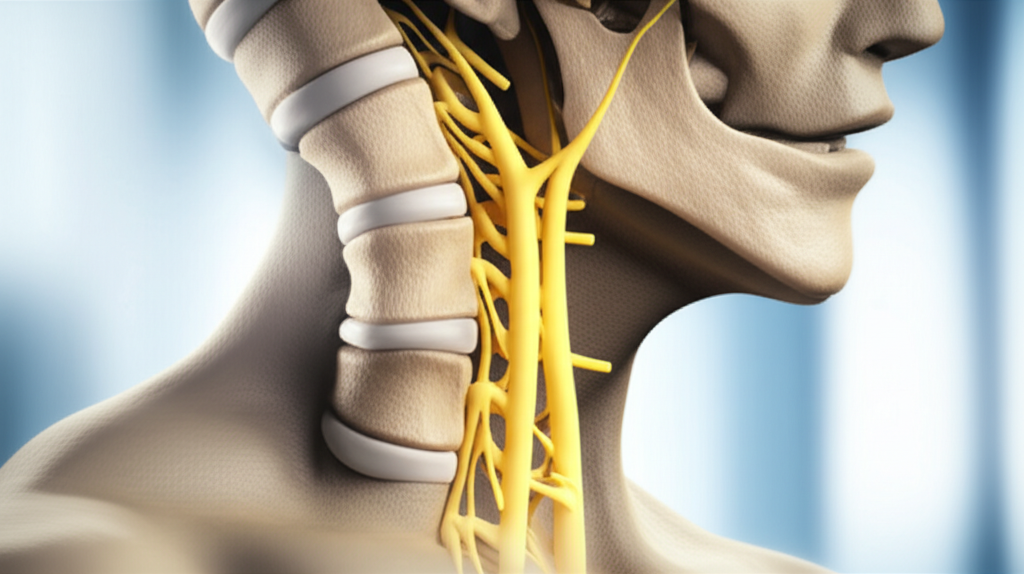
The condition can develop at any level of the spine, including:
- Cervical stenosis affecting the neck region
- Thoracic stenosis in the mid-back (less common)
- Lumbar stenosis in the lower back
Generally, lumbar spinal stenosis is the most common type affecting the lower back. The narrowing typically develops gradually due to age-related degenerative changes, including bone spurs, thickened ligaments, bulging discs, and arthritic changes that encroach on the available space within the central canal.
Because the central canal houses multiple nerve structures, spinal stenosis can produce widespread symptoms affecting both sides of the body. The degree of narrowing doesn’t always correlate directly with symptom severity—some patients with significant narrowing experience minimal discomfort, while others with moderate changes report substantial functional limitations.
What Is Foraminal Stenosis?
Foraminal stenosis involves narrowing of the intervertebral foramina—the side openings located between adjacent vertebrae where individual nerve roots exit the spinal column. Unlike central stenosis, foraminal narrowing typically affects one nerve root at a time, causing more localized symptoms that follow specific nerve pathways.
These openings can narrow due to several factors:
- Degenerative disc disease causing disc height loss
- Facet joint arthritis and bone spur formation
- Disc herniation or bulging into the foraminal space
- Spondylolisthesis (vertebral slippage)
Generally, this condition commonly develops in the cervical and lumbar regions of the spine. Foraminal stenosis can occur on one or both sides of the spine at a given level, though unilateral (one-sided) presentation is more common.
Because each foramen provides an exit pathway for a specific nerve root, symptoms from foraminal stenosis typically follow dermatomal and myotomal patterns—meaning pain, numbness, or weakness appears in predictable distributions corresponding to the affected nerve.
Key Differences: Location and Impact
Understanding whether you’re dealing with spinal stenosis foraminal condition worse health requires recognizing the fundamental anatomical and clinical differences between these conditions.
Spinal stenosis narrows the central spinal canal affecting the spinal cord and multiple nerve roots. In contrast, Generally, foraminal stenosis narrows the side openings where individual nerve roots exit the spine. This distinction in location produces significantly different symptom patterns and treatment considerations.
Anatomical Differences
The central spinal canal is a continuous vertical channel that protects the spinal cord as it descends from the brainstem. The neural foramina, by contrast, are paired openings at each vertebral level—one on the left and one on the right—through which nerve roots branch away from the spinal cord to innervate specific body regions.
Central stenosis can affect multiple nerve roots simultaneously at one spinal level, potentially impacting four or more nerve roots. Foraminal stenosis typically compresses a single nerve root, though multiple levels may be affected in degenerative conditions.
Clinical Impact
Patients commonly experience sharp, radiating pain down one arm (cervical foraminal stenosis) or one leg (lumbar foraminal stenosis).
Generally, central spinal stenosis may cause bilateral symptoms affecting both sides of the body. This can include diffuse discomfort, balance difficulties, and coordination problems that extend beyond a single nerve distribution. Treatment approaches may vary based on the location and extent of narrowing.
Symptom Comparison: How These Conditions Present Differently
Recognizing symptom patterns helps patients and physicians identify which type of stenosis is likely present.
Spinal Stenosis Symptoms
Generally, spinal stenosis commonly causes pain that worsens with walking or standing and improves with sitting or bending forward. This characteristic pattern, known as neurogenic claudication, distinguishes spinal stenosis from vascular claudication. Patients often describe:
- Bilateral leg heaviness or fatigue with walking
- Diffuse lower back discomfort
- Balance difficulties and unsteady gait
- Relief when leaning forward on a shopping cart or sitting down
- Numbness or tingling in both legs
The forward-bending position increases the available space in the spinal canal, temporarily relieving compression.
Foraminal Stenosis Symptoms
Common presentations include:
- Unilateral radiculopathy (nerve root pain)
- Sharp, electric-like sensations following dermatomal patterns
- Weakness in specific muscle groups supplied by the compressed nerve
- Numbness in predictable skin distributions
- Pain that worsens with specific movements
Cervical foraminal stenosis may intensify with neck extension or rotation toward the affected side, while lumbar foraminal stenosis often flares with backward bending or twisting motions.
Diagnosis: How Doctors Distinguish Between These Conditions
Accurate diagnosis requires combining clinical examination with advanced imaging to determine the precise location and extent of narrowing.
Physical Examination
During your consultation, spine specialists perform specific tests including:
- Spurling’s test for cervical foraminal stenosis
- Straight leg raise for lumbar radiculopathy
- Neurological assessment of strength, sensation, and reflexes
- Gait analysis and balance testing
These examinations help identify dermatomal and myotomal patterns that indicate which nerve roots are compromised.
Imaging Studies
Magnetic resonance imaging provides detailed visualization of soft tissues, including nerves, discs, and ligaments, making it the gold standard for stenosis evaluation.
This combination provides excellent bone detail and can demonstrate the degree of nerve compression when contrast dye is injected into the spinal canal.
Electrodiagnostic Testing
Electromyography (EMG) and nerve conduction studies measure electrical activity in muscles and nerves, confirming which nerve roots are functionally impaired and helping distinguish stenosis from other neurological conditions.
Treatment Options: Conservative and Surgical Approaches
Determining whether spinal stenosis foraminal condition more serious depends on individual factors, but both conditions typically follow similar treatment progressions.
Conservative Management
Non-surgical approaches include:
- Physical therapy focusing on core strengthening, posture correction, and flexibility
- Medications including NSAIDs, muscle relaxants, and neuropathic pain medications
- Epidural steroid injections to reduce inflammation around compressed nerves
- Activity modification to avoid positions that exacerbate symptoms
Generally, most patients experience symptom improvement with conservative care before considering surgery. The duration of conservative treatment typically ranges from several weeks to several months, depending on symptom severity and functional impact.
Surgical Interventions
When conservative measures fail to provide adequate relief, surgical decompression may be recommended. The specific procedure depends on stenosis type.
Generally, laminectomy is commonly used for central spinal stenosis to widen the spinal canal. This procedure removes a portion of the lamina (roof of the spinal canal) to create more space for the spinal cord and nerve roots.
This targeted procedure removes bone and tissue from around the foramen to decompress the specific nerve root.
Some patients require combined procedures when both central and foraminal stenosis are present. Recovery expectations and success rates vary based on the extent of decompression required and individual patient factors.
Can You Have Both Conditions at the Same Time?
Generally, patients can develop both central spinal stenosis and foraminal stenosis at the same spinal level or at different levels. This combined presentation is common in degenerative spine conditions, as the same age-related changes that narrow the central canal—bone spurs, disc degeneration, ligament thickening—also compromise the neural foramina.
When both conditions coexist, symptom patterns become more complex. Patients may experience both bilateral neurogenic claudication and unilateral radicular pain, making clinical diagnosis more challenging.
However, Thorough surgical planning that addresses all symptomatic compression points can produce excellent results.
Which Condition Is Worse?
Patients frequently ask about spinal stenosis foraminal more serious, but the answer isn’t straightforward.
Two patients with identical imaging findings may experience vastly different symptom intensity based on their unique pain threshold, activity level, and nerve tolerance to compression.
Generally, foraminal stenosis often produces more acute, intense pain but may affect fewer nerve roots. The sharp, radiating quality of radicular pain can be particularly disabling, though it typically follows predictable patterns that respond well to targeted treatment.
The widespread nature of central stenosis can impact walking tolerance, balance, and overall mobility more significantly than isolated foraminal narrowing.
With accurate identification of the compression source and individualized treatment planning, both conditions can be managed effectively.
Dallas Spine Care: Getting an Accurate Diagnosis
Generally, a board-certified spine surgeon can distinguish between foraminal and spinal stenosis through careful physical examination and imaging review. At Legent Spine, serving the Dallas-Fort Worth community, our comprehensive diagnostic approach combines clinical expertise with advanced technology to pinpoint the exact source of your symptoms.
This integrated approach ensures continuity of care and allows for seamless progression through treatment stages when necessary.
Our specialists review your imaging personally, correlating findings with your symptoms to develop treatment recommendations tailored to your condition and lifestyle goals.
Whether you’re dealing with spinal stenosis, foraminal stenosis, or both, accurate diagnosis is the foundation of effective treatment. If you’re experiencing persistent back pain, radiating discomfort, or functional limitations, we invite you to schedule a consultation to discuss your symptoms and explore your options.
Frequently Asked Questions
How does spinal compression affect nerve roots?
When narrowing reduces the available space around nerves, mechanical pressure triggers inflammatory responses that amplify pain signals. Additionally, compression can impair nerve blood flow, further compromising nerve function and producing neurological symptoms.
Does age affect the severity of spinal stenosis?
Most stenosis develops in adults over 50 as the cumulative effects of wear and tear manifest. However, symptom severity doesn’t always correlate with age—some older adults with significant stenosis remain relatively asymptomatic, while younger patients with moderate narrowing may experience substantial discomfort.
Can these conditions return after treatment?
Conservative treatments provide symptom management but don’t reverse the structural changes causing stenosis. Even after successful surgery, adjacent spinal segments may develop stenosis over time due to ongoing degenerative processes.
How do these conditions affect mobility?
Patients with foraminal stenosis might avoid specific movements that aggravate radicular pain, such as twisting or bending in certain directions. Central stenosis often limits walking distance due to neurogenic claudication and may compromise balance through diffuse lower extremity sensory changes.
Next Steps: When to Seek Professional Evaluation
These red flag symptoms may indicate severe nerve compression requiring urgent assessment and intervention.
You should also consider specialist consultation if you’re experiencing:
- Persistent pain lasting beyond several weeks despite rest
- Radiating pain down your arms or legs
- Numbness or tingling that’s worsening or spreading
- Weakness affecting your grip, walking, or daily activities
- Pain that significantly limits your quality of life
Addressing stenosis in earlier stages provides more treatment options and can slow degenerative progression.
During your initial visit at Legent Spine in the Dallas-Fort Worth area, you can expect a thorough evaluation that respects your time while providing the detailed attention your condition deserves.
Don’t let uncertainty about your spine condition hold you back from seeking the care you need. Whether you’re dealing with spinal stenosis, foraminal stenosis, or both, professional evaluation provides the clarity and direction necessary for effective symptom management and improved quality of life.