
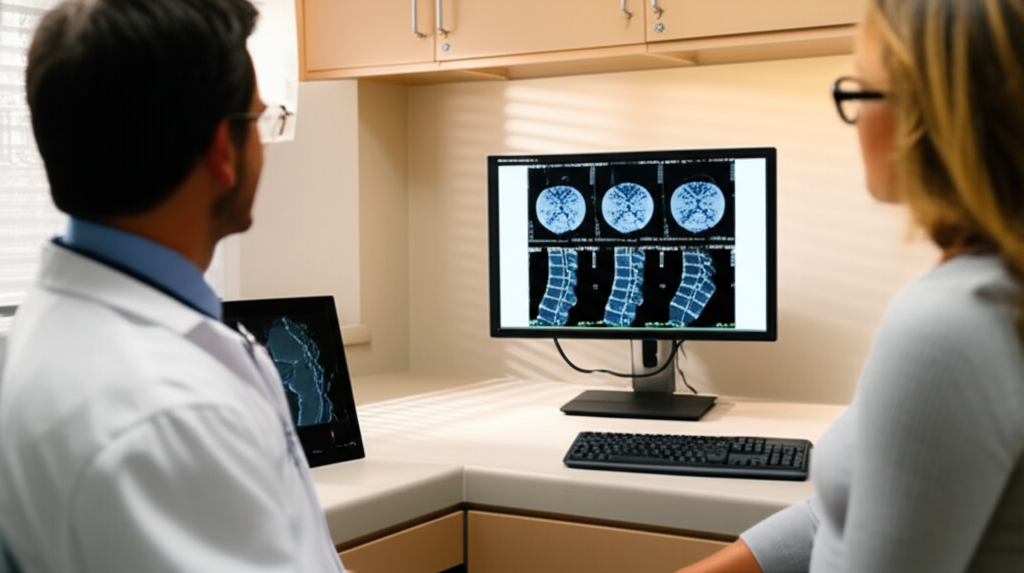
Understanding the Revolution in Spine Surgery
The landscape of spine surgery has transformed dramatically over the past two decades. What once required large incisions, extensive muscle disruption, and months of recovery can now often be accomplished through incisions smaller than an inch. For patients in Frisco and throughout the Dallas-Fort Worth area seeking relief from debilitating back or neck pain, minimally invasive spine surgery represents a paradigm shift in how we approach spinal conditions.
At Legent Surgical Hospital Plano, we’ve witnessed firsthand how these advanced techniques have changed patient outcomes. The benefits extend far beyond smaller scars—they fundamentally alter the surgical experience and recovery trajectory in ways that matter most to patients returning to work, family, and active lifestyles.
What Makes Minimally Invasive Spine Surgery Different?
Traditional open spine surgery typically requires a 5-6 inch incision and significant retraction of muscles away from the spine to access the problem area. This approach, while effective, creates substantial collateral tissue trauma that contributes to postoperative pain and prolonged healing.
Minimally invasive techniques utilize specialized instruments, advanced imaging technology, and surgical expertise to access the spine through much smaller openings—often just 1-2 centimeters. Rather than cutting through muscle tissue, surgeons use tubular retractors that gently separate muscle fibers, creating a working corridor to the spine while preserving surrounding tissue integrity.
This muscle-sparing approach is the foundation for nearly all the benefits patients experience with minimally invasive procedures.
Primary Benefits of Minimally Invasive Spine Surgery
Reduced Tissue Trauma and Muscle Preservation
The paraspinal muscles that support your spine are critical for stability and function. In traditional surgery, these muscles are often stripped away from the bone and held aside with retractors for extended periods, leading to denervation, atrophy, and chronic pain in some cases.
Minimally invasive approaches preserve muscle integrity by working through natural tissue planes. This preservation translates to:
- Less postoperative pain and reduced narcotic requirements
- Maintained spinal stability and muscular support
- Lower risk of chronic back pain following surgery
- Faster return to physical activity and exercise
Minimal Blood Loss
Smaller incisions and less tissue disruption naturally result in reduced bleeding during surgery. Most minimally invasive spine procedures result in blood loss of less than 50-100 mL, compared to 200-1000 mL in traditional approaches. This significant difference means:
- Reduced need for blood transfusions
- Lower risk of transfusion-related complications
- Better visualization for surgeons during the procedure
- Decreased risk of postoperative anemia
Shorter Hospital Stays
Many minimally invasive spine procedures can be performed on an outpatient basis or with just an overnight stay at our Plano facility. Conditions like herniated disc, spinal stenosis, and certain cases of degenerative disc disease that once required 3-5 day hospitalizations now frequently allow patients to recover at home within 24 hours.
Shorter hospitalizations provide multiple advantages:
- Reduced exposure to hospital-acquired infections
- Lower overall medical costs
- Faster return to familiar surroundings and family support
- Decreased time away from work and responsibilities
Significantly Faster Recovery Time
Perhaps the most valued benefit for active individuals in Frisco and surrounding communities is the dramatically accelerated recovery timeline. While traditional spine surgery often requires 3-6 months before returning to full activity, minimally invasive approaches typically allow:
- Walking within hours of surgery
- Return to desk work within 1-2 weeks
- Light exercise and daily activities within 2-4 weeks
- Full return to physical work and athletics within 6-12 weeks
Dr. Scott C. Kutz notes that this accelerated recovery isn’t just about getting back to normal faster—it’s about maintaining physical conditioning and avoiding the deconditioning that occurs during prolonged recovery periods.
Lower Infection Risk
Surgical site infections remain a concern in any procedure, but minimally invasive techniques offer inherent protective advantages. Smaller incisions mean:
- Less exposed tissue and reduced bacterial exposure
- Shorter operative times in many cases
- Less tissue devitalization that can harbor infection
- Infection rates typically 1-2% compared to 2-5% in open surgery
Reduced Scarring and Cosmetic Benefits
While cosmetic considerations shouldn’t drive surgical decisions, the reality is that smaller incisions create less noticeable scars. For many patients, particularly younger individuals or those who value athletic or active beach lifestyles, minimal scarring provides psychological benefits alongside the physical advantages.
Preserved Spinal Stability
Because minimally invasive techniques work through smaller access points, surgeons must be more selective and precise about which structures are addressed. This precision often means preserving more of the spine’s natural architecture, including:
- Facet joints that provide stability
- Ligaments that support spinal motion
- Bone structures that maintain alignment
For conditions like foraminal stenosis or bulging disc, this preservation-focused approach reduces the risk of future instability and adjacent segment disease.
Conditions Effectively Treated with Minimally Invasive Approaches
Not every spine condition requires or is suitable for minimally invasive surgery, but the range of treatable conditions has expanded significantly. At Legent Spine, we routinely use these advanced techniques for:
- Herniated discs and ruptured discs causing sciatica
- Spinal stenosis in the lumbar or cervical spine
- Degenerative disc disease requiring fusion or disc replacement
- Spondylolisthesis with spinal instability
- Vertebral compression fractures from osteoporosis
- Select cases of spinal tumors
- Facet disease and joint problems
Dr. Tanya Dixon emphasizes that patient selection remains crucial—not every patient or condition is appropriate for minimally invasive techniques, and traditional approaches still have important roles in complex cases.
Real-World Impact: What Patients Experience
The clinical benefits translate into tangible quality-of-life improvements for patients in Frisco and throughout our service area:
Professional Impact
Business professionals and office workers typically return to desk work within 1-2 weeks rather than 6-8 weeks. For those with physically demanding jobs, the accelerated recovery means less income disruption and reduced need for extended disability leave.
Family Life
Parents recovering from minimally invasive procedures can often resume childcare responsibilities much sooner. The reduced pain and faster mobility mean less dependence on family members for daily assistance.
Athletic Pursuits
Active individuals passionate about golf, tennis, cycling, or gym training appreciate the ability to resume conditioning exercises within weeks rather than months. This faster return helps prevent the significant fitness loss associated with prolonged recovery periods.
Potential Limitations and Considerations
While the benefits are substantial, minimally invasive spine surgery isn’t universally superior for all situations. Important considerations include:
- Complexity limitations: Severe deformities or multi-level problems may still require traditional approaches
- Revision surgery challenges: Previous surgery can create scar tissue that complicates minimally invasive access
- Surgeon expertise requirement: These techniques demand specialized training and experience
- Learning curve considerations: Not all spine surgeons have equivalent experience with advanced minimally invasive methods
For conditions like failed back surgery syndrome or complex spinal deformity, a thorough evaluation is essential to determine the optimal approach.
The Technology Behind the Benefits
Several technological advances enable the benefits of minimally invasive spine surgery:
Advanced Imaging
Intraoperative fluoroscopy, navigation systems, and sometimes CT or MRI guidance allow surgeons to precisely navigate to target areas through small incisions with real-time visualization.
Specialized Instruments
Tubular retractors, endoscopes, microscopes, and custom-designed instruments allow surgeons to work effectively through limited access points while maintaining excellent visualization.
Biological Augmentation
Bone graft substitutes, biologics, and advanced implant materials facilitate fusion and healing through minimally invasive approaches that once required larger exposures for graft placement.
When to Consider Minimally Invasive Spine Surgery
If you’re experiencing persistent back pain, neck pain, radiculopathy, or other spine-related symptoms that haven’t responded to conservative treatment, you may be a candidate for minimally invasive surgery.
Consider consultation if you experience:
- Persistent pain lasting more than 6-12 weeks despite physical therapy and medication
- Progressive neurological symptoms like weakness or numbness
- Significant functional limitations affecting work or quality of life
- Imaging studies showing structural problems like disc extrusion or stenosis
- Cauda equina syndrome or other urgent conditions
Why Choose Legent Spine for Minimally Invasive Surgery
Location matters when selecting a spine surgery center. Our Plano facility serves Frisco and surrounding communities with several distinct advantages:
Specialized Expertise
Our surgeons focus exclusively on spine care and have completed advanced fellowship training in minimally invasive techniques. This specialization means we stay at the forefront of surgical innovations and perform these procedures regularly, not occasionally.
State-of-the-Art Facility
Legent Surgical Hospital Plano features dedicated operating rooms equipped with the latest imaging technology, navigation systems, and specialized instruments required for advanced minimally invasive procedures.
Multidisciplinary Approach
We don’t view surgery as the first option—our comprehensive evaluation includes physical therapy, interventional pain management, and conservative care options. When surgery becomes necessary, you can trust it’s the right decision.
Proven Outcomes
We track patient outcomes systematically, ensuring our results match or exceed national benchmarks for complication rates, reoperation rates, and patient satisfaction scores.
Taking the Next Step
Living with chronic spine pain affects every aspect of life—from career performance to family activities to simple daily tasks. While the prospect of surgery can feel daunting, minimally invasive techniques have transformed the risk-benefit equation for many patients.
The combination of smaller incisions, reduced tissue trauma, faster recovery, and excellent outcomes means that surgery is no longer a last resort to be avoided at all costs—it’s a viable option that can restore quality of life with minimal disruption.
If you’re considering spine surgery or have been told you need a procedure, explore whether minimally invasive approaches might be appropriate for your specific condition. A comprehensive evaluation at our Plano facility, conveniently located near Frisco, can help you understand your options and make an informed decision about your spine care.
Contact Legent Spine today to schedule a consultation with our fellowship-trained spine specialists. We’ll review your imaging studies, discuss your symptoms and goals, and develop a personalized treatment plan that prioritizes your fastest, safest return to the active life you value.