
Introduction: Understanding Broken Back Injuries
A broken back—medically known as a spinal fracture—represents one of the most serious injuries a person can experience. These injuries range from minor compression fractures that heal with rest and bracing to severe fractures requiring surgical intervention.
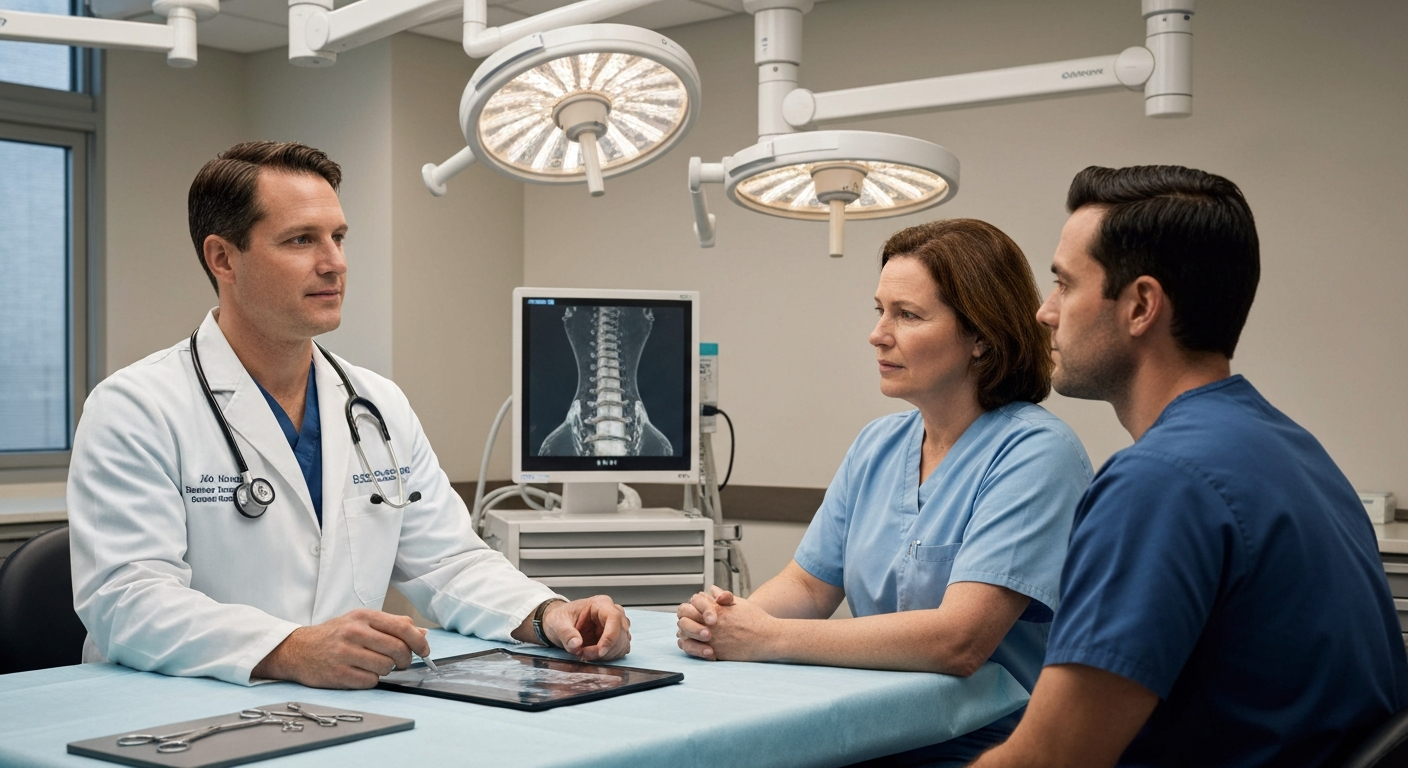
Understanding the type of spinal fracture you have is essential for making informed treatment decisions and setting realistic expectations for recovery.
The good news? Not all broken backs require surgery. Many patients achieve excellent recovery with proper medical care.
Whether your injury resulted from a motor vehicle accident, a fall, or another traumatic event, expert spine care can help restore function and reduce pain. If you’re seeking comprehensive information about every patient broken back treatment recovery, understanding the fundamentals of spinal fractures is your first step toward making informed decisions about your care.
making them a significant concern in trauma care. At Legent Spine, our board-certified spine surgeons provide personalized evaluation and treatment for patients throughout the Dallas area.
This comprehensive guide will help you understand the types of spinal fractures, recognize symptoms, and learn about treatment options available to help you recover.
What Is a Broken Back? Defining Spinal Fractures
A broken back involves a fracture—or break—in one or more of the vertebrae. These are the individual bones that stack on top of each other to form your spinal column, the protective structure surrounding your spinal cord.
It’s important to distinguish spinal fractures from other common back problems. Unlike muscle strains, ligament sprains, or broken vertebrae in back disc herniations, a spinal fracture involves actual damage to the bone structure itself.
The severity of these fractures varies dramatically—from hairline cracks that may heal with rest and bracing to complete fractures where the vertebra collapses or breaks into multiple fragments.
The spinal cord runs through the center of each vertebra in a protected channel called the spinal canal. When a vertebra fractures, bone fragments or structural instability could compress the spinal cord or nerve roots, leading to neurological symptoms. This is why proper evaluation and treatment of spinal fractures is so critical.
Each region has unique characteristics and vulnerabilities.
with many related to osteoporosis in older adults.
Types of Spinal Fractures
Understanding the type of spinal fracture you have is crucial for determining the appropriate treatment approach. Spine specialists classify fractures based on the mechanism of injury and the structural damage to the vertebra.
Compression Fractures
Compression fractures occur when the front portion of a vertebra collapses, creating a wedge-shaped bone. These are the most common type of spinal fracture, particularly in individuals with osteoporosis.
The back of the vertebra typically remains intact, and the spinal canal is usually not compromised.
Burst Fractures
Burst fractures are more severe injuries where compressive forces cause the entire vertebra to collapse.
These fractures typically result from high-impact trauma such as falls from significant heights or motor vehicle accidents.
Flexion-Distraction (Chance) Fractures
Chance fractures result from extreme forward bending combined with pulling forces on the spine. These fractures commonly occur in high-impact vehicle accidents, particularly when lap-only seatbelts are worn, as the spine flexes forward over the belt during sudden deceleration.
The fracture line can extend through bone and surrounding ligaments.
Stable Versus Unstable Fractures
Perhaps the most important classification is whether a fracture is stable or unstable. Stable fractures maintain proper alignment and are unlikely to shift or cause spinal cord damage.
Unstable fractures involve damage to multiple columns of the spine, creating risk of displacement and neurological injury. This distinction significantly influences treatment decisions, determining whether conservative management or surgical stabilization is necessary.
Segments of the Spine and How Location Matters
The location of a spinal fracture dramatically affects both symptoms and treatment approaches. Each region of the spine supports different neurological functions and bears varying amounts of mechanical stress.
Cervical spine (neck) fractures are among the most serious because they can affect the arms, hands, and in severe cases, breathing muscles.
Even less severe cervical fractures require careful management due to proximity to vital structures.
Thoracic spine (mid-back) fractures can affect the trunk, chest wall muscles, and breathing function. Because the thoracic spine is relatively stable due to rib cage support, fractures in this region often result from significant trauma.
The spinal canal is narrower in the thoracic region, making spinal cord compression a particular concern.
Lumbar spine (lower back) fractures are the most common spinal fractures. Lumbar spine fractures occur in approximately 40% of all spinal fracture cases.
These injuries can affect leg function, walking ability, and bowel or bladder control if nerve roots are compressed. The lumbar spine bears significant weight and stress, making it vulnerable to both traumatic and osteoporotic fractures.
The fracture location determines not only immediate symptoms but also recovery timeline and rehabilitation needs. For Dallas area patients seeking care, understanding broken back means treated in the context of your specific fracture location and characteristics.
Symptoms of a Broken Back
Recognizing the symptoms of a spinal fracture is essential for seeking timely medical care. The presentation varies depending on fracture severity, location, and whether neurological structures are affected.
The most common symptom is immediate, severe back pain at the injury site. This pain typically worsens with movement and may be described as sharp or stabbing. Unlike muscle strains that develop gradually, fracture pain usually begins suddenly at the time of injury.
Neurological symptoms indicate potential spinal cord or nerve root involvement and require immediate medical evaluation.
These symptoms may affect the arms, legs, or both, depending on fracture location.
Loss of bladder or bowel control represents a medical emergency called cauda equina syndrome when it occurs with lumbar fractures. This requires immediate intervention to prevent permanent dysfunction.
Difficulty breathing can occur with upper thoracic or cervical spine fractures, as these injuries may affect the muscles controlling respiration. Any breathing difficulty following spinal trauma requires emergency care.
Visible deformity or severe bruising over the spine suggests significant structural damage. Some patients may notice that their back appears differently shaped or that they’ve lost height due to vertebral collapse.
It’s important to understand that. Never assume that less severe pain means a less serious injury—proper medical evaluation is essential.
DFW residents should familiarize themselves with broken back symptoms every dfw resident should recognize.
What Causes Spinal Fractures?
Understanding how spinal fractures occur can help patients and their families comprehend the injury mechanism and potentially prevent future injuries.
High-impact motor vehicle accidents remain one of the leading causes of traumatic spinal fractures. Motor vehicle accidents and falls from significant heights are the leading causes of traumatic spinal fractures in adults under age 65.
The sudden deceleration and impact forces can exceed the spine’s structural capacity, particularly at the thoracolumbar junction where the more flexible lumbar spine meets the rigid thoracic spine.
Falls from height or even severe falls from standing in elderly individuals can cause fractures. Construction workers, roofers, and others working at elevation face particular risk. In the Dallas area’s growing construction industry, workplace safety measures are essential for prevention.
Sports injuries, particularly in contact sports like football, hockey, and rugby, can result in spinal fractures. Diving accidents in shallow water represent another common sports-related cause, particularly during Texas summers when swimming and water activities are popular.
Osteoporosis-related compression fractures account for a significant percentage of spinal fractures.
What makes these particularly concerning is that.
Direct blunt force trauma to the back from assaults, falling objects, or industrial accidents can fracture vertebrae. Workplace injuries in Greater Dallas’s industrial sectors, including manufacturing, warehousing, and logistics, sometimes involve spinal trauma.
Can You Walk With a Broken Back?
This is one of the most common questions patients ask. The answer depends on several factors specific to your injury.
The ability to walk with a spinal fracture primarily depends on fracture location, severity, and stabilityStable fractures that don’t involve neurological structures often allow for some degree of mobility, though activities must be restricted and carefully managed.
Unstable fractures typically require strict immobilization to prevent displacement that could damage the spinal cord or nerve roots. These patients generally cannot walk safely until the fracture is stabilized, either through healing with bracing or through surgical intervention.
Neurological involvement significantly affects mobility. Fractures involving spinal cord compression or nerve damage typically require a period of complete immobilization before weight-bearing activities can safely resume.
Some patients with severe neurological injury may require extensive rehabilitation before walking becomes possible again.
Early rehabilitation and gradual mobilization are important for optimal outcomes. However, this must be carefully coordinated with your spine specialist. Premature or inappropriate activity can worsen fractures or cause new neurological damage.
Every patient’s situation requires individualized assessment to determine safe mobilization protocols.
Treatment Options for Broken Back Injuries
Treatment for spinal fractures ranges from conservative management to advanced surgical techniques. The approach depends on multiple factors including fracture type, stability, neurological involvement, and individual patient characteristics.
Conservative Treatment
For stable fractures without neurological compromise, conservative treatment is often successful. This approach includes:
- Bracing and immobilization: Custom or off-the-shelf braces restrict motion to allow fracture healing while maintaining proper alignment
- Pain management: Medications help control discomfort during the healing process
- Activity modification: Avoiding lifting, bending, and twisting protects the healing vertebra
- Early physical therapy: Gentle exercises maintain muscle strength and flexibility without stressing the fracture site
What works well for one patient may not be appropriate for another with a seemingly similar fracture.
Minimally Invasive Surgical Options
When conservative treatment isn’t appropriate or sufficient, minimally invasive techniques offer effective solutions with smaller incisions and faster recovery compared to traditional open surgery.
Options include:
- Vertebroplasty and kyphoplasty: These procedures stabilize compression fractures by injecting bone cement into the collapsed vertebra
- Minimally invasive decompression: Removes bone fragments or tissue compressing nerves or spinal cord
- Percutaneous fixation: Places screws and rods through small incisions to stabilize unstable fractures
Spinal Fusion Procedures
For unstable fractures or injuries with significant structural damage, spinal fusion surgery may be necessary. This procedure permanently connects two or more vertebrae, eliminating motion at the fractured segment and providing stability for healing.
Modern techniques allow many fusion procedures to be performed through minimally invasive approaches.
At Legent Spine, our fellowship-trained surgeons provide comprehensive evaluation to determine the most appropriate treatment for your specific fracture. We emphasize minimally invasive techniques whenever possible to reduce recovery time and surgical trauma.
Recovery and Rehabilitation After a Broken Back
Recovery from a spinal fracture is a process that requires patience, dedication, and professional guidance. Understanding realistic timelines helps set appropriate expectations.
For stable fractures treated conservatively, though pain improvement often occurs sooner. During this period, bracing and activity restrictions protect the healing vertebra.
Unstable fractures or those requiring surgery generally have longer initial recovery periods.
Rehabilitation begins early in the recovery process, sometimes even before complete fracture healing.
Physical therapists work with patients to:
- Restore range of motion safely
- Rebuild core and back muscle strength
- Improve balance and coordination
- Retrain proper movement patterns
- Progress activity levels appropriately
Return to full work duties and recreational activities typically requires 3-6 months for stable fractures and potentially longer for surgical cases, depending on job physical demands, activity level, and fracture severityConstruction workers, manual laborers, and others with physically demanding occupations may require extended recovery before returning to full duty.
Ongoing monitoring throughout recovery is essential. Your spine specialist will schedule follow-up appointments with repeat imaging to confirm proper healing and absence of complications.
Some patients may require modifications to their activities or work duties even after primary healing is complete.
When to Seek Expert Spine Care in Dallas
Knowing when to seek specialized spine care can significantly impact your recovery outcome and long-term function.
Seek immediate emergency care if you experience severe trauma with back pain, any neurological symptoms like numbness or weakness, loss of bowel or bladder control, or difficulty breathing. Emergency departments can provide initial stabilization and diagnostic imaging.
After initial emergency evaluation and stabilization, consult a board-certified spine specialist for comprehensive assessment and treatment planning.
At Legent Spine, our spine surgeons provide expert evaluation using advanced imaging technology and comprehensive neurological assessment. We develop personalized treatment plans that consider your specific fracture characteristics, overall health, activity goals, and individual circumstances.
Our dedicated care coordinators guide you through every step of your recovery journey.
For Dallas area residents seeking expert spine care, having access to fellowship-trained specialists who understand both conservative and surgical treatment options ensures you receive appropriate care recommendations. Whether you need a back surgeon in plano tx 4 or prefer consultation at another location, specialized spine care should be easily accessible.
Don’t delay seeking evaluation if you’ve experienced a potential spinal fracture. Early diagnosis and appropriate treatment initiation provide the best opportunity for optimal recovery.
Conclusion: Your Path Forward After a Broken Back
Broken back injuries encompass a wide spectrum of severity, from minor compression fractures that heal with conservative care to severe unstable fractures requiring surgical intervention. The key to successful recovery lies in accurate diagnosis, appropriate treatment selection, and committed participation in rehabilitation.
Expert spine evaluation guides treatment decisions that are tailored to your specific fracture type, neurological status, and individual circumstances. Many patients achieve excellent recovery with proper medical care—whether through conservative treatment or surgical intervention when necessary.
The evidence clearly supports that early intervention and specialized spine care improve outcomes significantly. Understanding your injury, following treatment recommendations, and actively engaging in rehabilitation all contribute to successful recovery.
Personalized treatment plans that consider your fracture characteristics, health status, and functional goals provide the foundation for optimal results.
If you or a loved one has sustained a spinal fracture, comprehensive spine care is available right here in the Dallas area. At Legent Spine, our board-certified spine surgeons combine advanced medical expertise with compassionate, patient-centered care.
Our team is committed to helping you understand your injury, explore all treatment options, and develop a recovery plan that aligns with your goals.
Contact Legent Spine today to schedule a comprehensive evaluation. Our dedicated care coordinators will help you navigate the process from initial consultation through treatment and recovery.
With world-class spine care available locally, you don’t have to face a broken back injury alone—expert help is here to support your path to recovery.