
Choosing the right neurosurgeon for your spine condition is one of the most important healthcare decisions you’ll make. For patients throughout the Greater Dallas area, understanding the credentials and qualifications that distinguish exceptional spine specialists helps ensure you receive the highest standard of care. When you’re preparing to see a board-certified neurosurgeon for spine care, knowing what to look for in training, experience, and surgical approach empowers you to make informed choices about your treatment.
The decision to undergo spine surgery requires careful consideration and confidence in your surgeon’s expertise. Board certification, fellowship training, and experience with advanced techniques like minimally invasive surgery all contribute to better patient outcomes. This guide will help you understand the credentials that matter most and provide practical advice for Dallas spine patients choosing the right neurosurgeon for their specific condition.
Understanding Neurosurgery and Spine Specialization
Neurosurgeons are medical doctors who specialize in diagnosing and treating complex conditions affecting the nervous system, including the brain, spinal cord, and peripheral nerves. When it comes to spine care, board-certified neurosurgeons possess unique expertise to address both the structural components of the spine and the delicate neural elements that run through it.
The path to becoming a board-certified neurosurgeon is exceptionally rigorous. during which they gain extensive experience in both cranial and spinal surgery. Many neurosurgeons pursue additional fellowship training specifically in spine surgery, adding to their education.
Board certification represents a critical milestone in a neurosurgeon’s career. The American Board of Neurological Surgery requires candidates to pass comprehensive written and oral examinations demonstrating expertise in diagnosing and treating neurosurgical conditions. This certification process ensures that neurosurgeons meet nationally recognized standards for knowledge, skill, and professional competence.
Over the past two decades, advances in minimally invasive techniques have transformed spine surgery. Modern neurosurgeons trained in these approaches can often achieve excellent outcomes while minimizing tissue disruption, reducing recovery time, and helping patients return to their daily activities more quickly than traditional open surgery methods allowed.
Key Credentials and Qualifications to Look For
When evaluating potential spine surgeons in the Dallas area, several key credentials indicate exceptional training and expertise. Understanding these qualifications helps you identify surgeons who have dedicated themselves to mastering their craft through education, examination, and ongoing professional development.
Board certification by the American Board of Neurological Surgery (ABNS) represents the gold standard in neurosurgical training. Board certification in neurosurgery is recognized by all major U.S. medical licensing boards and is required for hospital credentialing. This credential confirms that a surgeon has completed the required training, demonstrated clinical competence, and passed rigorous examinations covering all aspects of neurosurgical care.
Fellowship training in spine surgery demonstrates specialized expertise beyond general neurosurgery. Surgeons who complete spine fellowships dedicate additional years to studying spinal anatomy, pathology, and advanced surgical techniques under the guidance of experienced mentors. This focused training prepares them to handle even the most complex spinal conditions with confidence and precision.
The FAANS designation—Fellow of the American Association of Neurological Surgeons—. Surgeons who hold this designation have demonstrated excellence in their field and maintain active involvement in professional development and advancement of neurosurgical care.
Years of experience matter, particularly with specific procedures relevant to your condition. A surgeon who has performed hundreds of minimally invasive spine procedures brings a depth of knowledge that benefits every patient. Hospital privileges at reputable Dallas-area medical centers also indicate that a surgeon has met institutional standards for quality and safety.
At Legent Spine, our fellowship-trained specialists like Dr. Ricky Kalra and Dr. Duane Pitt bring extensive credentials and years of experience treating complex spine conditions throughout the Greater Dallas area.
The Importance of Minimally Invasive Techniques
The development of minimally invasive spine surgery has revolutionized patient care and recovery outcomes. Understanding the difference between traditional open surgery and minimally invasive approaches helps you appreciate why surgical technique matters as much as surgeon credentials.
Minimally invasive spine surgery uses specialized instruments and advanced imaging to perform procedures through. These smaller incisions result in less disruption to muscles and soft tissues surrounding the spine, which translates directly to patient benefits.
The advantages of minimally invasive techniques extend beyond cosmetic concerns about scar size. Less tissue trauma means reduced post-operative pain, shorter hospital stays, and a faster return to normal activities.
This accelerated recovery allows patients to resume work, family responsibilities, and recreational activities sooner, minimizing the overall impact of surgery on their lives.
Not all spine conditions are suitable for minimally invasive approaches. Complex deformities, revision surgeries, or certain types of spinal instability may require traditional open techniques to achieve optimal results. Surgeons who are trained in both approaches can objectively recommend the best method for your specific condition rather than defaulting to a one-size-fits-all solution. For more information, see our page on best spine surgeon in plano tx.
Finding a Spine Specialist in the Greater Dallas Area
The Dallas-Fort Worth metroplex provides access to numerous healthcare options, including several board-certified neurosurgeons and spine specialists. Taking a methodical approach to finding the right surgeon ensures you receive care from a qualified professional who meets your specific needs. For more information, see our page on expect seeing board certified neurosurgeon spine care.
Start by verifying credentials through official sources. This online resource provides transparent information about every licensed physician in Texas, allowing you to confirm that potential surgeons maintain active, unrestricted medical licenses.
Similarly,. This independent verification confirms that a surgeon has met national standards for neurosurgical training and expertise.
Patient reviews and testimonials offer valuable insights into a surgeon’s communication style, office environment, and treatment approach. While individual experiences vary, patterns in feedback can reveal important information about how surgeons interact with patients and address concerns throughout the treatment process.
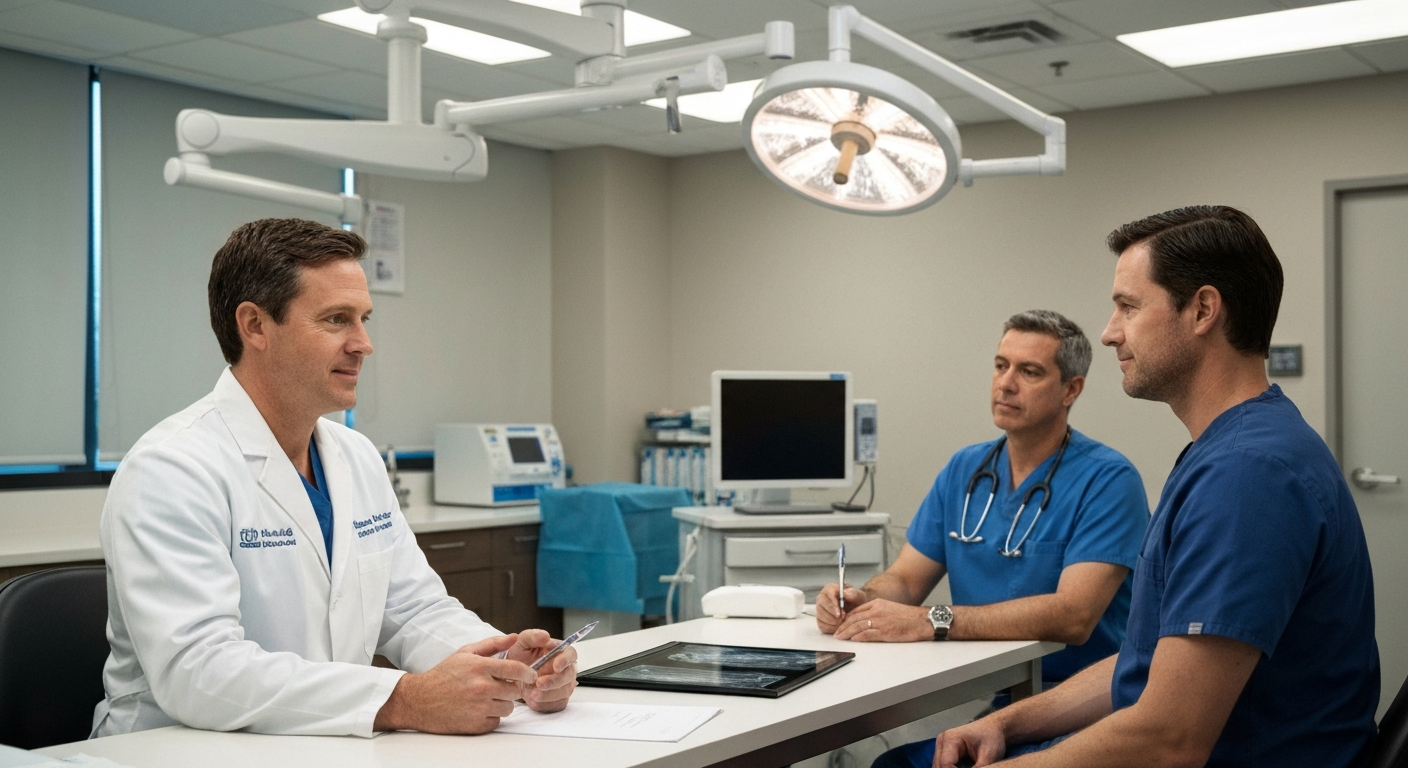
Consider scheduling consultations with multiple surgeons before making your final decision. Most spine specialists, including those at Legent Spine, offer initial consultations where you can meet the surgeon, discuss your condition, and ask questions about treatment options. These meetings help you assess whether you feel comfortable with a particular surgeon’s approach and communication style.
During consultations, ask specifically about the surgeon’s experience with your particular condition. Whether you’re dealing with a herniated disc, spinal stenosis, or another diagnosis, knowing that your surgeon has successfully treated many similar cases provides reassurance and confidence. For patients in Plano and surrounding communities, finding a surgeon with extensive local experience means access to care close to home.
Questions to Ask During Your Consultation
Coming prepared with specific questions helps you gather the information needed to make an informed decision about your spine care. The consultation represents your opportunity to understand not just the surgeon’s credentials, but also their approach to your particular situation.
- How many procedures of this type have you performed? Experience with your specific condition matters more than general surgical volume.
- What is your experience with minimally invasive techniques for my condition? Understanding whether minimally invasive surgery is appropriate for your case helps set realistic expectations.
- What are the realistic outcomes and recovery timeline for my situation? Honest answers about what to expect help you plan for surgery and recovery.
- What are potential complications, and how would you manage them? Every surgery carries risks; knowing how your surgeon handles complications demonstrates their preparedness.
- How will you communicate with me before, during, and after surgery? Clear communication channels ensure you feel supported throughout your treatment journey.
Pay attention not just to the answers but to how the surgeon responds to your questions. Do they take time to explain things clearly? Do they welcome questions or seem rushed? These interactions provide important clues about what your ongoing relationship with this surgeon might be like.
What Sets Apart Excellence in Spine Surgery
Beyond credentials and technical skill, certain qualities distinguish truly exceptional spine surgeons from those who are merely competent. These characteristics reflect a commitment to comprehensive, patient-centered care that extends beyond the operating room.
Transparent communication about risks, benefits, and realistic expectations forms the foundation of the physician-patient relationship. Excellent surgeons take time to ensure you understand your condition, the proposed treatment, and what outcomes you can reasonably expect. They discuss not only what surgery can accomplish but also its limitations.
Personalized treatment plans based on individual patient anatomy and condition demonstrate a surgeon’s commitment to tailored care rather than cookie-cutter approaches. Your spine is unique, and your treatment should reflect your specific anatomy, lifestyle, goals, and overall health status.
Access to comprehensive pre-operative evaluation ensures that surgery is performed safely and effectively. This thorough assessment allows surgeons to plan the most appropriate surgical approach and anticipate potential challenges.
Dedicated care coordination from initial consultation through recovery demonstrates organizational commitment to patient experience. At practices like Legent Spine, care coordinators help schedule appointments, answer questions, and ensure smooth communication between you and the surgical team throughout your treatment journey.
Follow-up protocols to monitor healing and adjust rehabilitation as needed show that a surgeon remains invested in your outcome long after surgery is complete. Regular post-operative visits allow your surgeon to track your progress, address any concerns, and modify your recovery plan to optimize results.
When to Seek Neurosurgical Consultation
Understanding when spine symptoms warrant consultation with a neurosurgeon helps ensure timely treatment while avoiding unnecessary surgery. Not every episode of back or neck pain requires surgical intervention, but certain warning signs indicate the need for specialist evaluation.
Persistent back or neck pain that doesn’t improve with conservative treatment deserves specialist attention. If your symptoms persist beyond this timeframe despite appropriate conservative care, consultation with a neurosurgeon can help determine whether structural problems are preventing healing.
Progressive neurological symptoms like weakness, numbness, or tingling in your arms or legs require prompt evaluation. These symptoms may indicate nerve compression that could lead to permanent damage if not addressed. Early intervention often leads to better outcomes in cases involving neural compression.
Imaging findings indicating structural problems like herniated discs, spinal stenosis, or instability may warrant neurosurgical consultation even if your symptoms are relatively mild. Understanding the full extent of your spinal condition helps you and your healthcare team make informed decisions about treatment timing and approach.
Failed previous spine surgery requiring revision treatment is another indication for neurosurgical consultation. Surgeons experienced in complex and revision spine surgery can evaluate why previous treatment was unsuccessful and determine the best path forward.
Traumatic spine injuries from accidents or falls require immediate evaluation by a spine specialist to assess stability and determine whether surgical stabilization is necessary to prevent further injury.
Making Your Decision: Finding the Right Surgeon for You
After gathering information about credentials, experience, and approach, you’re ready to make your decision about which surgeon will provide your spine care. This final step involves synthesizing everything you’ve learned and trusting your judgment about which surgeon is the right fit.
Verify board certification and fellowship training credentials through official sources like the American Board of Neurological Surgery and the Texas Medical Board. These verifications confirm that the information provided by the surgeon’s office is accurate and that the surgeon maintains active certification without disciplinary actions.
Review the surgeon’s experience with your specific condition and preferred surgical techniques. A surgeon who regularly performs the procedure you need brings depth of experience that translates to better outcomes. Don’t hesitate to ask directly about case volume for your particular diagnosis.
Assess communication style and comfort level during your consultation. You should feel heard, respected, and confident that your surgeon understands your concerns and goals. The surgeon-patient relationship works best when built on mutual trust and clear communication.
Consider hospital affiliations and support team availability. Surgeons who operate at well-equipped facilities with experienced support staff provide an additional layer of safety and quality. Similarly, practices that offer dedicated care coordination and readily available support staff make the treatment process smoother and less stressful.
Trust your instincts about physician-patient rapport. While credentials and experience are essential, your gut feeling about whether you connect with a surgeon matters too. You’re entrusting this person with your spine health, and feeling comfortable with your choice contributes to better outcomes and satisfaction with your care.
If you’re searching for board-certified neurosurgeons serving the Dallas area, Legent Spine offers comprehensive consultations where you can meet our fellowship-trained specialists, discuss your condition in detail, and learn about personalized treatment options. Our team combines exceptional credentials with a patient-centered approach that prioritizes your comfort, recovery, and long-term spine health. Contact us to schedule your consultation and take the first step toward relief from spine pain and improved quality of life.