
Introduction: Understanding Disc Extrusion
Back pain affects millions of Americans, and for many patients, a condition called disc extrusion is the root cause. If you’ve received this diagnosis, you might feel confused or worried about what it means for your future. Understanding what is a disc extrusion is the first step toward making informed decisions about your spine health and recovery.
Disc extrusions represent, yet many patients don’t fully understand what the diagnosis means or how serious is a disc extrusion in their specific case. Unlike minor disc bulges, an extrusion happens when the inner disc material breaks through the tough outer layer. This creates a more significant problem that may need specialized treatment.
The good news? With proper diagnosis and comprehensive care, most patients experience substantial improvement and return to their normal activities. Whether you’ve just received this diagnosis or you’re experiencing concerning symptoms, learning about disc extrusion helps you have meaningful conversations with your spine specialist.
If you’re experiencing persistent back pain, numbness, or weakness, consider seeking evaluation from a board-certified spine specialist who can provide personalized guidance.
What is Disc Extrusion?
To understand disc extrusion, picture the anatomy of your spine. Between each vertebra sits an intervertebral disc—a cushion-like structure that acts as a shock absorber.
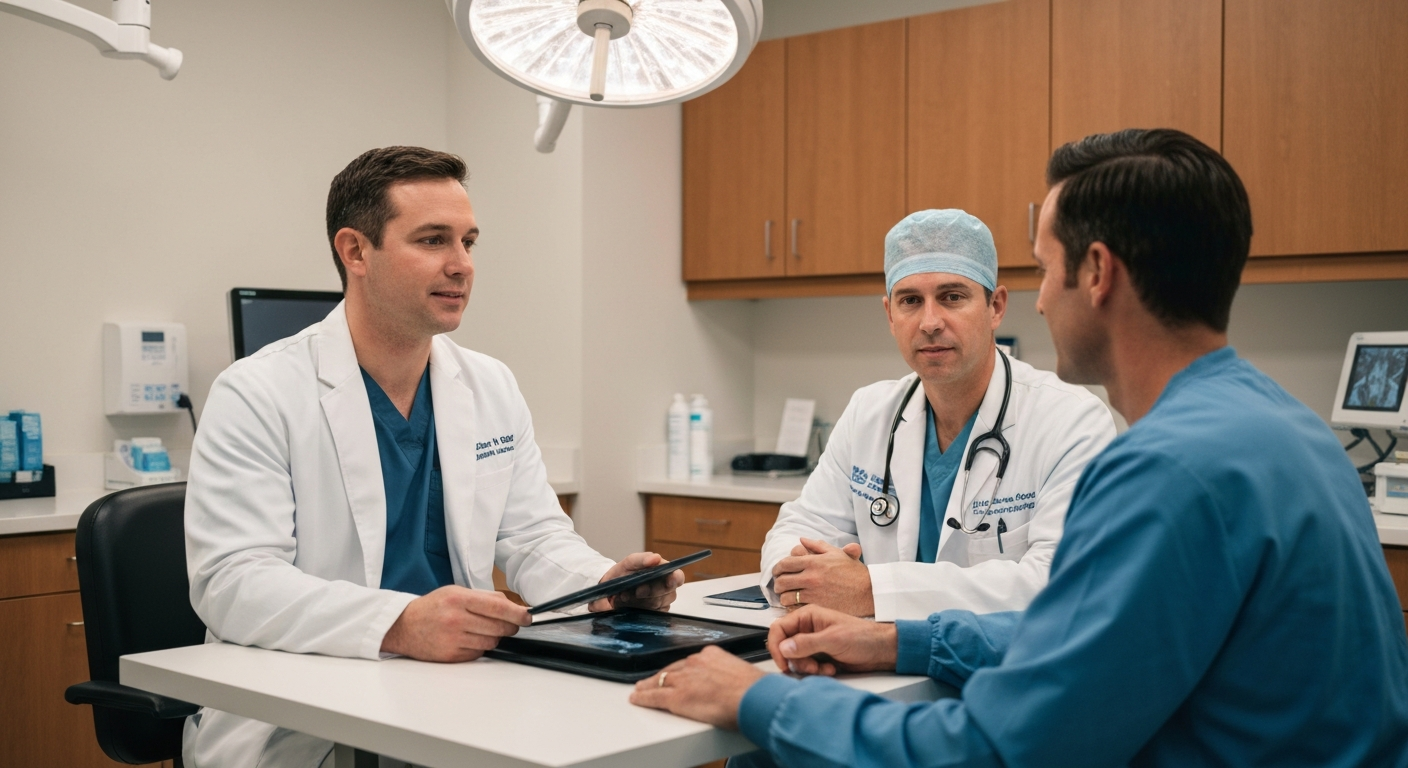
A disc extrusion occurs when the inner nucleus pulposus material breaks through the outer annulus fibrosus layer and extends beyond the normal disc boundaries. Think of it like a jelly donut where the filling has broken through the outer pastry and squeezed out. This extruded material can press against nearby spinal nerves, causing pain, numbness, or weakness in the areas those nerves serve.
The medical community classifies disc herniations into different categories based on how far the disc material has moved:
- Disc protrusion: The nucleus bulges outward but remains partially contained by the outer annulus fibers
- Disc extrusion: The nucleus has broken through the annulus but remains connected to the parent disc
- Disc sequestration: A fragment of disc material has separated completely from the parent disc
Understanding where your condition falls on this spectrum matters for treatment planning. Central disc extrusion every patient before surgical consideration should understand may require different approaches than lateral extrusions. Your spine specialist will use imaging studies to determine the exact nature, size, and location of your disc extrusion, which directly influences the recommended treatment approach and expected recovery timeline.
Common Causes of Disc Extrusion
Disc extrusion doesn’t typically happen overnight. It’s usually the result of progressive disc degeneration combined with specific triggering events. Understanding the causes can help you make lifestyle adjustments to prevent future problems.
Aging and disc degeneration represent the most common underlying factor. This degenerative process typically accelerates after age 30 and continues throughout life.
Acute trauma or injury can cause sudden disc extrusion in otherwise healthy discs. A single traumatic event, such as a fall, motor vehicle accident, or sports injury, can generate enough force to rupture the annulus and cause immediate extrusion. Many Dallas-area patients visiting Legent Spine report that their symptoms began after a specific incident—lifting something heavy, a car accident on I-35, or a slip and fall.
Repetitive stress and improper mechanics gradually weaken the disc structure over time. Workers in physically demanding jobs or those who frequently engage in activities requiring repetitive spinal motion face higher risk.
Additional contributing factors include:
- Genetic predisposition: Some individuals inherit disc structures more vulnerable to extrusion
- Sedentary lifestyle: Prolonged sitting and lack of core strength increase disc pressure
- Poor posture:
- Excess body weight: Additional load on the spine accelerates disc degeneration
- Smoking: Reduces blood flow to spinal structures and impairs healing
Recognizing Symptoms of Disc Extrusion
The symptoms of disc extrusion vary considerably depending on the location of the affected disc and whether the extruded material compresses nearby nerve structures. Understanding disc extrusion Dallas residents spine specialists encounter most often involves either cervical (neck) or lumbar (lower back) regions.
Localized pain at the affected spinal level is often the first symptom. This pain may feel sharp, burning, or aching. It typically worsens with certain movements, positions, or activities that increase pressure on the disc.
Radicular pain develops when extruded disc material compresses a spinal nerve root. The pattern of this radiating pain helps your spine specialist identify which disc level is involved:
- Cervical disc extrusions:
- Lumbar disc extrusions:
Neurological symptoms indicate more significant nerve compression and warrant prompt evaluation:
- Numbness or tingling in specific areas of the arms or legs
- Weakness in the affected extremity
- Loss of reflexes
- In severe cases, difficulty with bowel or bladder control (requires immediate medical attention)
such as sitting, bending forward, or lifting. Many patients report that symptoms improve when lying down or changing positions. If you’re experiencing persistent or worsening symptoms, especially neurological signs like weakness or numbness, professional evaluation by a board-certified spine specialist is essential.
Diagnosis: How Doctors Identify Disc Extrusion
Accurate diagnosis of disc extrusion requires a combination of clinical evaluation and advanced imaging studies. When you visit Legent Spine, your comprehensive evaluation begins with a detailed history and physical examination.
Physical and neurological examination helps your spine specialist understand the functional impact of your condition. Your doctor will test specific movements, check for areas of tenderness, and evaluate how well your nerves are functioning.
MRI (Magnetic Resonance Imaging) serves as the gold standard for visualizing disc extrusion. Unlike X-rays, which only show bones, MRI provides detailed images of soft tissues including discs, nerves, and ligaments. Your MRI report will describe the size, location, and direction of the extrusion.
CT (Computed Tomography) scans may be ordered in specific situations. Some patients receive CT myelography when MRI cannot be performed due to metal implants or other contraindications.
Additional diagnostic tools may include:
- X-rays: Show spinal alignment and bone structure
- EMG/Nerve conduction studies: Assess nerve function and identify which specific nerves are affected
- Discography: Occasionally used to determine if a specific disc is the pain source
Working with fellowship-trained spine specialists who regularly interpret these studies ensures accurate diagnosis and appropriate treatment recommendations tailored to your specific condition.
Treatment Options for Disc Extrusion
The treatment approach for disc extrusion follows a spectrum from conservative management to advanced surgical intervention. Most patients begin with non-operative care, which proves effective for the majority of cases.
Conservative Management
Your treatment plan may include several approaches working together to relieve symptoms and promote healing.
Physical therapy and rehabilitation form the cornerstone of conservative treatment. A structured therapy program strengthens core muscles, improves flexibility, and teaches proper body mechanics to reduce stress on the affected disc. Many Dallas-area patients working with Legent Spine-recommended physical therapists experience significant symptom improvement through targeted exercises and manual therapy techniques.
Medications help manage pain and inflammation during the healing process:
- Non-steroidal anti-inflammatory drugs (NSAIDs) reduce inflammation
- Muscle relaxants address muscle spasms
- Neuropathic pain medications treat nerve-related symptoms
- Short-term use of stronger pain medications when needed
Epidural steroid injections deliver anti-inflammatory medication directly to the affected area. While not a permanent solution, injections often provide the symptom relief needed for rehabilitation to be effective.
Surgical Intervention
Dallas patients disc extrusion spine health concerns bring to Legent Spine benefit from comprehensive surgical expertise when needed.
Minimally invasive discectomy represents the most common surgical approach for disc extrusion. Most patients go home the same day and experience immediate relief from nerve-related symptoms.
Traditional open surgery may be necessary for complex cases involving large extrusions, severe stenosis, or when fusion is required to stabilize the spine. Your spine surgeon will discuss which approach best addresses your specific anatomy and condition.
At Legent Spine, treatment decisions are always individualized. Your board-certified spine surgeon will thoroughly explain all options, answer your questions, and help you understand the risks and benefits of each approach before moving forward.
Recovery and Long-Term Outlook
Understanding what to expect during recovery helps you set realistic goals and stay motivated through the healing process. The timeline varies based on your treatment approach and individual healing capacity.
Conservative Treatment Recovery
The natural healing process often allows the body to reabsorb some of the extruded material while inflammation subsides. During this time, continue physical therapy as prescribed and gradually increase activity levels as symptoms improve.
Maintaining proper posture and body mechanics remains essential. Avoid activities that aggravate symptoms while working toward full recovery.
Surgical Recovery
Your recovery timeline depends on factors including your overall health, the extent of nerve compression before surgery, and how well you follow post-operative restrictions.
Post-surgical rehabilitation is crucial for optimal outcomes. Your dedicated care coordinator at Legent Spine will help you navigate the recovery process and ensure you have the resources and support needed for success.
Prevention and Long-Term Health
Preventing future disc problems requires ongoing commitment to spine health. Simple lifestyle changes can make a significant difference in protecting your spine long-term.
Key prevention strategies include:
- Maintain a healthy body weight to reduce spinal load
- Practice proper lifting techniques and body mechanics
- Stay physically active with regular exercise
- Strengthen core muscles to support the spine
- Use ergonomic principles at work and home
- Avoid prolonged sitting when possible
- Don’t smoke—it impairs disc nutrition and healing
Why Legent Spine Patients Choose Comprehensive Disc Extrusion Care
When you’re dealing with disc extrusion, choosing the right spine care team makes all the difference in your treatment experience and outcomes. Patients throughout the Greater Dallas area trust Legent Spine for several important reasons.
Our board-certified, fellowship-trained spine surgeons bring extensive specialized training and experience in treating the full spectrum of disc conditions. This expertise means accurate diagnosis, comprehensive treatment options, and surgical skill when intervention becomes necessary.
We emphasize minimally invasive techniques whenever appropriate, allowing faster recovery with less tissue disruption, smaller incisions, and reduced post-operative pain compared to traditional approaches. Our commitment to advanced surgical methods reflects our dedication to helping you return to your life as quickly and safely as possible.
Every patient receives a personalized comprehensive evaluation that considers your unique anatomy, symptoms, lifestyle, and treatment goals. We don’t believe in one-size-fits-all solutions—your care plan is designed specifically for you.
Our dedicated care coordinators guide you through every step of your journey, from initial consultation through treatment and recovery. Having a consistent point of contact who knows your case ensures smooth communication and answers to your questions when you need them.
Perhaps most importantly, we believe in honest, transparent communication about your diagnosis and all available treatment options. You’ll understand your condition, why we recommend specific treatments, and what to expect at each stage of care.
Conclusion: Taking the Next Step
Understanding disc extrusion provides the foundation you need to make informed decisions about your spine health. Whether your condition responds to conservative management or requires surgical intervention, knowing what you’re dealing with empowers you to be an active participant in your treatment.
Treatment options range from physical therapy and medications to advanced minimally invasive surgery, with most patients achieving excellent outcomes when care is properly matched to their condition. The key is accurate diagnosis, appropriate treatment selection, and working with experienced spine specialists who prioritize your individual needs.
Early professional evaluation prevents potential progression of symptoms and helps you start on the path to recovery sooner. If you’re experiencing back pain, radiating symptoms, or neurological changes that concern you, don’t wait to seek expert guidance.
The spine specialists at Legent Spine serve the Dallas-area community with world-class spine care combining advanced medical expertise with personalized attention. Our team is here to answer your questions, evaluate your condition thoroughly, and develop a treatment plan designed to get you back to the activities you enjoy.
If you’d like to learn more about your symptoms or schedule a comprehensive evaluation with one of our board-certified spine surgeons, we invite you to reach out to our team. Taking this step toward understanding and addressing your disc extrusion is an investment in your long-term health and quality of life.