
If you’re experiencing persistent back or neck pain, numbness, or weakness, you may be dealing with disc extrusion—a common yet often misunderstood spinal condition. Understanding what disc extrusion means and how board-certified spine specialists approach treatment can help you make informed decisions about your care. While recovery timelines vary based on individual circumstances and treatment approach, exploring comprehensive information about disc extrusion recovery time 6, disc extrusion recovery time 5, and related recovery factors can provide valuable context. At Legent Spine, our fellowship-trained surgeons help Dallas-area patients navigate disc extrusion diagnosis, treatment options, and personalized recovery planning with transparency and expert care.
Understanding Disc Extrusion: The Basics
Disc extrusion represents a specific type of spinal disc injury that occurs when. Think of your spinal disc as a jelly donut—when the soft center ruptures through the tougher outer layer, it creates an extrusion. Many patients have heard terms like herniated disc or slipped disc, which often refer to the same condition that spine specialists diagnose as disc extrusion.
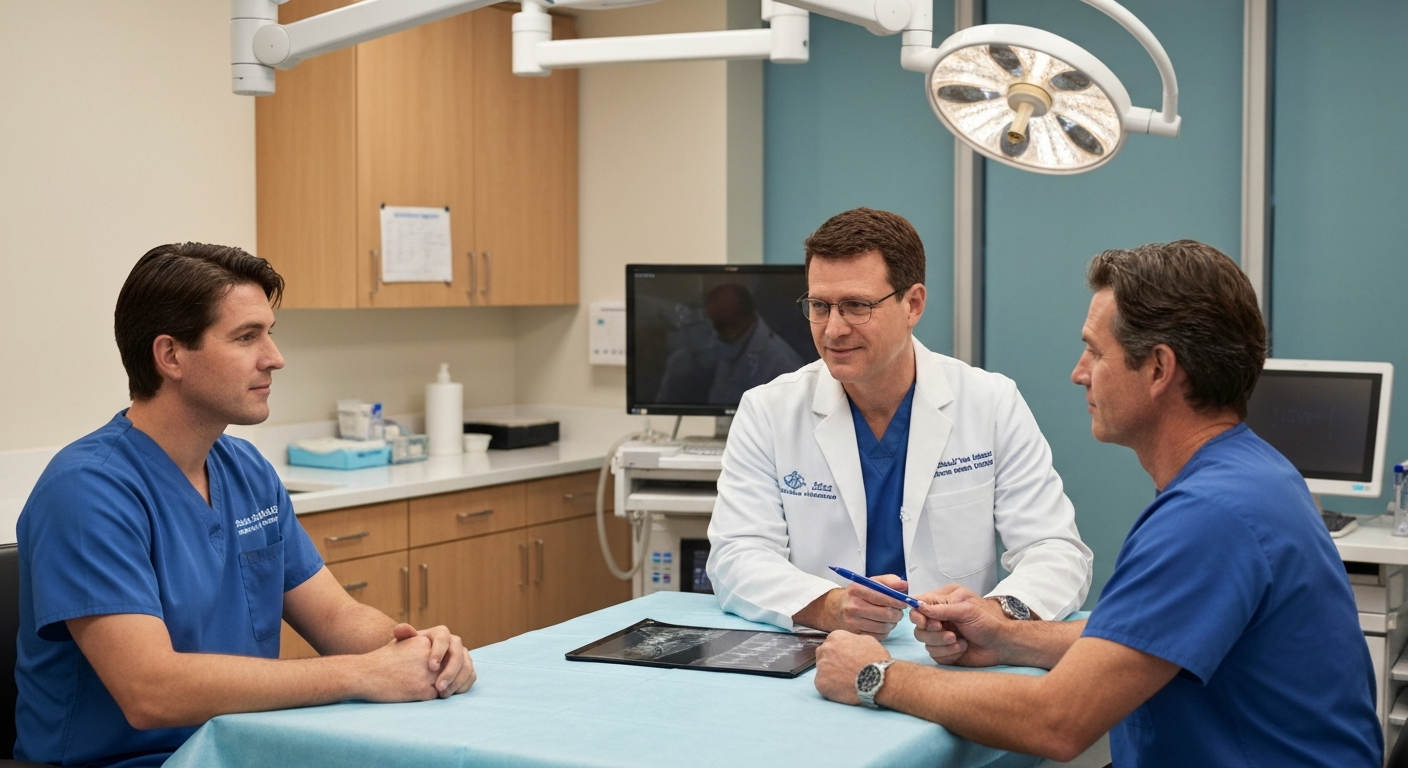
This condition can occur in any region of your spine. The cervical spine in your neck, thoracic spine in your mid-back, and lumbar spine in your lower back can all experience disc extrusion, though. What makes disc extrusion particularly problematic is that once disc material herniates through the outer layer, it can compress nearby nerves, leading to pain, numbness, tingling, or weakness.
Disc extrusion differs from a bulging disc in important ways. With a bulging disc, the outer layer remains intact while the disc extends beyond its normal boundaries. In contrast, extrusion involves an actual rupture or tear in the outer layer, allowing the inner material to escape. This distinction matters because it often influences the treatment approach your spine specialist recommends.
Common Causes and Risk Factors
Understanding what causes disc extrusion can help you recognize your risk factors and potentially prevent future problems. Age-related degeneration ranks among the most common causes, as. As we age, our spinal discs lose flexibility and become more vulnerable to injury.
Lifestyle factors play a significant role as well. Repetitive strain from poor posture, whether sitting at a desk in Dallas office buildings or standing for extended periods, gradually weakens the disc structure. Heavy lifting with improper technique poses particular risk—.
Additional risk factors include traumatic injuries from car accidents or falls, which are unfortunately common on busy Greater Dallas roadways. Obesity significantly increases your risk as well, since. A sedentary lifestyle weakens the supporting muscles around your spine, removing the natural protection these muscles provide. Some individuals also carry genetic predispositions to disc problems, meaning disc degeneration may run in families.
Symptoms You Should Never Ignore
Recognizing disc extrusion symptoms early allows for prompt treatment and better outcomes. The most common symptom is localized back or neck pain, but disc extrusion frequently causes radiating pain that travels down your arms or legs. meaning the pain follows specific nerve pathways. For example, a lumbar disc extrusion might cause pain radiating down your leg to your foot.
Numbness or tingling in your arms, hands, legs, or feet indicates nerve involvement and should never be dismissed. Similarly, muscle weakness affecting your mobility—such as difficulty lifting your foot or gripping objects—requires professional evaluation. You may notice that pain worsens with certain movements or positions. Sitting often aggravates lumbar disc extrusion, while specific neck positions may intensify cervical symptoms.
Some symptoms represent medical emergencies. If you experience loss of bladder or bowel control, severe pain unresponsive to rest, or rapidly progressing weakness, seek immediate medical attention.
When to Seek Specialist Care
Determining when to see a spine specialist rather than managing symptoms at home can be challenging. As a general guideline, pain lasting more than two to four weeks despite over-the-counter medications and rest warrants professional evaluation. Early intervention often leads to better outcomes and may prevent the need for more aggressive treatment.
Worsening neurological symptoms, including progressive numbness, tingling, or weakness, indicate that conservative home care isn’t addressing the underlying problem. When disc extrusion significantly limits your daily activities—whether that means difficulty working, caring for your family, or enjoying activities around the Dallas area—it’s time to consult a board-certified spine surgeon.
Early evaluation serves an important protective function. While not every disc extrusion requires immediate surgery, allowing nerve compression to continue unchecked can lead to irreversible damage. A comprehensive spine evaluation provides clarity about your condition’s severity and the most appropriate treatment path.
Diagnosis: How Spine Specialists Evaluate Disc Extrusion
When you visit Legent Spine for evaluation, our board-certified surgeons conduct a thorough assessment beginning with your medical history and detailed symptom review. Understanding when symptoms started, what makes them better or worse, and how they affect your daily life provides valuable diagnostic information.
The physical examination assesses your range of motion, posture, and specific movements that reproduce your symptoms. Your spine specialist may test reflexes at your knees and ankles, assess muscle strength in various muscle groups, and map areas of numbness or altered sensation.
Imaging studies confirm the diagnosis and reveal the extent of disc extrusion. MRI shows not only the extruded disc material but also nerve compression and any other spinal abnormalities.
For patients with significant nerve involvement,. These specialized tests measure how well your nerves conduct electrical signals, helping determine the severity of nerve damage and guiding treatment decisions. This comprehensive evaluation approach ensures your treatment plan addresses your specific condition rather than applying a one-size-fits-all solution.
Treatment Options: Conservative to Surgical
Disc extrusion treatment begins conservatively for most patients, as approximately 50-70% of patients with disc extrusion experience symptom improvement through conservative treatment within 6-12 weeks. This non-surgical approach includes physical therapy and targeted strengthening exercises designed to reduce pressure on affected nerves while supporting spinal stability.
Anti-inflammatory medications help reduce swelling around compressed nerves, while pain management strategies keep you comfortable during the healing process. Building strength in the muscles supporting your spine provides natural protection against future injury.
For patients who need additional relief, epidural steroid injections offer targeted intervention. These injections reduce inflammation around compressed nerves, often providing the pain relief necessary to participate effectively in physical therapy.
When conservative treatment doesn’t provide adequate relief after several weeks to months, or when neurological symptoms progress, minimally invasive surgical options become appropriate. At Legent Spine, our fellowship-trained surgeons specialize in advanced techniques that remove extruded disc material while preserving as much healthy tissue as possible.
Minimally Invasive Surgical Approaches
Modern spine surgery has evolved dramatically, with minimally invasive techniques offering significant advantages over traditional open procedures. This procedure uses specialized instruments and magnification to precisely remove only the extruded disc material causing nerve compression, leaving healthy tissue undisturbed.
Endoscopic techniques provide even less invasive options for appropriate candidates. These approaches use small cameras and specialized instruments inserted through tiny incisions, allowing surgeons to visualize and remove extruded disc material with minimal tissue disruption.
The benefits extend beyond smaller incisions. Patients typically experience less post-operative pain, reduced blood loss, shorter hospital stays, and faster return to daily activities compared to traditional surgery. Success rates for minimally invasive discectomy procedures range from 85-95% for appropriate surgical candidates. These fellowship-trained procedures require specialized training and experience, which is why choosing a board-certified spine surgeon matters for optimal outcomes.
Recovery from minimally invasive disc surgery typically follows a more comfortable and expedited timeline than open procedures, though individual experiences vary. Understanding factors that influence disc extrusion recovery time 4, disc extrusion recovery time 3, and disc extrusion recovery time 2 helps set realistic expectations.
Recovery and Rehabilitation After Treatment
Recovery timelines vary significantly depending on whether you pursue conservative or surgical treatment. For patients managing disc extrusion with non-surgical approaches, improvement often occurs gradually over several weeks to months. Consistency with physical therapy exercises and lifestyle modifications proves essential for optimal outcomes.
Following minimally invasive surgery, rehabilitation plays a critical role in your return to normal activities. Your rehabilitation program starts gently and progressively increases in intensity as healing occurs.
A graduated return to activities prevents re-injury while allowing you to regain strength and function. Your spine specialist provides specific guidelines about weight restrictions, activity modifications, and when you can safely resume work, exercise, and other activities. Physical therapy typically continues for several weeks to months after surgery, focusing on core strengthening, flexibility, and proper body mechanics.
Long-term spine health requires ongoing commitment to lifestyle modifications learned during rehabilitation. Core strengthening exercises reduce the risk of disc extrusion recurrence by 25-30% in long-term follow-up studies. Regular follow-up appointments with your spine specialist monitor your progress and address any concerns that arise during recovery.
Prevention: Protecting Your Spine Long-Term
Preventing disc extrusion or reducing recurrence risk involves consistent attention to spine health. Maintaining proper posture during daily activities—whether sitting at your desk, driving through Dallas traffic, or standing—reduces unnecessary stress on spinal discs. Strong core muscles act as a natural brace for your spine, distributing forces more evenly across spinal structures.
Maintaining a healthy body weight significantly reduces spinal load. Every extra pound increases the force your spine must support, particularly in the lower back.
Learning and consistently using proper body mechanics for lifting protects your discs during everyday activities. Proper lifting technique using leg muscles rather than the back reduces compressive forces on intervertebral discs by up to 50%. When lifting, keep the object close to your body, bend at your knees rather than your waist, and avoid twisting while holding weight.
Staying active with low-impact exercises like walking, swimming, or cycling maintains spinal flexibility and supporting muscle strength without excessive impact. For Dallas professionals spending hours at desks, ergonomic workspace setup—including proper chair height, monitor position, and keyboard placement—reduces postural strain.
Expert Care in the Greater Dallas Area
At Legent Spine, our board-certified spine surgeons bring fellowship-trained expertise to patients throughout the Greater Dallas area, including Arlington, Plano, and surrounding communities. This advanced training equips our surgeons with the knowledge and skills necessary to address even complex disc extrusion cases.
We believe in comprehensive evaluation and transparent treatment planning. Every patient receives an honest assessment of their condition and clear explanations of treatment options, from conservative care to advanced minimally invasive techniques. Our dedicated care coordinators guide you through each step of your journey, from initial consultation through recovery and follow-up care.
Multiple convenient locations throughout the Greater Dallas area ensure accessibility when you need spine care. We work with major insurance carriers to make expert treatment accessible, and our team handles authorization and billing questions so you can focus on recovery rather than paperwork.
If you’re experiencing back or neck pain, numbness, weakness, or other symptoms that may indicate disc extrusion, we encourage you to schedule a comprehensive evaluation. Early assessment provides clarity about your condition and opens the door to effective treatment. Contact Legent Spine today to take the first step toward relief and restored function with expert spine care you can trust.