
Introduction: What to Expect After Laminectomy
Undergoing laminectomy surgery in the Dallas-Fort Worth area is a significant step toward relieving chronic back and leg pain caused by spinal stenosis. While the procedure itself is straightforward, many patients wonder what happens next.
Understanding the laminectomy recovery time helps set realistic expectations. The good news is that recovery has become increasingly predictable with modern minimally invasive techniques.
Your recovery journey depends on following post-operative guidelines, maintaining open communication with your surgical team, and understanding what to expect week by week during laminectomy recoveryIf you’re considering your surgical options, you might also want to understand the differences between laminectomy vs spinal fusion procedures.
At Legent Spine, our board-certified spine surgeons provide comprehensive care from diagnosis through complete recovery. We understand that the post-operative period can feel overwhelming, which is why we’ve created this guide to help Greater Dallas patients navigate their recovery journey with confidence.
The First Days After Surgery: What to Expect
The immediate post-operative period can feel uncomfortable, but knowing what’s normal helps reduce anxiety. You’ll likely spend several hours in the recovery room before being cleared to go home the same day or after an overnight observation.
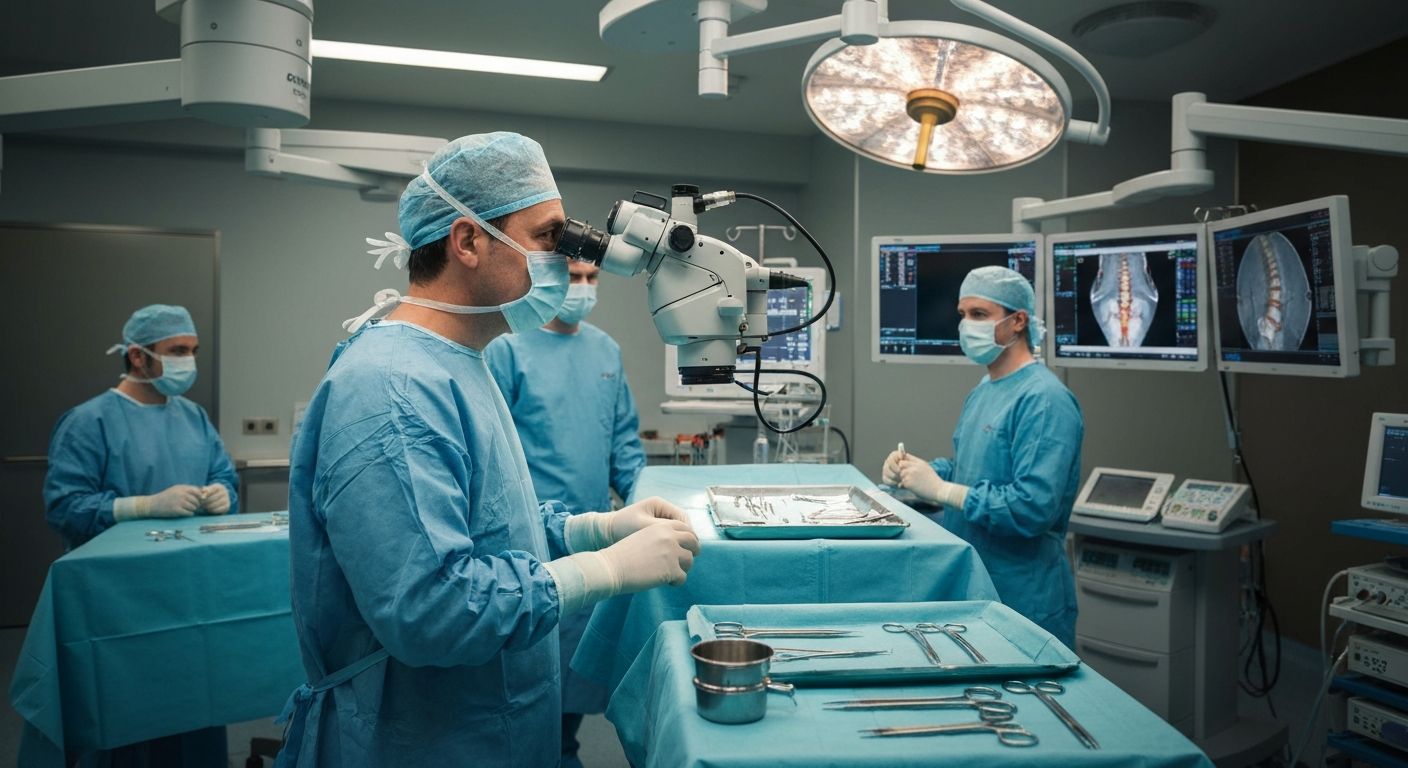
Pain and discomfort are completely normal during the first 48-72 hours. You may experience soreness at the incision site, muscle stiffness, and possibly some residual nerve sensations as the pressure on your spinal nerves begins to resolve. Your surgical team will provide pain medication to keep you comfortable during this initial healing phase.
Surgical site care is absolutely critical during these first days. Follow your surgeon’s wound care instructions precisely. This typically means avoiding getting the incision wet until cleared by your doctor, watching for any signs of infection, and changing dressings as directed.
Activity restrictions exist for good reason during this initial recovery phase. You’ll need to avoid bending, lifting, or twisting motions that could stress the surgical site. While you should get up and walk gently to prevent blood clots and promote circulation, avoid prolonged sitting or standing in one position.
6 Essential Tips for Recovering at Home After Laminectomy
Tip 1: Follow Activity Restrictions and Gradual Progression Guidelines
Your surgeon will provide specific activity restrictions based on your individual case. Start with short walks around your home, gradually increasing distance and duration as your body allows. Think of recovery as a marathon, not a sprint.
Avoid lifting anything heavier than 5-10 pounds during the first several weeks. This means no grocery bags, laundry baskets, or picking up grandchildren. Greater Dallas patients often underestimate how much we use our backs in daily activities, so planning ahead for help with household tasks is essential.
Tip 2: Maintain Proper Posture and Body Mechanics
When standing, imagine a string pulling you up from the crown of your head. When sitting, choose supportive chairs and keep your feet flat on the floor.
Practice proper body mechanics when moving. If you need to pick something up, bend at the knees rather than the waist. When getting out of bed, roll to your side first, then push yourself up with your arms while swinging your legs over the edge.
Tip 3: Use Ice and Heat Therapy Strategically
Ice therapy can help control swelling and pain during the first few days after surgery. Apply ice packs wrapped in a towel to the surgical area for 15-20 minutes several times daily. After the first week, you can transition to heat therapy to relax muscles and improve circulation.
Tip 4: Take Medications Consistently as Prescribed
Pain management isn’t just about comfort—it’s about enabling you to move and participate in recovery activities. Take your pain medications as prescribed by your surgeon, ideally staying ahead of the pain rather than waiting until it becomes severe. If you experience side effects like constipation, use the stool softeners your surgical team recommends.
Don’t stop medications abruptly without consulting your surgeon. As you improve, your doctor will guide you through tapering off pain medication and transitioning to over-the-counter options.
Tip 5: Sleep with Proper Spinal Support and Positioning
Quality sleep is essential for healing, but finding a comfortable position can be challenging after laminectomy. Most patients find lying on their back with a pillow under their knees helpful, as this position maintains the natural curve of the spine. Side sleepers should place a pillow between their knees to keep the spine aligned. For more information, see our page on laminectomy vs spinal fusion 2.
Tip 6: Track Your Symptoms and Report Changes
Keep a simple recovery journal noting your pain levels, activities, and any unusual symptoms. This helps you recognize patterns and provides valuable information for your follow-up appointments. Report any concerning changes to your surgical team promptly rather than waiting for your next scheduled visit.
Physical Therapy and Progressive Recovery Activities
Your surgeon will determine the right time to begin formal physical therapy based on your healing progress. Some patients start gentle exercises at home first, while others benefit from working with a physical therapist from the beginning.
Early physical therapy exercises focus on gentle range of motion movements and basic stretching. Your therapist will guide you through exercises that promote flexibility without stressing the surgical site. These might include pelvic tilts, ankle pumps, and gentle knee-to-chest stretches.
As healing progresses, therapy advances to progressive strengthening exercises. Building core stability is particularly important, as strong abdominal and back muscles support the spine and prevent future problems.
Many Dallas-area physical therapy clinics specialize in post-surgical spine rehabilitation. Working with therapists who understand the specific considerations of laminectomy recovery ensures you receive appropriate guidance throughout your healing journey.
Managing Pain and Lifestyle Adjustments
Understanding that pain patterns change throughout recovery helps reduce anxiety when you experience fluctuations. Some days will feel better than others, and this is completely normal. You might notice increased soreness after physical therapy sessions or new activities.
Lifestyle modifications aren’t just temporary inconveniences—they’re essential for preventing re-injury and promoting optimal healing. This includes maintaining a healthy weight, as excess pounds place additional stress on your spine. Smoking cessation is also critical, as tobacco use impairs healing and increases complication risks.
Office workers typically return sooner than those in physically demanding occupations. Discuss your specific job requirements with your surgeon to develop a realistic return-to-work timeline.
The Dallas area’s sprawling nature makes driving restrictions particularly challenging, but safety must come first. You need to be off narcotic pain medications, have full neck mobility to check blind spots, and be able to perform an emergency stop without hesitation before getting behind the wheel.
Laminectomy Recovery Timeline: Realistic Milestones
Understanding the typical recovery progression helps you recognize when you’re on track and when you might need additional support. Keep in mind that every patient heals differently, and these timelines represent general guidelines rather than strict rules.
Week 1-2: Focus on wound healing and pain control. During this period, your primary goals are keeping the incision clean, managing pain effectively, and performing gentle walking as tolerated. Most patients still experience significant soreness but should notice gradual daily improvements.
Week 3-4: Gradual activity increase and symptom improvement. Most patients experience 50-70% improvement in symptoms within the first 4-6 weeks following laminectomy. You’ll likely notice your pre-surgery symptoms—leg pain, numbness, or weakness—beginning to resolve. Physical therapy may begin, and you can gradually increase walking distances and daily activities.
Week 6: Many patients resume light work activities. If you have a sedentary job, you may be cleared to return to work with some restrictions. You should be off narcotic pain medications and managing any residual discomfort with over-the-counter options.
Week 8-12: Return to most normal activities. By this point, many patients have returned to work, resumed driving, and restarted most recreational activities.
3-6 months: Full recovery and maximum symptom relief achieved. Most patients reach their final outcome during this period. You should be able to participate in all normal activities, though maintaining good spine health habits remains essential.
Warning Signs: When to Contact Your Spine Surgeon
While most laminectomy recoveries proceed smoothly, recognizing warning signs helps you address complications early. Contact your surgical team immediately if you experience:
- Increasing pain not controlled by medication – Pain should gradually improve, not worsen
- Signs of infection at the incision site –
- Numbness or weakness that worsens after initial improvement – New or progressive neurological symptoms require prompt evaluation
- Loss of bowel or bladder control –
- Fever above 101°F – May indicate infection or other complications
- Excessive swelling or drainage from incision – Small amounts of clear drainage are normal initially, but increasing or foul-smelling discharge requires attention
Don’t hesitate to call with concerns. Our team at Legent Spine would rather evaluate a non-urgent issue than have you delay reporting a serious complication. We’re available to answer questions and provide guidance throughout your recovery journey.
Long-Term Success: Beyond the First Three Months
Successful recovery doesn’t end when you’re released to full activity. Think of your post-laminectomy exercises as an ongoing investment in your spine health rather than a temporary rehabilitation phase.
Continue practicing the good posture and body mechanics habits you developed during recovery. These protective strategies should become automatic parts of how you move through daily life. Whether you’re working at your desk in downtown Dallas or enjoying outdoor activities in one of our area parks, maintaining awareness of your spine position helps prevent future problems.
Stay active with appropriate exercise. Swimming, walking, and low-impact activities keep your spine flexible and your supporting muscles strong. Many patients find that they’re actually more active and pain-free after laminectomy than they were for years before surgery.
Attend all scheduled follow-up appointments even if you’re feeling great. These visits allow your surgeon to confirm proper healing and address any lingering concerns.
Expert Spine Care in the Greater Dallas Area
At Legent Spine, our board-certified, fellowship-trained spine surgeons bring extensive expertise to every patient’s care journey. Dr. Todd Shanks and Dr. Saeid Aryan specialize in minimally invasive spine procedures that promote faster recovery times and better outcomes.
We serve patients throughout the Greater Dallas area, including Dallas, Arlington, Plano, Frisco, McKinney, and surrounding communities. Our comprehensive approach means you receive expert care at every stage—from your initial consultation through complete recovery and beyond.
What sets Legent Spine apart is our commitment to personalized care. Each patient receives a dedicated care coordinator who serves as your single point of contact throughout your treatment journey. From scheduling appointments to answering questions during recovery, your care coordinator ensures you never feel lost in the healthcare system.
If you’re experiencing symptoms of spinal stenosis or have been recommended for laminectomy surgery, we encourage you to schedule a comprehensive evaluation with our team. We’ll take the time to understand your specific condition, explain all treatment options, and develop a personalized plan that aligns with your goals and lifestyle.
Conclusion: Your Recovery Path Forward
Recovering from laminectomy surgery is a journey that requires patience, commitment, and proper guidance. By following your post-operative guidelines, staying engaged with physical therapy, and maintaining open communication with your surgical team, you set yourself up for the best possible outcome. Remember that most patients achieve significant symptom relief within 8-12 weeks and return to their normal activities with improved quality of life.
Active participation in your recovery makes a measurable difference. The exercises may feel tedious, the restrictions may feel limiting, and progress may sometimes feel slow—but consistency pays off. Each day of following proper protocols contributes to better healing and reduces the risk of complications.
At Legent Spine, we’re committed to supporting you through every phase of your recovery journey and beyond. Whether you’re just beginning to explore your treatment options or you’re preparing for surgery, our team is here to provide the expert, compassionate care you deserve. Contact us today to learn more about how our minimally invasive approach and comprehensive recovery support can help you return to the active, pain-free life you deserve.