
Introduction: Understanding Your Leg Pain
If you’re experiencing pain that radiates from your lower back down through your leg, you’ve likely heard the terms “sciatica” and “lumbar radiculopathy.” Many patients—and even some healthcare providers—use these terms interchangeably, but they’re actually related yet distinct conditions. Understanding the difference is more than medical semantics. It directly impacts your diagnosis, treatment plan, and path to recovery. For more information, see our page on woodlands patients radiculopathy sciatica.
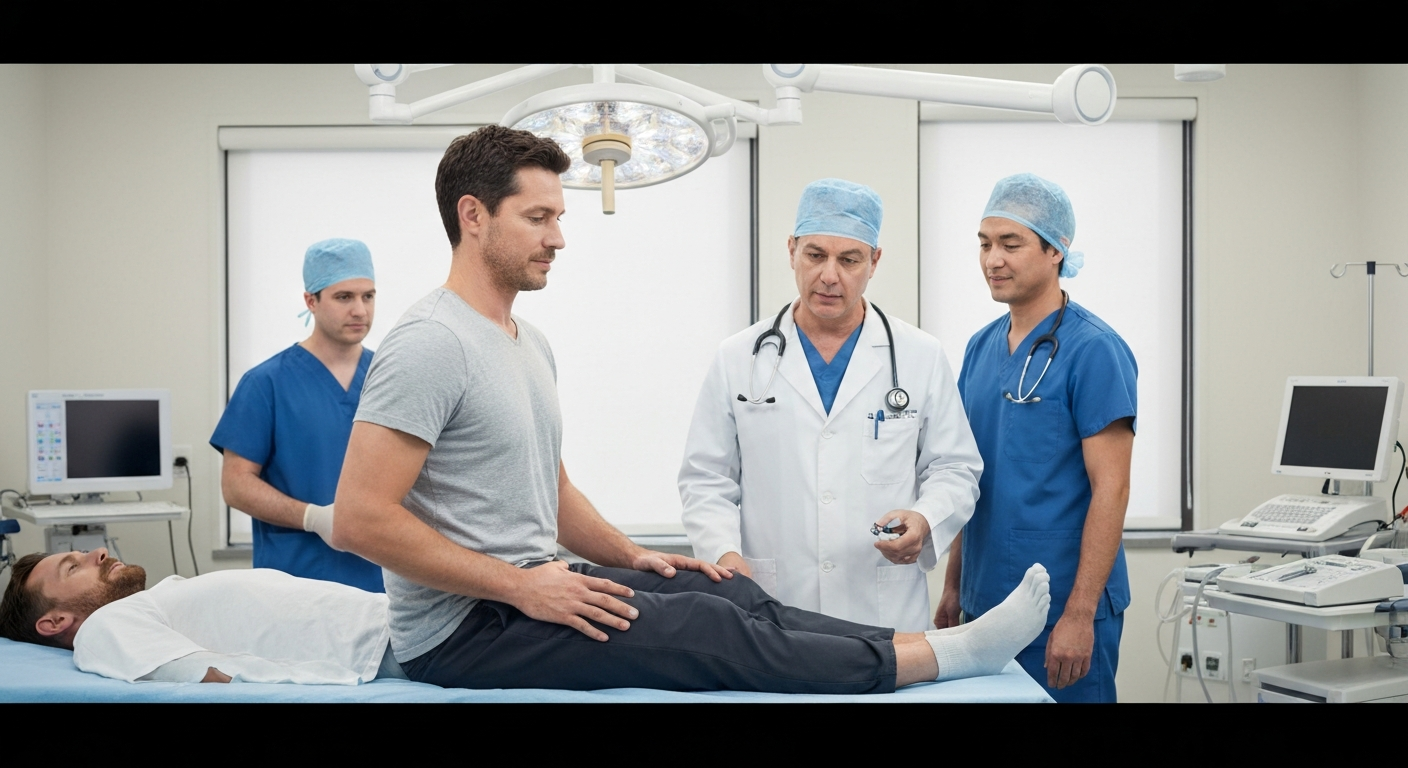
At Legent Spine, we frequently see patients who’ve lived with leg pain for weeks or months, uncertain about what’s causing their discomfort. The good news? A comprehensive evaluation by a board-certified spine specialist can clarify whether you’re dealing with sciatica, another form of lumbar radiculopathy, or something different altogether. If you’re struggling with persistent leg pain, consider scheduling an evaluation to determine your specific condition and explore personalized treatment options.
What Is Lumbar Radiculopathy?
Lumbar radiculopathy is the medical term for. Think of your spinal column as a protective highway for your nerves, with specific exit points where individual nerve roots branch off to serve different parts of your body. When something interferes with a nerve at one of these exit points, radiculopathy occurs.
each responsible for transmitting signals to and from specific areas of your legs and feet. Additionally, sacral nerve roots (S1 through S5) can also be affected. When any of these nerve roots becomes compressed, irritated, or inflamed, it sends pain signals down the entire pathway that nerve serves—not just at the compression site.
The compression doesn’t have to be severe to cause symptoms. generally Even mild pressure on a nerve root can trigger significant pain, numbness, tingling, or weakness in the areas that nerve controls.
Common Causes of Lumbar Radiculopathy
Several structural problems in the spine can lead to nerve root compression. occurring when the soft inner material of a spinal disc pushes through its tough outer layer and presses against an adjacent nerve root. This often happens at the L4-L5 or L5-S1 levels, which bear significant mechanical stress.
can compress one or multiple nerve roots simultaneously. This condition often develops gradually with age as ligaments thicken and bone spurs form. Degenerative disc disease, where spinal discs lose height and cushioning ability over time, can also create conditions that allow nerve compression.
Other causes include bone spurs that develop along vertebral edges and spondylolisthesis, where one vertebra slips forward over the one below it. Occasionally, spinal tumors, infections, or trauma can also cause radiculopathy, though these are less common.
What Is Sciatica?
Sciatica is a more specific term that refers to. Unlike lumbar radiculopathy, which is a clinical diagnosis describing nerve root compression, sciatica is actually a symptom—a description of where you feel the pain rather than what’s causing it. For more information, see our page on lumbar radiculopathy vs sciatica 2.
formed by nerve roots that branch from the lower lumbar spine (specifically L4, L5) and the upper sacral spine (S1, S2, and S3). These nerve roots come together to form the sciatic nerve, which travels from your lower back through your buttocks and down the back of each leg, eventually branching into smaller nerves that serve your lower leg and foot.
When people say they have “sciatica,” they’re typically describing a sharp, burning, or shooting pain that follows this pathway—starting in the lower back or buttock and radiating down the back of the thigh and into the calf or foot. Understanding what’s actually compressing or irritating the nerve roots requires professional evaluation. For more information, see our page on understanding sciatica spring residents sciatic nerve.
The Sciatic Nerve and How It Gets Irritated
The sciatic nerve’s long pathway through your body means it can potentially be compressed at multiple points, though compression at the nerve root level is most common. After the nerve roots merge to form the sciatic nerve, it travels deep through the buttock region, passing beneath or sometimes through the piriformis muscle—a small muscle that helps rotate your hip.
In some cases, tightness or spasm of the piriformis muscle can compress the sciatic nerve, causing symptoms similar to those created by nerve root compression in the spine. This condition, called piriformis syndrome, demonstrates why accurate diagnosis matters—the treatment for piriformis syndrome differs from treatment for disc herniation, even though symptoms may be similar.
may The most common causes of true sciatic nerve irritation involve compression of the L4-L5 or L5-S1 nerve roots by a herniated disc. Because these are the lowest levels of the lumbar spine, they experience significant mechanical stress during everyday activities like bending, lifting, and sitting.
Key Differences: Sciatica vs. Lumbar Radiculopathy
Understanding the relationship between these two terms is essential for effective treatment. Here’s the critical distinction: lumbar radiculopathy is the broader medical term that describes, while sciatica specifically refers to symptoms affecting the sciatic nerve distribution. For more information, see our page on is sciatica a type of radiculopathy 6.
—the roots that contribute to the sciatic nerve. This means usually all cases of true sciatica involve radiculopathy, but not all cases of lumbar radiculopathy involve the sciatic nerve. For example, if the L1, L2, or L3 nerve roots are compressed, you might experience pain radiating into the front of your thigh rather than down the back of your leg. For more information, see our page on is sciatica a type of radiculopathy 5.
Think of it this way: lumbar radiculopathy is like saying “vehicle,” while sciatica is like saying “sedan”—one term is more general, the other more specific. This diagnostic clarity matters significantly when your spine specialist develops your treatment plan, as the location and nature of nerve compression influences which therapeutic approaches are most likely to succeed.
Symptoms: How to Recognize Each Condition
but the specific distribution of these symptoms varies depending on which nerve roots are affected. Sciatica typically produces pain that.
The pain quality varies among patients—some describe it as sharp and shooting, while others experience a constant burning sensation or deep ache. Many patients report that certain positions or movements worsen their symptoms. For instance, usually sitting often aggravates sciatica because it increases pressure on the lower lumbar discs and nerve roots.
Other forms of lumbar radiculopathy may cause different symptom patterns. L2 or L3 radiculopathy, for example, typically causes pain in the front of the thigh rather than down the back of the leg. L4 radiculopathy may cause weakness when trying to extend your knee or stand on your toes, while L5 radiculopathy often causes difficulty lifting your foot upward.
Symptom severity ranges dramatically—some patients experience mild, intermittent discomfort, while others face debilitating pain that prevents them from working or performing basic daily activities.
Red Flags and When to Seek Care
While many cases of sciatica and lumbar radiculopathy improve with conservative treatment, certain warning signs require prompt evaluation by a spine specialist. Severe, persistent pain that lasts more than a few weeks without improvement warrants professional assessment, particularly if it’s interfering with your sleep, work, or quality of life.
Progressive weakness or numbness should never be ignored, as these symptoms may indicate worsening nerve compression that could lead to permanent damage if left untreated. If you’re experiencing increasing difficulty walking, standing, or controlling your foot or leg, seek evaluation promptly.
—a rare but serious condition requiring emergency medical attention. This condition occurs when multiple nerve roots in the lower spine become severely compressed simultaneously. Similarly, symptoms that develop after significant trauma or injury should be evaluated promptly to rule out fractures or other structural damage.
Diagnosis: How Specialists Differentiate Between the Two
Accurate diagnosis begins with a thorough clinical examination and detailed discussion of your symptoms. Board-certified spine specialists conduct comprehensive neurological assessments, testing reflexes, muscle strength, sensation, and range of motion to identify which nerve roots may be affected.
showing herniated discs, spinal stenosis, bone spurs, and other structural problems with exceptional detail. CT scans may be used when MRI is contraindicated or to provide additional information about bone structures. X-rays, while unable to show soft tissues like nerves or discs, can reveal alignment problems, fractures, or significant degenerative changes.
These tests can be particularly valuable when imaging findings are unclear or when symptoms don’t match expected patterns.
Your symptom history provides crucial diagnostic clues as well. The specific pattern of pain radiation, which movements or positions worsen your symptoms, and how your condition has evolved over time all help specialists distinguish between different types of radiculopathy and develop appropriate treatment strategies.
Treatment Approaches for Lumbar Radiculopathy and Sciatica
which is why spine specialists typically begin with non-surgical approaches. Physical therapy plays a central role, helping to strengthen supporting muscles, improve flexibility, and reduce pressure on affected nerve roots through targeted exercises and stretching programs.
Anti-inflammatory medications, both over-the-counter and prescription, can help reduce inflammation around compressed nerve roots. Some patients benefit from muscle relaxants if muscle spasm is contributing to their symptoms. Activity modification—avoiding movements that aggravate symptoms while staying generally active—supports natural healing.
When conservative measures provide insufficient relief, epidural steroid injections can deliver powerful anti-inflammatory medication directly to the affected nerve root area. These injections don’t address the underlying structural problem but can provide significant symptom relief, potentially buying time for natural healing or helping patients participate more effectively in physical therapy.
For cases that don’t respond to conservative treatment,. These procedures, performed by fellowship-trained spine surgeons, address the underlying cause of nerve compression—whether that’s removing herniated disc material, relieving spinal stenosis, or stabilizing unstable vertebrae.
When Surgery Becomes Necessary
The decision to proceed with surgery is never made lightly and involves careful consideration of your symptoms, functional limitations, diagnostic findings, and treatment goals.
Indications for surgical intervention include severe, persistent pain that significantly impairs your quality of life despite appropriate conservative treatment, progressive weakness that threatens permanent nerve damage, and significant functional limitations that prevent you from working or performing essential daily activities. Emergency surgery may be necessary for cauda equina syndrome or rapidly progressive neurological deficits.
Modern minimally invasive techniques have transformed spine surgery, allowing surgeons to address nerve compression through smaller incisions with less muscle disruption and typically faster recovery. Procedures like microdiscectomy for herniated discs or laminectomy for spinal stenosis can often be performed with excellent outcomes when performed by experienced, board-certified spine surgeons.
Expert Spine Care in the Dallas Area
Residents throughout the Greater Dallas area have access to world-class spine care from board-certified specialists who understand the nuances of diagnosing and treating sciatica and lumbar radiculopathy. At Legent Spine, we prioritize comprehensive evaluation that gets to the root cause of your symptoms rather than simply addressing surface-level pain.
Our diagnostic process combines advanced imaging technology with thorough clinical examination and detailed discussion of your symptoms and goals. We believe that informed patients make better decisions about their care, which is why we take time to explain your condition, discuss all available treatment options, and answer your questions thoroughly.
When conservative treatment is appropriate, we develop personalized plans that may include physical therapy, medications, injections, and activity modifications tailored to your specific condition and lifestyle. When minimally invasive surgical intervention offers the best path to relief, our fellowship-trained surgeons use the latest techniques to address nerve compression while minimizing tissue disruption and recovery time.
Conclusion: Getting the Right Diagnosis for Your Pain
While sciatica and lumbar radiculopathy are closely related, understanding the distinction between them directly impacts your diagnosis, treatment approach, and recovery expectations. Sciatica represents a specific pattern of symptoms involving the sciatic nerve, while lumbar radiculopathy is the broader medical term describing nerve root compression in the lower spine.
Accurate diagnosis through comprehensive evaluation by a board-certified spine specialist provides the foundation for effective treatment. The encouraging news is that, particularly when it’s properly tailored to their specific situation. Even when surgery becomes necessary, modern minimally invasive techniques offer excellent outcomes with faster recovery than traditional approaches.
If you’re experiencing persistent leg pain, numbness, tingling, or weakness, don’t assume you simply have to live with it. Professional evaluation can clarify exactly what’s causing your symptoms and open the door to effective treatment options. The spine specialists at Legent Spine welcome the opportunity to evaluate your condition, explain your diagnosis in clear terms, and work with you to develop a personalized treatment plan that addresses your specific needs and goals.