
Understanding the Key Difference
If you’re experiencing radiating leg pain, you’ve likely encountered two terms that seem interchangeable: sciatica and lumbar radiculopathy. Understanding the distinction between these conditions is essential for receiving appropriate treatment and achieving lasting relief.
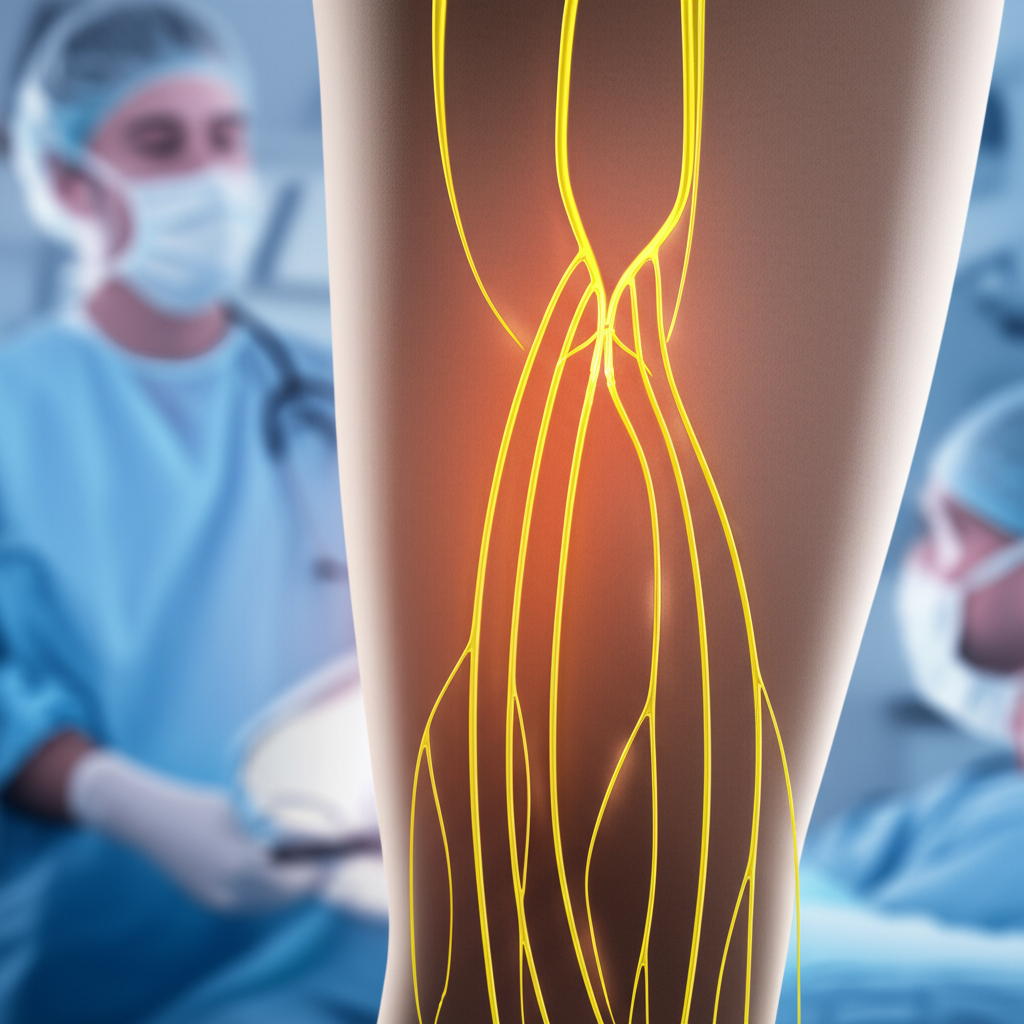
Many Dallas-Fort Worth patients are surprised to learn that lumbar radiculopathy vs sciatica represents the difference between a symptom and its underlying cause.
typically Sciatica is a symptom, not a diagnosis. It describes the pain experience itself—the sharp, burning sensation that radiates from your lower back through your buttocks and down your leg.
Lumbar radiculopathy, on the other hand, is the actual medical condition causing that pain. It occurs when nerve roots in your lower spine become compressed or irritated, leading to the symptoms you experience.
Both conditions involve irritation of the sciatic nerve pathway, but they have different causes and require specific diagnostic approaches.
Understanding this relationship helps your healthcare provider determine the most effective treatment strategy for your specific situation. Proper diagnosis matters because treatment protocols vary significantly based on the underlying cause of your nerve compression.
At Legent Spine, our board-certified spine surgeons serving the Dallas-Fort Worth area specialize in distinguishing between radiculopathy vs sciatica to create personalized treatment plans that address the root cause of your discomfort.
What Is Lumbar Radiculopathy?
Lumbar radiculopathy is a medical condition where nerve roots in the lower lumbar spine become compressed, irritated, or inflamed. This compression disrupts the normal function of these nerve roots, which are responsible for transmitting signals between your brain and lower body.
The condition typically occurs when nerve roots in the lower lumbar spine—most commonly at the Generally, l4-l5 or l5-s1 levels—become pinched or damaged. These nerve roots exit the spinal canal through small openings called foramina.
When these spaces narrow or become blocked, the nerve roots can’t function properly. Several factors can cause this compression:
- Herniated or bulging discs that press against nerve roots
- Bone spurs that develop from degenerative disc disease
- Spinal stenosis that narrows the pathways for nerves
- Inflammation from injury or autoimmune conditions
The condition affects approximately at some point in their lives, making it a relatively common cause of lower back and leg pain. While lumbar radiculopathy often causes sciatica symptoms, it can also produce other symptoms that don’t involve the sciatic nerve distribution.
Understanding lumbar radiculopathy as the underlying condition—rather than just focusing on the pain symptoms—allows healthcare providers to target the source of compression and develop more effective treatment approaches. This is why our team at Legent Spine emphasizes comprehensive diagnostic evaluation for all radiculopathy sciatica Dallas patients.
What Is Sciatica?
Sciatica is the symptomatic experience of pain that travels along the sciatic nerve, typically radiating from the buttocks down one leg. The sciatic nerve is Generally, the longest nerve in the human body, running from your lower back through your hips, buttocks, and down each leg.
This extensive pathway makes it susceptible to irritation at multiple points. Unlike general back pain that remains localized in the lumbar region, sciatica follows a distinct radiating pattern.
The pain typically starts in the lower back or buttock and travels down the back of the thigh, sometimes extending all the way to the foot. This characteristic radiation helps distinguish sciatica from other types of back pain.
Sciatica pain can range from mild tingling to severe, debilitating discomfort that affects your ability to perform daily activities. Some patients describe it as a sharp, shooting pain, while others experience burning sensations or electric shock-like jolts.
The intensity can vary throughout the day and may worsen with certain movements or positions. What makes sciatica particularly challenging is that it can originate from various causes.
While lumbar radiculopathy is the most common source, other conditions like piriformis syndrome or spinal tumors can also produce sciatic pain. This is why treating sciatica as a symptom—rather than a diagnosis—is essential for finding the underlying cause and implementing effective treatment.
Common Causes of Sciatica and Lumbar Radiculopathy
Several conditions can lead to nerve compression in the lumbar spine, producing both radiculopathy and sciatica symptoms. Understanding these causes helps patients recognize potential risk factors and prevention strategies.
Herniated or Bulging Discs: A herniated disc occurs when the inner gel-like material of a spinal disc leaks through the outer layer, pressing on nearby nerve roots. This is one of the most common causes of lumbar radiculopathy, particularly in younger and middle-aged adults.
The herniated material can directly compress nerve roots or cause inflammation that irritates surrounding tissues.
Bone Spurs and Degenerative Disc Disease: As we age, our spinal discs naturally lose height and flexibility. Bone spurs, also called osteophytes, develop as a result of this degenerative process and can narrow the space where nerve roots exit the spine.
These bony growths are the body’s attempt to stabilize the spine but can inadvertently compress neural structures.
Spinal Stenosis: Spinal stenosis is a narrowing of the spinal canal that can compress nerve roots and cause radiating pain. This condition typically develops gradually over time and is more common in adults over 50.
The narrowing can affect one or multiple nerve roots simultaneously.
Piriformis Syndrome: This condition involves a deep gluteal muscle compressing the sciatic nerve, accounting for approximately. Unlike radiculopathy, piriformis syndrome compresses the nerve outside the spine, producing similar symptoms through a different mechanism.
Spondylolisthesis: This occurs when one vertebra slips forward over another, potentially compressing nerve roots at the site of displacement. It can result from degenerative changes, injury, or congenital factors.
Trauma or Injury: Acute injuries from falls, car accidents, or sports-related impacts can cause immediate nerve compression or inflammation leading to radiculopathy symptoms.
Recognizing the Symptoms
Identifying the symptoms of lumbar radiculopathy and sciatica helps you understand when professional evaluation is necessary. While these conditions share many characteristics, specific symptom patterns provide valuable diagnostic information.
Lumbar radiculopathy typically presents with sharp, burning pain in the distribution of the affected nerve root. The pain follows a specific pathway called a dermatome, which corresponds to the compressed nerve.
For example, generally L5 radiculopathy produces pain and numbness along the outside of the lower leg and top of the foot.
Sciatica commonly causes pain that starts in the lower back or buttock and radiates down one leg, sometimes reaching the foot. Most people experience sciatica on only one side, though bilateral symptoms can occur in cases of central spinal stenosis or large disc herniations.
Common symptoms include:
- Sharp, shooting pain that travels down the leg
- Burning or tingling sensations
- Numbness in specific areas of the leg or foot
- Weakness when walking or standing on tiptoes
- Difficulty lifting the foot or toes
- Pain that worsens with sitting, bending, or coughing
Radiating pain from lumbar radiculopathy often worsens with certain movements, such as bending forward or sitting for extended periods. This occurs because these positions can increase pressure on compressed nerve roots or reduce the space available in the spinal canal.
Numbness, tingling, and weakness can accompany both conditions, indicating the severity of nerve compression. Progressive weakness or loss of sensation warrants immediate medical evaluation, as these symptoms suggest significant nerve damage that may require urgent intervention.
How Dallas Spine Specialists Diagnose These Conditions
Accurate diagnosis is the foundation of effective treatment for lumbar radiculopathy leg painAt Legent Spine, our comprehensive diagnostic approach combines clinical examination with advanced imaging to identify the exact source of nerve compression.
Medical History and Physical Examination: Your initial evaluation begins with a detailed discussion of your symptoms, including when they started, what makes them better or worse, and how they affect your daily activities. This information provides critical clues about the underlying cause.
Neurological Testing: A thorough neurological examination can identify which nerve root is affected based on pain patterns, weakness, and reflex changes. Our spine specialists test muscle strength, sensation, and reflexes in specific patterns that correspond to individual nerve roots.
For example, an absent ankle reflex often indicates S1 nerve root involvement.
Imaging Studies: MRI imaging provides detailed visualization of spinal discs, nerve roots, and soft tissue to confirm the location and cause of compression. MRI is the gold standard for evaluating disc herniations, spinal stenosis, and nerve root compression.
X-rays help assess bone alignment and identify fractures or spondylolisthesis, while CT scans provide detailed bone imaging when MRI is contraindicated.
Electrodiagnostic Testing: Electromyography (EMG) measures electrical activity in muscles to determine if nerve damage is present and assess its severity. These studies can distinguish between nerve compression at the spine versus peripheral nerve problems and help establish the timeline of nerve injury.
Accurate diagnosis is essential because treatment protocols differ based on the specific cause of nerve compression. A herniated disc may respond well to conservative care, while severe spinal stenosis might require surgical decompression.
Our board-certified spine surgeons serving Dallas-Fort Worth use this diagnostic information to develop personalized treatment plans that address your specific condition.
Treatment Options for Lumbar Radiculopathy
Treatment for lumbar radiculopathy follows a progressive approach, starting with conservative measures and advancing to more invasive options only when necessary. At Legent Spine, we’re committed to exhausting conservative options before considering surgery.
Conservative Management: Conservative treatment includes rest, ice and heat therapy, and activity modification to reduce nerve irritation. Initial management focuses on reducing inflammation and preventing further nerve compression.
Many patients experience significant improvement within the first few weeks of conservative care.
Physical Therapy and Rehabilitation: Physical therapy targeting core strength and flexibility can alleviate symptoms in. Therapists design specific exercise programs that decompress nerve roots, improve posture, and strengthen the muscles supporting your spine.
Techniques may include McKenzie exercises, neural mobilization, and progressive strengthening protocols.
Medications: Nonsteroidal anti-inflammatory drugs (NSAIDs) and muscle relaxants help reduce inflammation and pain associated with nerve compression. Some patients benefit from neuropathic pain medications that specifically target nerve-related discomfort.
These medications can make physical therapy more tolerable and improve your ability to remain active during recovery.
Minimally Invasive Procedures: Epidural steroid injections deliver anti-inflammatory medication directly around the affected nerve root, providing relief in. These injections can break the pain cycle and allow patients to participate more effectively in physical therapy.
For Dallas-Fort Worth residents with persistent symptoms, injections offer a valuable middle ground between conservative care and surgery.
Surgical Intervention: Surgical procedures such as discectomy or laminectomy are considered when conservative treatments fail over Generally, 4-6 weeks or neurological deficit worsens. Surgery aims to decompress the affected nerve root by removing the source of compression—whether that’s a herniated disc fragment, bone spur, or thickened ligament.
Modern minimally invasive techniques allow for faster recovery and less tissue disruption than traditional open surgery.
Recovery Timeline: Most patients who respond to conservative treatment experience significant improvement within six to twelve weeks. Surgical patients typically return to light activities within a few weeks and resume normal activities within three to six months, depending on the procedure performed.
Managing Sciatica Pain Effectively
While treating the underlying radiculopathy addresses the root cause, specific strategies can help manage sciatica pain and improve your daily function during recovery.
Acute Pain Management: During acute flare-ups, alternating ice and heat can provide significant relief. Ice works best in the first 48 hours after symptom onset to reduce inflammation, while heat becomes more helpful as acute inflammation subsides to increase blood flow and reduce muscle tension.
Stretching and Strengthening: Gentle stretching of the piriformis and hamstring muscles can reduce sciatic nerve tension and alleviate pain. Key stretches include the piriformis stretch, knee-to-chest stretch, and seated spinal twist.
Start gently and progress gradually, avoiding any movements that increase leg pain.
Posture and Ergonomics: Proper posture and ergonomic workspace setup prevent recurring sciatic nerve irritation and reduce symptom flare-ups. For office workers in the Dallas-Fort Worth area, this means adjusting your chair height, positioning your monitor at eye level, and taking regular breaks to stand and walk.
Avoid prolonged sitting, which increases intradiscal pressure and can worsen nerve compression.
Home Remedies and Self-Care: Over-the-counter NSAIDs, gentle walking, and avoiding aggravating activities can help manage mild to moderate symptoms. Some patients find relief from specific sleeping positions, such as lying on your side with a pillow between your knees or sleeping in a recliner during acute episodes.
When to Seek Professional Help: Most acute sciatica cases resolve within Generally, 4-6 weeks with conservative treatment, though chronic cases may require ongoing management. If your symptoms persist beyond this timeframe, worsen despite home care, or include progressive weakness, professional evaluation is warranted.
Prevention Strategies for Dallas Residents
Preventing lumbar radiculopathy and sciatica involves maintaining spinal health through daily habits and lifestyle choices. For active Dallas-Fort Worth residents, these strategies can reduce your risk of developing nerve compression.
Maintain Core Strength: Regular exercise reduces the risk of disc herniation and nerve compression by stabilizing the spine. Focus on exercises that strengthen your core muscles—including your abdominals, back extensors, and hip muscles.
Strong core muscles act as a natural brace for your spine, reducing stress on discs and joints.
Practice Proper Posture: Poor posture over extended periods increases intradiscal pressure and can accelerate degenerative disc disease. Whether you’re working at a desk, driving, or standing, maintain the natural curves of your spine.
Use lumbar support when sitting for long periods, and adjust your workspace to promote neutral spine positioning.
Use Correct Lifting Techniques: Using proper lifting techniques—bending at the knees rather than the back—significantly reduces the risk of disc injury. When lifting heavy objects, hold them close to your body, avoid twisting while lifting, and ask for help with items that are too heavy or awkward to manage safely.
Manage Your Weight: Maintaining a healthy weight decreases the stress on spinal structures and reduces the likelihood of developing radiculopathy. Excess weight, particularly around the midsection, shifts your center of gravity forward and increases strain on your lower back.
Stay Active: Regular physical activity keeps your spine flexible and maintains the health of spinal discs. Low-impact activities like walking, swimming, and cycling are excellent choices for spinal health.
Aim for at least 30 minutes of moderate activity most days of the week.
Modify Activities: Listen to your body and modify activities that cause back pain. If certain movements or positions trigger symptoms, adjust your technique or take breaks to prevent chronic nerve irritation from developing.
When to See a Spine Specialist
Knowing when to seek professional evaluation can make the difference between quick recovery and chronic pain. While many cases of sciatica resolve with home care, certain situations warrant specialist attention.
Persistent radiculopathy lasting more than Generally, 4-6 weeks despite conservative treatment warrants specialist evaluation. If your symptoms haven’t improved significantly after six weeks of rest, over-the-counter medications, and activity modification, it’s time to consult a board-certified spine surgeon.
Prolonged nerve compression can lead to permanent damage, making timely intervention important.
Red Flags Requiring Immediate Attention: Progressive weakness in the leg or foot, loss of bowel or bladder control, or severe neurological deficit requires urgent medical attention. These symptoms may indicate cauda equina syndrome, a surgical emergency that requires immediate decompression to prevent permanent nerve damage.
Additional warning signs include:
- Numbness in the saddle region (inner thighs and buttocks)
- Inability to lift your foot or toes (foot drop)
- Severe pain that doesn’t improve with rest or medication
- Symptoms that affect both legs simultaneously
- Unexplained weight loss or fever accompanying back pain
Impact on Quality of Life: Symptoms affecting your work capacity or quality of life justify professional evaluation to develop an effective treatment plan. If sciatica prevents you from performing your job duties, participating in activities you enjoy, or sleeping through the night, don’t wait to seek help.
Early intervention by a board-certified spine specialist can prevent chronic pain and improve treatment outcomes. At Legent Spine, we’ve found that patients who seek evaluation earlier in their symptom course often achieve better results with less invasive treatments.
Our transparent approach means we’ll always explore conservative options first and clearly explain when advanced treatments might be necessary.
Why Choose Legent Spine for Your Care
When you’re experiencing radiculopathy sciatica Dallas Fort Worth patients can trust Legent Spine for comprehensive, patient-centered care. Our practice combines specialized expertise with a commitment to conservative treatment approaches.
Our board-certified spine surgeons have completed specialized training in both surgical and non-surgical spine care, ensuring expert diagnosis and treatment for all types of radiculopathy and sciatica. This comprehensive training means we can evaluate your condition from multiple perspectives and recommend the treatment approach that best fits your specific situation.
Comprehensive Care Options: A multidisciplinary approach to radiculopathy and sciatica treatment increases success rates and patient satisfaction. At Legent Spine, you have access to the full spectrum of treatment options under one roof—from physical therapy and pain management to minimally invasive procedures and surgical intervention when necessary.
Patient-Centered Philosophy: We believe in transparent communication about diagnosis, treatment options, and expected outcomes. You’ll never feel rushed during appointments, and we encourage questions at every stage of your care.
Our team takes time to explain your imaging results, discuss all available treatment options, and help you make informed decisions about your spine health.
Conservative First Approach: We’re committed to exhausting conservative treatment options before considering surgery. While we’re skilled surgeons, we believe that surgery should be reserved for cases where it offers clear benefits over non-surgical approaches or when neurological function is at risk.
Serving Dallas-Fort Worth: As members of the Dallas-Fort Worth community, we understand the unique needs of Texas residents. Whether you’re dealing with sciatica from a long commute, desk work in one of Dallas’s growing business sectors, or physical demands of your profession, we tailor treatment plans to fit your lifestyle and goals.
If you’re experiencing radiating leg pain, numbness, or weakness, don’t wait for symptoms to worsen. Contact Legent Spine today to schedule a comprehensive evaluation with one of our board-certified spine surgeons.
Together, we’ll determine whether your symptoms stem from lumbar radiculopathy, develop an accurate diagnosis, and create a treatment plan designed to get you back to the activities you love.