
When nerve compression affects both sides of your spine at the same time, the impact on daily life can be significant. Bilateral foraminal stenosis is a challenging spinal condition that needs careful evaluation and often specialized treatment. At Legent Spine, our board-certified spine surgeons understand this complex condition and work closely with patients throughout the Dallas area to develop personalized treatment plans that address both symptom relief and long-term spinal health.
While foraminal stenosis can occur on just one side of the spine, bilateral involvement creates unique challenges. Many patients experience symptoms that affect both legs or both arms, depending on whether compression occurs in the lower back or neck. Understanding bilateral compression helps you make informed decisions about your care options. This condition shares similarities with severe foraminal stenosis c5 6 when it affects the neck, and can appear alongside patients central canal stenosis symptoms diagnosis in more complex cases.
Understanding Foraminal Stenosis
These small passageways serve as critical routes for nerves traveling from your spinal cord to the rest of your body. When everything works normally, these openings provide enough space for nerve roots to pass through without compression or irritation.
This narrowing typically develops gradually over years as part of natural aging, though it may result from specific injuries or degenerative conditions. Unlike you spinal canal stenosis signs treatment, which involves narrowing of the central spinal canal, foraminal stenosis specifically affects the lateral nerve root exit points.
This bilateral involvement creates more complex symptom patterns than single-sided stenosis. Why would both sides be affected at once? The answer usually relates to systemic degenerative changes that affect the entire spinal segment rather than isolated damage to one side.
The challenges extend beyond symptom severity. When nerve compression occurs on both sides, natural compensatory mechanisms become less effective. For instance, someone with single-sided stenosis might unconsciously shift their weight or adjust posture to reduce pressure on the affected nerve. With bilateral involvement, such adaptations provide limited relief since both nerve roots experience compression.
Recognizing Symptoms of Bilateral Foraminal Stenosis
This symptom pattern distinguishes bilateral stenosis from single-sided nerve compression. The pain may not be symmetrical—one side might hurt more intensely—but you’ll typically experience radiating discomfort on both sides of your body.
These sensory changes often begin subtly. You might notice occasional tingling in your feet or a sense that your legs feel heavy after walking short distances. As the condition progresses, these symptoms may become more persistent and interfere with everyday activities like climbing stairs or standing for extended periods.
Similar symptoms can affect the upper extremities when bilateral stenosis occurs in the neck, as seen with c5 c6 foraminal stenosis symptomsYou might experience difficulty with fine motor tasks, grip weakness in both hands, or shooting pain down both arms that worsens with certain neck movements.
Many patients report increased discomfort when looking up, reaching overhead, or rotating their trunk. Conversely, may symptoms may improve when sitting or bending forward slightly, as these positions open the foraminal spaces and reduce pressure on compressed nerves.
Understanding acute versus chronic presentation helps set appropriate expectations. Some patients experience sudden worsening after a specific incident—perhaps lifting something heavy or twisting awkwardly. Others notice gradual progression over months or years, with symptoms slowly intensifying until they significantly impact quality of life. Both patterns require careful evaluation by a spine specialist.
When Symptoms Demand Attention
Not all foraminal stenosis requires immediate intervention, but certain symptoms signal the need for urgent evaluation. Bilateral foraminal stenosis causing progressive leg weakness or loss of bowel/bladder control requires urgent medical evaluation. These symptoms suggest severe nerve compression that could lead to permanent damage if left untreated.
Progressive weakness deserves particular attention. If you notice increasing difficulty lifting your feet, frequent tripping, or declining ability to walk distances you previously managed comfortably, these changes warrant prompt specialist consultation. The development of spinal stenosis weak legs 2 symptoms on both sides simultaneously represents a concerning pattern that shouldn’t be ignored.
While not necessarily an emergency, disabling pain that prevents you from working, caring for yourself, or sleeping through the night indicates conservative management alone may not provide adequate relief. Fellowship-trained specialists like Dr. Paul Salinas can evaluate whether more aggressive intervention might be appropriate.
Before your specialist appointment, document your symptom timeline. Note when symptoms began, what activities make them better or worse, and any treatments you’ve already tried. This information helps your physician understand your condition’s progression and guides appropriate diagnostic testing.
Root Causes of Bilateral Foraminal Stenosis
Understanding what causes foraminal stenosis helps you recognize risk factors and make informed decisions about prevention and treatment. As we age, the intervertebral discs that cushion our vertebrae naturally lose water content and become thinner. This disc height loss reduces the vertical dimension of the foramen, potentially compressing nerve roots as they exit the spine.
These bony overgrowths, called osteophytes, form along the edges of vertebrae and facet joints. While the spine creates these structures to provide additional stability, they can encroach into the foraminal space and contribute to nerve compression. When bone spurs develop on both sides of a spinal segment, bilateral stenosis often results.
The facet joints—small stabilizing joints at the back of the spine—commonly develop arthritis with age. As these joints enlarge due to arthritic changes, they narrow the foramen from the back. Combined with disc degeneration from the front, this creates a pincer effect that compresses nerves on both sides.
This ligament runs along the back of the spinal canal and foramina. As it thickens over time, it occupies more space within these already narrow channels. While ligament thickening alone rarely causes severe stenosis, it contributes significantly when combined with bone spurs, facet arthritis, and disc degeneration.
Not all foraminal stenosis results from age-related degeneration. Traumatic injuries, particularly those involving compression or rotation forces, can damage multiple spinal structures simultaneously and lead to bilateral narrowing. However, the vast majority of cases develop gradually through cumulative effects of time and mechanical stress on the spine.
How Severe Bilateral Stenosis Is Diagnosed
Accurate diagnosis begins with comprehensive clinical examination. Your spine specialist will assess your symptoms, test reflexes, evaluate muscle strength, and check sensation in your extremities. These neurological tests help determine which nerve roots are affected and the severity of compression. The examination findings guide subsequent imaging studies and treatment recommendations.
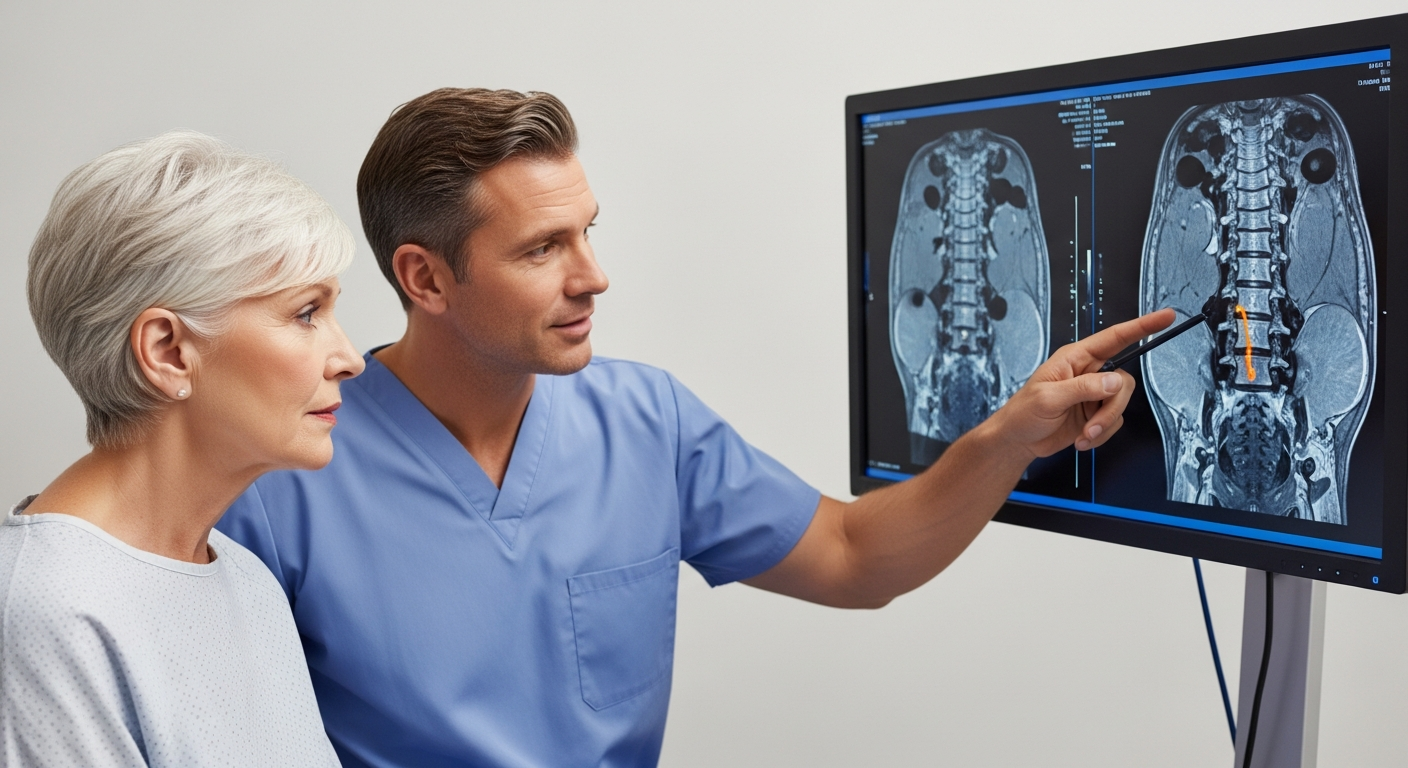
Unlike X-rays, which only reveal bony anatomy, MRI scans provide detailed visualization of discs, ligaments, nerve roots, and surrounding soft tissues. This comprehensive view allows specialists to identify all contributing factors to foraminal narrowing and assess the degree of nerve compression.
In some cases, CT scans provide additional valuable information, particularly when planning surgical intervention. CT imaging excels at showing fine bone detail, helping surgeons understand the exact location and extent of bone spurs or facet joint enlargement. This information proves crucial when planning minimally invasive procedures that require precise bone removal.
At Legent Spine, we believe in thorough assessment before recommending treatment. This approach ensures we accurately identify all factors contributing to your symptoms and develop an appropriate treatment strategy.
These electrodiagnostic tests measure electrical activity in nerves and muscles. They help differentiate nerve root compression from other conditions that can cause similar symptoms, such as peripheral neuropathy. These studies also assess whether compression has caused temporary nerve dysfunction or more permanent damage—information that influences treatment decisions.
Treatment Options for Severe Bilateral Foraminal Stenosis
Treatment for bilateral foraminal stenosis begins conservatively whenever possible. Physical therapy focuses on exercises that strengthen core muscles, improve posture, and promote spinal flexibility. These interventions can help reduce pressure on compressed nerves and improve functional capacity.
Anti-inflammatory medications address the inflammatory component of nerve compression. While these medications don’t reverse the structural narrowing causing stenosis, they can significantly reduce pain and improve quality of life for patients with mild to moderate symptoms. Your physician will discuss appropriate medication options based on your medical history and other health conditions.
These injections deliver anti-inflammatory medication directly to the area surrounding compressed nerves. For some patients, injections provide sufficient relief to engage more effectively in physical therapy or delay the need for surgery. However, injections typically provide temporary benefit rather than permanent resolution of symptoms.
The decision to proceed with surgery represents a collaborative process between patient and surgeon. Factors influencing this decision include symptom severity, impact on daily function, imaging findings, and your goals and preferences. Board-certified specialists like Dr. Grant Booher help patients understand when surgery offers the best opportunity for symptom relief and functional improvement.
Minimally Invasive Surgical Approaches
When surgery becomes necessary, modern minimally invasive techniques offer significant advantages over traditional open procedures. This procedure specifically targets the structures causing nerve compression while preserving surrounding healthy tissue.
Surgeons utilize tubular retractors and specialized tools to access the spine through smaller openings. This approach reduces muscle damage, decreases blood loss, and typically results in less postoperative pain compared to traditional open procedures.
For more extensive bilateral compression, laminoforaminotomy provides broader decompression. This procedure removes portions of the lamina—the bony roof over the spinal canal—along with bone and ligament tissue compressing the foramen. Despite addressing multiple levels or bilateral compression, many laminoforaminotomy procedures can still be performed using minimally invasive techniques.
These benefits translate into shorter hospital stays, reduced narcotic requirements, and quicker return to work and daily activities. However, not every patient is a candidate for minimally invasive approaches. Complex cases may require traditional open surgery to achieve adequate decompression safely.
Appropriate case selection remains crucial for optimal outcomes. Your spine surgeon will evaluate multiple factors including severity of stenosis, number of levels involved, presence of instability, and overall health status when recommending the most appropriate surgical approach for your specific situation.
Recovery and What to Expect After Treatment
Recovery timelines vary depending on treatment approach and individual patient factors. This improvement typically occurs gradually, with pain relief often preceding improvements in numbness or weakness. Nerve recovery follows its own timeline, and some patients continue experiencing incremental improvements for several months after surgery.
Early therapy focuses on gentle range of motion and walking to promote healing and prevent complications. As recovery progresses, therapy advances to strengthening exercises and functional activities that prepare you for return to work and normal activities.
Activity restrictions following minimally invasive surgery are generally less stringent than after open procedures. Most surgeons recommend avoiding heavy lifting and high-impact activities for several weeks, but encourage walking and light activity soon after surgery. Your surgical team will provide specific guidelines based on the exact procedure performed and your individual circumstances.
Success rates for foraminal decompression surgery range from 70-90% for appropriate surgical candidates with proper patient selection. These encouraging outcomes reflect the effectiveness of direct decompression when performed on appropriate candidates. Factors associated with better outcomes include shorter symptom duration before surgery, clear correlation between imaging findings and symptoms, and absence of significant psychosocial factors affecting pain perception.
Long-term management focuses on protecting your spine and preventing future problems. Core strengthening exercises, maintaining healthy body weight, and practicing proper body mechanics during daily activities all contribute to long-term spinal health. Your care team will provide guidance on activities to incorporate into your lifestyle to support ongoing spine wellness.
Finding Expert Spine Care in the Dallas Area
When facing a diagnosis of severe bilateral foraminal stenosis, choosing the right specialist makes a significant difference in your treatment experience and outcomes. This specialized training ensures expertise in both diagnostic evaluation and the full range of surgical techniques for spinal conditions.
At Legent Spine, we combine fellowship-trained expertise with advanced technology to provide world-class spine care to our local community. Our dedicated care coordinators guide patients through every step of evaluation and treatment, ensuring clear communication and personalized attention.
When evaluating spine surgeons, consider not only credentials and experience but also the surgeon’s approach to patient care. Look for specialists who take time to thoroughly explain your condition, discuss all treatment options including conservative approaches, and involve you as an active participant in treatment decisions. The best surgical outcomes occur when patients understand their condition and feel confident in their treatment plan.
If you’re experiencing symptoms of bilateral foraminal stenosis, we encourage you to seek evaluation from a board-certified spine specialist. Early diagnosis and appropriate treatment—whether conservative or surgical—offers the best opportunity for symptom relief and preservation of neurological function. Our team at Legent Spine welcomes the opportunity to evaluate your condition and discuss treatment options tailored to your individual needs and goals.
For patients dealing with severe bilateral foraminal stenosis, comprehensive evaluation by fellowship-trained specialists provides the foundation for effective treatment. Whether you pursue conservative management or minimally invasive surgery, expert guidance helps you make informed decisions about your spinal health. Contact us today to schedule a consultation and take the first step toward relief from bilateral nerve compression.