
Understanding the Difference Between These Two Conditions
When discussing spine health, the terms “spinal stenosis” and “foraminal stenosis” often come up. While they sound similar, they represent distinct conditions with important differences. Understanding these distinctions helps you make informed decisions about your diagnosis and treatment options.
Spinal stenosis describes narrowing of the spinal canal—the main passageway housing your spinal cord (source: Spinal Stenosis: What It Is, Causes, Symptoms & Treatment). This narrowing Generally, reduces space available for the spinal cord and nerves. Foraminal stenosis, by contrast, affects the neural foramina—Generally, the small openings on each side of the vertebra through which individual nerve roots exit the spinal column.
Both conditions involve nerve compression, but the location and extent of that compression differ significantly. Spinal stenosis typically affects the central canal where multiple nerves travel together. Foraminal stenosis targets the specific exit points where individual nerves branch away from the spinal cord. This anatomical distinction influences symptom presentation, severity, and treatment approaches.
For patients experiencing back pain or radiating symptoms in the Dallas-Fort Worth area, recognizing these differences helps set realistic expectations about recovery. The distinction also guides how spine specialists approach diagnosis and develop personalized treatment plans.
What is Spinal Stenosis?
Spinal stenosis involves narrowing of the central spinal canal, creating pressure on the spinal cord and the nerve roots traveling through this main passageway. Generally, this condition can compress the spinal cord and nerve roots simultaneously, potentially affecting multiple nerves at once. The narrowing can occur at any level of the spine, though it most commonly develops in the lumbar (lower back) and cervical (neck) regions.
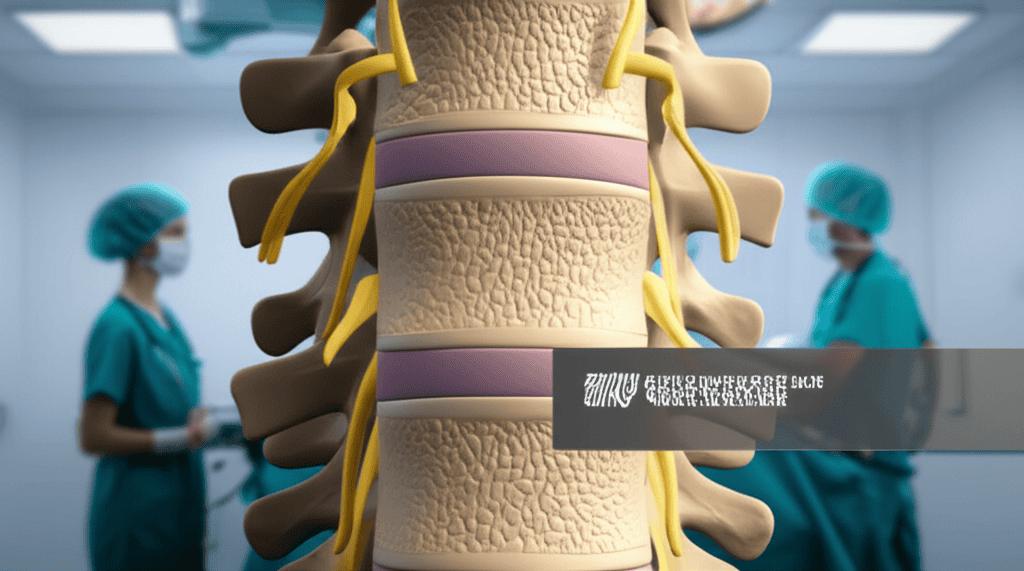
and represents what most people envision when they hear “spinal stenosis.” The condition typically develops gradually over many years as the spine undergoes age-related changes. Degenerative processes slowly reduce the diameter of the spinal canal, sometimes progressing for years before producing noticeable symptoms.
Several factors contribute to spinal stenosis development:
- Degenerative disc disease: Generally, age-related degenerative disc disease is one of the most common causes of spinal stenosis in adults over 50, causing discs to lose height and bulge into the spinal canal
- Arthritis: Osteoarthritis of the facet joints leads to bone spur formation that encroaches on canal space
- Thickened ligaments: The ligaments supporting your spine can become thickened and less flexible with age, bulging into the canal
- Congenital factors: Some individuals are born with a naturally narrow spinal canal
The gradual onset means many patients adapt to slowly worsening symptoms without realizing the underlying cause. This progressive nature distinguishes it from acute injuries that produce sudden symptoms.
What is Foraminal Stenosis?
Foraminal stenosis represents a more targeted form of nerve compression. Rather than affecting the central canal, foraminal stenosis impacts the small passageways on either side of each vertebra, creating a “pinched nerve” that affects a specific nerve root.
The anatomical specificity of foraminal stenosis means it typically affects individual nerves rather than multiple nerve pathways simultaneously. The narrowing can be subtle but still produce significant symptoms when space becomes insufficient for the nerve root passing through.
When it occurs unilaterally (on one side), patients experience symptoms on that specific side of the body. Bilateral foraminal stenosis affects both sides but may progress asymmetrically, with one side more severely narrowed than the other.
Common causes of foraminal stenosis include:
- Herniated discs: Disc material protruding sideways into the foramen
- Facet joint arthritis: Enlarged arthritic joints encroaching on foramen space
- Bone spurs: Osteophytes growing into the nerve exit pathway
- Spondylolisthesis: Vertebral slippage that narrows the foramen
The focused nature of foraminal stenosis often produces distinct, well-defined symptoms that follow the distribution of a single affected nerve.
Comparing Severity: Which Condition Is Worse?
The question of which condition is “worse” doesn’t have a straightforward answer. Severity depends on individual factors rather than the diagnostic label alone. Both spinal stenosis and foraminal stenosis exist on a spectrum from mild to severe, and each person’s experience differs based on the degree of narrowing, which nerves are affected, and individual pain tolerance.
This focused compression can produce intense, sharp pain that radiates along the entire pathway of that specific nerve. A patient with foraminal stenosis affecting the L5 nerve root, for instance, may experience distinct shooting pain from the lower back down through the leg to the foot.
Central spinal stenosis, while potentially affecting more nerve tissue, doesn’t always produce proportional symptoms. Some patients with moderate stenosis on MRI experience severe symptoms, while others with significant narrowing report minimal discomfort.
affecting both legs or multiple areas simultaneously. The diffuse nature of central stenosis symptoms can be equally debilitating despite following a different pattern.
From a treatment perspective,. However, these statistics reflect intervention rates rather than true severity—some patients choose treatment for quality of life reasons rather than medical necessity.
If you’re experiencing symptoms consistent with either condition, a professional spine evaluation can clarify your diagnosis and treatment options. Board-certified spine specialists can assess the specific characteristics of your stenosis and recommend appropriate management strategies.
Symptoms: How Each Condition Presents
Recognizing symptom patterns helps distinguish between spinal stenosis and foraminal stenosis, though some overlap exists. The location and character of symptoms provide important diagnostic clues.
Spinal stenosis symptoms typically include:
- Generally, leg pain that worsens with walking and improves when sitting or leaning forward, a pattern called neurogenic claudication
- or both legs simultaneously
- Difficulty standing upright for extended periods
- Relief when bending forward, such as leaning on a shopping cart
- Gradual symptom onset that worsens over time
The forward-bending relief pattern occurs because this position opens the spinal canal slightly, reducing pressure on the compressed nerves. Patients with lumbar spinal stenosis often report they can walk farther in a grocery store while leaning on a cart than they can walk unaided.
Foraminal stenosis symptoms typically include:
- Generally, sharp, radiating pain that follows a specific nerve path, often described as shooting pain down the leg or arm depending on stenosis location
- Pain that intensifies with certain positions or movements
- Sudden, electric-shock-like sensations along the nerve pathway
The unilateral nature of foraminal stenosis symptoms helps distinguish it from central stenosis. If symptoms consistently affect one side of the body and follow a dermatomal pattern—the specific area supplied by a single nerve—foraminal stenosis is more likely.
Diagnostic Approaches for Accurate Identification
Accurate diagnosis requires both clinical examination and advanced imaging. Board-certified spine surgeons utilize multiple diagnostic tools to differentiate between spinal stenosis and foraminal stenosis and determine the extent of nerve compression.
Generally, mri imaging clearly distinguishes foraminal stenosis from central spinal stenosis by showing narrowing specifically at the neural foramen rather than the central canal. MRI provides superior visualization of soft tissues including nerves, discs, and ligaments, making it the gold standard for evaluating stenosis. The detailed images reveal not only where narrowing occurs but also which structures are causing the compression.
This imaging technique combines CT scanning with contrast dye injection into the spinal fluid, outlining the nerve pathways with exceptional clarity. CT scans excel at showing bone anatomy, making them particularly useful for identifying osteophytes and other bony causes of stenosis.
Physical examination provides complementary information to imaging studies. Spine specialists perform specific maneuvers that reproduce symptoms, helping confirm which nerves are affected and whether stenosis is central or foraminal.
Dallas-area patients benefit from access to advanced diagnostic technology and experienced interpretation by specialists who understand the nuances of different stenosis presentations.
Treatment Options: Managing Each Condition
Treatment strategies for spinal stenosis and foraminal stenosis share many similarities, though specific approaches may differ based on the condition’s location and severity. Most patients begin with conservative management, progressing to more invasive options only if symptoms don’t improve.
Conservative treatment approaches include:
- Physical therapy: Generally, physical therapy and anti-inflammatory medications resolve symptoms in 50-70% of spinal stenosis patients without surgical intervention.
- Medications: Anti-inflammatory drugs, pain relievers, and occasionally muscle relaxants provide symptom relief
- Epidural steroid injections:
- Activity modification: Adjusting daily activities to minimize symptom provocation
- Assistive devices: Using walking aids or ergonomic adjustments to reduce nerve pressure
Many patients achieve significant improvement through conservative management, avoiding the need for surgical intervention. The timeframe for conservative treatment typically spans several months, allowing natural healing processes to work alongside therapeutic interventions.
When conservative measures prove insufficient, surgical options become appropriate. These procedures aim to decompress affected nerves by removing the structures causing narrowing.
The decision to pursue surgery depends on multiple factors including symptom severity, functional limitations, response to conservative treatment, and patient preferences. Board-certified spine surgeons provide detailed explanations of surgical options, helping patients make informed decisions about their care.
Long-Term Outlook and Recovery
Understanding expected outcomes helps you set realistic expectations and make informed treatment decisions. Both spinal stenosis and foraminal stenosis have favorable outcomes when properly managed, though individual results vary.
Generally, approximately 70% of spinal stenosis patients improve significantly with conservative treatment over 6-12 months. This high success rate with non-surgical management emphasizes the importance of giving conservative approaches adequate time to work before considering more invasive options.
Early diagnosis and prompt initiation of appropriate treatment improve the likelihood of successful conservative management.
However, untreated severe stenosis carries risks. These serious complications underscore the importance of seeking professional evaluation when symptoms persist or worsen.
For patients who undergo surgical treatment, outcomes are generally positive. Most experience significant pain reduction and improved function, though complete symptom resolution isn’t guaranteed. Maintaining spine health through regular exercise, proper body mechanics, and weight management helps preserve surgical benefits and prevent stenosis at adjacent spine levels.
When to Seek Professional Spine Care in Dallas
providing accurate diagnosis that guides appropriate treatment. Legent Spine serves the Dallas-Fort Worth community with expert spine care, combining advanced diagnostic capabilities with personalized treatment approaches.
ensuring that stenosis is accurately identified and characterized. This precise diagnosis forms the foundation for effective treatment planning tailored to each patient’s specific condition.
At Legent Spine, our board-certified spine surgeons work collaboratively with patients to develop treatment plans that align with individual goals, preferences, and medical needs.
We encourage Dallas-Fort Worth residents experiencing persistent back pain, radiating leg or arm symptoms, numbness, weakness, or difficulty walking to schedule a consultation. Early evaluation often leads to better outcomes through timely intervention and prevents progression to more serious complications.
Serving the Dallas community with transparent, patient-centered care, Legent Spine combines generational expertise with the latest advances in spine treatment. Our approach prioritizes conservative management when appropriate while ensuring surgical expertise is available when needed.
Contact Legent Spine today to schedule a comprehensive spine evaluation. Our team is committed to providing the expert, professional care you deserve, helping you understand your condition and navigate your treatment options with confidence.