
When it comes to understanding complex systems, many people confuse components that sound similar but serve distinct functions. While Hyperion Auto Repair specializes in diagnosing and repairing vehicles rather than spinal conditions, we understand the importance of clarifying technical distinctions. This article addresses a common medical question that many Los Angeles residents search for when experiencing back or neck pain.
Note: This article provides educational information only. Hyperion Auto Repair is an automotive service center and does not provide medical advice or treatment. Please consult a qualified healthcare provider for any medical concerns.
Understanding the Difference
Before comparing which condition is more serious, it’s essential to understand what distinguishes spinal stenosis from foraminal stenosis. Spinal stenosis refers to a general narrowing of the spinal canal that can affect multiple nerve roots and even the spinal cord itself. This condition can develop anywhere along the spine, from the neck through the mid-back to the lower back.
Foraminal stenosis is a more specific type of narrowing that affects the small openings on each side of the vertebrae where individual nerve roots exit the spinal column. Technically, foraminal stenosis is considered a subset of spinal stenosis.
The key distinction lies in anatomical location:, while. Both conditions compress nerves, but the location of that compression determines the symptoms and treatment approaches.
What Is Spinal Stenosis?
Generally, spinal stenosis is a condition where the spaces within the spine narrow, which can put pressure on the spinal cord and nerves. This broader condition affects the entire spinal canal and can develop in any region of the spine. Most commonly, it occurs in the neck or lower back, where movement and weight-bearing stress are greatest.
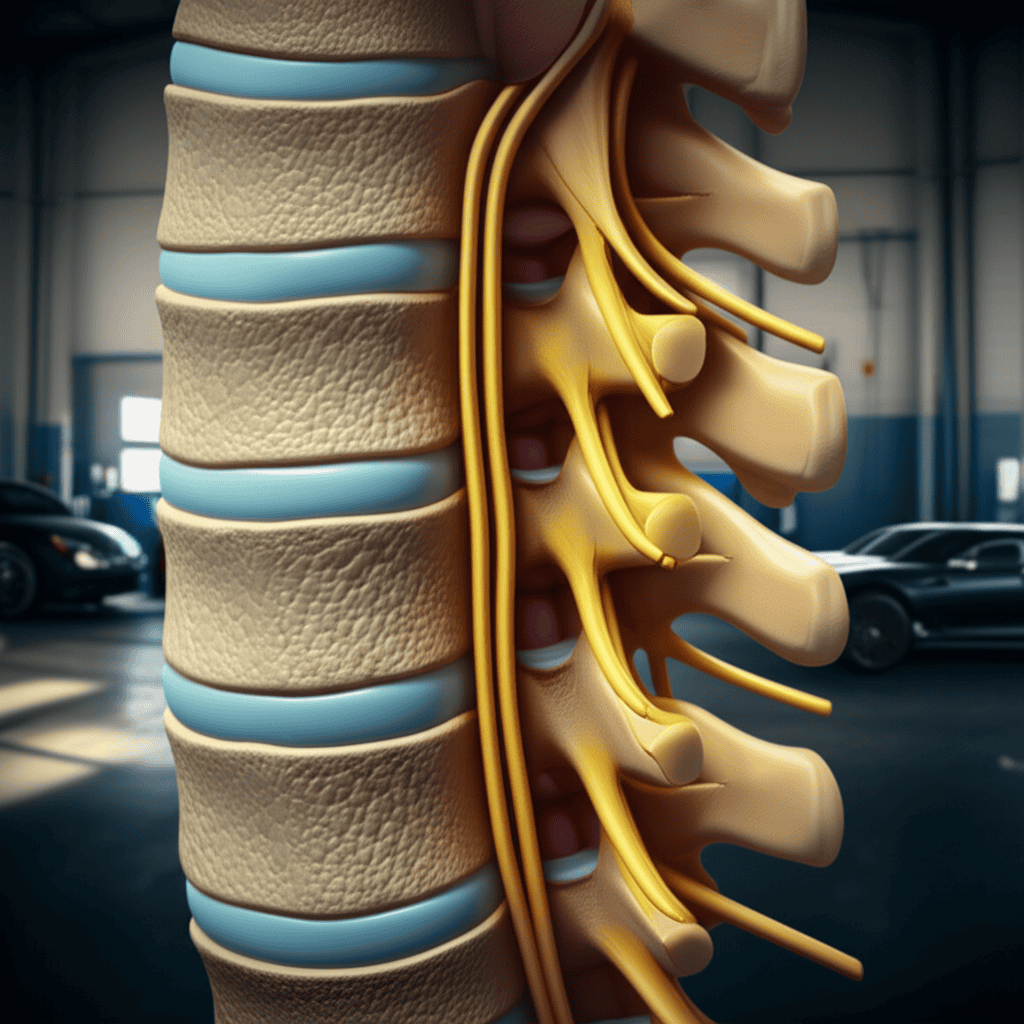
The condition often develops gradually due to age-related degenerative changes. which can lead to more widespread neurological symptoms compared to nerve root compression alone.
In mild cases, patients may experience no symptoms at all, only discovering the condition during imaging performed for other reasons.
The condition develops as the protective structures around the spinal cord—including ligaments, bones, and discs—change over time. These changes can include thickening of ligaments, bone spur formation, and disc bulging that collectively narrow the space available for neural structures.
What Is Foraminal Stenosis?
Foraminal stenosis represents a more localized form of nerve compression. Rather than affecting the central canal where the spinal cord travels, this condition targets the specific exit points where individual nerves branch off to serve the arms, legs, and other body regions.
which means symptoms tend to be more focused on specific areas of the body. For example, foraminal stenosis in the lower spine might affect only the nerve root that controls sensation in the outer calf and foot.
The narrowing can occur on one or both sides, though one-sided presentation is more common. The condition frequently results from bone spurs or herniated disc material that protrudes into the foramen, reducing the space available for the exiting nerve root.
Because foraminal stenosis affects individual nerve roots as they exit the spine, symptoms often follow the distribution of that specific nerve. This makes diagnosis somewhat more straightforward than central stenosis, as the symptom pattern can help identify which nerve root is compressed.
Which Is Worse: A Direct Comparison
The question of which condition is “worse” doesn’t have a simple answer. Severity depends on individual patient factors, the degree of nerve compression, and how each person’s body responds to that compression—not merely on the diagnosis name itself.
This focused, intense pain can be debilitating for daily activities that require use of the affected limb. Patients often describe electric shock-like sensations or burning pain that travels down a specific path.
In contrast,. While the pain may be less sharp than foraminal stenosis, the broader functional impact can significantly limit mobility and independence.
Two patients with identical imaging findings may experience vastly different symptom levels based on pain tolerance, inflammation response, and other individual factors.
Importantly,. This underscores that the condition type matters less than the individual presentation.
Symptom Severity Comparison
Understanding how symptoms differ between these conditions helps clarify why severity cannot be generalized across all cases.
Foraminal stenosis typically produces symptoms including:
- Sharp, electric-like sensations that worsen with certain movements or positions
- Weakness in specific muscles served by the affected nerve
Central spinal stenosis creates a different symptom profile:
- Generally, neurogenic claudication, where patients experience leg pain and weakness that worsens with walking and improves with sitting or leaning forward
- Bilateral leg symptoms affecting both sides simultaneously
- Balance difficulties and changes in gait pattern
- Symptoms that worsen with prolonged standing or walking
The positional nature of symptoms also differs. Foraminal stenosis pain often intensifies with specific movements that further narrow the foramen, while central stenosis symptoms typically worsen with backward bending and improve with forward bending.
Functional Impact Comparison
The way each condition affects daily activities provides another perspective on relative severity. Foraminal stenosis may limit arm use or single leg function, depending on which nerve root is compressed.
For Los Angeles residents who drive frequently in traffic, foraminal stenosis affecting the dominant arm could make steering and gear shifting painful. The localized nature means adaptations may help—using the other hand for certain tasks, for example.
Central spinal stenosis often has broader functional consequences. In a sprawling city like Los Angeles where walking even short distances is necessary, this limitation can significantly impact independence.
A younger, otherwise healthy person with foraminal stenosis might adapt more easily than an elderly patient with central stenosis and other medical conditions.
Causes and Risk Factors
Both conditions share common underlying causes, though the specific mechanisms differ slightly. Age-related degenerative changes drive both foraminal and central stenosis development in most cases.
Generally, foraminal stenosis is frequently caused by herniated discs, bone spurs (osteophytes), or facet joint hypertrophy that narrows the nerve root canal. These changes typically occur gradually, though a sudden disc herniation can cause acute foraminal narrowing.
The ligamentum flavum, which runs along the back of the spinal canal, can thicken significantly with age, reducing available space for the spinal cord.
Occupations requiring repetitive bending, lifting, or prolonged sitting may increase risk. Genetic factors influence how quickly degenerative changes develop.
Diagnosis: How Each Condition Is Identified
Accurate diagnosis distinguishes between foraminal and central stenosis, guiding appropriate treatment. Physical examination reveals different patterns for each condition.
Imaging studies provide definitive diagnosis. These images clearly demonstrate where bone, disc material, or soft tissue encroaches on the nerve root exit space.
Radiologists measure the canal dimensions and compare them to normal values, determining stenosis severity.
These electrical studies complement imaging by showing functional nerve impairment, not just anatomical narrowing.
Treatment Options for Both Conditions
Most patients begin with non-surgical approaches, which often provide sufficient relief.
These injections can provide significant relief when the specific nerve root is identified and targeted accurately.
This differs from foraminal stenosis, where specific nerve root decompression guides treatment focus.
The decision to pursue surgery balances symptom severity against surgical risks and recovery requirements.
Conservative Management Approaches
For most patients, conservative management provides adequate symptom control without surgery. Strengthening the muscles that support the spine can reduce mechanical stress on the foramina.
Generally, epidural steroid injections for foraminal stenosis are delivered under fluoroscopic guidance to target the specific compressed nerve root. This image-guided precision improves treatment effectiveness by ensuring medication reaches the inflamed nerve.
The forward-leaning posture opens the spinal canal, temporarily reducing pressure on neural structures.
Anti-inflammatory medications help reduce nerve inflammation for both conditions, though they don’t address the underlying structural narrowing. Activity modification—avoiding positions or movements that worsen symptoms—remains important throughout treatment.
Surgical Intervention When Needed
When conservative treatment proves insufficient, surgical options can directly address the anatomical narrowing. The surgeon removes bone spurs or tissue compressing the nerve root, creating more space.
This procedure directly addresses the central canal narrowing by removing bone and ligament that compress the spinal cord.
Generally, minimally invasive techniques for both conditions reduce recovery time and tissue trauma compared to open surgery. Modern surgical approaches use smaller incisions and specialized instruments, often allowing outpatient or short-stay procedures.
When to Seek Medical Evaluation
While some back and neck pain resolves on its own, persistent symptoms warrant professional assessment.
These red flag symptoms suggest significant nerve or spinal cord compression that may require prompt intervention.
This imaging provides the detailed visualization needed to guide treatment decisions.
The Bottom Line: Which Is Worse?
After examining both conditions thoroughly, the answer becomes clear:. The diagnosis name matters less than how the condition affects each patient’s function and quality of life.
Foraminal stenosis creates localized, often intense nerve pain that can severely limit use of specific limbs. Central stenosis may limit function more broadly, particularly mobility and balance. Neither condition is universally “worse”—individual presentation determines true severity.
Generally, most patients with either condition improve with conservative treatment, with only 15-30% requiring surgical intervention. This means the majority of patients find adequate relief without surgery, regardless of stenosis type.
The sooner treatment begins, the better the chances of preventing symptom progression and maintaining function.
With proper treatment, both conditions can be managed effectively, allowing patients to maintain active lifestyles.
While Hyperion Auto Repair specializes in diagnosing and repairing complex automotive systems rather than spinal conditions, we understand the importance of accurate information when making important decisions. Just as we provide transparent, honest assessments of vehicle issues to help Los Angeles drivers make informed repair decisions, we hope this information helps you understand these medical conditions better. For personalized medical advice regarding spinal stenosis or foraminal stenosis, please consult with a qualified healthcare provider who can evaluate your specific situation.