
What Is Foraminal Stenosis?
Foraminal stenosis is a spinal condition that occurs when the neural foramen—small openings on either side of the vertebrae through which nerve roots exit the spine—become narrowed. This narrowing restricts the available space for nerves to pass through, leading to compression of the nerve roots.
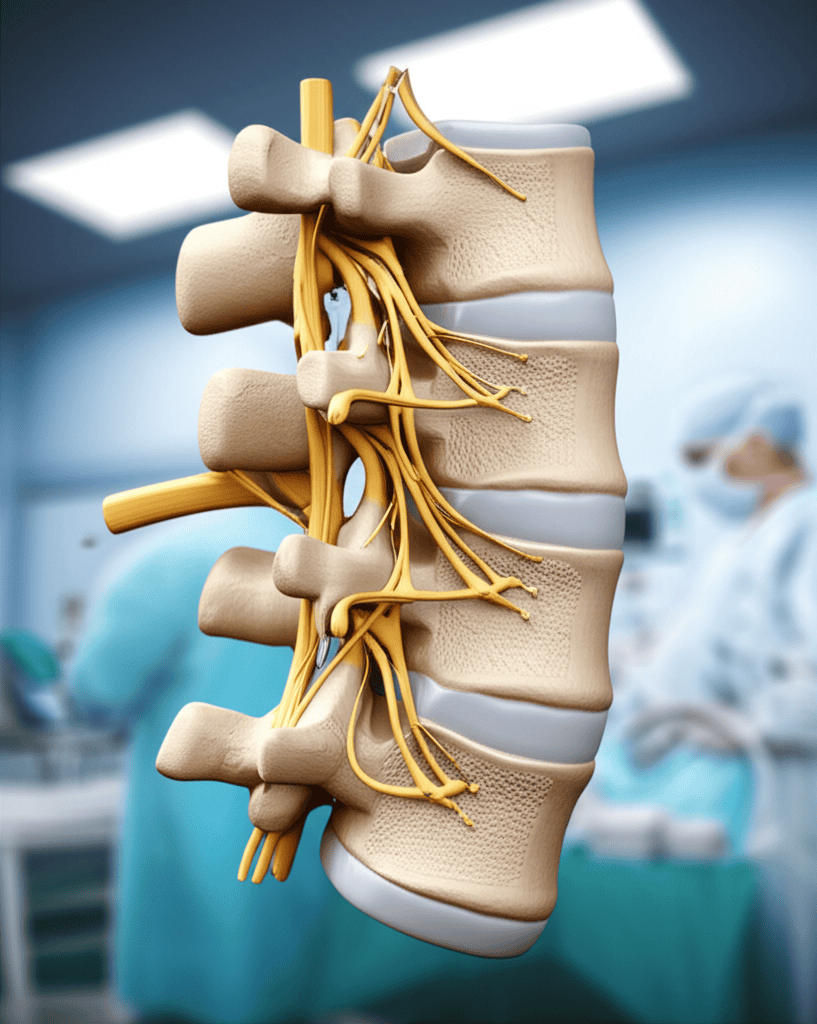
The condition can develop anywhere along the spine, including the cervical (neck), thoracic (mid-back), or lumbar (lower back) regions. Understanding the differences between foraminal stenosis vs spinal stenosis is important for proper diagnosis and treatment.
While both conditions involve narrowing of spinal structures, foraminal stenosis specifically affects the nerve exit pathways rather than the central spinal canal. This distinction impacts both symptom patterns and treatment approaches.
Foraminal stenosis typically develops gradually over time as degenerative changes affect the spine’s structures. Without proper care and management, the narrowing can worsen, potentially leading to increased nerve compression and more severe symptoms. Early recognition and appropriate intervention can help maintain spinal function and quality of life.
Types of Foraminal Stenosis
The location of foraminal stenosis significantly influences the symptoms patients experience and the treatment approach recommended by spine specialists.
Cervical foraminal stenosis affects the neck region and. When nerve roots are compressed in this area, patients often experience radiating pain, numbness, or weakness that travels down the arm into the hand and fingers.
Lumbar foraminal stenosis is the most commonly diagnosed type, affecting the lower back. This form as compressed nerve roots send pain signals down through the buttocks, thighs, calves, and sometimes into the feet.
Thoracic foraminal stenosis occurs in the mid-back area and is relatively rare compared to cervical and lumbar types. When it does occur, symptoms may include pain radiating around the ribcage or into the chest wall.
Spine specialists also classify stenosis based on its position within the foramen. Lateral stenosis occurs on the outer portions, while some narrowing may occur more centrally within the foramen itself. For patients wondering whether spinal stenosis foraminal condition worse health outcomes occur, location and severity both play important roles.
Common Symptoms of Foraminal Stenosis
Recognizing the symptoms of foraminal stenosis is the first step toward seeking appropriate care. The condition typically presents with distinctive patterns that reflect the specific nerve roots being compressed.
Radiculopathy—radiating pain along the nerve pathway—is one of the hallmark symptoms. This pain often feels electrical or shooting in nature and follows specific patterns corresponding to the affected nerve.
Numbness and tingling sensations frequently accompany the pain. Patients describe these feelings as “pins and needles” or areas of reduced sensation in the arms, hands, legs, or feet. Some individuals experience intermittent symptoms that come and go, while others deal with more constant discomfort.
Muscle weakness in the affected limbs can develop as nerve compression worsens. This may manifest as difficulty gripping objects, lifting items, or maintaining balance when walking.
while. The gradual onset of symptoms is typical, with many patients initially dismissing mild discomfort before it progressively intensifies.
Position-dependent symptoms are common—certain movements or postures aggravate the pain, while others provide relief. If you’re experiencing persistent nerve-related symptoms, the spine specialists at Legent Spine in Dallas-Fort Worth can provide a thorough evaluation to determine whether foraminal stenosis is the underlying cause.
What Causes Foraminal Stenosis?
Understanding the underlying causes of foraminal stenosis helps patients appreciate how the condition develops and what risk factors may contribute to its progression.
Degenerative disc disease is among the primary contributors. As intervertebral discs lose height and hydration with age, the vertebrae move closer together, reducing the space available within the neural foramen.
Bone spurs (osteophytes) develop as part of the body’s response to arthritis and joint instability. These bony projections form along the edges of vertebrae and facet joints, sometimes growing directly into the foraminal space.
Facet joint enlargement occurs when these small joints along the back of the spine become arthritic and enlarged. As they increase in size, they can narrow the foramen from the posterior (back) side.
Ligament thickening, particularly of the ligamentum flavum, can contribute to stenosis by reducing foraminal space. These ligaments may become stiff and bulky with age or in response to spinal instability. For more information, see our page on foraminal stenosis vs spinal stenosis 2.
Age-related wear and tear is the most significant risk factor. Previous spinal injuries, trauma, or repetitive stress can accelerate these degenerative processes, causing earlier onset of symptoms.
How Is Foraminal Stenosis Diagnosed?
Accurate diagnosis of foraminal stenosis requires a comprehensive evaluation combining clinical assessment with advanced imaging studies.
The diagnostic process begins with a detailed medical history and symptom review. Your spine specialist will ask about pain patterns, neurological symptoms, what movements worsen or relieve symptoms, and how the condition impacts your daily activities.
A thorough physical examination follows, including. Specialists examine posture, palpate the spine for tenderness, and perform neurological tests to identify which nerve roots may be affected.
MRI (magnetic resonance imaging) is. This imaging modality provides excellent visualization of soft tissues, including nerves, discs, and ligaments, allowing specialists to precisely identify the location and severity of foraminal narrowing.
X-rays, providing valuable information about spinal alignment, disc space height, and bony anatomy. CT scans Generally, provide detailed bone anatomy information and may be ordered when more detailed imaging of bone structures is needed.
Nerve conduction studies or electromyography (EMG) may be recommended in certain cases to assess nerve function and confirm which specific nerve roots are affected.
At Legent Spine, board-certified spine surgeons use these comprehensive diagnostic tools to develop accurate assessments and personalized treatment plans for patients throughout the Dallas-Fort Worth area. If you’re concerned about symptoms that may indicate foraminal stenosis, scheduling a consultation allows for proper evaluation and diagnosis.
Treatment Options for Foraminal Stenosis
Treatment for foraminal stenosis follows a progressive approach, typically beginning with conservative therapies and advancing to surgical options only when necessary.
Conservative treatment forms the foundation of initial management. Physical therapy programs focus on improving flexibility, strengthening core and postural muscles, and teaching movement patterns that minimize nerve compression.
Anti-inflammatory medications, whether over-the-counter or prescription, help reduce inflammation around compressed nerve roots and provide pain relief. These medications work best when combined with other conservative measures.
Epidural steroid injections offer another conservative option. Generally, epidural steroid injections can provide temporary pain relief and inflammation reduction, often allowing patients to participate in physical therapy more effectively. These targeted injections deliver anti-inflammatory medication directly to the affected area.
Activity modification and ergonomic adjustments help patients avoid positions and movements that aggravate symptoms. This might include adjusting workstation setup, modifying exercise routines, or using supportive devices during certain activities.
Surgical intervention becomes a consideration when conservative treatments don’t provide adequate relief.
Decompression procedures, including foraminotomy, remove bone spurs or other tissues compressing the nerve root, widening the foramen to relieve pressure. In some cases, stabilization procedures may be necessary to address underlying instability contributing to the stenosis.
The spine specialists at Legent Spine evaluate each patient individually to recommend the most appropriate treatment approach based on symptom severity, diagnostic findings, and personal health factors.
When to Seek Specialist Care
Knowing when to consult a spine specialist can make a significant difference in treatment outcomes and long-term spinal health.
Persistent symptoms lasting more than a few weeks warrant professional evaluation, even if pain levels are moderate. Early intervention often prevents progression and improves treatment success rates.
Progressive weakness or numbness requires prompt attention. Patients experiencing persistent nerve compression symptoms may need to seek evaluation from a spine specialist to prevent potential long-term nerve damage. Worsening neurological symptoms may indicate increasing nerve compression that needs immediate assessment.
When symptoms significantly impact daily activities—interfering with work, sleep, exercise, or routine tasks—specialist consultation is appropriate. Questions about spinal stenosis foraminal condition more serious implications should be addressed by qualified spine professionals.
Symptoms not responding to conservative care after several weeks suggest the need for more advanced evaluation and treatment options. Loss of bowel or bladder control represents a medical emergency requiring immediate attention, as it may indicate severe spinal cord compression.
The experienced team at Legent Spine provides comprehensive evaluations for patients in Dallas-Fort Worth experiencing these symptoms.
Managing Foraminal Stenosis at Home
Between professional treatments, several self-care strategies can help manage foraminal stenosis symptoms and support overall spinal health.
Proper posture and ergonomics play crucial roles in symptom management. Generally, maintaining proper posture and avoiding prolonged positions that aggravate symptoms can significantly reduce foraminal stenosis pain. Set up workspaces to support neutral spine positioning, take frequent breaks from sustained positions, and use supportive seating when needed.
Targeted stretching and strengthening exercises support spinal stability. Focus on exercises that your physical therapist or spine specialist recommends specifically for your condition.
Activity pacing helps balance staying active with avoiding symptom flare-ups. Listen to your body and adjust activity levels accordingly, gradually building tolerance over time.
Heat and ice application can provide temporary symptom relief. Ice reduces inflammation during acute flare-ups, while heat relaxes tight muscles and improves circulation. Alternate between the two based on what provides the most relief.
Anti-inflammatory medications, when used as recommended by your healthcare provider, support home management strategies. Weight management, when applicable, reduces stress on spinal structures and can decrease symptom severity. Even modest weight loss can make a meaningful difference for some patients.
These home management strategies work best as part of a comprehensive treatment plan developed with spine care professionals. For those researching whether spinal stenosis foraminal more serious conditions require more intensive intervention, professional guidance helps determine appropriate care levels.
Expert Spine Care in Dallas-Fort Worth
Foraminal stenosis is a manageable condition when diagnosed and treated appropriately. Understanding the symptoms, causes, and available treatment options empowers patients to take an active role in their spinal health.
Whether you’re experiencing early symptoms or have been dealing with chronic nerve-related pain, professional evaluation provides clarity and opens pathways to effective treatment. The spectrum of available therapies—from conservative care to advanced surgical techniques—means that solutions exist for patients at every stage of the condition.
At Legent Spine, our board-certified spine surgeons bring specialized expertise to diagnosing and treating foraminal stenosis for patients throughout Dallas-Fort Worth. We combine advanced diagnostic capabilities with personalized treatment planning, always prioritizing conservative approaches while offering surgical expertise when needed.
If you’re experiencing symptoms that may indicate foraminal stenosis—radiating pain, numbness, tingling, or weakness in your arms or legs—we invite you to schedule a consultation. Our team provides thorough evaluations, transparent communication about findings and options, and compassionate care throughout your treatment journey.
Contact Legent Spine today to take the first step toward understanding your symptoms and exploring treatment options that can help you return to the activities you enjoy.