
If you’re experiencing persistent neck pain, arm numbness, or weakness radiating down to your thumb and index finger, you may be dealing with C5-C6 foraminal stenosis. For patients in the Dallas area, understanding this common cervical spine condition is the first step toward finding relief and preventing progressive nerve damage. This condition affects the mid-to-lower neck region where critical nerves exit the spine to control sensation and movement in your shoulders, arms, and hands.
Foraminal stenosis differs from other spine conditions like spinal canal stenosis symptoms, and knowing the distinction helps you better communicate with your spine specialist about your specific symptoms. While foraminal stenosis vs spinal stenosis may seem similar, foraminal stenosis targets the specific openings where individual nerves exit, rather than the central canal itself.
Understanding C5-C6 Foraminal Stenosis
These vertebrae play a crucial role in your neck’s flexibility while protecting vital nerve pathways that enable you to perform everyday activities—from typing on a keyboard to lifting grocery bags.
Think of the neural foramen as small doorways on each side of your vertebrae. When these doorways narrow due to degenerative changes, the exiting nerves can become compressed or irritated, leading to pain and dysfunction.
The C5-C6 level is particularly vulnerable because it’s one of the most mobile segments in your cervical spine, making it especially susceptible to wear and tear over time. When the C6 nerve root becomes compressed, patients typically experience symptoms in a specific pattern—affecting the thumb side of the hand, the biceps muscle, and portions of the shoulder.
Unlike central canal stenosis, which affects the main spinal cord pathway, foraminal stenosis creates a more focused pattern of symptoms corresponding to the specific nerve being compressed. This distinction is important because it influences both diagnosis and treatment approaches. Many Dallas residents who come to our practice initially confuse their symptoms with signs you may spinal canal stenosis have, highlighting the importance of expert evaluation.
Common Causes of C5-C6 Foraminal Stenosis
Understanding what causes foraminal stenosis at the C5-C6 level helps you recognize risk factors and the progressive nature of this condition. Several factors contribute to the narrowing of the neural foramen.
Degenerative Disc Disease: As the disc between C5 and C6 loses height and hydration over time, it can bulge into the foramen space, reducing the room available for the exiting nerve root. This process often begins in middle age but can occur earlier following injury.
Bone Spurs (Osteophytes): These bony growths form along the edges of vertebrae and can project into the foramen, further narrowing the space available for nerves. While bone spurs are your body’s attempt to create stability, they can inadvertently compress neural structures.
Facet Joint Hypertrophy: The facet joints, located at the back of your spine, can become enlarged due to arthritis. This enlargement, combined with disc degeneration at the front of the spine, creates a pincer effect that narrows the foramen from both directions.
Natural Aging: Normal wear and tear affects everyone differently, but the C5-C6 level experiences significant stress throughout life due to its mobility. Many Dallas-area patients in their 50s and 60s develop some degree of foraminal narrowing as part of the natural aging process.
Previous Trauma: Past neck injuries, including whiplash from auto accidents common on Dallas-area highways, can accelerate degenerative changes at the C5-C6 level. Even injuries that occurred years ago can predispose this segment to earlier development of stenosis.
Recognizing Symptoms of C5-C6 Stenosis
Identifying your symptoms accurately is crucial for proper diagnosis and treatment. C5-C6 foraminal stenosis creates a characteristic pattern of complaints that many patients initially attribute to other causes. For more information, see our page on spinal stenosis foraminal bellaire patients.
Neck Pain and Stiffness: Many patients experience persistent discomfort in the lower neck region, often worse with certain movements or positions. This pain may be dull and constant or sharp during specific activities.
Radiating Arm Pain: This distinctive distribution helps spine specialists identify the specific nerve root involved. Patients often describe the pain as traveling down the outside of the arm in a predictable pattern.
Shoulder and Upper Back Discomfort: Pain may radiate into the shoulder blade region and upper back, sometimes mimicking rotator cuff problems. This overlap in symptoms sometimes leads patients to seek shoulder treatment before discovering the cervical spine origin.
Tingling and Electric Sensations: Many patients report tingling, pins-and-needles sensations, or even electric shock-like feelings in the affected arm and hand. These sensations can be intermittent or constant, depending on the severity of nerve compression.
Grip Weakness: C6 nerve compression can affect your ability to grip objects firmly, particularly involving thumb opposition and wrist extension. You might notice difficulty opening jars, holding a coffee cup, or maintaining grip during activities.
Position-Dependent Symptoms: This occurs because these movements further narrow the already-compromised foramen. Understanding these patterns helps you modify activities while seeking treatment.
How Foraminal Stenosis Is Diagnosed
Accurate diagnosis requires a comprehensive approach combining clinical expertise with advanced imaging technology. At Legent Spine, board-certified spine specialists use multiple evaluation methods to pinpoint your condition.
Medical History and Symptom Assessment: Your physician will ask detailed questions about when symptoms started, what makes them better or worse, and how they’re affecting your daily life. This information provides crucial diagnostic clues.
Physical and Neurological Examination: Your spine specialist will perform specific tests to evaluate nerve function, muscle strength, reflexes, and sensation in your arms and hands. The Spurling test, where the examiner extends and rotates your neck while applying gentle downward pressure, can help reproduce symptoms and confirm the diagnosis.
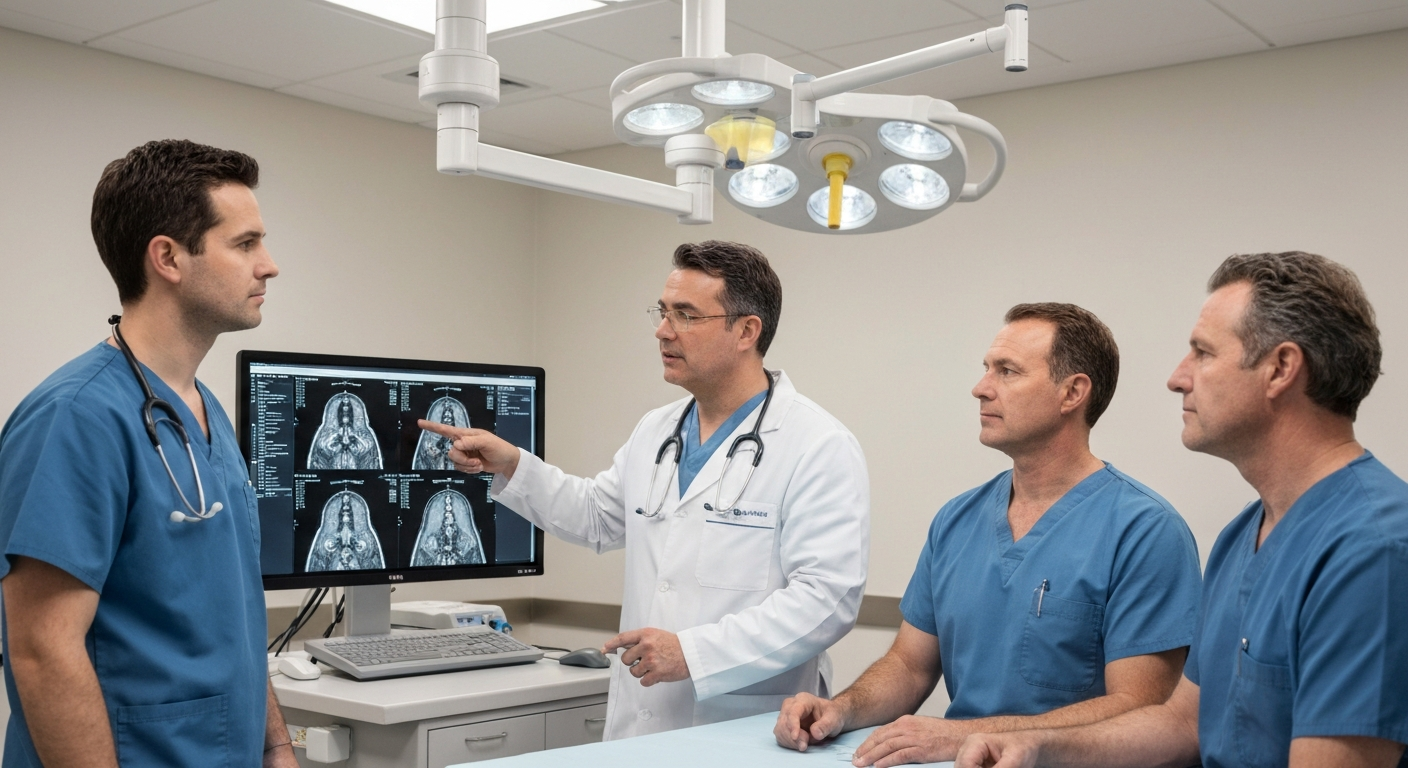
Advanced Imaging Studies: MRI provides detailed images of soft tissues including discs, nerves, and ligaments, making it the gold standard for diagnosing foraminal stenosis. X-rays may also be used to assess bone alignment and identify bone spurs, while CT scans can provide detailed bone anatomy when needed.
Specialized Nerve Testing: These tests help determine the severity of nerve involvement and rule out other conditions affecting the peripheral nerves.
The diagnostic process at Legent Spine typically begins with a thorough consultation where your concerns are heard and your goals for treatment are discussed. This patient-centered approach ensures that the recommended treatment plan aligns with your lifestyle and expectations.
Treatment Options for C5-C6 Foraminal Stenosis
Treatment for C5-C6 foraminal stenosis follows a progressive approach, starting with conservative methods and advancing to surgical options only when necessary. Most patients find relief through non-surgical treatments, particularly when intervention begins early. For more information, see our page on tomball patients spinal canal stenosis.
Physical Therapy and Targeted Exercises: A skilled physical therapist can teach you exercises that reduce nerve compression, improve neck mechanics, and strengthen supporting muscles. Postural training is particularly valuable for Dallas-area professionals who spend long hours at desks.
Anti-Inflammatory Medications: Nonsteroidal anti-inflammatory drugs (NSAIDs) can reduce inflammation around the compressed nerve, providing symptom relief. Your physician may recommend oral medications initially, progressing to other options if needed.
Cervical Epidural Steroid Injections: These targeted injections can reduce nerve inflammation and pain, allowing you to participate more effectively in physical therapy and rehabilitation. Some patients experience lasting relief from injections alone.
Activity Modification and Ergonomic Adjustments: Adjusting your work environment, sleeping position, and daily activities can significantly reduce symptoms. Your care team can provide specific recommendations tailored to your lifestyle.
When Surgery Becomes Necessary: If conservative treatments fail to provide adequate relief after several months, or if you’re experiencing progressive weakness or neurological decline, surgical intervention may be recommended. The goal of surgery is to decompress the affected nerve root and prevent permanent nerve damage.
Minimally Invasive Surgical Options: This procedure removes the source of nerve compression and stabilizes the C5-C6 segment. Other surgical options may include posterior foraminotomy, which enlarges the foramen without fusion, depending on your specific anatomy and condition.
At Legent Spine, fellowship-trained surgeons utilize the latest minimally invasive techniques to minimize tissue disruption, reduce postoperative pain, and accelerate recovery. Your dedicated care coordinator will guide you through every step of the treatment process, from initial evaluation through recovery.
Foraminal Stenosis Care in the Dallas Area
Dallas-area residents have access to world-class spine care without traveling far from home. This specialized expertise ensures you receive accurate diagnosis and effective treatment tailored to your condition.
At Legent Spine, we combine cutting-edge technology with a patient-first philosophy, ensuring you receive personalized attention throughout your treatment journey.
Our minimally invasive treatment options mean shorter recovery times and less disruption to your busy Dallas lifestyle. Whether you’re dealing with symptoms that have just begun or have been struggling with chronic neck and arm pain, a comprehensive evaluation can provide clarity and direction.
Each patient at Legent Spine receives a personalized care plan developed specifically for their condition, goals, and lifestyle. Your dedicated care coordinator remains available to answer questions, schedule appointments, and support you through every phase of treatment and recovery.
If you’re experiencing neck pain, arm numbness, or weakness that might indicate C5-C6 foraminal stenosis, don’t wait for symptoms to worsen. Early evaluation and intervention can prevent progressive nerve damage and help you return to the activities you enjoy. Contact Legent Spine to schedule a comprehensive evaluation with one of our board-certified spine specialists.
What Happens Without Treatment
While it may be tempting to postpone addressing your symptoms, untreated foraminal stenosis can lead to serious consequences. What begins as intermittent discomfort can evolve into constant pain and functional limitations.
Progressive nerve compression increases the risk of permanent nerve damage. As compression continues, the affected nerve may lose its ability to recover fully, even after the pressure is relieved. This can result in lasting weakness, diminished sensation, or chronic pain that becomes resistant to treatment.
Worsening neurological symptoms typically follow a predictable pattern—starting with pain and numbness, progressing to weakness, and potentially resulting in significant functional impairment. Simple tasks like buttoning shirts, writing, or using a smartphone can become frustratingly difficult.
The window for optimal recovery narrows as nerve compression persists. Patients who seek treatment early generally experience better results and have more treatment options available, including non-surgical approaches.
Beyond the physical consequences, untreated foraminal stenosis significantly impacts quality of life. Chronic pain affects sleep, mood, work performance, and relationships. Activities you once enjoyed may become impossible, leading to frustration and diminished life satisfaction.
The good news is that appropriate treatment, whether conservative or surgical, can often provide substantial relief and prevent these negative outcomes. The first step is scheduling a comprehensive evaluation with a board-certified spine specialist who can assess your condition and recommend the most appropriate treatment path.
At Legent Spine, we understand that neck and arm pain disrupts your daily life, and we’re committed to helping you find relief through expert, compassionate care. Our team of fellowship-trained spine specialists brings years of experience diagnosing and treating C5-C6 foraminal stenosis using both conservative and advanced minimally invasive surgical techniques. Contact us today to take the first step toward relief and recovery.