
If you’re dealing with persistent lower back pain that radiates down your legs, you may be facing spondylolisthesis—a condition where one vertebra slips forward over the one below it. For many Dallas-area patients, the good news is that nonsurgical treatment approaches recommended by the American Academy of Orthopaedic Surgeons offer effective relief without surgery. Understanding your conservative treatment options helps you make informed decisions about managing this condition and returning to the active lifestyle that Greater Dallas living demands.
Understanding Spondylolisthesis: Anatomy and Diagnosis
This displacement creates a cascade of symptoms that can significantly impact your daily life.
Your lower back contains the lumbar spine, where five vertebrae stack to support your upper body while allowing you to bend and twist. When one of these vertebrae shifts out of alignment, it can pinch nearby nerves and cause considerable discomfort.
Two main types of spondylolisthesis affect Dallas patients differently. may Isthmic spondylolisthesis results from a stress fracture in the pars interarticularis—a small section of bone connecting the facet joints. This type often develops in younger, active individuals. often Degenerative spondylolisthesis stems from age-related changes in the spinal structures and typically affects adults over fifty.
Common symptoms include lower back pain that worsens with activity, leg pain or sciatica, numbness or tingling in the legs, and tight hamstring muscles. Some patients experience difficulty standing for long periods or walking distances—activities many Dallas residents enjoy at places like Klyde Warren Park or the Dallas Arboretum.
Accurate diagnosis requires imaging studies. X-rays reveal the degree of vertebral slippage, while often MRI scans show soft tissue details including nerve compression and disc health. usually CT scans provide detailed bone structure information. Physicians use a grading system from Grade I (mild, less than 25% slippage) to Grade IV (severe, more than 75% slippage) to determine severity and guide treatment decisions.
AAOS Guidelines for Nonsurgical Treatment
This evidence-based approach recognizes that many patients achieve meaningful symptom relief and functional improvement through comprehensive nonsurgical protocols.
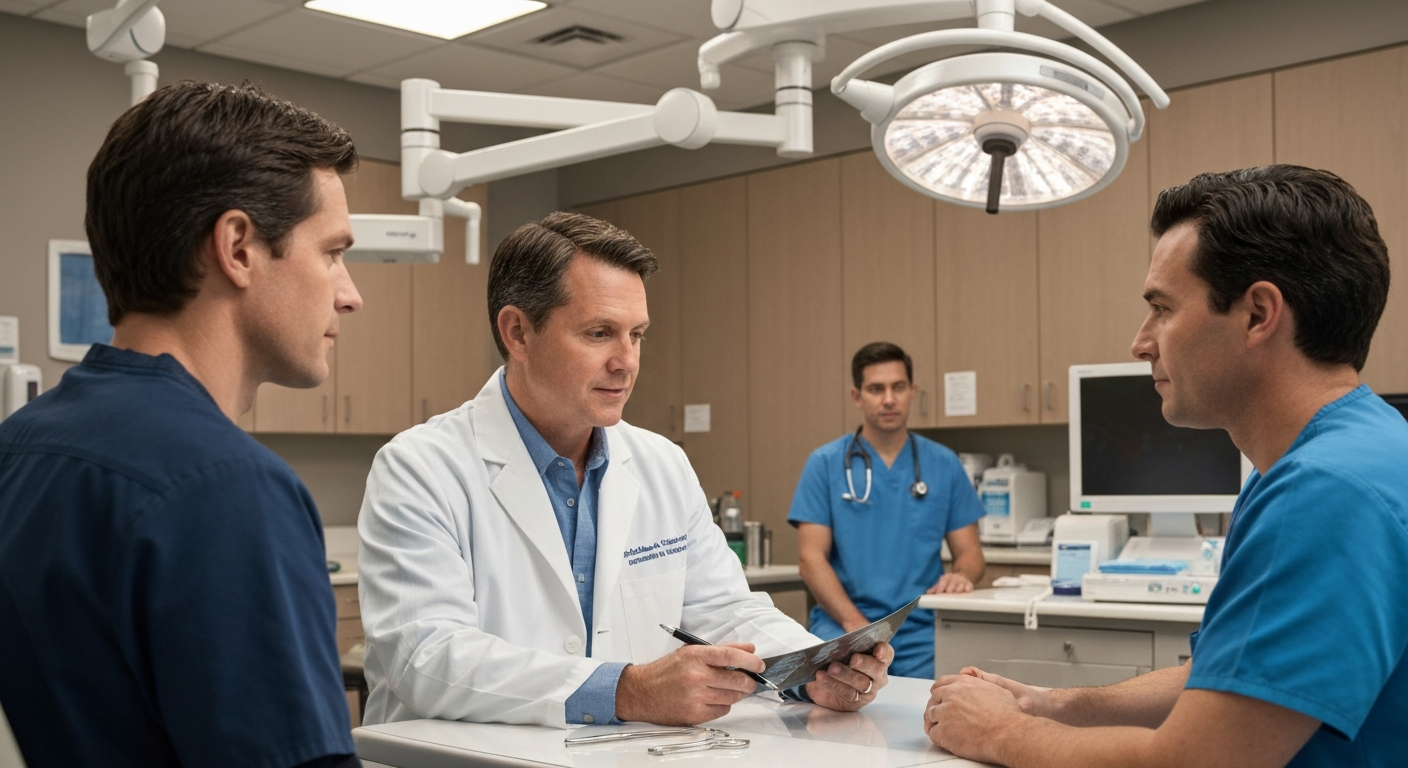
The AAOS endorses conservative management for mild-to-moderate cases because the outcomes are encouraging. These structured approaches combine multiple treatment methods rather than relying on any single intervention.
often A typical conservative treatment program spans six to twelve weeks before reassessing progress. This timeframe allows enough time for therapies to take effect while preventing prolonged suffering if symptoms don’t improve. Your spine specialist will monitor your response through objective measurements like pain scales, functional assessments, and repeat imaging when necessary.
The primary goal extends beyond simple pain reduction. Successful nonsurgical treatment aims to restore your ability to perform daily activities, return to work, and enjoy recreational pursuits. For Dallas patients, this might mean returning to golf, resuming walks around White Rock Lake, or simply playing with grandchildren without debilitating pain.
Physical Therapy and Exercise Programs
Physical therapy represents the cornerstone of nonsurgical spondylolisthesis treatment. These deep stabilizing muscles act like a natural back brace, supporting your spine from within. For more information, see our page on aaos spondylolisthesis treatment nonsurgical surgical 6.
Flexibility and stretching exercises complement strength training by improving range of motion and reducing muscle tension. Tight hamstrings and hip flexors often contribute to lower back strain, creating a cycle of discomfort. A comprehensive stretching program addresses these imbalances while promoting healthy movement patterns.
Stabilization exercises specifically target the deep abdominal muscles that control spinal positioning. Unlike traditional sit-ups or crunches, these exercises focus on maintaining neutral spine alignment while performing controlled movements. Examples include bird dogs, planks with proper form, and bridge exercises with progressive difficulty levels.
However, generally supervised therapy programs consistently yield better outcomes than self-directed exercise alone. A skilled physical therapist monitors your form, adjusts exercises based on your response, and prevents compensatory movement patterns that could worsen symptoms.
Progressive loading based on individual tolerance ensures steady improvement without setbacks. Your therapist gradually increases exercise difficulty as your strength and stability improve, building confidence alongside physical capabilities.
What to Expect from Physical Therapy
Your initial physical therapy evaluation includes comprehensive range of motion testing, strength assessments, and functional movement analysis. This baseline data helps your therapist create a personalized exercise program tailored to your specific needs and goals.
Sessions typically occur two to three times per week for six to twelve weeks, though the exact schedule depends on your individual needs and response to treatment. Each session lasts approximately forty-five to sixty minutes and includes hands-on techniques, supervised exercises, and education about proper body mechanics.
A home exercise program is critical to success. The exercises you perform at home between therapy sessions reinforce the progress made during supervised treatment. Consistency matters more than intensity—regular daily practice produces better long-term results than sporadic intensive efforts.
Progress monitoring through objective measurements keeps you and your healthcare team informed about treatment effectiveness. Periodic reassessments track improvements in strength, flexibility, pain levels, and functional abilities, allowing adjustments to your program as needed.
Anti-Inflammatory Medications and Pain Management
Common over-the-counter options include ibuprofen and naproxen, which work by blocking inflammatory chemicals in your body.
These medications serve a supporting role rather than a standalone treatment. Short-term use facilitates participation in physical therapy by reducing pain enough to perform therapeutic exercises effectively. However, relying solely on medications without addressing underlying mechanical problems rarely produces lasting improvement.
Muscle relaxants may help during acute muscle spasm episodes. When back muscles go into protective spasm around an unstable segment, these medications can break the cycle of pain and tension. However, they typically provide only temporary relief and work best when combined with other treatment approaches.
Prescription options are available if over-the-counter medications prove insufficient. Your physician at Legent Spine can recommend stronger anti-inflammatory medications or other pharmaceutical approaches based on your specific situation.
This synergistic approach addresses both pain management and functional restoration, creating better long-term outcomes than either treatment independently.
Activity Modification and Lifestyle Adjustments
This means temporarily limiting activities like running, heavy weightlifting, or jobs requiring frequent bending and lifting.
Modifying work ergonomics and posture habits makes a substantial difference in symptom management. Dallas professionals spending hours at desks should ensure proper chair height, monitor positioning, and regular position changes. Standing desk options allow alternating between sitting and standing throughout the workday.
Using proper body mechanics for all activities protects your spine during healing. This includes lifting with your legs rather than your back, avoiding twisting while carrying loads, and maintaining neutral spine positions during daily tasks. These principles apply whether you’re moving boxes in your Uptown apartment or gardening in your Richardson backyard.
Good posture isn’t just about standing straight—it involves maintaining the natural curves of your spine while sitting, standing, and moving.
Gradual return to activities as symptoms improve prevents re-injury while rebuilding confidence. Weight management also reduces spinal loading, since every extra pound increases stress on your lower back structures. For many patients, combining dietary changes with appropriate exercise creates positive momentum in multiple health areas simultaneously.
Advanced Conservative Options: Injections and Bracing
When first-line conservative treatments provide insufficient relief, advanced nonsurgical options can bridge the gap before considering surgery. These injections deliver anti-inflammatory medication directly to the source of nerve irritation.
Facet joint injections address a different pain source—the arthritic changes in the small joints connecting vertebrae. When degeneration in these joints contributes to your overall pain picture, targeted injections can provide diagnostic information and therapeutic relief simultaneously.
Lumbar bracing provides temporary external spinal stability during the healing process. A properly fitted brace limits excessive movement while reminding you to maintain good posture. However, bracing alone rarely solves spondylolisthesis symptoms long-term.
The brace supports your spine while you build internal strength through physical therapy. As your core muscles become stronger, brace dependence gradually decreases.
These adjunctive treatments serve as stepping stones toward long-term improvement. They can reduce pain enough to participate fully in physical therapy, allowing you to build the strength and stability needed for lasting symptom relief.
When Nonsurgical Treatment May Not Be Enough
While conservative treatment succeeds for most spondylolisthesis patients, some situations may eventually require surgical evaluation. This timeframe ensures adequate conservative treatment trials before considering more invasive options.
Progressive neurological symptoms demand prompt attention. If you develop increasing weakness, numbness that worsens despite treatment, or loss of bowel or bladder control, immediate specialist consultation is essential. These symptoms suggest worsening nerve compression that may require surgical decompression.
Significant functional limitation despite consistent treatment participation indicates that conservative measures aren’t addressing your condition adequately. When pain prevents you from working, caring for family, or performing basic daily activities after thorough nonsurgical treatment, surgical options deserve consideration.
High-grade spondylolisthesis (Grade III or IV, where the vertebra slips more than 50 percent) may require surgical intervention if nonsurgical measures fail. Higher-grade slippage creates greater mechanical instability that sometimes exceeds what conservative treatment can effectively manage.
Documented progression of vertebral slippage on serial imaging studies suggests ongoing instability. If your condition continues worsening despite appropriate nonsurgical care, a spine specialist can discuss whether stabilization surgery would provide better long-term outcomes.
The board-certified spine surgeons at Legent Spine take a conservative-first approach, reserving surgery for patients who genuinely need it. A comprehensive evaluation helps determine whether you’ve truly exhausted nonsurgical options or whether alternative conservative approaches might still help.
Spondylolisthesis Care in the Greater Dallas Area
Dallas-area residents have access to exceptional spine care resources, including board-certified specialists who understand both conservative and surgical treatment approaches. At Legent Spine, fellowship-trained spine surgeons provide comprehensive evaluations that explore all appropriate treatment options before recommending surgery.
When surgery does become necessary, minimally invasive techniques offer faster recovery and less tissue disruption than traditional open procedures. These advanced surgical approaches allow many Dallas patients to return to work and activities more quickly than previous generations of spine surgery patients.
The Greater Dallas area also offers dedicated physical therapy resources specializing in spine rehabilitation. Working with therapists experienced in spondylolisthesis treatment ensures you receive evidence-based care tailored to your specific condition.
Transparent treatment planning from diagnosis forward helps you understand your options and participate actively in decisions about your care. At Legent Spine, dedicated care coordinators guide you through every step of evaluation and treatment, ensuring you never feel lost in the healthcare system.
Whether you need conservative management or eventually require surgical intervention, having access to comprehensive spine care allows continuity throughout your treatment journey. If you’re experiencing symptoms consistent with spondylolisthesis, scheduling an evaluation with a spine specialist can provide clarity about your diagnosis and outline an appropriate treatment path.
Understanding your nonsurgical treatment options empowers you to make informed decisions about managing spondylolisthesis. With the right combination of physical therapy, activity modification, pain management, and specialist guidance, many Dallas-area patients successfully overcome this condition and return to the activities they love.