
If you’ve been diagnosed with spondylolisthesis in the Dallas area, your first question is likely whether you’ll need surgery. The good news? Most patients successfully manage their condition without it. Understanding your AAOS spondylolisthesis treatment nonsurgical surgical options empowers you to make informed decisions about your care.
At Legent Spine, we specialize in personalized conservative treatment strategies that help Dallas-area patients avoid surgery while effectively addressing their symptoms. Our approach helps you maintain the active lifestyle you value.
Understanding Spondylolisthesis: What Happens to Your Spine
In simpler terms, this condition occurs when one vertebra slips forward over the one below it. This displacement can potentially cause lower back pain and other symptoms.
The slippage typically results from two main causes. The first is spondylolysis—a stress fracture in the pars interarticularis, a small bony bridge in the back of your vertebra. The second is degenerative changes in the discs and ligaments that normally hold your vertebrae in proper alignment.
Doctors classify spondylolisthesis into grades based on severity. Grade 1 involves mild slippage of less than 25%, while grade 4 indicates severe slippage exceeding 75%. This grading system helps your spine specialist determine the most appropriate treatment pathway.
Athletes who participate in sports requiring repetitive hyperextension of the spine face higher risk. Gymnastics, football, and diving are common culprits.
As we age, the structures supporting our spine naturally weaken. This makes older adults more susceptible to vertebral slippage. Genetic factors also play a role, with some individuals inheriting spinal structures that increase vulnerability.
Here’s something interesting: often many patients show spondylolisthesis on imaging studies yet experience no symptoms whatsoever. This underscores an important principle—imaging findings don’t always correlate with pain levels. Treatment decisions should be based on your symptoms, not X-rays alone.
Why Nonsurgical Treatment Works for Most Patients
The foundation of AAOS spondylolisthesis treatment approaches begins with conservative management. This isn’t simply a delaying tactic—it’s a proven first-line treatment that delivers excellent results. Clinical evidence suggests that conservative treatment successfully manages symptoms in 80-90% of spondylolisthesis patients.
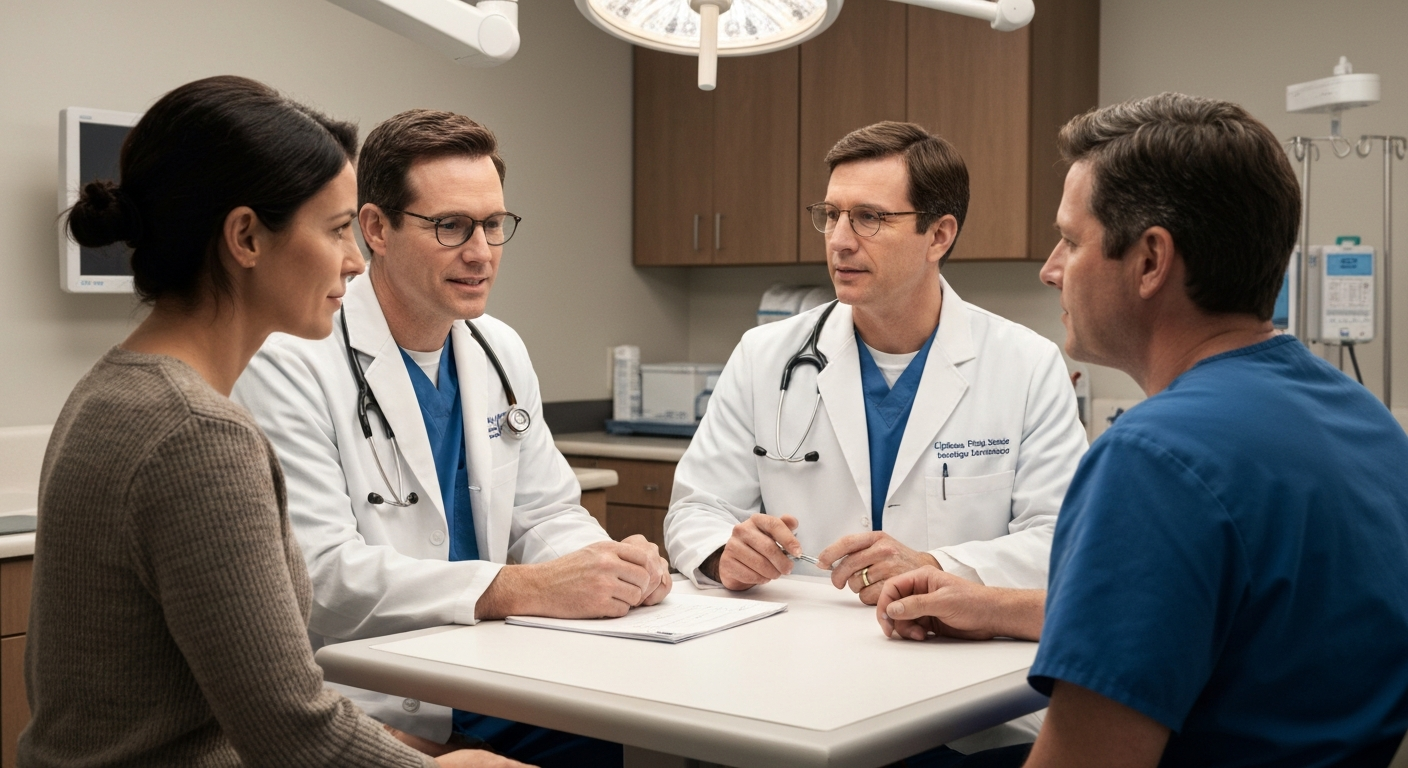
The AAOS specifically recommends conservative management as the initial treatment for symptomatic spondylolisthesis. Structured nonsurgical treatment helps stabilize your spine, strengthens supporting muscles, and addresses the mechanical factors contributing to pain. This comprehensive approach doesn’t just mask symptoms—it creates lasting functional improvements.
For Dallas patients balancing work, family, and active lifestyles, personalized care plans that fit your specific circumstances significantly improve outcomes. At Legent Spine, we recognize that each patient’s situation is unique, requiring tailored strategies rather than cookie-cutter protocols.
Core Nonsurgical Treatment Options
Comprehensive conservative management incorporates multiple treatment approaches working together to reduce pain, improve function, and prevent progression. Understanding these evidence-based treatment options helps you actively participate in your recovery.
Physical therapy and structured exercise programs form the cornerstone of nonsurgical care. A skilled physical therapist designs a progressive program targeting the specific muscles that support and stabilize your spine. You’ll gradually build strength and endurance while learning proper movement patterns.
Anti-inflammatory medications and pain management complement physical therapy by controlling discomfort during the healing process. Over-the-counter options like ibuprofen and naproxen reduce inflammation in affected spinal structures. For cases requiring stronger intervention, prescription medications provide additional relief.
Activity modification and lifestyle adjustments prevent symptom aggravation while your body heals and adapts. This doesn’t mean complete inactivity. Rather, it involves intelligent modifications that allow you to maintain function while avoiding movements that stress the affected vertebrae.
Bracing and spinal support devices offer temporary stabilization during acute symptom flares or specific activities. While not intended for long-term use, bracing serves as a valuable tool during the initial treatment period.
Epidural steroid injections deliver targeted relief when symptoms persist despite other conservative measures. These injections reduce inflammation surrounding nerve roots. They often provide the window of relief necessary for effective physical therapy participation.
Physical Therapy and Exercise Programs
The therapeutic exercises forming the foundation of spondylolisthesis care target specific muscle groups critical to spinal stability. These deep core muscles function as your spine’s natural brace. Strengthening them creates lasting support that reduces stress on vulnerable vertebrae.
Flexibility work, particularly hamstring stretching, plays an equally important role. Tight hamstrings create a biomechanical chain reaction that increases forces on your lower back. Improving flexibility directly reduces strain on affected spinal segments.
A well-designed physical therapy program follows graduated progression principles. You’ll start with foundational movements and gradually advance to more challenging exercises as your strength and stability improve. This methodical approach prevents reinjury while building the functional capacity necessary for return to normal activities.
Medication and Pain Management
Pharmacological interventions complement physical therapy and lifestyle modifications in a comprehensive conservative treatment approachOver-the-counter NSAIDs like ibuprofen and naproxen represent the first line of medication management. They reduce inflammation and discomfort during the initial treatment phases.
For moderate to severe cases, prescription medications provide additional pain control options. Your spine specialist may recommend stronger anti-inflammatory medications, nerve pain medications, or short-term muscle relaxants to address associated muscle spasms. The key is coordinating these medications as part of an integrated treatment plan rather than relying on them as standalone solutions.
When oral medications prove insufficient, interventional pain management techniques offer targeted relief. Epidural steroid injections precisely deliver anti-inflammatory medication to inflamed nerve roots. This often provides substantial symptom improvement that facilitates more effective participation in physical therapy.
Activity Modification and Lifestyle Changes
Daily adjustments that reduce mechanical stress on your spine significantly impact treatment success. During the acute treatment phase, avoiding these high-impact movements allows healing to occur while you build the stability necessary for eventual safe return to desired activities.
Heavy lifting creates substantial compressive and shear forces on the lumbar spine. Proper lifting technique becomes essential, and complete avoidance may be necessary during initial treatment. Learning to lift with proper mechanics—using your legs rather than your back, keeping loads close to your body, and avoiding twisting—protects your spine during daily activities.
For Dallas professionals spending significant time at desks, ergonomic workstation setup and regular movement breaks prevent symptom aggravation. Small adjustments like monitor height, chair support, and standing desk usage make substantial differences over time.
Athletic patients throughout the Greater Dallas area often require sport-specific modifications. A gymnastics coach might adjust training volume. A football player might temporarily eliminate certain contact drills. A runner might transition to lower-impact cross-training. These modifications allow continued athletic participation while respecting the healing process.
As symptoms improve, a gradual, monitored return to activities prevents setbacks. Your spine specialist and physical therapist guide this progression, ensuring you rebuild capacity systematically rather than rushing back too quickly.
Monitoring and When to Consider Surgery
Regular follow-up appointments with your spine specialist track treatment progress through both clinical assessment and periodic imaging studies. These evaluations determine whether conservative management is achieving the desired outcomes or if adjustments to your treatment plan are necessary. Most patients show measurable improvement within the first few months of structured conservative care.
The American Academy of Orthopaedic Surgeons recommends surgical intervention for spondylolisthesis when nonsurgical treatment fails to relieve symptoms after an adequate trial period. This trial period typically ranges from six to twelve months of consistent conservative treatment. If symptoms persist despite comprehensive nonsurgical management, surgical consultation becomes appropriate.
Certain situations warrant earlier surgical evaluation. These red-flag symptoms suggest nerve compression requiring more urgent intervention. Similarly, patients experiencing progressive neurological deficits despite conservative treatment need prompt surgical assessment.
Grade 3 and 4 spondylolisthesis (greater than 75% vertebral slippage) may require surgical fusion depending on symptoms and progression. While many high-grade slips remain stable and asymptomatic, others demonstrate progression that ultimately necessitates surgical stabilization. Board-certified spine specialists integrate clinical symptoms, imaging findings, and functional limitations to determine when surgery offers the best path forward.
The decision to proceed with surgery is never taken lightly. At Legent Spine, we thoroughly explore all conservative options before recommending surgical intervention. This ensures you have complete information to make confident decisions about your care.
Expert Nonsurgical Spondylolisthesis Care in Greater Dallas
Serving the Greater Dallas area with expert spine care, Legent Spine offers comprehensive conservative management for patients diagnosed with spondylolisthesis. Our board-certified spine specialists bring extensive experience in AAOS-standard treatment protocols, ensuring you receive evidence-based care aligned with the latest clinical guidelines.
We begin every patient relationship with a thorough evaluation to understand your specific symptoms, functional limitations, and treatment goals. This comprehensive assessment allows us to develop personalized treatment plans tailored to your individual needs. Your treatment pathway reflects your unique circumstances, lifestyle requirements, and recovery objectives.
Our dedicated care coordinators support you throughout the recovery journey. They help schedule appointments, coordinate with physical therapists, and answer questions as they arise. This team-based approach ensures seamless communication and continuity of care from your initial consultation through successful completion of conservative treatment.
If conservative management doesn’t provide adequate relief and surgery becomes necessary, our fellowship-trained spine surgeons offer the latest minimally invasive techniques. These advanced approaches are designed for faster recovery and reduced tissue disruption. However, our commitment to exhaustive conservative treatment means surgery is considered only when truly indicated.
If you’re experiencing symptoms of spondylolisthesis, we invite you to schedule a comprehensive evaluation with our spine specialists. Together, we’ll determine the most appropriate treatment pathway to help you achieve lasting relief and return to the activities you value.