
Introduction: Understanding the Scoliosis-Groin Pain Connection
When most people think about scoliosis, they picture back pain, uneven shoulders, or a visible spinal curve. What many don’t realize is that this spinal condition can cause discomfort in seemingly unrelated areas—including the groin.
yet the full range of symptoms often surprises patients. Groin pain from scoliosis is frequently overlooked or misdiagnosed because the connection between a curved spine and lower abdominal discomfort isn’t immediately obvious. This confusion can lead to prolonged suffering as patients pursue treatment for hip problems or muscle strains that don’t address the real cause.
Similar to how scoliosis can cause hip pain, the biomechanical changes created by spinal curvature can affect structures throughout your pelvis and lower body. A comprehensive evaluation by a board-certified spine specialist can identify whether scoliosis is the underlying cause of your groin discomfort.
Once the connection between scoliosis and groin pain is properly identified, many patients benefit from personalized treatment plans that address the root cause. Whether through conservative therapies or advanced minimally invasive procedures, relief is possible when you work with spine specialists who understand the full impact of spinal curvature on your body.
How Scoliosis Can Cause Groin Pain
Understanding why a curved spine might produce groin pain requires looking at how scoliosis affects your entire body’s alignment. Scoliosis creates an abnormal lateral curvature that fundamentally alters how your body distributes weight and maintains balance during everyday activities.
This spinal misalignment doesn’t stay isolated to your back. Your body naturally tries to maintain an upright posture and keep your head centered over your pelvis, but when your spine curves abnormally, this compensation requires other structures to work harder or in unusual positions.
One of the most significant connections between scoliosis and groin pain involves the sacroiliac joints at the base of your spine. When scoliosis alters your spinal mechanics, these joints often experience uneven stress and loading patterns they weren’t designed to handle.
Much like how scoliosis affects hip alignment, sacroiliac joint dysfunction creates referred pain patterns that extend into the groin, hip flexors, and upper thigh regions. This referred pain occurs because nerves in this area overlap, and inflammation in one structure can produce symptoms in nearby areas.
Muscle tension also plays a significant role. The muscles surrounding your spine, pelvis, and hips must constantly work to compensate for the abnormal spinal curve. This chronic tension can lead to trigger points and muscle spasms that radiate discomfort into the groin region. Nerve compression related to scoliosis can also contribute to groin discomfort by affecting nerve signals that travel to the lower abdomen and groin area.
Sacroiliac Joint Dysfunction and Groin Pain
The sacroiliac joint deserves special attention when discussing scoliosis-related groin pain. These paired joints act as shock absorbers between your spine and pelvis, stabilized by strong ligaments that can become stressed when scoliosis changes normal spinal mechanics.
When scoliosis places uneven stress on the sacroiliac joints, several problems can develop. The joint may become inflamed, producing local pain and tenderness. It can also develop instability, creating a sensation of the pelvis “giving way.” In other cases, the joint may become restricted and lose normal motion, causing stiffness and compensatory strain in surrounding muscles.
making it a significant contributor to persistent discomfort. What makes sacroiliac dysfunction particularly relevant to groin pain is its characteristic referral pattern. Pain from these joints typically radiates to the buttocks, but it frequently extends into the groin, inner thigh, and sometimes down the leg.
Many patients describe sacroiliac-related groin pain as deep and aching during rest, but sharp or stabbing with certain movements. Activities like getting out of a car, climbing stairs, or standing from a seated position often aggravate the discomfort. The pain may be worse on one side, corresponding to the direction of the scoliotic curve.
Leg Length Discrepancy and Pelvic Stress
Another way scoliosis can produce groin pain involves leg length discrepancies. Scoliosis can create either structural differences where one leg is actually shorter, or functional differences where the curvature makes one leg appear shorter even though the bones are the same length.
However, even smaller differences can alter your gait pattern and weight distribution enough to create problems over time.
Your pelvis tilts to accommodate the difference, placing excessive strain on hip flexors, groin muscles, and the structures surrounding your sacroiliac joints. The muscles on one side must work harder to lift your leg during walking, while the opposite side experiences more impact force with each step. This imbalance creates chronic muscle tightness, fatigue, and eventually pain that often manifests in the groin area.
The compensation patterns your body develops don’t just affect your legs and pelvis—they reinforce the abnormal spinal mechanics that caused the problem initially. Breaking this cycle often requires addressing both the spinal curvature and the resulting biomechanical imbalances.
Recognizing Scoliosis-Related Groin Pain: Symptom Patterns
How can you tell if your groin pain might be related to scoliosis rather than a hip problem or hernia? While only a comprehensive evaluation by a spine specialist can provide a definitive diagnosis, certain symptom patterns suggest a spinal origin for your discomfort.
Scoliosis-related groin pain typically worsens with prolonged sitting or standing in one position. You might notice the discomfort builds gradually when you’re sitting at your desk for several hours or standing in line. This pattern occurs because sustained positions stress your compensatory muscle patterns and load your sacroiliac joints continuously. For more information, see our page on can scoliosis cause hip pain.
The pain often improves with rest or position changes. Getting up to walk after sitting, or lying down after standing, frequently provides temporary relief. This responsiveness to position changes distinguishes scoliosis-related groin pain from other causes that produce more constant symptoms. For more information, see our page on does scoliosis cause hip pain 5.
Another telltale sign is groin discomfort that occurs alongside visible spinal curvature, shoulder height differences, or other postural asymmetries. If you’ve noticed these changes, it increases the likelihood that your groin symptoms have a spinal origin. Similarly, symptoms that developed gradually rather than from a specific injury often point toward a biomechanical cause like scoliosis.
Many patients also notice that their groin pain is accompanied by lower back stiffness, muscle tightness in the hips, or occasional sciatic-type symptoms. This clustering of symptoms in multiple areas suggests a central problem in the spine rather than an isolated issue in one joint or muscle group.
Diagnosis: Connecting Groin Pain to Scoliosis
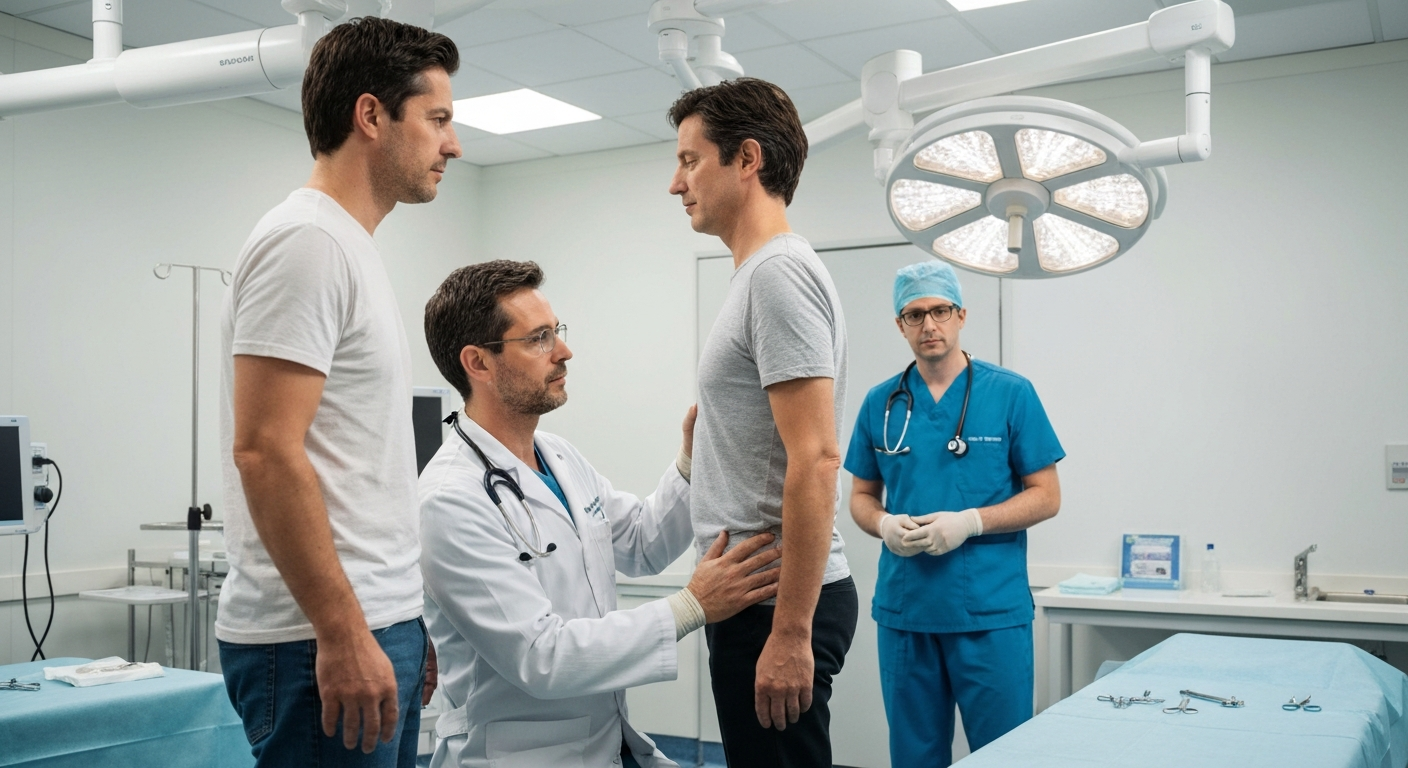
When you visit a spine specialist with groin pain, a systematic evaluation helps determine whether scoliosis is the underlying cause. This comprehensive assessment examines how your entire musculoskeletal system functions and identifies the source of your symptoms. For more information, see our page on does scoliosis cause hip pain 4.
Your evaluation begins with a detailed medical history. Your spine specialist will ask about when your symptoms started, what makes them better or worse, and whether you’ve noticed any postural changes. This conversation helps establish important patterns and guides the physical examination.
The physical examination includes postural assessment, range of motion testing, and specialized tests that evaluate sacroiliac joint function and nerve involvement. Your doctor will also check for leg length discrepancies, muscle strength imbalances, and areas of tenderness.
Imaging studies provide crucial objective information about your spine’s structure. X-rays taken from multiple angles reveal the degree and location of spinal curvature, while also showing alignment of your pelvis and sacroiliac joints. This detailed visualization helps your spine specialist see inflammation, nerve compression, or other problems that might not be apparent on X-rays alone.
At Legent Spine, our fellowship-trained surgeons use advanced diagnostic technology, including Digital Motion X-ray, which captures your spine’s movement in real-time. This dynamic imaging can reveal instability or abnormal motion patterns that contribute to your symptoms but might be missed on standard X-rays.
Treatment Options for Scoliosis-Related Groin Pain
The encouraging news for Dallas patients experiencing scoliosis-related groin pain is that effective treatment options are available. Most cases respond well to conservative treatment as a first-line approach, though the specific combination of therapies varies based on your individual situation.
Treatment plans at Legent Spine are personalized based on factors like the severity of your scoliotic curve, your age, symptom duration, and how much the condition affects your daily activities. Multiple treatment modalities often work better together than any single approach in isolation.
Conservative Treatment Approaches
Physical therapy forms the foundation of conservative treatment for scoliosis-related groin pain. A specialized physical therapy program focuses on strengthening your core muscles, which provide essential stability for your spine, and your hip muscles, which help control pelvic alignment.
Your physical therapist will design exercises that specifically address the imbalances created by your scoliotic curve. This might include stretches to release tight hip flexors and groin muscles, strengthening exercises for weak areas, and postural training to improve how you sit, stand, and move throughout the day.
Anti-inflammatory medications can reduce pain and improve your function enough to participate fully in physical therapy and daily activities. These medications address the inflammation in your sacroiliac joints and surrounding muscles that contributes to groin discomfort.
Activity modification plays an important role in managing scoliosis-related groin pain. This doesn’t mean avoiding all activities, but rather learning which positions or movements trigger your symptoms and finding alternatives. Your care team can help you identify problematic patterns and develop strategies to minimize discomfort.
Ergonomic adjustments to your workspace, seating arrangements, and even your sleeping position can significantly reduce sustained stress on your spine and pelvis. Simple changes like adjusting your chair height, using lumbar support, or modifying your computer monitor position may provide substantial relief.
For patients with significant sacroiliac joint dysfunction, specialized bracing can help. These supportive devices stabilize the sacroiliac joint and reduce the referred pain that extends into your groin region.
When Minimally Invasive Surgery May Be Recommended
While most patients achieve satisfactory relief through conservative measures, some cases require surgical intervention. Surgery is typically considered when conservative treatment provides insufficient relief after a dedicated trial period, usually spanning several weeks to a few months.
At Legent Spine, our fellowship-trained surgeons specialize in minimally invasive techniques that offer significant advantages over traditional open surgery. These advanced approaches use smaller incisions, specialized instruments, and image guidance to achieve surgical goals with less tissue trauma. This typically translates to less postoperative pain, shorter hospital stays, and faster return to normal activities.
For patients whose groin pain primarily stems from sacroiliac joint dysfunction related to their scoliosis, sacroiliac joint fusion may be recommended. This targeted procedure stabilizes the problematic joint, eliminating the abnormal motion that causes pain and inflammation.
In cases where the scoliotic curve itself is significant or progressive, scoliosis correction surgery might be necessary. This more extensive procedure aims to straighten the spine and prevent further curve progression. Modern minimally invasive approaches to scoliosis surgery have evolved considerably, and many patients can benefit from techniques that cause less disruption to surrounding muscles and tissues.
Scoliosis and Groin Pain: What Greater Dallas Patients Should Know
For patients in the Dallas and Greater Dallas area, understanding the connection between scoliosis and groin pain can be the key to finally getting relief. Many Dallas residents delay seeking specialized spine care because they simply don’t realize that groin pain could originate from a spinal condition.
Board-certified spine specialists serving the Dallas community have extensive experience diagnosing these complex pain patterns. The expertise to recognize when groin pain has a spinal origin comes from specialized fellowship training and years of focused practice treating spine conditions.
At Legent Spine, we serve the Greater Dallas area with transparent, expert care from fellowship-trained surgeons who understand how interconnected your musculoskeletal system truly is. We take the time to conduct thorough evaluations that identify the real source of your discomfort.
Early evaluation can make a significant difference in your treatment outcomes and quality of life. When scoliosis-related groin pain is identified and treated promptly, we can often prevent symptom progression and avoid more invasive interventions later.
Next Steps: Getting a Comprehensive Evaluation
If you’re experiencing groin pain alongside back discomfort, postural changes, or muscle tightness, don’t assume these symptoms are unrelated. The connection between spinal conditions and seemingly distant symptoms like groin pain is real, and identifying this connection is the first step toward effective treatment.
A spine specialist can efficiently determine whether scoliosis is contributing to your groin symptoms through a comprehensive evaluation that typically includes a detailed history, physical examination, and appropriate imaging studies. This thorough assessment reveals not just whether you have scoliosis, but how the condition affects your entire body’s biomechanics.
The evaluation process at Legent Spine includes a thorough movement assessment that shows how your spine and pelvis function during everyday activities. Our fellowship-trained surgeons correlate these findings with imaging results to create a complete picture of your condition.
Early diagnosis often leads to simpler, more effective treatment options. When caught early, many cases of scoliosis-related groin pain respond well to conservative therapies like physical therapy, activity modification, and targeted interventions.
Many patients who visit Legent Spine find substantial relief through personalized treatment plans that address the root cause of their symptoms. Whether your treatment involves conservative therapies or advanced minimally invasive surgery, the goal remains the same: helping you return to the activities you enjoy without constant discomfort.
If you’re ready to understand what’s really causing your groin pain and explore effective treatment options, our team is here to help. World-class spine care is available right here in the Greater Dallas area, and our dedicated care coordinators can answer your questions and help you schedule a comprehensive evaluation with one of our board-certified spine specialists.