
Laminectomy Recovery Time: What to Expect
If you are researching laminectomy surgery recovery time, you probably want honest answers more than broad promises. Recovery varies with your age, your overall health, the condition being treated, and the surgical approach. A patient who needs a single-level decompression will have a different experience than someone facing 3 level laminectomy recovery.
This guide covers how long the procedure takes, whether you can go home the same day, and a week-by-week timeline. It also includes practical tips. For more stage-by-stage detail, see our guide to recover after laminectomy surgery expect every stage.
For more local context, see our resource on how to recover after laminectomy dallas patients can use. If you would like a personalized view of your own recovery, our board-certified spine specialists are glad to talk with Dallas-area patients.
What Is a Laminectomy and Who Needs One?
A laminectomy removes part or all of the vertebral lamina, the bony “roof” of the spinal canal, to relieve pressure on the spinal cord or spinal nerves. Removing that bone creates more room for irritated nerves. This can ease pain and other symptoms.
Surgeons commonly recommend this procedure for:
- Spinal stenosis, a narrowing of the spinal canal. Lumbar stenosis is a common reason for laminectomy in older adults.
- Some herniated discs that press on nerves
- Bone spurs that crowd the canal
Symptoms often include leg pain, numbness, weakness, and trouble walking for any distance. Surgery is usually considered after nonsurgical care, such as physical therapy and injections, has not adequately relieved symptoms. For more information, see our page on 2 weeks after laminectomy 4.
There are two broad approaches. Traditional open laminectomy uses a larger incision. Minimally invasive decompression uses smaller incisions. The right choice depends on your anatomy and diagnosis.
How Long Does a Laminectomy Take, and Can You Go Home the Same Day?
Operative time depends largely on how many spinal levels are treated. typically A single-level laminectomy typically takes about one to three hours A single-level laminectomy typically takes about one to three hours. Anesthesia preparation and time in the recovery room add to your total time at the facility.
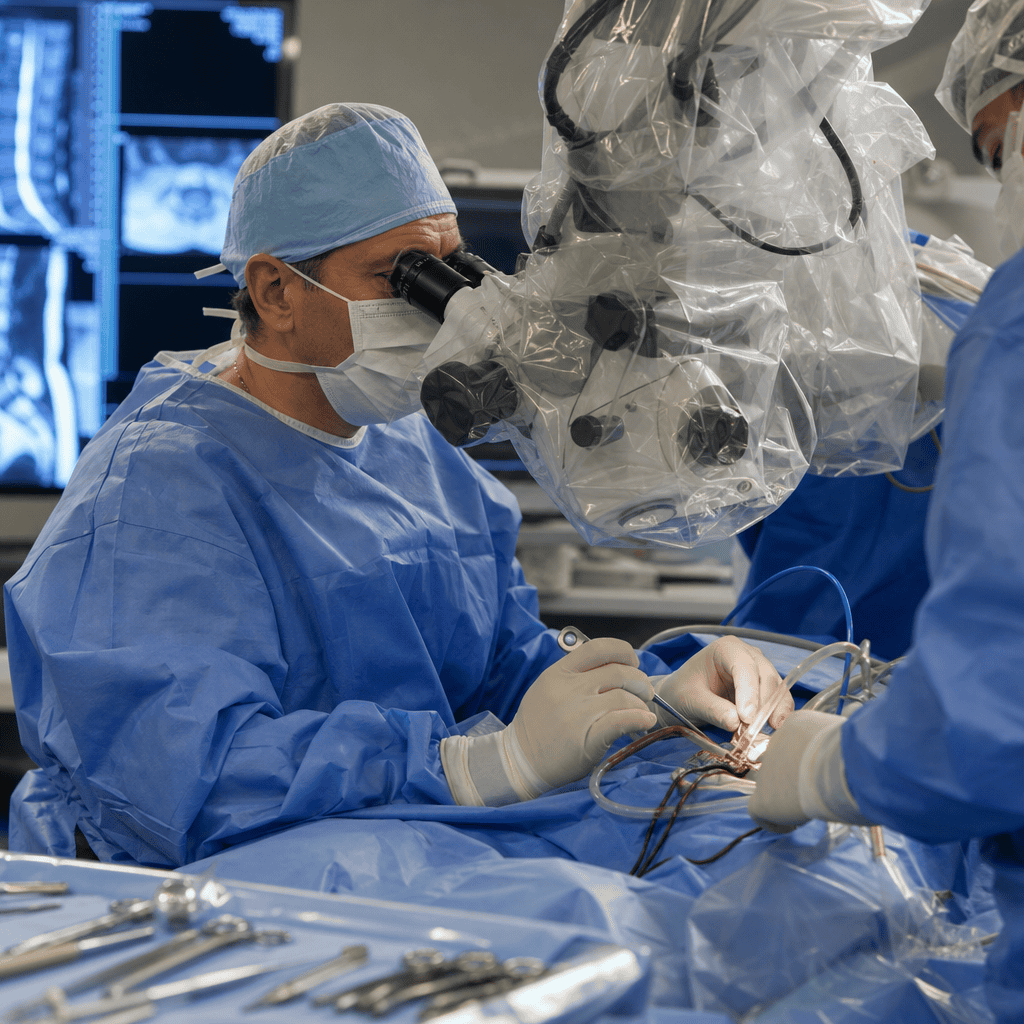
Some patients go home the same day. Some laminectomy procedures are performed on an outpatient basis. Others stay one or more nights. Discharge planning usually depends on:
- Your overall health
- How well your pain is controlled
- Your ability to move safely
- The surgical approach used
If your surgeon performs a fusion along with the laminectomy, a longer hospital stay is more likely than with decompression alone. At Legent Spine, dedicated care coordinators help you plan the day of surgery, including arrival times and transportation home.
Laminectomy Recovery Timeline: Week by Week
Recovery is gradual and individual, so treat this timeline as a general guide. Full recovery can take several weeks to a few months, depending on the patient and procedure. Always follow your surgeon’s specific instructions.
The First Two Weeks
Early recovery is about protecting the incision and staying gently active.
- Keep the wound clean and dry as instructed.
- Take short, frequent walks. generally Walking is commonly encouraged soon after spine surgery to reduce the risk of blood clots and stiffness Walking is commonly encouraged soon after spine surgery to reduce the risk of blood clots and stiffness.
- Avoid heavy lifting, bending, and twisting. Patients are typically advised to avoid lifting heavy objects for several weeks.
- Manage pain with medication exactly as your surgical team directs.
Depending on the job, many patients may return to light desk work in this window.
Weeks Two to Six
During this phase, most patients steadily increase their walking distance and daily activity. Physical therapy may begin. It commonly focuses on walking tolerance, core stabilization, and safe movement patterns.
Follow-up visits let your surgeon check healing and adjust restrictions. Driving usually resumes once you can move comfortably and have your surgeon’s approval. You should not drive while taking opioid pain medication.
Three Months and Beyond
By this stage, your surgeon will gradually lift most restrictions. Nerve healing can continue for months after decompression, so some numbness or tingling may linger.
Higher-demand jobs and sports may require a longer timeline. Patients with physically demanding jobs often need extra recovery time before returning to full duty. Honest, transparent follow-up conversations help you pace your return safely.
What Can Speed Up or Slow Down Your Recovery
Several factors shape how smoothly you heal. These include age, overall health, smoking, diabetes, the number of levels treated, and whether a fusion is involved.
usually Smoking can impair bone and wound healing after spine surgery Smoking can impair bone and wound healing after spine surgery. Poorly controlled diabetes can raise the risk of surgical site infection.
The surgical approach matters too. Minimally invasive techniques are associated with less muscle disruption than traditional open approaches. For appropriate candidates, that may support a faster recovery.
Practical tips that can help:
- Follow your activity restrictions closely.
- Stay active with regular walking.
- Attend physical therapy sessions.
- Prioritize sleep and balanced nutrition.
- Avoid tobacco in all forms.
Preparing your home before surgery also helps. Set up a first-floor living space, line up help with errands, and arrange rides to appointments. Our care coordinators can help with scheduling and answer practical questions along the way.
Benefits and Risks of Laminectomy
The potential benefits include relief of leg pain, improved walking tolerance, and a better quality of life. Many patients with lumbar spinal stenosis experience improvement in leg pain after decompression. Success rates vary by diagnosis, and no surgeon can guarantee a result.
Possible risks include infection, bleeding, dural tear (a small tear in the lining around the nerves), nerve injury, blood clots, and recurrent symptoms. Dural tears, infection, and nerve injury are recognized potential complications.
Contact your surgical team promptly if you notice:
- Fever
- Worsening weakness
- Drainage from the incision
- Loss of bladder or bowel control, which requires immediate medical evaluation Loss of bladder or bowel control after spine surgery requires immediate medical evaluation
A comprehensive evaluation is the best way to learn whether surgery is right for you. Our team, including specialists such as Dr. Paul Salinas, can walk you through your options and help you weigh benefits against risks.
Recovering from Spine Surgery in the Dallas Area
usually Dallas-Fort Worth is one of the largest metropolitan areas in Texas Dallas-Fort Worth is one of the largest metropolitan areas in Texas. That means your recovery plan should include your commute. If you live in Plano, Frisco, Irving, or Richardson, think about traffic and travel time to follow-up visits, and ask a family member or friend to drive.
Physical therapy options are available across Greater Dallas, so you can usually find a location close to home. During Texas summers, indoor walking at a mall, gym, or your own home keeps you active without heat exposure.
It may be time to see a spine specialist if you have persistent leg pain, numbness, or weakness. The same applies if symptoms limit your daily life despite conservative care. Persistent weakness or numbness that does not improve warrants evaluation.
Take the Next Step Toward Informed Recovery
Laminectomy recovery is gradual, individualized, and supported by good preparation. Your timeline will reflect your diagnosis, your health, and the approach your surgeon recommends.
If you have questions about your symptoms, your options, or what recovery might look like for you, we encourage you to reach out. A personalized conversation with a board-certified Legent Spine specialist can help you choose your next steps with confidence. We serve patients throughout the Greater Dallas area and offer expert care at every stage.