
Introduction: Understanding Hip Pain from Scoliosis
If you’re dealing with persistent hip discomfort in the Greater Dallas area, the cause might not be what you think. Hip pain is a common symptom of scoliosis that many patients don’t recognize. Most people assume their hip pain comes from arthritis, overuse, or aging—never suspecting their spine could be the real problem. Understanding whether scoliosis causes hip pain starts with recognizing how your spine’s alignment affects your entire body.
This spinal condition creates a domino effect throughout your body. When your spine curves abnormally to one side, it doesn’t just affect your back. It changes your posture, shifts how your weight is distributed, and alters the forces traveling through your pelvis and hips.
Getting the right diagnosis is essential for effective treatment. Without identifying scoliosis as the source, you might spend months or years on treatments that only address symptoms rather than the underlying problem. Dallas-area patients have access to specialized spine care through board-certified surgeons who understand this connection. These specialists can develop personalized treatment plans that address both the spinal curvature and its effects on your hips. Learning more about this relationship is your first step toward lasting relief.
If you’re experiencing hip discomfort alongside back pain or noticeable postural changes, a comprehensive evaluation with a spine specialist can determine whether scoliosis is contributing to your symptoms and what treatment options might help.
What Is Scoliosis and Why Does It Affect Your Hips?
may Scoliosis is a three-dimensional spinal deformity that causes abnormal sideways curvature of the spine, often with rotation of the vertebrae. typically A healthy spine has natural front-to-back curves when viewed from the side, but it should appear straight when viewed from behind. often With scoliosis, the spine curves to the left or right, creating a C-shape or S-shape that disrupts normal body mechanics.
The connection between scoliosis and hip pain comes down to basic biomechanics. Your spine is the central support structure for your entire body. When it curves abnormally, everything below must compensate. This compensation pattern creates uneven distribution of weight and forces across your pelvis and hips.
Think of your pelvis as a foundation that supports your spine. When scoliosis tilts or rotates the spine, the pelvis often tilts in response—a condition doctors call pelvic obliquity. This generally pelvic tilt means one hip joint may bear more weight than the other during standing and walking. Over time, this uneven loading stresses the cartilage, muscles, tendons, and ligaments around your hip joint.
Scoliosis also affects the muscles that support both your spine and hips. To maintain balance and stay upright despite the spinal curve, muscles on one side of your body work much harder than those on the opposite side. This creates muscular imbalance that leads to overuse, fatigue, and pain—particularly in the hip flexors, gluteal muscles, and lower back muscles attached to your pelvis. When these muscles become chronically tight or fatigued, they can send pain directly to your hip region.
may The severity of hip pain often relates to the degree of spinal curvature, though even moderate scoliosis can cause significant hip discomfort. The relationship between curve severity and hip symptoms varies based on your unique anatomy, activity level, and how long the condition has been present.
Common Symptoms: Recognizing Scoliosis-Related Hip Pain
Hip pain from scoliosis looks different than hip pain from other causes. Recognizing these distinctive patterns can help you determine whether your spine may be the source of your discomfort.
The most characteristic symptom is asymmetrical hip pain—discomfort that affects one hip significantly more than the other. Patients often describe this as a deep ache in the hip joint itself, or a burning sensation in the muscles around the hip and outer thigh. This pain typically gets worse with prolonged standing or walking, as these activities maintain the uneven weight distribution created by spinal curvature.
Other common symptoms include:
- Hip stiffness and reduced range of motion, particularly when rotating your hip inward or outward
- Pelvic asymmetry that you or others notice—one hip may appear higher than the other, or your belt line may sit unevenly
- Difficulty finding comfortable sleeping positions due to hip discomfort that changes based on how you lie
- Limping or altered gait as your body unconsciously shifts weight away from the painful hip
- Lower back pain that radiates to the hip, creating continuous discomfort from spine to pelvis
- Sacroiliac joint pain felt deep in your buttock region, where the spine meets the pelvis
Many patients report that their hip pain fluctuates with their back pain. When their scoliosis causes increased spinal discomfort, their hip pain also intensifies. This parallel pattern strongly suggests a biomechanical connection. Understanding these symptom patterns helps spine specialists differentiate scoliosis-related hip pain from primary hip joint conditions like arthritis or labral tears.
For Dallas residents managing these symptoms, it’s worth noting that factors like prolonged sitting in traffic or working at a desk can make both spinal curvature symptoms and related hip pain worse, making professional evaluation particularly valuable.
Diagnosis: How Specialists Identify Scoliosis Hip Pain
Diagnosing hip pain related to scoliosis requires a comprehensive approach that examines both your spine and hips as connected parts of your musculoskeletal system. At Legent Spine, board-certified specialists use multiple diagnostic tools to determine whether scoliosis is contributing to your hip symptoms.
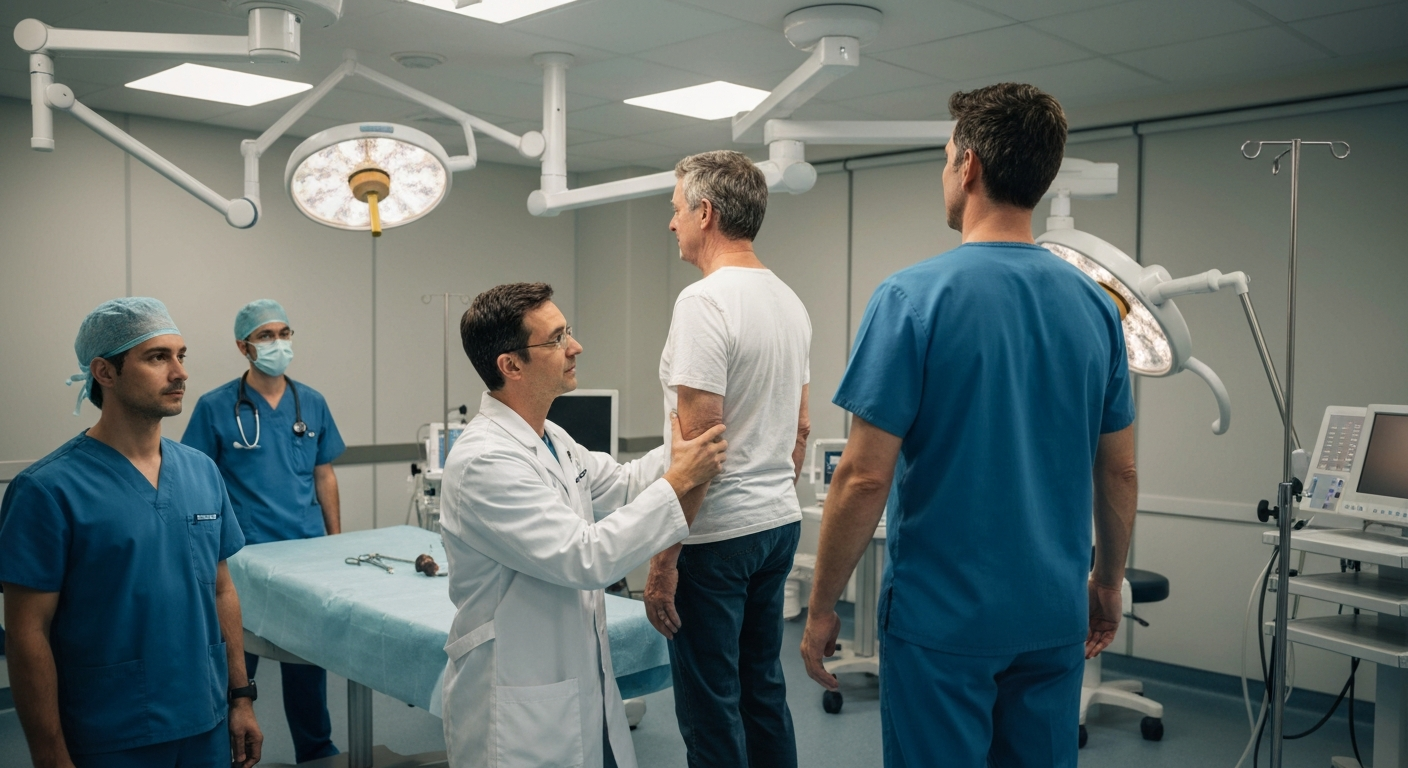
The evaluation begins with a thorough clinical examination and patient history. Your physician will ask about the location, quality, and timing of your hip pain, along with any history of back problems or postural changes. A physical examination includes observing your posture from multiple angles, assessing pelvic alignment, measuring leg length differences, and testing hip range of motion and strength. Specialists also observe how you walk to identify compensatory movements.
X-ray imaging forms the foundation of scoliosis diagnosis. These standing X-rays capture your entire spine from front and side views, allowing precise measurement of spinal curvature. Importantly, these images also reveal pelvic alignment and can show early signs of hip joint degeneration that may result from long-term biomechanical stress.
When nerve involvement is suspected or you report neurological symptoms like numbness or weakness, advanced imaging with MRI or CT scans may be necessary. These detailed images help specialists understand whether spinal nerves are being compressed by the curved spine, potentially sending pain to your hip region.
Specialized tests for sacroiliac joint dysfunction may be performed, as the joints connecting your spine to your pelvis frequently become painful in scoliosis patients. Specific movements that stress these joints help identify whether they’re contributing to perceived hip pain.
Finally, functional movement assessment evaluates how scoliosis affects your daily activities, helping specialists understand the real-world impact of spinal curvature on hip function and overall quality of life.
Treatment Options for Scoliosis-Related Hip Pain
Treatment for hip pain caused by scoliosis must address both the spinal curvature itself and the secondary effects on hip mechanics. At Legent Spine, we develop personalized treatment plans based on curve severity, symptom intensity, your age, and your individual goals.
Conservative Treatment Approaches
For many patients, especially those with mild to moderate curves, non-surgical treatments effectively manage hip pain while addressing underlying spinal issues.
Physical therapy represents the cornerstone of conservative care. Specialized exercises strengthen the muscles supporting your spine and hips, improve flexibility, and help correct postural imbalances. Therapists may use techniques like manual therapy, soft tissue mobilization, and neuromuscular re-education to reduce muscle tension and improve movement patterns. Many Dallas patients find that consistent physical therapy significantly reduces their hip discomfort.
Bracing may be recommended for adolescent patients with progressive curves or adults with flexible curves. While bracing primarily aims to prevent curve progression, it can also reduce pain by improving spinal alignment and decreasing uneven forces on your hips.
Pain management techniques including targeted injections can provide relief. Corticosteroid injections into the hip joint, sacroiliac joint, or paraspinal muscles may reduce inflammation and break the pain cycle, allowing you to participate more effectively in physical therapy.
Activity modification and ergonomic adjustments help reduce strain on both your spine and hips. This might include using standing desks, adjusting car seat positions for Dallas commuters, or modifying exercise routines to avoid aggravating positions.
Minimally Invasive and Surgical Options
When conservative treatments don’t provide adequate relief or when scoliosis is severe and progressive, surgical intervention may be appropriate. Modern minimally invasive techniques allow surgeons to correct spinal alignment through smaller incisions with less tissue disruption, often resulting in faster recovery and less postoperative pain.
Spinal fusion surgery remains the gold standard for severe scoliosis, joining vertebrae together to create a straighter, more stable spine. By correcting the spinal curvature, fusion surgery also realigns the pelvis and restores more balanced weight distribution through your hips.
Minimally invasive approaches utilize advanced imaging guidance and specialized instruments to achieve correction with reduced surgical trauma. Board-certified surgeons at Legent Spine have fellowship training in these advanced techniques, which often allow patients to return to normal activities more quickly than traditional open surgery.
The decision to pursue surgical treatment involves careful consideration of multiple factors. Your spine specialist will discuss realistic outcomes, recovery expectations, and how surgery may specifically address your hip pain in the context of your overall spinal condition.
Why Dallas Patients Trust Legent Spine for Scoliosis Care
When hip pain disrupts your daily life and scoliosis is the underlying cause, choosing the right spine care team makes all the difference. Dallas-area patients seeking expert evaluation and treatment can find comprehensive scoliosis care at Legent Spine.
Our team includes board-certified spine surgeons with fellowship training in minimally invasive techniques, representing the highest level of specialized education in spine surgery. This advanced training translates to expertise in the latest surgical approaches that minimize tissue damage and accelerate recovery.
We offer comprehensive diagnostic capabilities including advanced imaging and specialized testing, all coordinated within our practice. This integrated approach means you won’t navigate multiple facilities or wait weeks between appointments for essential diagnostic information.
Every patient receives a personalized treatment plan tailored to their individual anatomy and pain patterns. We recognize that scoliosis affects each person differently, and cookie-cutter approaches rarely deliver optimal results. Your treatment plan considers your specific curve pattern, the severity of your hip symptoms, your activity goals, and your overall health.
Dedicated care coordinators guide patients through every step of treatment, from initial consultation through recovery and follow-up care. This personalized support helps ensure you understand your condition, feel confident in your treatment decisions, and never feel lost in the healthcare system.
Our commitment to transparent communication about realistic outcomes and expectations means you’ll receive honest, evidence-based guidance about what treatment can and cannot achieve. We believe informed patients make better decisions and experience greater satisfaction with their care.
Conclusion: Taking the Next Step Toward Relief
Hip pain is a legitimate and common symptom of scoliosis that deserves proper evaluation by specialists who understand the biomechanical relationship between spinal curvature and hip function. Far too many patients endure months or years of hip discomfort without realizing their spine is the true source of their symptoms.
The encouraging news is that treatment options exist across a broad spectrum—from conservative approaches like physical therapy and bracing to minimally invasive surgical techniques when necessary. Early diagnosis and intervention can prevent progression of both spinal curvature and hip pain, potentially avoiding more extensive treatment down the road and preserving your quality of life.
Board-certified spine specialists have the expertise to determine the right treatment path for your unique situation. Through comprehensive evaluation including advanced imaging, physical examination, and specialized testing, they can identify whether scoliosis is causing your hip pain and develop a personalized treatment plan that addresses both your spinal alignment and hip symptoms.
For Dallas-area residents managing hip pain alongside back discomfort or postural changes, professional evaluation offers clarity and a path forward. Rather than continuing to wonder whether your hip pain will improve on its own or trying multiple treatments that address symptoms rather than causes, a thorough spine evaluation can provide definitive answers.
If you’re experiencing hip pain that may be related to scoliosis, consider scheduling a consultation with a spine specialist at Legent Spine. Our team can evaluate your symptoms, determine whether spinal curvature is contributing to your hip discomfort, and discuss treatment options tailored to your individual needs and goals. Taking this step toward expert evaluation is an investment in your long-term musculoskeletal health and overall quality of life.