
Understanding Spinal Fractures
Recognizing the early warning signs of a spinal injury can make all the difference in your recovery and long-term health. These vertebral bones stack together to create the flexible yet strong structure that allows you to stand upright, bend, twist, and move through daily activities.
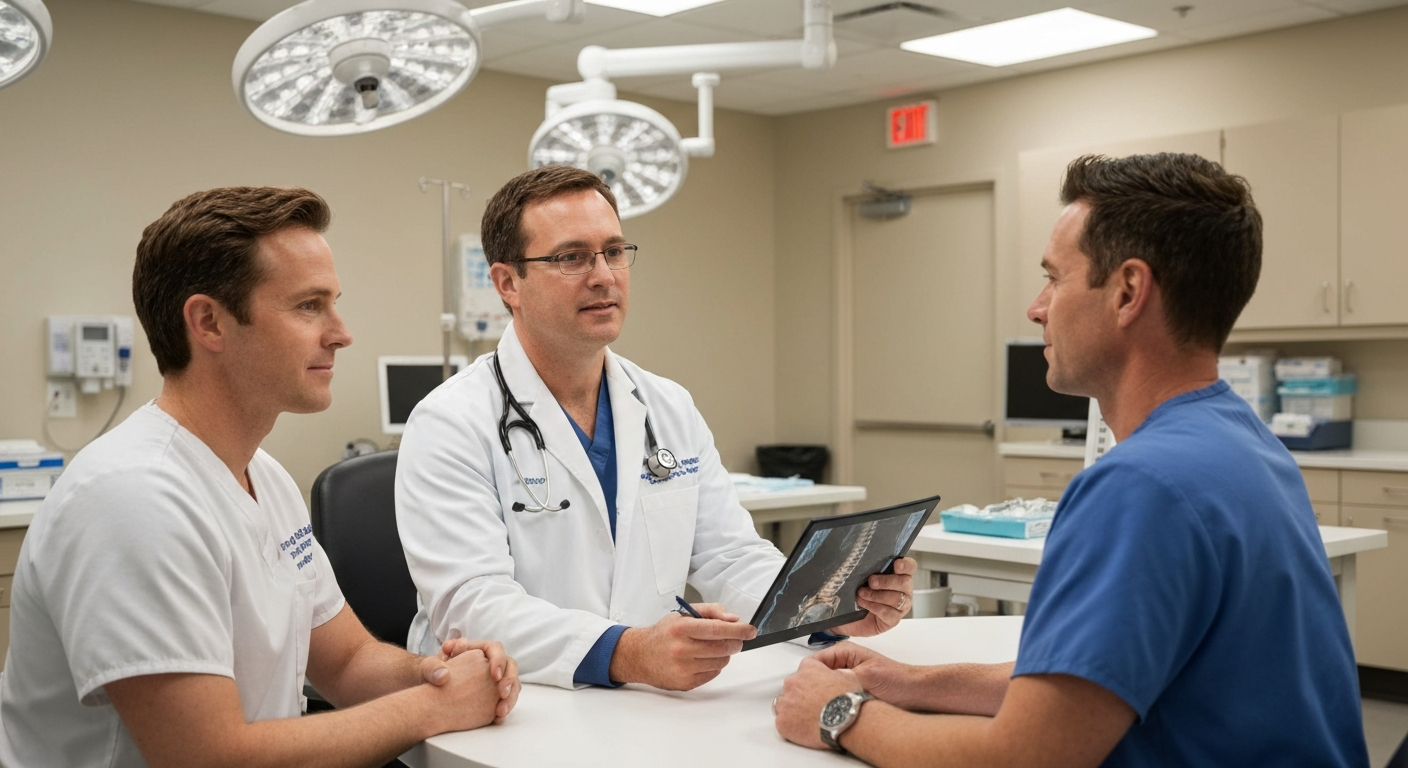
A spinal fracture occurs when one or more of these vertebrae break due to trauma, osteoporosis, or disease. Whether you’re involved in a motor vehicle accident on the Katy Freeway, experience a fall at home, or develop weakened bones from age-related changes, understanding spinal fracture symptoms becomes critical.
The sooner you identify these symptoms and seek expert evaluation, the better your chances of preserving full function and avoiding long-term complications.
At Legent Spine, our board-certified spine surgeons understand that many residents may not realize they’ve sustained a spinal fracture, especially when symptoms develop gradually. That’s why we’ve created this comprehensive guide to help you recognize the signs that warrant professional evaluation. For more information, see our page on broken back symptoms every dfw resident.
Common Symptoms of a Spinal Fracture
Understanding what patients spinal fracture symptoms seek care for can help you determine whether your back pain requires immediate medical attention. This pain typically intensifies when you stand, walk, or move in certain directions, and may improve slightly when lying down.
Beyond localized back pain, several other symptoms can signal a vertebral fracture:
- Radiating pain: You might feel shooting pain down your arms if the fracture occurs in your neck, or down your legs if the fracture affects your lower back.
- Numbness or tingling: These sensations often accompany nerve compression and may appear in your hands, fingers, feet, or toes depending on the fracture location.
- Loss of bladder or bowel control: Loss of bladder or bowel control indicates potential spinal cord compression and requires emergency medical attention. This symptom should never be ignored, as it suggests significant spinal cord involvement.
- Difficulty walking or standing: You may notice instability, weakness in your legs, or a general inability to maintain your normal walking pattern.
- Muscle weakness: Weakness below the fracture site can affect your ability to perform routine tasks and signals potential nerve involvement.
What begins as mild discomfort after a fall or accident can progressively worsen as the fracture site becomes more unstable or as inflammation develops around damaged tissues.
If you’re experiencing any combination of these symptoms, especially after a traumatic event or if you have risk factors for osteoporosis, a comprehensive evaluation by a fellowship-trained spine specialist like Dr. Josh Lee, MD can provide the accurate diagnosis you need to begin appropriate treatment.
Types of Spinal Fractures and Their Symptoms
Not all spinal fractures present the same way. Understanding the different types can help you recognize why your symptoms may differ from what others experience.
Compression Fractures
These fractures typically result from weakened bones that can no longer support normal body weight and daily stresses. Many patients over age 50, particularly postmenopausal women, may develop compression fractures from simple activities like bending forward to pick up a grocery bag or stepping off a curb.
Patients with spinal compression fracture often describe a sudden onset of back pain accompanied by a loss of height over time. The severity depends on how much the vertebra has collapsed and whether bone fragments are affecting nearby nerves.
Burst Fractures
These more severe injuries typically result from high-energy trauma such as motor vehicle accidents or falls from significant heights. The vertebral body essentially shatters, sending bone fragments in multiple directions—potentially into the spinal canal where they can damage the spinal cord or nerve roots.
Symptoms of burst fractures tend to be more severe and immediate, including intense pain, significant neurological deficits, and potential paralysis if the spinal cord sustains damage.
Chance Fractures
These rare fractures affect multiple structures of the vertebra, including the bone and surrounding ligaments. They often occur during rapid deceleration injuries, such as wearing a lap belt without a shoulder harness during a car accident.
What Causes Spinal Fractures?
Understanding the underlying causes of spinal fractures can help you assess your own risk and take preventive measures when possible.
Traumatic Injuries
Motor vehicle accidents and falls from heights are the leading causes of traumatic spinal fractures in working-age adults. Whether you’re commuting on Interstate 10, working in construction, or simply navigating daily life in the Greater Houston area, traumatic spinal fractures can happen suddenly and without warning. Sports injuries, particularly in contact sports or activities involving high speeds, also contribute to traumatic spinal fractures among active individuals.
Osteoporosis and Age-Related Changes
This progressive weakening of bone structure makes vertebrae increasingly susceptible to fractures from minimal trauma.
For many patients we see at Legent Spine, the reality is that a simple cough, sneeze, or reaching movement can cause a compression fracture when bones have become sufficiently weakened by osteoporosis. This is why maintaining bone health through proper nutrition, weight-bearing exercise, and appropriate medical management becomes so important as we age.
Cancer and Infections
Metastatic cancer that spreads to the spine, primary spinal tumors, or infectious processes can compromise vertebral integrity, making fractures more likely even during normal activities. These pathological fractures require specialized evaluation to address both the fracture and the underlying disease process.
How Spinal Fractures Affect Your Body
The impact of a spinal fracture extends far beyond the initial pain and injury. Understanding these consequences emphasizes why prompt diagnosis and appropriate treatment are so important.
For active residents who enjoy outdoor activities, maintain busy careers, or care for family members, persistent pain can significantly diminish quality of life. Simple tasks like grocery shopping, yard work, or playing with grandchildren may become difficult or impossible.
When bone fragments press against the spinal cord or nerve roots, the resulting damage may become irreversible if compression continues for too long. Early intervention by fellowship-trained spine specialists can often prevent these devastating outcomes.
Another concerning consequence involves the cascade effect of fractures. Each subsequent fracture further compromises spinal stability and function, creating a downward spiral that becomes increasingly difficult to manage.
The characteristic forward-stooped posture that develops from multiple compression fractures not only affects appearance but also impacts breathing, digestion, and overall mobility. This progressive deformity can be prevented or minimized with appropriate early intervention.
When to Seek Expert Spine Care in the Greater Houston Area
Knowing when to seek specialized spine care can be the difference between full recovery and long-term disability. Several situations warrant immediate evaluation by a board-certified spine surgeon.
If you’ve experienced significant trauma—whether from a motor vehicle accident, a fall, or a sports injury—a comprehensive spine evaluation should be part of your initial medical assessment. What may seem like mild symptoms initially can worsen rapidly without appropriate intervention.
Persistent back pain that doesn’t improve with rest, over-the-counter pain relievers, or basic home care deserves specialist attention. While some patients back spasms causes symptoms treatment can manage with conservative care, persistent pain may signal an underlying fracture or other structural problem requiring expert evaluation.
Any neurological symptoms—numbness, tingling, weakness, or changes in bladder or bowel function—should prompt immediate contact with a spine specialist. At Legent Spine, our team utilizes advanced diagnostic imaging and thorough neurological examinations to accurately identify the source of your symptoms and develop an appropriate treatment strategy.
The good news is that modern spine care has evolved significantly. When you work with experienced surgeons like Dr. Jonathan N. Sellin, M.D., you benefit from expertise in the latest treatment techniques designed to maximize outcomes while minimizing recovery time.
Recovery and Treatment Options
The path to recovery from a spinal fracture depends on several factors, including the type of fracture, its location, your overall health, and whether neurological structures are involved. Understanding your treatment options can help you feel more confident about the journey ahead.
Conservative Treatment
For fractures that don’t threaten neurological structures or spinal stability, a conservative approach often provides excellent results. This may include temporary activity modification, wearing a back brace to support the spine during healing, pain management strategies, and gradual return to normal activities under professional guidance.
Minimally Invasive Surgical Options
When fractures are unstable, involve significant bone displacement, or cause neurological compression, surgical intervention may be necessary. These advanced techniques allow surgeons to stabilize fractures, remove bone fragments that threaten the spinal cord, and restore spinal alignment through small incisions using specialized instruments and imaging guidance.
Rehabilitation and Physical Therapy
Whether you undergo surgery or heal with conservative care, working with experienced physical therapists helps restore strength, flexibility, and function. Our team at Legent Spine works closely with rehabilitation specialists throughout the Greater Houston area to ensure you receive comprehensive care at every stage of recovery.
Recovery timelines vary considerably based on fracture severity and treatment approach. Some patients return to normal activities within a few months, while others require longer rehabilitation periods. What remains consistent is that patients who engage actively in their treatment plan, follow medical guidance, and work with experienced spine specialists tend to achieve the best long-term outcomes.
If you’re experiencing back pain, have sustained a traumatic injury, or have concerns about your spinal health, our fellowship-trained spine surgeons at Legent Spine are here to help. We provide comprehensive evaluations, honest assessments, and personalized treatment plans designed around your specific needs and goals. Our dedicated care coordinators make it easy to schedule an appointment and begin your journey toward better spinal health.