
Understanding Your Spine Surgery Options
Back and neck pain affects millions of Americans each year, disrupting daily activities and diminishing quality of life. When conservative treatments like physical therapy, medications, and injections fail to provide relief, surgery may become necessary. Two primary surgical approaches—laminectomy and spinal fusion—address different spinal problems through distinct techniques.
Understanding the fundamental differences between these procedures helps you make informed decisions about your spine care. While both surgeries can provide significant pain relief and improved function, they target different underlying problems. A laminectomy vs fusion for lumbar stenosis comparison reveals that laminectomy focuses on nerve decompression by creating more space in the spinal canal, while fusion aims to stabilize the spine by permanently joining vertebrae together.
The right choice depends on your specific diagnosis, imaging findings, symptom severity, and overall health status. Some patients need decompression alone, while others require both decompression and stabilization. At Legent Spine, our board-certified spine surgeons carefully evaluate each patient’s unique situation to recommend the most appropriate surgical approach.
What Is a Laminectomy?
A laminectomy is a decompression procedure designed to relieve pressure on the spinal cord or nerve roots. During the surgery, your spine surgeon removes all or part of this bony structure to create more room within the spinal canal. This additional space allows compressed nerves to function properly again, often eliminating pain, numbness, and weakness.
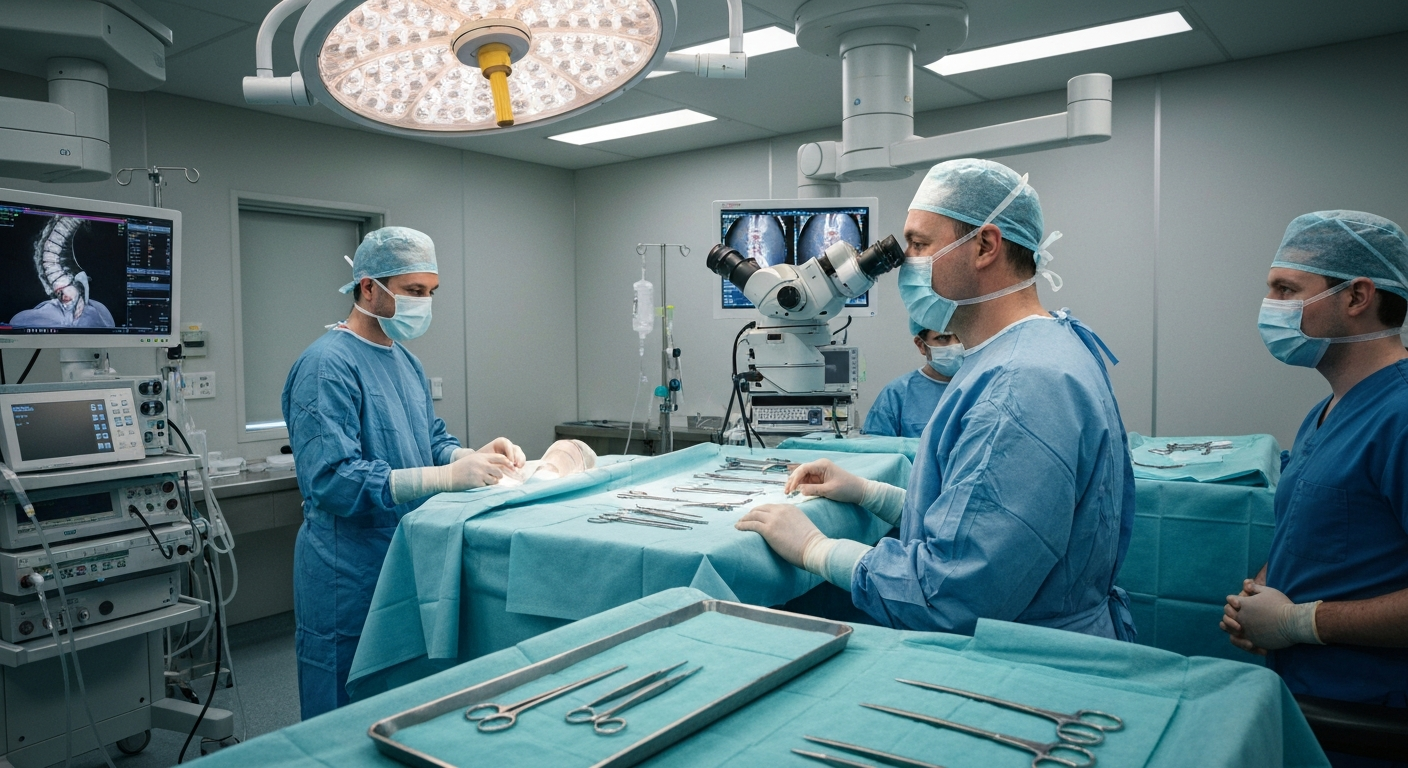
The procedure can be performed on any region of the spine—cervical (neck), thoracic (mid-back), or lumbar (lower back)—though lumbar laminectomy is most common. Modern surgical techniques have transformed laminectomy into a significantly less invasive procedure than in previous decades.
Through small incisions and specialized instruments, experienced spine surgeons can perform the necessary decompression while preserving surrounding muscles and soft tissues. This approach typically results in less postoperative pain, reduced blood loss, and faster recovery.
The procedure itself generally takes one to two hours, depending on how many vertebral levels require decompression. Many patients undergo laminectomy as an outpatient procedure or with just one overnight hospital stay. The recovery process varies by individual, but most patients experience noticeable symptom improvement shortly after surgery.
Common Conditions Treated with Laminectomy
Laminectomy effectively addresses several spine conditions characterized by nerve compression. This progressive narrowing often results from age-related changes, including thickened ligaments, enlarged facet joints, and bone spur formation. Patients typically experience leg pain, numbness, tingling, or weakness that worsens with standing or walking and improves with sitting or bending forward.
When bone spurs develop in the neck and compress nerve roots, patients may experience radiating arm pain, hand numbness, or coordination difficulties. Laminectomy creates the necessary space to relieve this pressure.
Other conditions effectively treated with laminectomy include:
- Facet joint arthritis causing nerve impingement
- Sciatica from nerve root compression
- Herniated discs with associated bone spur formation
- Thickened ligamentum flavum narrowing the spinal canal
What Is Spinal Fusion?
Spinal fusion represents a fundamentally different surgical approach compared to laminectomy alone. Rather than simply creating more space for nerves, fusion eliminates motion between affected vertebrae to address instability and provide long-term structural support.
During a fusion procedure, the surgeon places bone graft material between vertebrae to encourage them to grow together into a single, solid structure. Metal hardware—including screws, rods, plates, or cages—typically holds the vertebrae in proper alignment while the bone heals. This healing process, called osseointegration, takes several months to complete.
Each approach accesses the spine from a different direction, and your surgeon will select the technique that best addresses your specific anatomy and pathology. Some patients require decompression before or during fusion, so laminectomy and fusion are frequently performed together in a single surgical session.
Spinal fusion is inherently more extensive than laminectomy alone. The surgery typically takes longer, recovery requires more time, and the procedure permanently changes how your spine functions. Recovery from spinal fusion typically requires 3-6 months for bone healing compared to 2-4 weeks for laminectomy alone. However, for patients with spinal instability or structural problems, fusion provides stability that decompression alone cannot achieve.
Common Conditions Treated with Spinal Fusion
Spine surgeons recommend fusion when instability or structural abnormalities cause pain and functional limitations. When discs lose height and structural integrity, abnormal motion between vertebrae can cause persistent pain that doesn’t respond to conservative treatment.
This slippage can compress nerves while also creating painful instability. Fusion realigns the vertebrae and prevents further slippage while decompression relieves nerve pressure.
Additional conditions commonly treated with spinal fusion include:
- Severe spinal deformities like scoliosis or kyphosis
- Fractured or damaged vertebrae requiring stabilization
- Recurrent herniated discs at the same spinal level
- Failed conservative treatment with documented instability on imaging
Laminectomy vs. Fusion: Key Differences
Understanding the core distinctions between laminectomy vs spinal fusion helps clarify why your surgeon might recommend one approach over another. The most fundamental difference lies in their primary purpose: laminectomy decompresses nerves by creating more space, while fusion stabilizes the spine by eliminating motion between vertebrae.
This distinction has significant implications for long-term spine function. After laminectomy, your spine maintains flexibility at the operative level. After fusion, that segment no longer moves, though adjacent levels compensate by moving slightly more.
Surgical time and hospital stay differ considerably. Laminectomy typically requires one to two hours of operative time, and many patients go home the same day or after one night in the hospital. Fusion procedures take longer—often three to four hours or more for multi-level fusions—and usually require a hospital stay of one to two days.
While both procedures are safe when performed by experienced surgeons, fusion’s more extensive tissue disruption and longer operative time contribute to a slightly higher complication risk. Additionally, fusion carries a small risk of non-union, where the vertebrae fail to fully fuse together despite bone grafting.
At Legent Spine, our fellowship-trained surgeons have extensive experience performing both procedures using the latest minimally invasive techniques. We carefully evaluate which approach—or combination of approaches—will provide you with the best possible outcome based on your specific diagnosis and goals.
Pros and Cons of Each Approach
Every surgical procedure involves weighing benefits against potential limitations. For laminectomy, the primary advantages include faster recovery, preserved spinal motion, and less invasive tissue disruption. Most patients resume normal activities within six to eight weeks and experience significant symptom improvement.
However, laminectomy has important limitations. It doesn’t address underlying instability, meaning patients with unstable spines may not achieve adequate pain relief from decompression alone. The procedure also doesn’t prevent future degenerative changes at adjacent levels, and some patients eventually require additional surgery if stenosis recurs or instability develops.
Spinal fusion’s advantages center on its ability to create long-term stability and address structural problems that decompression alone cannot fix. When performed for appropriate indications—such as spondylolisthesis, severe instability, or recurrent disc herniations—fusion can provide lasting pain relief and functional improvement. The procedure addresses multiple pathology types simultaneously, including both nerve compression and mechanical instability.
The main drawbacks of fusion relate to its permanence and extent. Recovery takes significantly longer, typically requiring three to six months before full bone healing occurs. The procedure eliminates motion at the fused segment, which may affect flexibility. This phenomenon results from increased stress on unfused segments as they compensate for the immobile fused levels.
Factors That Influence Surgical Choice
Your spine surgeon considers multiple factors when recommending laminectomy, fusion, or a combination of both procedures. Advanced imaging reveals not only nerve compression but also vertebral alignment, disc condition, and signs of abnormal motion or slippage.
Patient age and overall health significantly impact surgical planning. Younger patients with good bone quality often heal faster and tolerate fusion well, while older patients with medical comorbidities may benefit from less invasive decompression when appropriate. Your activity level, occupation, and functional goals also help guide the decision.
The severity of your symptoms matters tremendously. Patients with isolated nerve compression and no instability typically do well with laminectomy alone. Those experiencing mechanical back pain that worsens with movement, along with nerve symptoms, more likely need fusion for adequate relief.
Previous spine surgeries or failed conservative treatments may narrow your options. If you’ve already undergone laminectomy without adequate relief, fusion might address underlying instability that wasn’t initially apparent. When examining laminectomy vs fusion for lumbar stenosis specifically, the presence or absence of instability becomes the deciding factor in many cases.
Recovery and Rehabilitation Timelines
Setting realistic expectations about recovery helps patients plan appropriately and avoid activities that might compromise surgical outcomes. Initial recovery happens relatively quickly, with most patients walking the same day as surgery. Pain usually improves dramatically within the first few weeks as nerve compression resolves.
Physical therapy plays a crucial role in laminectomy recovery, helping patients regain strength, flexibility, and confidence in movement. Your surgeon will provide specific guidelines about lifting restrictions, typically limiting you to ten to fifteen pounds for the first few weeks. Most patients gradually increase activity levels, returning to desk work within two to three weeks and more physical jobs within four to six weeks. For more information, see our page on baytown patients guide laminectomy recovery essential.
Spinal fusion requires bone healing which typically occurs over 3-6 months, during which activity restrictions must be followed to prevent hardware complications. The fusion timeline is significantly longer because your body must grow new bone to permanently connect the vertebrae. During this critical healing period, following activity restrictions is essential for successful fusion.
Early fusion recovery focuses on protecting the surgical site while gradually increasing mobility. Patients typically walk short distances immediately after surgery but avoid bending, twisting, and lifting. Around six to eight weeks post-surgery, imaging studies confirm early bone healing, and your surgeon may clear you for light activities. Full fusion takes three to six months, after which most restrictions are lifted. Physical therapy helps rebuild core strength and teaches proper body mechanics to protect your spine long-term.
Potential Outcomes and Success Rates
Defining surgical success requires considering both pain relief and functional improvement. Patients typically experience significant reduction in leg pain, improved walking tolerance, and decreased numbness. However, laminectomy primarily addresses nerve-related symptoms rather than mechanical back pain.
When instability is the primary pain generator, fusion often provides excellent relief by eliminating painful motion. The wide range in success rates reflects the importance of proper patient selection—fusion works best when clear indications exist on imaging studies.
At Legent Spine, we utilize advanced minimally invasive approaches whenever appropriate, helping our Dallas-area patients achieve faster recovery with less postoperative discomfort.
Long-term outcomes depend heavily on surgical technique, hardware selection, and patient compliance with postoperative protocols. Patients who follow activity restrictions, participate in physical therapy, maintain healthy weight, and avoid smoking achieve the best results. Regular follow-up care allows your spine surgeon to monitor healing and address any concerns before they become significant problems.
Making the Right Decision for Your Spine
Choosing between laminectomy and spinal fusion requires comprehensive diagnostic evaluation by an experienced spine specialist. Your surgeon should thoroughly explain their recommendation, including why they believe one approach will provide better outcomes than the other for your specific situation. Don’t hesitate to ask detailed questions about the proposed procedure, expected recovery, and potential risks.
When appropriate, inquire about minimally invasive options. Modern techniques often allow surgeons to perform both laminectomy and spinal fusion through smaller incisions with specialized instruments, resulting in less tissue damage and faster healing. Not every patient is a candidate for minimally invasive surgery, but when feasible, these approaches offer significant advantages.
For complex cases involving multi-level pathology, previous surgeries, or unusual anatomy, consider obtaining a second opinion. Reputable spine surgeons welcome second opinions and recognize that patients deserve confidence in their surgical plan. Reviewing your imaging with another fellowship-trained specialist can confirm the diagnosis and recommended treatment approach.
Ultimately, successful spine surgery requires partnership between you and your surgeon. Open communication, realistic expectations, and commitment to the recovery process all contribute to optimal outcomes. Understanding the fundamental differences between laminectomy and fusion empowers you to participate actively in treatment decisions.
Expert Spine Care in the Dallas Area
Legent Spine serves patients throughout the Greater Dallas area with world-class spine care delivered by board-certified, fellowship-trained spine surgeons. Our commitment to excellence extends beyond technical surgical skill to encompass the entire patient experience, from initial consultation through complete recovery and beyond.
We offer both laminectomy and spinal fusion procedures using the latest minimally invasive techniques when appropriate for your condition. Our surgeons stay current with advancing surgical technology and evidence-based practices, ensuring you receive the most effective treatment available. Whether you need decompression alone or combined decompression and fusion, our team has the expertise to deliver outstanding results.
Every patient at Legent Spine works with dedicated care coordinators who guide you through the entire surgical journey. From scheduling imaging studies and obtaining insurance authorizations to arranging surgery and coordinating postoperative care, your care coordinator ensures a smooth, stress-free experience. We recognize that spine surgery represents a significant decision, and we’re committed to supporting you every step of the way.
With multiple convenient locations throughout the Dallas area, accessing expert spine care has never been easier. If you’re experiencing chronic back or neck pain that hasn’t responded to conservative treatment, we encourage you to schedule a comprehensive evaluation with our spine specialists. Together, we’ll determine whether laminectomy, spinal fusion, or another treatment approach offers the best path toward pain relief and improved quality of life.