
If you’re facing spine surgery, understanding your options is essential for making an informed decision about your care. Two of the most common procedures—laminectomy and spinal fusion—address different spinal problems and offer distinct benefits. While a laminectomy relieves pressure on compressed nerves by removing bone tissue, spinal fusion stabilizes the spine by permanently joining vertebrae together.
For patients throughout the Greater Dallas area, choosing between these procedures depends on your specific diagnosis, the severity of your condition, and your individual health factors. Our board-certified spine specialists evaluate each patient comprehensively to recommend the most appropriate treatment approach.
Both procedures have evolved significantly with advances in minimally invasive techniques, giving Dallas-area patients access to surgical options that minimize tissue trauma and accelerate recovery. Whether you’re researching laminectomy vs fusion for lumbar stenosis or exploring your options more broadly, this guide will help you understand the fundamental differences between these two important spine surgery procedures.
Understanding Your Spine Surgery Options
When conservative treatments like physical therapy, medications, or injections no longer provide adequate relief, surgery may become necessary to address persistent nerve compression or spinal instability. The decision between laminectomy and spinal fusion isn’t arbitrary—it’s based on careful analysis of your specific spinal condition.
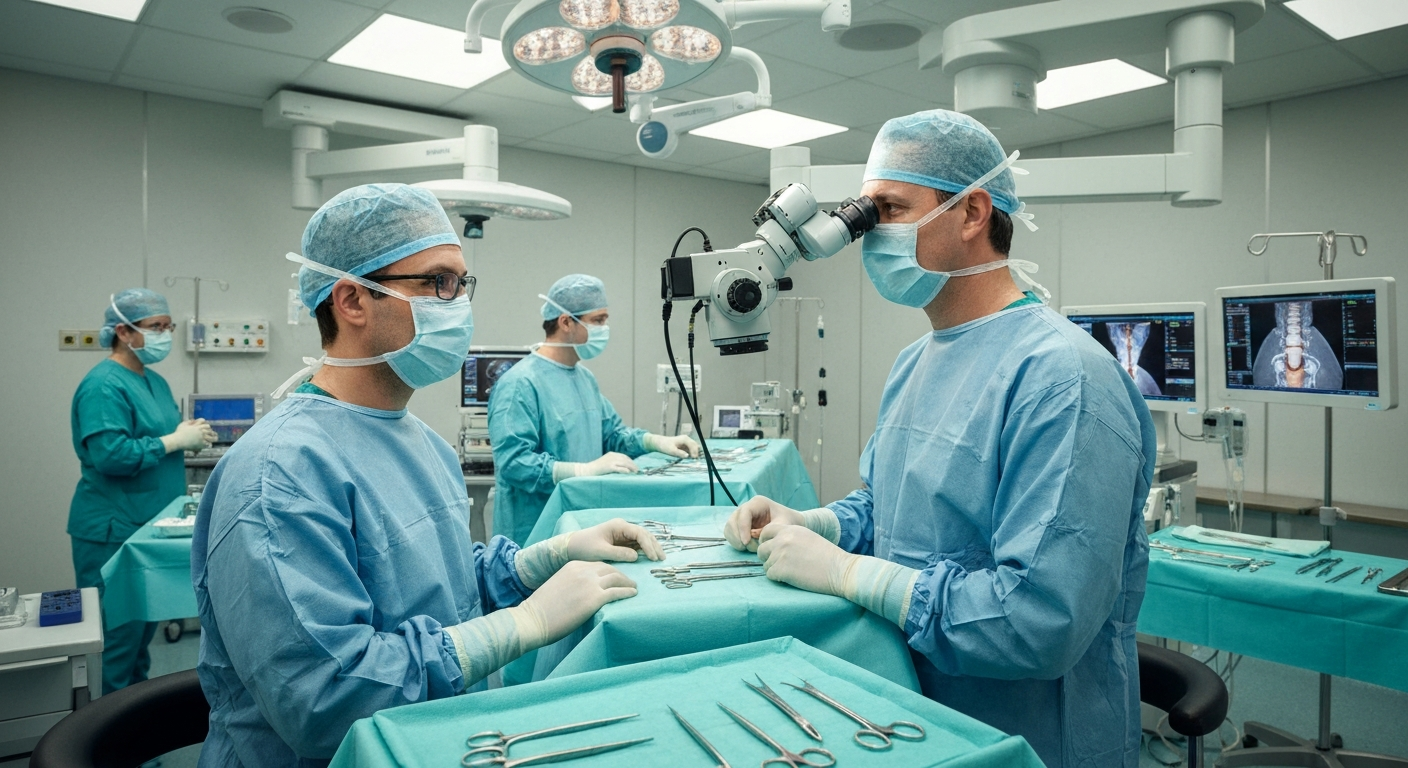
creating more space for compressed neural structures without altering the spine’s ability to move. In contrast, addressing problems related to abnormal motion or instability rather than compression alone.
Board-certified spine specialists use advanced imaging, physical examination findings, and a thorough understanding of your symptoms to determine which procedure addresses the root cause of your pain. For many patients in the Dallas area, access to fellowship-trained surgeons who specialize in both procedures means receiving personalized recommendations based on expertise rather than surgical preference.
Understanding these fundamental differences helps you participate actively in treatment planning and set realistic expectations for recovery and outcomes.
What Is a Laminectomy?
By removing this bone structure—along with any thickened ligaments or other tissues contributing to narrowing—surgeons create additional space for the spinal cord and nerve roots to function without compression.
This decompressive procedure is particularly effective for patients experiencing symptoms related to nerve pressure rather than instability. though it can also address stenosis in the cervical (neck) region.
During the procedure, you’re positioned face-down, and the surgeon accesses the spine through an incision over the affected area. After carefully removing the lamina and any compressing structures, the surgical site is closed, allowing you to begin recovery. using smaller incisions and specialized instruments that preserve muscle attachments.
The primary goal of laminectomy is symptom relief—reducing leg pain, numbness, tingling, or weakness caused by compressed nerves—while maintaining the spine’s natural motion. For patients researching laminectomy vs spinal fusion 2, it’s important to understand that laminectomy alone doesn’t address spinal instability.
Common Conditions Treated with Laminectomy
- Spinal stenosis without instability
- Herniated discs compressing nerve roots
- Thickened ligamentum flavum causing canal narrowing
- Bone spurs contributing to nerve compression
What Is Spinal Fusion?
essentially welding two or more vertebral segments into a single, immobile unit. This stabilization eliminates abnormal movement that can cause pain or progressive deformity.
making it the appropriate choice when laminectomy alone would leave the spine vulnerable to slippage or collapse. During fusion surgery, surgeons not only decompress any neural structures but also prepare the vertebral surfaces and place bone graft material that will gradually fuse the segments together over several months.
Hardware such as screws, rods, or cages typically reinforces the fusion site, providing immediate stability while the biological fusion process occurs. allowing surgeons to access the spine from the direction that provides optimal visualization and addresses the specific problem.
Recovery from spinal fusion generally requires more time than laminectomy alone because the bone must fully heal and fuse—a process that typically takes several months. You’ll follow specific activity restrictions during this healing period to protect the fusion site and optimize outcomes. For more information, see our page on laminectomy vs spinal fusion 3.
Common Conditions Treated with Spinal Fusion
- Spondylolisthesis (vertebral slippage)
- Severe degenerative disc disease with instability
- Spinal fractures requiring stabilization
- Scoliosis or other deformities
- Failed previous surgery with resulting instability
Laminectomy vs. Fusion: Key Differences
Understanding the fundamental distinction between these procedures helps clarify why surgeons recommend one approach over another. Laminectomy is a decompressive procedure focused on relieving neural pressure without altering spinal stability, preserving the spine’s natural movement at the treated level. Spinal fusion is a stabilization procedure that sacrifices motion at the surgical level to prevent abnormal movement, trading mobility for stability.
This difference in surgical goals leads to different recovery experiences and outcomes. because the procedure doesn’t require the extended healing period necessary for bone fusion to occur.
The long-term implications also differ. While laminectomy preserves motion, it doesn’t address—and may occasionally contribute to—instability if the underlying condition progresses. as the fused segments transfer additional stress to neighboring levels.
For patients comparing laminectomy vs fusion for lumbar stenosis 2 options, the key question becomes whether your stenosis occurs with or without instability. Stenosis alone typically requires decompression, while stenosis with spondylolisthesis or other instability generally necessitates fusion.
Decision Factors
- Surgical goal: Decompression only vs. decompression plus stabilization
- Recovery timeline: Weeks vs. months for full recovery
- Motion preservation: Maintained vs. eliminated at surgical level
- Complexity: Shorter, simpler procedure vs. longer, more complex surgery
- Hardware: Typically none vs. screws, rods, and bone graft
Pros and Cons of Each Procedure
Every surgical procedure involves tradeoffs between benefits and limitations. Board-certified surgeons carefully weigh these factors when recommending treatment, considering not just the diagnosis but also patient-specific circumstances.
Laminectomy Advantages
You’ll typically experience less postoperative pain, require shorter hospital stays, and return to activities more quickly than fusion patients. The procedure also avoids the potential complications associated with hardware placement and bone fusion.
Many patients appreciate that laminectomy doesn’t permanently alter spine mechanics, maintaining flexibility and natural movement patterns. For appropriate candidates—those with compression but without instability—laminectomy offers excellent symptom relief with minimal disruption to normal anatomy.
Laminectomy Limitations
Because the procedure removes bone without replacing it or stabilizing the segment, patients with borderline stability or progressive degenerative changes may eventually develop instability requiring additional surgery.
Additionally, laminectomy alone cannot address certain conditions—such as spondylolisthesis or severe disc collapse—where instability is already present or mechanical pain dominates the clinical picture.
Spinal Fusion Advantages
For patients whose pain stems from abnormal motion rather than compression alone, fusion addresses the root cause by eliminating problematic movement. The procedure provides definitive stabilization that prevents further slippage or collapse.
Fusion also offers a comprehensive solution for complex spinal problems, allowing surgeons to correct alignment, stabilize multiple levels, and address deformities that laminectomy alone cannot treat.
Spinal Fusion Limitations
The extended healing period requires patience and compliance with activity restrictions. Permanently eliminating motion at the fused segment may affect flexibility, though most patients adapt well.
The theoretical risk of adjacent segment degeneration—where unfused segments above or below the fusion experience accelerated wear from increased stress—remains a consideration, though research continues to clarify the actual incidence and significance of this phenomenon.
Factors That Influence the Choice
Selecting between laminectomy and fusion isn’t a matter of surgeon preference—it’s a clinical decision based on objective findings and patient characteristics. Fellowship-trained spine specialists consider multiple factors when recommending treatment.
as their primary problem involves nerve compression rather than abnormal motion. because addressing the instability is essential for achieving lasting relief.
providing detailed visualization of bone, disc, ligament, and neural structures. Dynamic X-rays showing spine motion during flexion and extension can reveal instability not visible on static images.
Key Evaluation Criteria
- Diagnosis: The specific pathology driving symptoms
- Stability assessment: Whether abnormal motion exists or will likely develop
- Age and health status: Younger patients may tolerate fusion better; older patients with multiple medical conditions may benefit from shorter laminectomy procedures
- Previous surgeries: Prior laminectomy that resulted in instability may necessitate fusion
- Activity goals: Occupational and recreational requirements influence recovery planning
- Symptom pattern: Leg pain suggests compression; back pain suggests mechanical instability
Transparent discussion of these factors helps you understand why your surgeon recommends a particular approach for your unique situation.
Recovery and Rehabilitation Expectations
Setting realistic expectations about recovery helps you prepare mentally and physically for the postoperative period. The recovery timeline differs substantially between laminectomy and fusion.
Laminectomy Recovery
Physical activities are gradually increased based on symptom response and healing progress. Most patients experience significant improvement in nerve-related symptoms—leg pain, numbness, weakness—within the first few weeks, though complete nerve recovery may continue for months.
Physical therapy after laminectomy focuses on core strengthening, flexibility, and proper body mechanics to protect the spine and prevent future problems. For detailed recovery information, Dallas-area patients can review our baytown patients guide laminectomy recovery essential resource. For more information, see our page on baytown patients guide laminectomy recovery essential.
Spinal Fusion Recovery
The extended timeline reflects the biological process of bone fusion, which requires adequate time and appropriate loading to succeed. You’ll avoid bending, lifting, and twisting during the early healing phase to protect the fusion site.
Initial therapy emphasizes proper movement patterns and basic conditioning, advancing to more aggressive strengthening once fusion shows signs of consolidation on imaging.
Factors Affecting Recovery
making tobacco avoidance a critical part of surgical preparation. Other factors influencing recovery include nutritional status, bone density, diabetes control, and compliance with postoperative instructions.
Both procedures benefit from engaged patients who actively participate in rehabilitation, communicate concerns promptly, and follow activity guidelines while gradually returning to normal life.
Why Choose a Board-Certified Spine Specialist in Dallas?
The Greater Dallas area offers access to highly trained spine specialists who understand the nuances of complex spinal conditions. dedicating extra years to mastering both surgical techniques and conservative management strategies.
This specialized training proves particularly valuable when deciding between procedures like laminectomy and fusion. recognizing that optimal outcomes depend on matching the right surgery to the right patient at the right time.
and fellowship-trained surgeons stay current with these evolving technologies. Patients in Dallas benefit from surgeons who offer both procedures and can objectively recommend the most appropriate option.
At Legent Spine, our dedicated care coordinators guide patients through every step—from initial consultation through surgical planning and postoperative care—ensuring transparent communication and personalized attention throughout the treatment journey.
Taking the Next Step: Getting Expert Guidance
Choosing between laminectomy and spinal fusion requires professional evaluation of your unique spinal condition.
During your consultation, expect a thorough review of your symptoms, how they affect daily activities, and what previous treatments you’ve tried. Your spine specialist will examine imaging studies to assess both nerve compression and spinal stability, explaining findings in understandable terms.
This is the appropriate time to discuss your concerns about surgery, ask about minimally invasive options available for your condition, and understand realistic recovery expectations. Experienced surgeons welcome questions and provide honest assessments of both surgical and nonsurgical options.
Questions to Ask Your Spine Specialist
- What specific problem is causing my symptoms—compression, instability, or both?
- Why do you recommend laminectomy vs. fusion for my condition?
- Am I a candidate for minimally invasive techniques?
- What does recovery look like for the recommended procedure?
- What happens if I choose not to have surgery now?
- What are realistic expectations for symptom improvement?
If you’re experiencing back or leg pain, consider scheduling a consultation with our board-certified spine specialists to learn which procedure may help you return to the activities you enjoy. Understanding your options empowers you to make confident decisions about your spine health and take the next step toward lasting relief.