
Understanding Your Spine Surgery Options
When back pain, leg pain, or neurological symptoms become severe enough to require surgery, the path forward can feel overwhelming. Two of the most commonly discussed procedures—laminectomy vs spinal fusion—address different spinal problems with distinct surgical approaches. Understanding the fundamental differences between these procedures helps you make an informed decision about your spine health.
The right surgical choice depends on your specific diagnosis, the severity of your condition, your age, overall health, and personal treatment goals. A laminectomy primarily addresses nerve compression by removing bone to create more space in the spinal canal. Spinal fusion stabilizes the spine by joining two or more vertebrae together. These procedures serve fundamentally different purposes—and in some cases, they’re performed together.
At Legent Spine, our board-certified spine surgeons serving the Greater Dallas area conduct comprehensive evaluations to determine which approach will best address your unique spinal condition. Through detailed imaging studies, physical examination, and discussion of your symptoms and goals, we develop personalized treatment plans that prioritize both immediate relief and long-term spine health.
What Is a Laminectomy?
A often laminectomy is a decompression procedure that removes a portion of the vertebral bone called the lamina. This bone forms the back part of the spinal canal, and when it’s removed, the surgeon creates more space for the spinal cord and nerve roots. The primary goal is to relieve pressure on neural structures that may be causing pain, weakness, numbness, or other neurological symptoms.
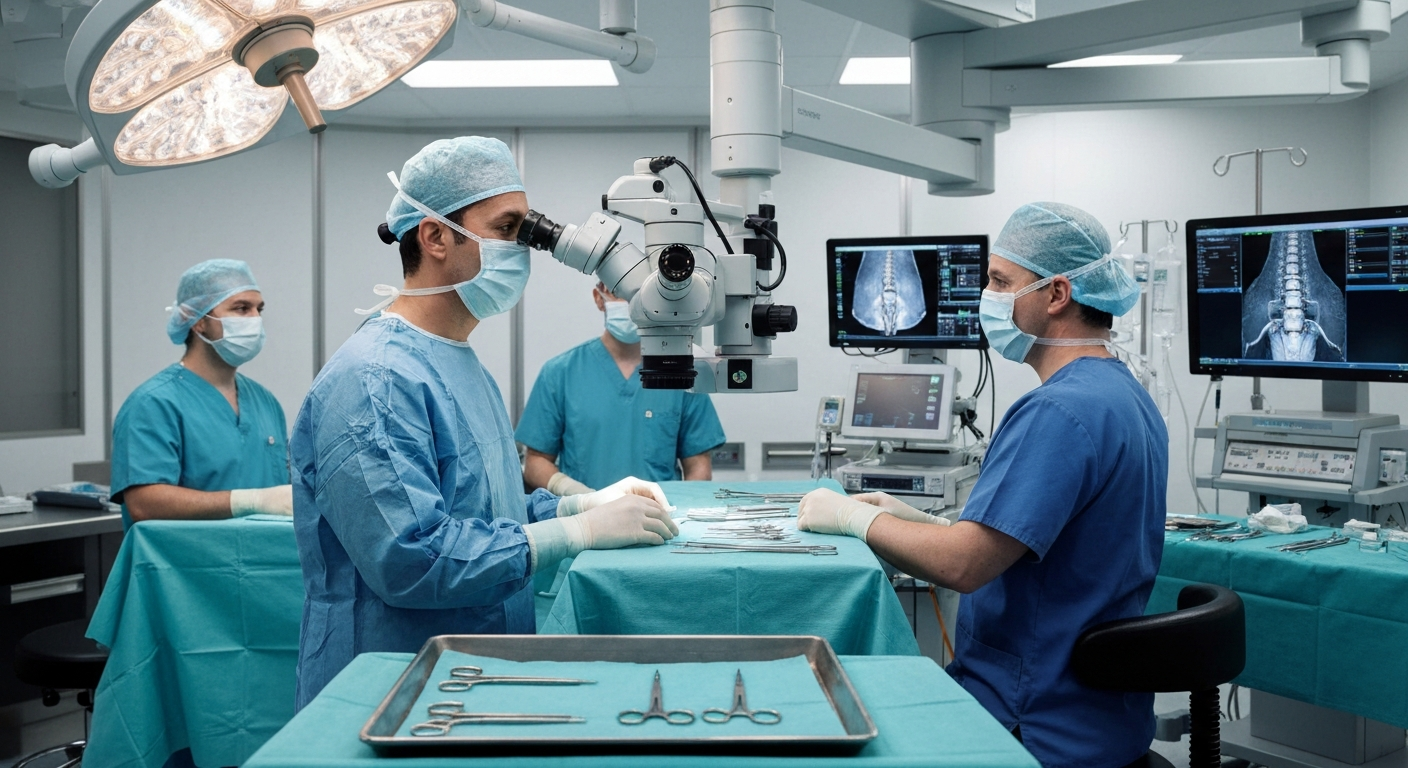
Spine surgeons typically recommend laminectomy for patients with spinal stenosis—a narrowing of the spinal canal that compresses the nerves. This condition commonly develops due to age-related changes including thickened ligaments, bone spurs, or bulging discs. When conservative treatments like physical therapy, medications, and injections fail to provide adequate relief, laminectomy becomes a viable option for restoring quality of life.
The procedure can be performed using minimally invasive techniques, which involve smaller incisions, less muscle disruption, and often faster recovery compared to traditional open surgery. During the operation, the surgeon carefully removes only the necessary amount of bone and ligament to decompress the nerves while preserving the spine’s structural integrity. A may laminectomy alone does not immobilize the spine—patients maintain normal motion between the vertebrae after healing.
may Most patients who undergo laminectomy experience significant improvement in leg pain, numbness, and walking tolerance. The procedure focuses on removing compressive elements rather than fusing bones together.
What Is Spinal Fusion?
Spinal fusion is a stabilization procedure that permanently joins two or more vertebrae together, eliminating motion at that spinal segment. Surgeons accomplish this by placing bone graft material between the vertebrae and often reinforcing the area with metal screws, rods, or plates. Over time—typically several months—the bones grow together to form a solid, stable unit.
The primary indication for spinal fusion is spinal instability, which occurs when the vertebrae move abnormally in relation to each other. This instability can result from degenerative disc disease, spondylolisthesis (vertebral slippage), fractures, tumors, infections, or severe deformities like scoliosis. When the spine cannot maintain proper alignment or when excessive motion causes persistent pain and dysfunction, fusion provides structural stability.
typically Fusion surgery is more complex than laminectomy alone and involves a longer recovery period. The procedure may be approached from the front of the spine (anterior), the back (posterior), or both, depending on the specific pathology being addressed. Surgeons carefully prepare the vertebral surfaces, position the bone graft material, and secure the hardware to support healing.
While fusion eliminates motion at the treated level, it effectively stabilizes painful segments and can prevent further deterioration. For patients with both compression and instability, surgeons may perform laminectomy combined with fusion during the same operation—decompressing the nerves while simultaneously stabilizing the spine.
Key Differences: Laminectomy vs. Fusion
The fundamental distinction between these procedures lies in their objectives and outcomes. Laminectomy aims to relieve nerve compression while preserving spinal mobility, whereas fusion eliminates motion to achieve stability. Laminectomy preserves the natural motion of the spine between treated vertebrae, while fusion eliminates motion at the fused level.
Recovery timelines differ substantially between the two approaches. generally Laminectomy patients often begin walking within hours of surgery and may return to light activities within weeks. Fusion surgery typically requires a longer recovery period, with full healing taking three to six months or longer, compared to laminectomy recovery of several weeks. Fusion patients must allow time for the bones to grow together, which requires patience and adherence to activity restrictions.
The surgical indications also differ significantly. typically Laminectomy addresses compression-related symptoms like radiating leg pain, numbness, and claudication (pain with walking). typically Fusion treats instability, mechanical back pain, deformity, and conditions where the spine’s structural integrity is compromised. Your diagnosis—not your preference—ultimately determines which procedure is medically appropriate.
Long-term outcomes depend heavily on choosing the correct procedure for your specific spinal problem. Performing laminectomy alone when fusion is needed can lead to continued instability and symptom recurrence. Conversely, fusing a spine that only requires decompression subjects the patient to unnecessary complexity, cost, and recovery burden.
Pros and Cons: What to Consider
typically Laminectomy advantages include preservation of natural spinal motion, shorter recovery time, less surgical complexity, and lower risk of adjacent segment degeneration. Patients typically experience faster return to daily activities and may have fewer long-term restrictions. The minimally invasive approach reduces muscle damage and postoperative pain.
generally Laminectomy limitations include the inability to address instability or correct deformity. If your spine has structural problems beyond nerve compression, laminectomy alone will not provide adequate treatment. Some patients may develop instability after extensive decompression, requiring subsequent fusion surgery.
Spinal fusion advantages include definitive correction of instability, prevention of vertebral slippage progression, and elimination of motion-related pain. Fusion can also correct deformity and provide long-term structural stability. For the right patient with the right diagnosis, fusion offers excellent outcomes and symptom resolution.
Spinal fusion limitations include permanent loss of motion at the fused segment, longer recovery period, higher surgical complexity, and increased risk of adjacent segment disease over time. The immobilized vertebrae transfer stress to neighboring levels, which may accelerate degenerative changes. Hardware complications, although uncommon, can occur and may require additional surgery.
Factors That Influence Your Surgical Choice
Your surgeon’s recommendation depends on multiple factors, starting with your specific diagnosis and symptom severity. Advanced imaging reveals the exact nature of your spinal pathology—whether you have pure compression, instability, or both.
Age and overall health status significantly influence surgical decision-making. Younger patients with good bone quality may be better fusion candidates, while older patients with multiple medical conditions might benefit from the less invasive laminectomy approach when appropriate.
Your activity level and lifestyle goals matter tremendously. An active individual hoping to return to sports or physical labor needs a stable spine, while someone seeking relief from walking difficulty may achieve their goals with decompression alone. Previous spine surgeries or treatments also factor into the decision, as prior operations can affect spinal stability and healing potential.
The presence of documented instability versus isolated compression is perhaps the most critical factor. Dynamic X-rays showing vertebral slippage with movement, severe disc collapse, or spondylolisthesis typically indicate fusion necessity. Pure stenosis without instability often responds well to laminectomy alone.
Recovery and Rehabilitation Timelines
Following laminectomy, most patients spend one night in the hospital or may go home the same day for minimally invasive procedures. Initial recovery typically spans two to six weeks, during which walking is encouraged while heavy lifting and strenuous activities are restricted. Most patients return to desk work within two to three weeks, while physical jobs may require four to six weeks off.
Your physical therapist will design a progressive program to rebuild endurance, improve flexibility, and strengthen the muscles supporting your spine. The goal is restoring function while protecting the surgical site during early healing.
Spinal fusion requires a more extended recovery timeline. Hospital stays typically last two to four days, and full bone healing takes three to six months. Return to work depends on job demands—sedentary workers may resume in four to six weeks, while manual laborers often need three months or longer.
Pain management strategies differ between procedures. Laminectomy patients often experience rapid pain relief as nerve compression resolves, while fusion patients may have surgical site discomfort that gradually improves as healing progresses. Both groups benefit from appropriate pain medications, physical therapy, and gradual activity progression under surgeon guidance.
Making Your Decision: What Happens Next
Only a qualified, board-certified spine surgeon can accurately determine which procedure best addresses your specific spinal condition. At Legent Spine, our fellowship-trained surgeons have extensive experience with both approaches and will provide honest, transparent recommendations based on your unique situation.
When you schedule your consultation, bring all recent imaging studies, medical records, and a list of current medications. Prepare questions about your surgeon’s experience with both procedures, including case volume and complication rates. Discuss realistic expectations for pain relief, functional improvement, and recovery timeline specific to your diagnosis and health status.
Don’t hesitate to request a second opinion if you want additional perspective, especially when facing a significant surgical decision. A reputable surgeon will support your desire for thorough evaluation and confident decision-making. Understanding the differences between laminectomy and fusion approaches empowers you to have meaningful conversations with your care team.
The expert spine surgeons at Legent Spine are dedicated to providing world-class spine care to patients throughout the Greater Dallas area. Our comprehensive approach combines advanced diagnostic capabilities, minimally invasive surgical techniques when appropriate, and personalized rehabilitation programs designed to optimize your recovery and long-term outcomes. If you’re experiencing spine-related symptoms and wondering whether surgery might help, we invite you to schedule a consultation to discuss your options.