
Understanding Spinal Stenosis and Leg Weakness
When you notice weakness in your legs while walking through the parking lot at work or climbing stairs at home, it’s natural to wonder about the cause. For many people in the Dallas area, this symptom may be linked to spinal stenosis—a condition where spaces within the spine narrow and compress the nerves that control leg function.
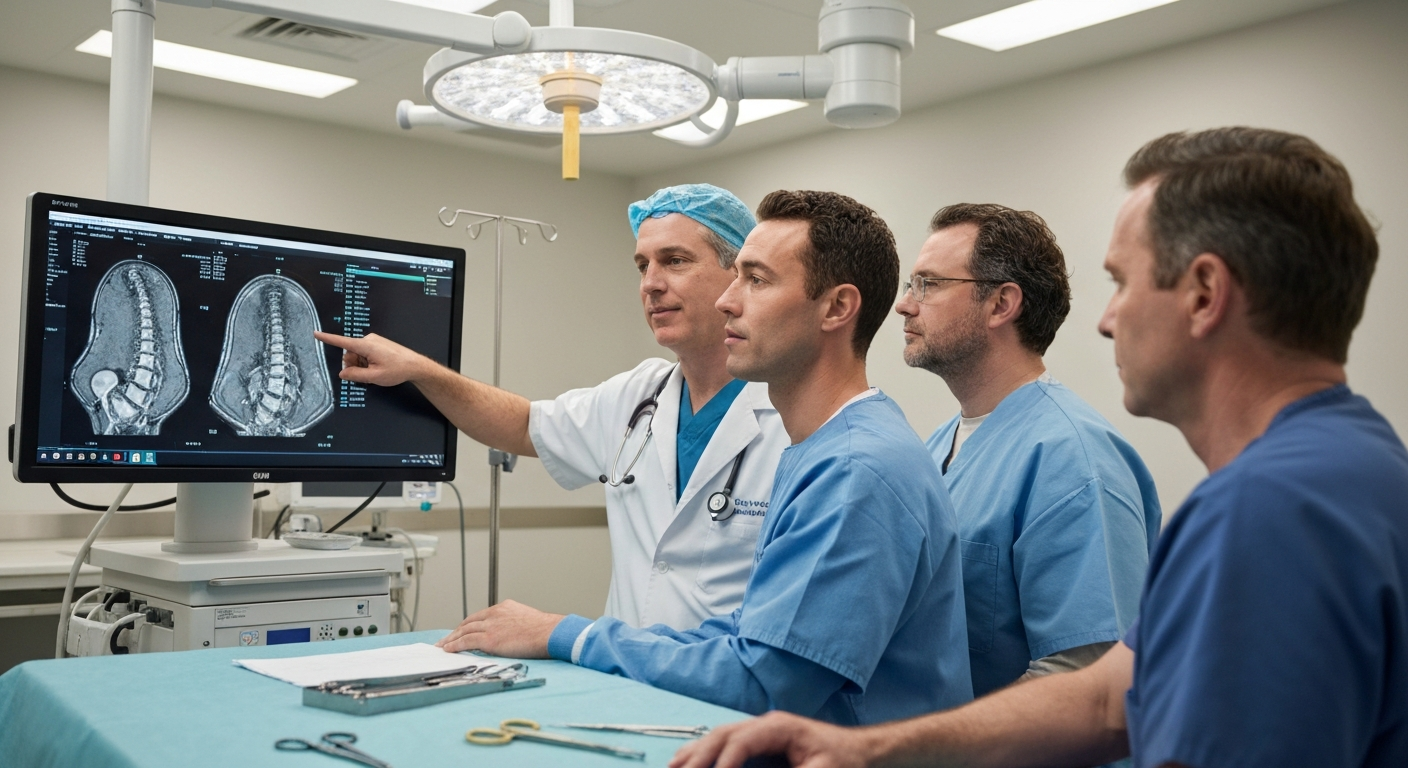
Understanding the connection between can spinal stenosis cause leg weakness is an important first step toward getting the expert care you need. The good news is that early evaluation can help prevent progression and preserve your mobility.
generally Spinal stenosis occurs when the spinal canal narrows, reducing space for the spinal cord and nerve roots Spinal stenosis occurs when the spinal canal narrows, reducing space for the spinal cord and nerve roots. This narrowing can happen in different areas of the spine, but when it affects the lower back, it often leads to leg-related symptoms. The spinal canal stenosis symptoms vary from person to person, but leg weakness is one of the most concerning signs that shouldn’t be ignored.
When nerve compression interrupts the signals between your brain and leg muscles, the result can be noticeable weakness that affects your daily activities. Whether you’re walking through the Dallas Arboretum or simply navigating your neighborhood, these symptoms can significantly impact your quality of life.
If you’re experiencing leg weakness or other concerning symptoms, scheduling a comprehensive evaluation with a board-certified spine specialist can provide clarity and guide you toward the most appropriate treatment path.
How Does Spinal Stenosis Cause Leg Weakness?
To understand why spinal stenosis leads to leg weakness, it helps to know a bit about your spine’s anatomy. Your spinal canal serves as a protective tunnel for the spinal cord, while smaller openings called foramina allow nerve roots to exit the spine and travel to different parts of your body.
When you have spinal stenosis, these spaces become narrower due to various factors including bone spurs, thickened ligaments, herniated discs, or age-related changes. As these spaces constrict, the nerves running through them experience pressure.
Think of it like a garden hose that gets pinched—the water flow becomes restricted. Similarly, when nerves are compressed, the electrical signals they carry from your brain to your leg muscles can’t transmit properly. This compromised nerve function manifests as weakness, making it difficult to lift your foot, stand on your toes, or maintain your normal walking pattern.
The compression doesn’t happen overnight. For most patients, spinal stenosis develops gradually over months or years. You might first notice subtle changes—perhaps your legs feel heavy after walking for a while, or you need to rest more frequently during activities you once completed easily. For more information, see our page on tomball patients spinal canal stenosis.
Location matters significantly in determining which muscles are affected. Stenosis in the lumbar spine (lower back) typically impacts leg strength and function because the nerves compressed in this area control the lower extremities. Some patients experience weakness primarily in one leg, while others notice bilateral symptoms.
Recognizing the Symptoms of Spinal Stenosis
Leg weakness rarely appears as an isolated symptom. Most patients with spinal stenosis experience a constellation of signs you may spinal canal stenosis that develop together. Recognizing these patterns can help you understand when it’s time to seek professional evaluation.
One hallmark symptom is neurogenic claudication—leg pain, cramping, or weakness that worsens with walking or standing and improves with sitting or bending forward. You might notice that shopping becomes challenging because your legs feel weak and painful after walking through several aisles, but sitting down on a bench provides relief.
Common symptoms include:
- Progressive leg weakness that makes walking, climbing stairs, or standing from a seated position more difficult
- Numbness or tingling in the legs, feet, or buttocks that may come and go or persist continuously
- Pain that radiates from the lower back down into one or both legs, often described as burning, aching, or shooting
- Balance difficulties or a sensation of instability when walking on uneven surfaces
- Foot drop where you have trouble lifting the front part of your foot, causing you to drag your toes or trip more easily
- Relief with position changes, particularly when sitting, leaning forward, or lying down
Some patients also experience heaviness in the legs, as if they’re weighted down or moving through water. Others describe a sensation of the legs “giving out” unexpectedly, which can be particularly concerning and increase fall risk.
It’s worth noting that not everyone experiences pain. Some patients with spinal stenosis primarily notice weakness and numbness without significant discomfort, while others deal with debilitating pain alongside functional limitations. The absence of pain doesn’t mean the condition is less serious—nerve compression can still cause progressive damage even when pain isn’t a prominent feature. For more information, see our page on spinal stenosis foraminal bellaire patients.
Why Early Evaluation Matters
Seeking timely evaluation for leg weakness and other symptoms of spinal stenosis can make a meaningful difference in your treatment outcomes and long-term quality of life. typically Prolonged spinal cord compression can result in irreversible neurological damage if left untreated Prolonged spinal cord compression can result in irreversible neurological damage if left untreated.
When nerves remain compressed for extended periods, they can sustain permanent injury that doesn’t fully recover even with subsequent treatment. Progressive weakness may gradually limit your ability to participate in daily activities you enjoy.
Tasks that once seemed simple—walking your dog around the neighborhood, playing with grandchildren, or maintaining your home—can become increasingly challenging. This functional decline often happens slowly enough that patients sometimes adjust their lifestyle without realizing how much they’ve given up.
One encouraging aspect of early evaluation is that it often prevents the need for surgery. usually Early diagnosis and appropriate management of spinal stenosis can help prevent functional decline and maintain quality of life Early diagnosis and appropriate management of spinal stenosis can help prevent functional decline and maintain quality of life. When spinal stenosis is identified early, conservative treatments such as physical therapy, activity modification, and targeted interventions may successfully manage symptoms and slow progression.
A comprehensive evaluation by board-certified spine specialists provides accurate diagnosis through detailed imaging and physical examination. Advanced imaging technology available at specialized spine centers can reveal the precise anatomy of your spine and help your care team understand exactly what’s causing your symptoms.
Treatment Options for Spinal Stenosis and Leg Weakness
Treatment for spinal stenosis and associated leg weakness follows a personalized approach based on symptom severity, overall health, lifestyle factors, and individual goals. Most spine specialists begin with conservative measures, progressing to more advanced interventions only when necessary.
Conservative Treatment Approaches
Non-surgical management forms the foundation of initial treatment for many patients with spinal stenosis. Physical therapy plays a central role, focusing on exercises that strengthen core muscles, improve flexibility, and promote better posture.
Activity modification helps many patients manage symptoms effectively. This doesn’t mean giving up all activities, but rather learning to pace yourself, take breaks when needed, and avoid positions or movements that exacerbate nerve compression.
Medications can help control pain and inflammation associated with spinal stenosis. Anti-inflammatory drugs, pain relievers, and sometimes nerve pain medications may be recommended as part of your comprehensive treatment plan.
Epidural steroid injections deliver anti-inflammatory medication directly to the affected area of the spine. For many patients, these injections provide substantial relief that lasts weeks or months, reducing pain and improving function.
Surgical Treatment Options
When conservative treatments don’t provide adequate relief or when neurological function is deteriorating, surgical intervention may be appropriate. The goal of surgery is to decompress the affected nerves by creating more space in the spinal canal.
Common surgical procedures for spinal stenosis include:
- Laminectomy—removal of a portion of the vertebral bone (lamina) to enlarge the spinal canal and relieve pressure on nerves
- Laminotomy—a less extensive procedure that removes only a small portion of the lamina to decompress specific nerves
- Foraminotomy—enlargement of the foramina (nerve root openings) to reduce compression where nerves exit the spine
- Spinal fusion—in cases where spinal stability is compromised, fusion may be performed to stabilize the spine
Many spine surgeons now utilize minimally invasive techniques for these procedures when appropriate. Minimally invasive surgery typically involves smaller incisions, less muscle disruption, reduced blood loss, and faster recovery compared to traditional open surgery.
Surgery outcomes for spinal stenosis are generally favorable when patients are carefully selected and procedures are performed by fellowship-trained spine surgeons. Most patients experience significant improvement in leg pain, weakness, and functional capacity following successful decompression.
Spinal Stenosis Care in the Greater Dallas Area
Residents throughout the Dallas-Fort Worth metroplex have access to expert spine care without traveling far from home. Board-certified spine surgeons serve Dallas and surrounding communities including Arlington, Plano, Frisco, McKinney, and Fort Worth, providing comprehensive evaluation and treatment for spinal stenosis and related conditions.
Comprehensive spine evaluation is available in convenient locations throughout the Greater Dallas area, making it easier to access the expert care you need. These evaluations utilize advanced imaging technology for accurate diagnosis, ensuring that your spine specialist has detailed information about the specific anatomy and pathology affecting your spine.
Each patient receives a personalized treatment plan designed specifically for their unique situation. Rather than a one-size-fits-all approach, your care team considers your symptoms, lifestyle, goals, and overall health to recommend the most appropriate interventions.
Dedicated care coordinators guide you through every step of the evaluation and treatment process. From scheduling your initial consultation through any necessary follow-up care, these professionals serve as your primary point of contact, answering questions, coordinating appointments, and ensuring you feel supported throughout your journey.
When to Schedule Your Evaluation
Knowing when to seek professional assessment can be challenging, especially when symptoms develop gradually. However, certain signs warrant prompt evaluation by a spine specialist.
New or worsening leg weakness should be assessed without delay, particularly if you notice increasing difficulty with previously manageable activities or if weakness is progressing rapidly. Persistent leg pain that affects your daily activities deserves professional attention.
Difficulty walking or balance problems should be evaluated promptly due to fall risk and safety concerns. If you find yourself holding onto furniture while walking around your home, avoiding stairs due to instability, or experiencing episodes where your legs feel unsteady or give out unexpectedly, these symptoms warrant professional assessment.
Numbness or tingling that lasts more than a few weeks requires attention. While occasional numbness might result from temporary pressure on a nerve, persistent sensory changes can indicate ongoing nerve compression that needs treatment.
If you’re experiencing leg weakness, pain, or other symptoms of spinal stenosis, expert help is available close to home. To learn more about comprehensive spine care options or to schedule your evaluation, contact Legent Spine at your convenience. Our team is ready to answer your questions and help you take the next step toward improved spine health and restored function.