
Understanding Cervical Spondylosis
Cervical spondylosis is one of the most common spine conditions affecting adults as they age. This degenerative condition targets the discs and joints in your neck, causing changes that can lead to pain, stiffness, and sometimes neurological symptoms that affect your daily life.
As you age, natural wear and tear on your cervical spine leads to structural changes. These include disc degeneration, loss of disc height, and the formation of bone spurs. Your neck experiences these changes because this region bears significant weight while maintaining exceptional mobility for everyday movements like turning your head and looking up and down.
Cervical spondylosis differs from acute injuries or inflammatory conditions like rheumatoid arthritis. While those conditions may cause sudden symptoms or systemic inflammation, cervical spondylosis develops gradually over years. It’s also distinct from conditions like herniated discs, though both can occur together and may share similar symptoms.
The condition is remarkably common. often Most people show some evidence of cervical degeneration by their sixties. However, not everyone with these structural changes experiences symptoms, which is why understanding the condition and recognizing when to seek professional evaluation becomes essential.
At Legent Spine, our Dr. Paul Salinas and Dr. Grant Booher provide comprehensive evaluations for patients experiencing cervical spine symptoms. Whether you’re dealing with occasional neck stiffness or more concerning neurological symptoms, our fellowship-trained specialists can help determine the underlying cause and develop a personalized treatment plan.
Symptoms of Cervical Spondylosis
Recognizing the symptoms of cervical spondylosis helps you understand when neck discomfort may warrant professional evaluation. The most common symptom is persistent neck pain and stiffness, particularly noticeable in the morning or after sitting still for extended periods. Many patients describe feeling like their neck has become less flexible, with difficulty turning their head fully to check blind spots while driving.
This radiating pain occurs when bone spurs or herniated disc material compresses nerve roots as they exit the spinal canal. You may experience shooting pain, tingling sensations, or numbness that follows specific nerve pathways down your shoulder, through your arm, and into your fingers.
Weakness in your arms or hands represents another concerning symptom. You may notice difficulty gripping objects, dropping items unexpectedly, or struggling with fine motor tasks. When the spinal cord itself becomes compressed, you may experience broader neurological symptoms including problems with balance, coordination difficulties, or an unsteady gait.
Some patients experience headaches that originate at the base of the skull and radiate upward. These differ from typical tension headaches and often accompany neck stiffness. Understanding this varied symptom presentation helps you recognize when neck problems may be related to cervical spondylosis rather than simple muscle strain, similar to how patients need to understand spinal canal stenosis signs and treatment options for lower back conditions.
What Causes Cervical Spondylosis
Understanding what causes cervical spondylosis helps you recognize why this condition develops. The primary driver is natural aging and the inevitable degeneration of spinal structures over time. This dehydration process begins in early adulthood and continues throughout life, though the rate varies significantly among individuals.
As discs lose height and degenerate, your body responds by attempting to stabilize the affected spinal segments. These bony growths, while intended as protective mechanisms, can reduce the space available for nerves and the spinal cord, leading to compression symptoms.
Beyond natural aging, repetitive strain from occupational activities or recreational pursuits accelerates the degenerative process. If you work in industries requiring frequent overhead work, constant computer use with poor ergonomics, or jobs involving vibration exposure, you may experience more rapid progression of cervical degeneration.
Previous neck injuries or trauma, including whiplash injuries from motor vehicle accidents, create lasting changes in cervical spine mechanics. Genetics also play a role, with some families showing patterns of more aggressive spinal degeneration. Poor posture maintained over many years—particularly the forward head posture common in our smartphone-dominated culture—places excessive stress on cervical structures. Additionally, smoking accelerates disc degeneration through multiple mechanisms, including reduced blood flow to spinal tissues.
Risk Factors for Cervical Spondylosis
Certain risk factors increase the likelihood of developing symptomatic cervical spondylosis. While structural changes may begin earlier, symptomatic problems typically manifest in middle age and beyond as the cumulative effects of degeneration become more pronounced.
Gender plays a modest role, with males experiencing slightly higher prevalence rates. More significantly, a history of neck injury substantially elevates risk. Even injuries that seemed to resolve completely can create subtle biomechanical changes that accelerate degeneration years later.
Physically demanding occupations create chronic stress on cervical structures. Construction workers, assembly line workers, and dental professionals may face elevated risk due to occupational demands. The harmful effects of tobacco use extend beyond cardiovascular health, directly impacting spine health.
Patients with existing degenerative disc disease in other spinal regions often develop cervical spondylosis as well. Understanding these risk factors highlights the importance of preventive strategies and early intervention. Just as maintaining healthy weight can help, as discussed in our articles about weight loss reducing spinal load, addressing modifiable risk factors may slow progression. For more information, see our page on 510 weight loss reduces spinal load 5.
How Doctors Diagnose Cervical Spondylosis
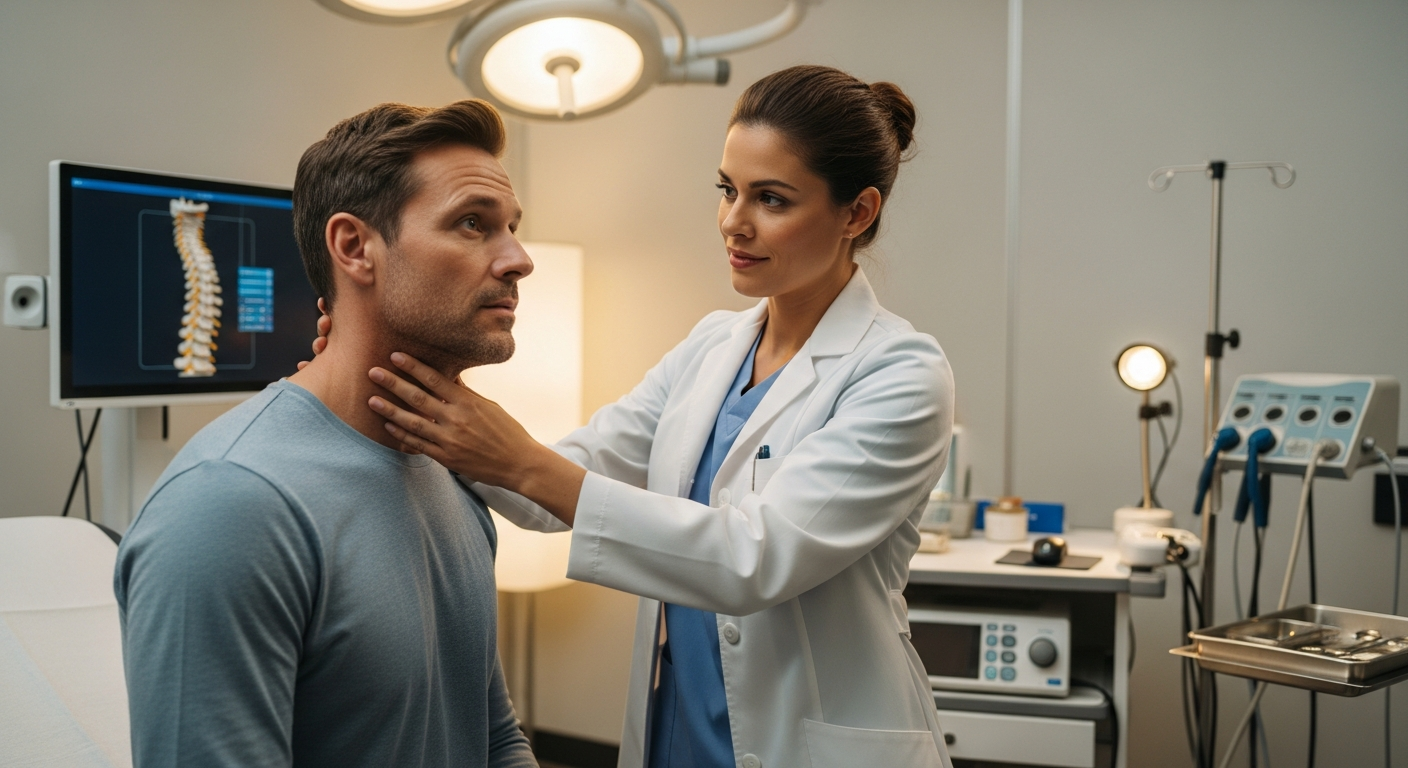
When you visit Legent Spine with neck pain or related symptoms, our board-certified spine specialists begin with a comprehensive patient history and physical examination. This initial evaluation explores your symptom patterns, timing, aggravating factors, and how symptoms impact your daily activities. The physical examination includes assessment of neck range of motion, palpation of cervical structures, and postural evaluation. For more information, see our page on you walk broken back spine specialists.
Neurological testing forms a critical component of the diagnostic process. Specific provocative tests, such as Spurling’s test, help identify nerve root compression by reproducing radiating symptoms when the head is tilted and compressed toward the affected side.
Imaging studies provide detailed visualization of cervical spine structures. X-rays taken in multiple views show alignment, disc space height, and bony changes including osteophyte formation.
MRI visualization of soft tissues allows specialists to assess the degree of canal narrowing, disc degeneration, and any compression of neural structures. CT scans may be ordered when detailed bony anatomy evaluation is needed, particularly when planning surgical intervention.
Electrodiagnostic studies, including electromyography (EMG) and nerve conduction studies, may be indicated when symptoms suggest nerve involvement. These tests assess nerve function and can help distinguish cervical radiculopathy from peripheral nerve problems like carpal tunnel syndrome. This comprehensive diagnostic approach ensures accurate identification of the problem and guides appropriate treatment recommendations, whether conservative care or consideration of minimally invasive surgical options.
Treatment Options for Cervical Spondylosis
Treatment for cervical spondylosis follows a progressive approach, with most patients benefiting from conservative management before considering surgical intervention. The initial treatment phase typically includes rest modification—avoiding activities that worsen symptoms while maintaining appropriate activity levels. Complete immobilization is rarely recommended, as maintaining neck mobility and strength generally produces better outcomes.
Physical therapy forms a cornerstone of conservative treatment. Therapists design specific exercise programs that strengthen neck musculature, improve flexibility, and address postural dysfunction. Therapeutic exercises combined with manual therapy techniques can reduce pain, improve function, and help you manage symptoms long-term.
Medications play a supporting role in symptom management. Non-steroidal anti-inflammatory drugs (NSAIDs) help reduce pain and inflammation, while muscle relaxants may provide relief when muscle spasm contributes to discomfort. For nerve-related pain, medications like gabapentin or pregabalin may be prescribed. Short courses of oral corticosteroids can help during acute symptom flares.
Cervical epidural steroid injections deliver anti-inflammatory medication directly to affected nerve roots. These injections can reduce inflammation, decrease pain, and allow more effective participation in physical therapy. While not curative, injections serve as a valuable tool in comprehensive management.
Lifestyle modifications contribute to better outcomes. These include ergonomic adjustments at work, proper sleep positioning with supportive pillows, and smoking cessation. Weight management, stress reduction, and regular low-impact exercise support overall spine health. For many patients, these conservative approaches provide sufficient symptom control.
When conservative treatments fail to provide adequate relief after an appropriate trial period, or when you develop progressive neurological deficits, surgical evaluation becomes appropriate. Our specialists thoroughly discuss surgical options, risks, benefits, and expected outcomes, ensuring you have the information needed to make informed decisions.
Minimally Invasive Surgery Options
For patients who require surgical intervention for cervical spondylosis, minimally invasive techniques offer several advantages. This procedure addresses nerve compression by removing the damaged disc and any bone spurs, then stabilizing the segment with a spacer and fixation hardware.
Cervical artificial disc replacement represents an alternative to fusion for appropriate candidates. This option preserves motion at the treated level rather than fusing the vertebrae together. The procedure involves similar decompression but replaces the diseased disc with an artificial device designed to allow continued motion.
Posterior decompression techniques access the spine from the back of the neck. These procedures may be appropriate when compression occurs primarily from structures behind the spinal cord or when multiple levels require treatment.
The benefits include less postoperative pain, reduced blood loss, shorter hospital stays, and faster return to normal activities. Choosing a fellowship-trained spine surgeon experienced in minimally invasive techniques is essential.
Recovery timelines vary based on the specific procedure, the number of levels treated, and individual patient factors. Many patients stay in the hospital for just one night, with some procedures performed on an outpatient basis.
What to Expect if You Have Cervical Spondylosis
This unpredictability makes individualized evaluation and monitoring important. Many patients live comfortably with cervical spondylosis for years with only occasional symptoms that respond well to conservative management.
Most cases remain manageable with conservative care including physical therapy, lifestyle modifications, and periodic use of medications or injections. The key is maintaining open communication with your spine specialist and reporting changes in symptoms. Early intervention allows for implementation of strategies that can slow progression and maintain function.
The importance of early recognition cannot be overstated. When spinal cord compression develops and produces myelopathy, symptoms including balance problems and weakness may become permanent if intervention is delayed.
Long-term outlook with proper management remains generally favorable for most patients. Those who engage actively in their treatment, maintain appropriate physical conditioning, and address modifiable risk factors typically achieve good symptom control. Regular follow-up allows for monitoring of progression and adjustment of treatment approaches as needed.
When to See a Spine Specialist
You should consider seeking evaluation from a board-certified spine specialist when neck symptoms persist beyond a few weeks despite initial conservative measures. Persistent pain that interferes with sleep, work, or daily activities warrants professional assessment to determine the underlying cause.
Radiating symptoms extending into your arm or hand, particularly when accompanied by numbness, tingling, or weakness, suggest possible nerve compression requiring thorough evaluation. Progressive weakness or numbness that worsens over days or weeks indicates the need for prompt specialist consultation. Similarly, balance problems, coordination difficulties, or changes in gait should be evaluated urgently as these symptoms may indicate spinal cord compression.
The diagnostic process clarifies the exact nature and severity of the problem. Our specialists at Legent Spine take a conservative-first approach, recommending surgery only when clearly indicated.
When neural compression causes progressive deficits, timely intervention may prevent irreversible changes. Understanding the warning signs and seeking appropriate evaluation protects long-term neurological function.
At Legent Spine, we serve the Greater Dallas area with comprehensive spine care delivered by fellowship-trained specialists. Our dedicated care coordinators guide patients through the evaluation and treatment process, ensuring each person receives personalized attention and clear communication every step of the way. If you’re experiencing persistent neck pain, radiating symptoms, or neurological changes, we encourage you to schedule a consultation. Early evaluation provides clarity, peace of mind, and access to the full range of treatment options—from conservative care to advanced minimally invasive surgical techniques when needed.