
For patients in Irving and throughout the Greater Dallas area, chronic spine pain can make even simple daily activities feel overwhelming. When conservative treatments haven’t brought the relief you need, it’s time to explore surgical options. Arthroscopic spine surgery offers an advanced minimally invasive approach that typically means faster recovery and less discomfort than traditional open procedures. If you’re considering alternatives to laminectomy fusion spine surgery or want to know what to expect when you see a board-certified neurosurgeon for spine care, this guide will help you understand how arthroscopic techniques work and whether they might be right for you.
Understanding Arthroscopic Spine Surgery
Arthroscopic spine surgery is a minimally invasive technique that allows surgeons to diagnose and treat spinal conditions through. Unlike traditional open spine surgery, which requires large incisions and cutting through muscle to reach the affected area, arthroscopic procedures use specialized instruments and a small camera to treat spine conditions with minimal tissue disruption.
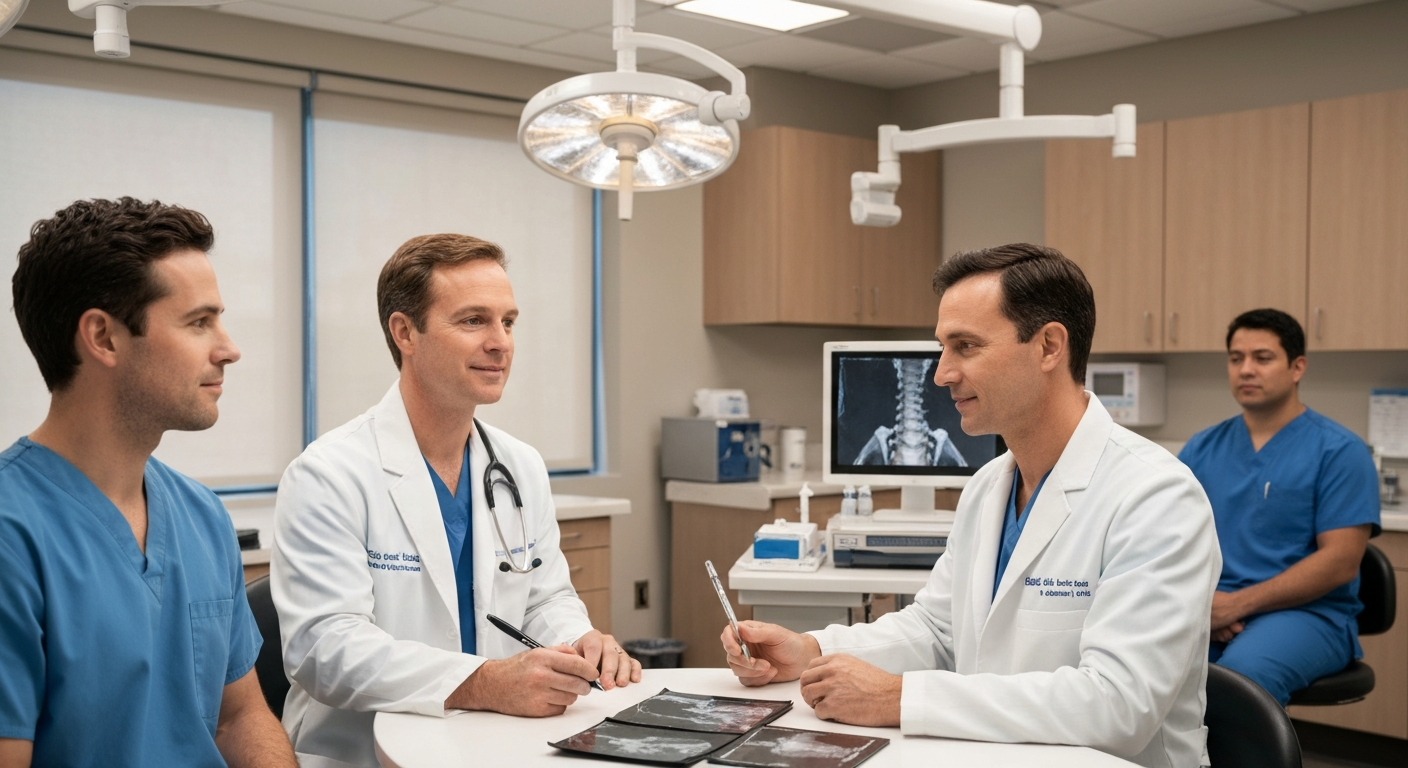
The arthroscope is a thin tube equipped with a high-resolution camera and light source. When inserted through small openings in the skin, it sends magnified images of the surgical site to a monitor, giving your surgeon a detailed view of your spine’s internal structures.
This approach can address several common spine conditions. These include facet joint arthritis, synovial cysts that press on nerves, scar tissue from previous surgeries, and certain cases of spinal stenosis. The technique works especially well for conditions affecting the back part of the spine, where small incisions can provide clear views without extensive muscle disruption.
If you’re exploring surgical options, consulting with board-certified neurosurgery specialists can help you determine whether arthroscopic surgery is right for your situation.
How Arthroscopic Spine Surgery Works
Understanding the procedure can help you feel more prepared and confident. The surgery begins with general anesthesia, so you’ll be completely comfortable and pain-free. The surgical team then positions you carefully to optimize access to the affected area of your spine.
Your surgeon makes several small incisions, each typically less than an inch long. The arthroscope goes through one of these openings, immediately providing high-definition visual feedback. This real-time view is essential for precise surgical work.
Additional small incisions serve as working portals for specialized instruments. These tools include graspers, shavers, burrs, and radiofrequency probes designed specifically for minimally invasive procedures. Your surgeon watches the monitor while manipulating these instruments, allowing precise tissue removal or nerve decompression.
Throughout the procedure, your surgeon can reposition the arthroscope for different viewing angles, ensuring comprehensive visualization. Sterile fluid continuously circulates through the surgical area to maintain clear visibility. Every step is performed with careful attention to protecting vital structures like nerves and blood vessels.
Once the surgical goals are achieved, the instruments are removed, the small incisions are closed with sutures or surgical glue, and sterile dressings are applied. The entire procedure typically takes one to three hours, depending on the complexity of your condition.
The Imaging Advantage
One of the most significant benefits of arthroscopic spine surgery is its superior visualization. This enhanced view helps surgeons identify subtle problems that might be difficult to see through traditional surgical exposure.
The magnification provided by modern arthroscopic systems helps surgeons distinguish between healthy and diseased tissue with greater precision. This is particularly important when working near delicate neural structures, where even millimeters matter. Better visualization reduces the risk of accidental nerve or blood vessel damage, potentially leading to better outcomes.
The real-time nature of arthroscopic imaging also allows surgeons to immediately assess how well their interventions are working. If additional problems are identified or if the initial approach needs adjustment, these decisions can be made during the procedure, potentially reducing the need for additional surgery later.
Conditions Treated With Arthroscopic Spine Surgery
Arthroscopic spine surgery works well for several specific spinal conditions, particularly those affecting the facet joints and back part of the spine. Understanding which conditions respond well to this approach can help you have more informed conversations with your spine specialist.
Facet joint arthritis is one of the primary conditions treated arthroscopically. The facet joints, located at the back of the spine between adjacent vertebrae, can develop osteoarthritis just like other joints in your body. This procedure can provide significant pain relief for the right candidates.
Synovial cysts are another condition well-suited to arthroscopic treatment. These fluid-filled sacs can develop alongside arthritic facet joints and may press on nearby nerve roots, causing leg pain, numbness, or weakness. The minimally invasive nature makes it an attractive option for removing these cysts while minimizing tissue trauma.
Patients who have had previous spine surgery sometimes develop scar tissue that contributes to ongoing or returning pain. Arthroscopic techniques can carefully remove this scar tissue through a process called adhesiolysis, potentially improving symptoms without the extensive dissection required for open revision surgery.
Select cases of spinal stenosis may also be candidates for arthroscopic decompression, particularly those involving facet enlargement or ligament thickening. Additionally, some patients with disc-related pain or degenerative changes may benefit from arthroscopic evaluation and treatment, though the specific indications depend on the location and nature of the disc problem.
Benefits for Irving and Greater Dallas Patients
For residents of Irving and surrounding Dallas communities, accessing advanced minimally invasive spine care doesn’t require traveling far from home. The benefits of arthroscopic spine surgery are particularly valuable for busy professionals, active individuals, and anyone seeking to minimize recovery time while maximizing results.
The smaller incisions used in arthroscopic procedures mean less tissue trauma, which is the foundation of faster recovery. This accelerated timeline means Irving patients can return to work, family responsibilities, and recreational activities much sooner.
Smaller incisions reduce blood loss and postoperative pain medication requirements for many patients. This reduction in pain not only improves comfort but also helps you start moving and participating in physical therapy sooner, both of which contribute to better long-term outcomes. Many patients find they can manage discomfort with over-the-counter medications within days of surgery.
The risk of surgical site infection is further reduced with arthroscopic techniques due to the smaller incisions and decreased tissue exposure. Additionally, allowing you to recover in the comfort of your own home rather than spending extended time in the hospital.
For Dallas-area residents balancing work and family commitments, this faster recovery timeline can make a meaningful difference in quality of life. The fellowship-trained specialists at Legent Spine, including Dr. Tanya Dixon and Dr. Ricky Kalra, have extensive experience with minimally invasive arthroscopic techniques and can provide comprehensive evaluation to determine if this approach is right for you.
If you’re ready to explore whether arthroscopic spine surgery could help resolve your chronic spine pain, we invite you to schedule a consultation to discuss your options and develop a personalized treatment plan.
What to Expect: Recovery and Rehabilitation
Setting realistic expectations about your recovery is essential for a successful outcome. While arthroscopic spine surgery offers faster recovery than traditional procedures, healing still takes time and requires your active participation in rehabilitation.
The initial recovery phase focuses on allowing your tissues to heal and managing any discomfort. During the first few days, you’ll receive detailed instructions about wound care, pain management, and activity restrictions. Some soreness at the incision sites and muscle stiffness is normal as your body adapts.
Pain management after arthroscopic spine surgery typically involves a combined approach. Your surgical team will prescribe appropriate medications, which may include prescription pain relievers for the first few days, then transition to over-the-counter options. Ice application, proper positioning, and gentle movement all contribute to comfort during early recovery.
Your therapy program will be customized to your specific condition and surgical intervention, progressing gradually from gentle exercises to more challenging strengthening activities. Following your physical therapy program significantly influences your long-term outcome.
Activity restrictions protect the surgical site while promoting healing. Your surgeon will provide specific guidance about lifting limits, driving restrictions, and when you can return to work. These restrictions are gradually reduced as your recovery progresses and your surgeon confirms appropriate healing through follow-up appointments.
Maintain open communication with your surgical team throughout recovery. Contact your surgeon if you experience increasing pain, signs of infection such as redness, warmth, or drainage from incisions, new neurological symptoms, or any other concerns. Prompt attention to potential complications ensures the best possible outcome.
Patient satisfaction rates for arthroscopic spine surgery range from 80-90% when appropriate patient selection criteria are met. These outcomes reflect the importance of careful patient selection and realistic expectations, both established during your preoperative consultations.
Rehabilitation Timeline
Understanding typical recovery milestones can help you plan for your surgery and set appropriate expectations:
- Week 1-2: Focus on rest and pain management while performing gentle walking to maintain circulation. Wound care and activity restrictions are most important during this period.
- Week 2-4: Gradual increase in movement and light stretching as tolerated. Many patients transition off prescription pain medications during this phase.
- Week 4-8: Structured physical therapy typically begins, with progressive exercises to restore strength, flexibility, and proper movement patterns.
- Week 8+: Return to work and normal daily activities for most patients, with continued progression of exercises and functional activities.
- 3-6 months: Full functional recovery for most patients, with some individuals continuing to experience gradual improvements beyond this timeframe.
Your individual timeline may vary based on your specific condition, the extent of your surgery, your overall health, and your adherence to postoperative instructions. Your surgical team will monitor your progress through scheduled follow-up appointments and adjust recommendations accordingly.
Is Arthroscopic Spine Surgery Right for You?
Determining candidacy for arthroscopic spine surgery requires comprehensive evaluation by a fellowship-trained spine specialist. Not every spine condition is appropriate for arthroscopic treatment, and not every patient with an appropriate condition will be an ideal candidate. Several factors influence this decision.
These imaging studies provide detailed information about your spine’s anatomy, the nature and location of problems, and whether the condition can be adequately addressed through minimally invasive access. Your surgeon will carefully review these studies and correlate the findings with your symptoms and physical examination.
Conservative treatment considerations are also important. Most spine specialists recommend trying appropriate non-surgical options before considering surgery. This typically includes physical therapy, medications, activity modification, and potentially spinal injections. If these conservative measures haven’t provided adequate relief after a reasonable trial, surgical intervention may be warranted.
Your surgeon will honestly discuss whether arthroscopic surgery offers the best opportunity for symptom relief, or whether another approach might be more appropriate. This transparent communication is essential for making informed decisions about your care.
Individual patient factors also influence surgical candidacy. Your overall health, previous surgical history, anatomical variations, the severity of your condition, and your goals and expectations all play roles in treatment planning. Some patients may have anatomy that makes arthroscopic access challenging, while others may have conditions requiring more extensive treatment than arthroscopic techniques can provide.
Seeking evaluation from an experienced spine specialist is the first step in determining whether arthroscopic spine surgery might help resolve your symptoms. Understanding what to expect when choosing a board-certified neurosurgeon for spine care can help you prepare for this important consultation. For more information, see our page on expect seeing board certified neurosurgeon spine care 3.
Why Choose Legent Spine for Your Arthroscopic Procedure
When considering arthroscopic spine surgery in the Irving and Greater Dallas area, selecting a surgical practice with extensive experience in minimally invasive techniques is essential for optimal outcomes. At Legent Spine, our board-certified and fellowship-trained spine surgeons have dedicated their careers to mastering advanced surgical approaches that minimize tissue trauma while maximizing effectiveness.
Our commitment to comprehensive patient evaluation ensures that every treatment recommendation is truly personalized to your unique condition and goals. We don’t take a one-size-fits-all approach. Instead, we carefully analyze your imaging studies, listen to your concerns, and develop a treatment plan aligned with your values and lifestyle.
The expertise of our surgical team extends beyond technical proficiency. We understand that undergoing spine surgery represents a significant decision, and we’re committed to transparent communication throughout your journey. You’ll receive honest recommendations about whether surgery is appropriate, what outcomes you can reasonably expect, and what alternatives might be available.
Dedicated care coordination is another hallmark of the Legent Spine experience. From your initial consultation through your surgery and recovery, you’ll have access to a team focused on supporting your needs, answering your questions, and ensuring seamless coordination between all aspects of your care.
Serving the Greater Dallas area, including Irving and surrounding communities, our practice is conveniently located and committed to providing world-class spine care close to home. We understand the unique needs of our local community and take pride in helping our neighbors achieve relief from chronic spine conditions.
Getting Started: Your Next Steps
If you’re experiencing chronic spine pain that hasn’t responded adequately to conservative treatment, scheduling a consultation with a spine specialist is the logical next step. During your initial evaluation, you’ll have the opportunity to discuss your symptoms, review your medical history, and undergo a thorough physical examination.
To prepare for your appointment, gather relevant medical records, including any recent imaging studies such as MRI or CT scans, previous surgical reports if applicable, and a list of medications you’re currently taking. Bringing a list of questions will help ensure all your concerns are addressed during the consultation.
Important questions to consider asking your surgeon include: What is causing my pain? What are all my treatment options? Am I a candidate for arthroscopic spine surgery? What are the potential risks and benefits? What is the expected recovery timeline? What results can I reasonably expect?
At Legent Spine, we’re committed to providing comprehensive answers to all your questions and helping you make informed decisions about your spine health. Our team is here to guide you through every step of your journey, from initial evaluation through successful recovery and return to the activities you love.
Don’t let chronic spine pain continue limiting your quality of life. Contact Legent Spine today to schedule your consultation and discover whether arthroscopic spine surgery might be the solution you’ve been seeking. Our fellowship-trained specialists serving the Irving and Greater Dallas communities are ready to provide the expert, compassionate care you deserve.