
Understanding Back Pain: When Surgery Becomes an Option
Back pain affects millions of Americans each year. Most episodes resolve on their own with rest and conservative care. But some situations require specialized attention. If you’re experiencing persistent or severe spine problems, consulting with a best spine surgeon in plano tx can help you understand whether your condition requires surgical intervention.
The good news? approximately 80-90% of acute back pain episodes resolve within typically 6-12 weeks with conservative treatment. Surgery isn’t the first solution for back pain—or even the most common one. However, certain conditions don’t respond well to non-surgical approaches. Recognizing the signs that you need surgical evaluation is essential for protecting your long-term spine health and quality of life.
Early diagnosis significantly improves treatment outcomes, whether you ultimately need surgery or not. Conditions like spinal stenosis, herniated discs, and spondylolisthesis are among the most common diagnoses that may eventually require surgical evaluation. When conservative care has been exhausted and symptoms continue interfering with daily activities, modern minimally invasive techniques offer effective solutions with faster recovery times than ever before.
Understanding when back pain crosses the threshold from temporary inconvenience to a condition requiring specialist care empowers you to make informed decisions. The fellowship-trained surgeons at Legent Spine, including Dr. Duane Pitt, specialize in both conservative and surgical spine care. They ensure you receive honest, evidence-based recommendations tailored to your specific condition.
If you’re experiencing back pain, a comprehensive evaluation by a fellowship-trained spine specialist can help determine whether surgery is necessary or if conservative treatment is appropriate.
Common Back Conditions That May Require Surgery
Several specific spine conditions may eventually require surgical intervention. This is particularly true when they cause progressive symptoms or fail to respond to conservative treatment over a reasonable timeframe. Recognizing these conditions and their characteristic symptoms helps you understand when to seek specialized evaluation.
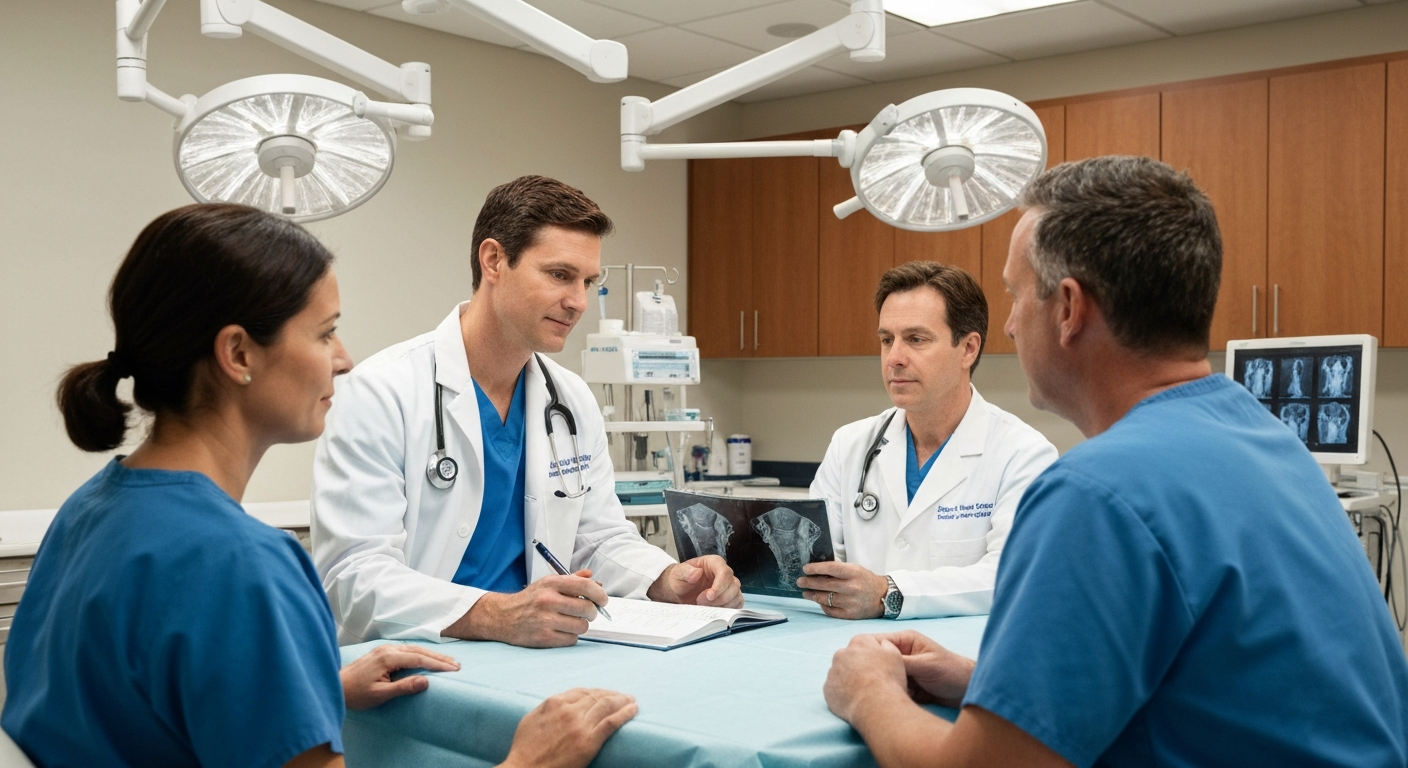
Herniated Discs with Nerve Compression
Herniated discs occur when the inner nucleus of a spinal disc ruptures through the outer layer. This can compress nerve roots and cause radiating pain, numbness, or weakness down your arms or legs—symptoms known as radiculopathy. Surgery may become necessary if conservative treatments don’t provide adequate relief within several weeks to months.
Spinal Stenosis
Spinal stenosis involves narrowing of the spinal canal. This narrowing can compress the spinal cord and nerves, causing pain and numbness. This condition typically develops gradually and is more common in adults over 50. Symptoms often include leg pain or cramping that worsens with walking or standing and improves with sitting or bending forward—a pattern called neurogenic claudication.
Degenerative Disc Disease with Instability
As discs naturally age and lose height, they can lead to instability in the spine segments. When this instability causes persistent pain and limits your daily activities despite months of conservative care, surgical options like spinal fusion or artificial disc replacement may be considered.
Spondylolisthesis
often Spondylolisthesis occurs when one vertebra slips forward over the vertebra below it. This slippage can compress nerves and cause significant pain, numbness, or weakness. Mild cases often respond to physical therapy and activity modification. But progressive slippage or severe symptoms may require surgical stabilization.
Generally, spine surgeons recommend trying conservative treatment for 6-12 weeks before considering surgery. The exception? Severe symptoms like progressive weakness, loss of bowel or bladder control, or unbearable pain. These red flag symptoms warrant immediate evaluation by a board-certified spine specialist.
Minimally Invasive Surgical Options Available in the Dallas Area
Modern spine surgery has evolved dramatically over the past two decades. Minimally invasive techniques offer significant advantages over traditional open procedures. For patients throughout the Dallas area, including those seeking a best spine surgeon in plano tx 2, these advanced approaches mean faster recovery and less post-operative discomfort.
Minimally invasive spine surgery typically uses incisions smaller than, compared to. These smaller incisions translate to reduced tissue damage, less blood loss, and decreased scarring. Surgeons use specialized instruments and advanced imaging technology to perform precise procedures through these tiny openings. They can treat the underlying spine problem without unnecessarily disrupting surrounding muscles and tissues.
Benefits of Minimally Invasive Approaches
- Faster recovery times: Many patients return to light activities within weeks rather than months
- Reduced hospital stays: generally Patients undergoing minimally invasive procedures often experience shorter hospital stays than traditional open procedures
- Less post-operative pain: Smaller incisions and reduced tissue disruption mean less pain during recovery
- Lower infection risk: Smaller surgical sites reduce the potential for complications
- Minimal scarring: Cosmetic outcomes are significantly improved with smaller incisions
Common minimally invasive procedures include microdiscectomy for herniated discs, laminectomy for spinal stenosis, and minimally invasive fusion techniques for instability. The appropriate procedure depends on your specific diagnosis, the severity of your condition, and your overall health status. During your consultation, your surgeon will explain which technique best addresses your particular spine problem.
The Dallas-Fort Worth region offers world-class medical facilities where these advanced procedures are performed regularly. This gives local patients access to cutting-edge spine care without traveling to distant medical centers.
Conservative Treatment: Your First Line of Defense
Before considering surgery, comprehensive conservative treatment forms the foundation of responsible spine care. At Legent Spine, we believe in exhausting appropriate non-surgical options before recommending surgery. This ensures that surgical intervention is truly necessary for your specific situation.
Physical Therapy and Rehabilitation
Physical therapy programs have been shown to reduce pain and improve function in 50-70% of patients with chronic back pain. A skilled physical therapist teaches you exercises that strengthen core muscles, improve flexibility, and reduce pressure on affected spine structures. Many patients experience significant improvement through consistent participation in a structured therapy program.
Medications and Anti-Inflammatory Treatment
Anti-inflammatory medications help reduce swelling around compressed nerves. Other medications can manage pain and muscle spasms. Your physician may prescribe a combination of treatments to provide relief while your body heals naturally.
Epidural Steroid Injections
When oral medications and therapy don’t provide adequate relief, epidural steroid injections can deliver powerful anti-inflammatory medication directly to the affected area. These injections. They also serve as a diagnostic tool, helping confirm the source of your pain.
Activity Modification and Ergonomics
Sometimes simple changes to how you move, sit, or perform daily activities can dramatically reduce spine stress. Your care team will provide guidance on proper body mechanics, workplace ergonomics, and activity modifications that protect your spine while it heals.
Comprehensive imaging studies, including MRI or CT scans, help confirm your diagnosis and guide treatment decisions. These studies provide detailed views of your spine anatomy. They allow your physician to identify exactly which structures are causing your symptoms and determine whether conservative care is likely to succeed.
Finding the Right Board-Certified Spine Surgeon in Plano
If conservative treatment hasn’t provided adequate relief, finding an experienced spine surgeon becomes your next priority. Not all spine surgeons have equivalent training or expertise. Understanding what qualifications to look for helps ensure you receive the highest quality care.
Board Certification and Fellowship Training
typically Board-certified spine surgeons complete additional fellowship training beyond general orthopedic or neurosurgical residency board-certified spine surgeons complete additional fellowship training beyond general orthopedic or neurosurgical residency. This specialized training, typically lasting one to two years, focuses exclusively on spine surgery techniques. Spine may surgeons with fellowship training in minimally invasive techniques have demonstrated expertise in advanced surgical approaches surgeons with fellowship training in minimally invasive techniques have demonstrated expertise in advanced surgical approaches.
Hospital Privileges and Accreditation
Verify that your surgeon maintains hospital privileges at accredited facilities. This accreditation indicates that the hospital meets rigorous safety and quality standards. It also means that your surgeon’s credentials have been thoroughly reviewed by the medical staff.
Transparent Communication
The right surgeon provides honest, balanced information about both surgical and non-surgical options. You should never feel pressured into surgery. Instead, your surgeon should explain the risks and benefits of all approaches, helping you make an informed decision aligned with your goals and values.
Experience with Your Specific Condition
Ask about your surgeon’s experience treating your particular diagnosis. Surgeons who regularly perform the procedure you need typically achieve better outcomes than those who perform it infrequently. When you expect you see board certified neurosurgeon spine, you should feel confident asking about their experience and surgical outcomes.
Legent Spine’s fellowship-trained surgeons, including Dr. Scott C. Kutz, bring extensive experience in both conservative and minimally invasive surgical spine care to patients throughout the Dallas area. Our dedicated care coordinators guide you through every step of the process, from initial consultation through post-operative recovery.
The Plano Community and Greater Dallas Spine Care
may Plano, Texas is located in Collin County within the Dallas-Fort Worth metropolitan area Plano, Texas is located in Collin County within the Dallas-Fort Worth metropolitan area. The city serves as home to a vibrant, active population that values health and wellness. The city’s residents—whether they’re playing golf at local courses, enjoying trails at Arbor Hills Nature Preserve, or staying active with their families—need accessible, high-quality spine care when back problems arise.
often The Dallas-Fort Worth region is home to multiple Level 1 trauma centers and accredited surgical facilities the Dallas-Fort Worth region is home to multiple Level 1 trauma centers and accredited surgical facilities. This provides world-class medical infrastructure for complex spine procedures. Plano-area residents can access cutting-edge spine surgery without traveling far from home, family, and their support network.
As North Texas continues to grow, so does the demand for minimally invasive spine surgery options. Busy professionals, active retirees, and families throughout the greater Dallas area increasingly seek surgical solutions that offer faster recovery times and minimal disruption to their lives. The availability of fellowship-trained spine specialists locally ensures that residents receive expert care close to home.
For patients considering spine surgery, the combination of Plano’s excellent medical facilities and experienced surgeons serving the community creates an ideal environment for successful treatment outcomes and comprehensive post-operative support.
What to Expect: From Diagnosis to Recovery
Understanding the typical journey from initial consultation through full recovery helps reduce anxiety and prepares you for each phase of treatment. While every patient’s experience is unique, the general pathway follows a predictable pattern.
Comprehensive Evaluation
Your first appointment involves a thorough review of your medical history, physical examination, and review of imaging studies. Most spine surgeries involve diagnostic imaging such as MRI or CT scans to confirm the diagnosis and surgical planning. Your surgeon will explain their findings in clear language and discuss all available treatment options.
Treatment Discussion and Decision-Making
If surgery is recommended, your surgeon will explain exactly what the procedure involves, why it’s necessary, and what outcomes you can realistically expect. This is your opportunity to ask questions and ensure you understand the benefits, risks, and alternatives. When you expect seeing board certified neurosurgeon spine care 3, this detailed discussion should be standard practice.
Pre-Operative Preparation
Before surgery, you’ll undergo pre-operative testing to ensure you’re healthy enough for the procedure. Your care coordinator will provide detailed instructions about medications, eating and drinking restrictions, and what to bring to the surgical facility.
The Surgical Procedure
On surgery day, you’ll meet with the anesthesia team and surgical staff who will care for you during the procedure. Minimally invasive spine surgeries often take less time than traditional open procedures. Many patients go home the same day or after a single overnight stay.
Recovery Phases
Recovery from minimally invasive spine surgery typically allows patients to resume light activities within. Your surgeon will provide specific restrictions based on your procedure. Physical therapy often begins within the first few weeks after surgery. Most patients gradually increase their activity level over several months, with full recovery taking anywhere from a few months to a year depending on the procedure performed.
Follow-Up Care
Regular follow-up appointments ensure your recovery progresses as expected. Your surgeon monitors your healing, adjusts your activity restrictions as appropriate, and addresses any concerns that arise during recovery. When you expect choosing board certified neurosurgeon spine care, comprehensive follow-up should be part of your surgical package.
Next Steps: Scheduling Your Spine Surgery Consultation
If you’re experiencing persistent back pain, leg pain, numbness, or weakness that hasn’t responded to conservative treatment, scheduling a consultation with a board-certified spine surgeon is the logical next step. This initial appointment doesn’t commit you to surgery. It simply provides answers about what’s causing your symptoms and what treatment options are available.
Many patients wait too long before seeking specialist evaluation, allowing their condition to progress unnecessarily. Early evaluation by an experienced spine surgeon can prevent condition progression and identify problems before they require more extensive intervention. Whether your situation requires surgery or additional conservative care, you deserve an expert opinion from someone who specializes in spine conditions.
Legent Spine’s fellowship-trained surgeons provide honest, transparent recommendations based on your specific diagnosis and circumstances. We believe in treating each patient as an individual, taking time to understand your goals and concerns before recommending any treatment approach. Our dedicated care coordinators guide you through the entire process, from scheduling your first appointment through post-operative recovery and beyond.
You’ll leave your consultation understanding all your options, not just surgical ones. We’re committed to conservative care when appropriate and surgical excellence when necessary—always prioritizing your long-term spine health and quality of life.
Ready to explore your options? Schedule a consultation with a board-certified spine surgeon serving the Plano area. We’re committed to transparent, honest conversations about your spine health.
Living with chronic back pain or neurological symptoms doesn’t have to be your reality. Whether you ultimately need surgery or benefit from additional conservative treatment, getting answers from a spine specialist provides clarity and a path forward. Contact Legent Spine today to take the first step toward understanding your condition and exploring the treatment options that can help you return to the active, pain-free life you deserve.