
Back pain affects millions of people throughout their lives, making it one of the most common health complaints. Most episodes resolve with rest and basic care, but certain symptoms signal it’s time to see a spine specialist. For patients in the Greater Plano area dealing with persistent back or neck pain, knowing when to seek expert evaluation can make the difference between ongoing suffering and effective relief. A board-certified spine surgeon can provide the comprehensive assessment you need to determine the best path forward.
Understanding When Back Pain Requires Professional Care
Approximately 80% of adults experience back pain at some point in their lifetime, according to the National Institute of Neurological Disorders and Stroke. This statistic shows just how common back discomfort is, though not every episode requires surgical intervention.
The key is recognizing the difference between routine back pain that resolves on its own and symptoms that signal a more serious condition. When you consult with a board-certified spine specialist, you gain access to advanced diagnostic tools and treatment options beyond what primary care physicians typically offer. For more information, see our page on expect seeing board certified neurosurgeon spine care 3. For more information, see our page on expect choosing board certified neurosurgeon spine care.
Early diagnosis prevents complications and can save you months of unnecessary discomfort. Most back pain doesn’t require surgery—in fact, most patients benefit from non-surgical approaches first. However, knowing when to escalate your care is essential for the best outcomes. A thorough evaluation identifies the exact source of your pain and determines whether conservative treatment, minimally invasive procedures, or other interventions make the most sense for your specific situation.
Red Flags: When to See a Back Surgeon
Certain symptoms serve as clear indicators that it’s time to consult a spine specialist. These red flags shouldn’t be ignored, as they may signal nerve damage or other serious conditions requiring prompt attention.
Persistent pain lasting beyond 6-12 weeks is one of the primary signs that conservative treatment isn’t working. While temporary discomfort is normal after an injury or strain, pain that continues despite rest and over-the-counter remedies warrants professional evaluation.
Numbness or tingling in legs or feet suggests potential nerve compression. These sensations often indicate that spinal structures are putting pressure on nerve roots, a condition that can worsen without proper treatment.
Weakness in lower extremities represents a more serious warning sign. If you notice difficulty lifting your foot, maintaining balance, or controlling leg movements, you need immediate specialist consultation.
Loss of bladder or bowel control constitutes a medical emergency. Cauda equina syndrome, characterized by loss of bladder control, severe leg pain, and lower extremity weakness, requires emergency surgical evaluation within 24-48 hours to prevent permanent nerve damage. This condition demands immediate attention to preserve nerve function.
Pain that worsens despite conservative treatment indicates your condition may require more advanced intervention. If you’ve tried physical therapy, medications, and activity modification without improvement, a fellowship-trained spine surgeon can offer additional options.
Symptoms That Shouldn’t Be Ignored
Beyond the major red flags, several specific symptoms warrant specialist attention even if they don’t constitute an emergency.
Sharp, shooting pain down the leg—often called sciatica—typically indicates nerve root irritation. This radiating pain follows specific nerve pathways and may come with burning sensations or electric shock-like discomfort.
Chronic pain affecting daily activities significantly impacts quality of life. If back pain prevents you from working, exercising, playing with your children, or enjoying normal activities, it’s time to explore treatment options with a specialist.
Difficulty walking or standing for extended periods suggests possible spinal stenosis or disc problems. Many patients find themselves needing frequent breaks during shopping trips or standing activities, or they experience increasing discomfort the longer they remain upright.
Pain unresponsive to medications indicates your condition may require more than pharmaceutical management. When over-the-counter or even prescription pain relievers fail to provide adequate relief, comprehensive evaluation becomes essential.
Common Conditions Treated by Spine Specialists in the Plano Area
Spine specialists throughout the Greater Dallas area diagnose and treat a wide range of spinal conditions. Understanding these common diagnoses helps patients recognize their own symptoms and seek appropriate care.
Herniated discs occur when This condition often causes radiating pain, numbness, and weakness in the areas served by the affected nerve.
Spinal stenosis, a narrowing of the spinal canal, affects approximately 8-11% of the population and becomes more common with age. Patients with stenosis often experience leg pain when walking or standing that improves with sitting or leaning forward.
Spondylolisthesis involves one vertebra slipping forward over another, creating instability and potential nerve compression. This condition may result from degenerative changes, trauma, or factors present since birth.
Degenerative disc disease represents the natural aging process of spinal discs, though symptoms vary widely among patients. Some experience minimal discomfort while others face significant pain requiring intervention.
Both cervical and lumbar conditions affect millions of Americans. Whether you’re dealing with neck pain radiating into your arms or lower back pain affecting your legs, fellowship-trained specialists like Dr. Duane Pitt offer comprehensive evaluation and treatment options.
Non-Surgical Treatment Options First
At Legent Spine, we believe in exhausting conservative treatment options before considering surgery. This patient-first philosophy ensures that surgical intervention is reserved for cases where it truly offers the best outcome. For more information, see our page on best spine surgeon in plano tx.
Physical therapy and rehabilitation form the cornerstone of conservative spine care. Targeted exercises strengthen supporting muscles, improve flexibility, and often reduce pressure on affected nerves.
Anti-inflammatory medications help manage pain and reduce inflammation around irritated nerve roots. While medications alone rarely solve the underlying problem, they provide relief that allows patients to participate in physical therapy and other treatments.
Epidural steroid injections deliver powerful anti-inflammatory medication directly to the affected area. These injections often provide significant relief, sometimes eliminating the need for surgery.
Activity modification and ergonomics play crucial roles in spine health. Simple changes to how you sit at work, lift heavy objects, or perform daily activities can dramatically reduce spine stress and promote healing.
When conservative care falls short, surgical options become appropriate. Our surgeons work closely with patients to determine the right timing for surgical intervention, ensuring you’ve given conservative treatments adequate time to work while not delaying necessary procedures.
Minimally Invasive Surgery: What Plano Patients Should Know
When surgery becomes necessary, modern minimally invasive techniques offer significant advantages over traditional open procedures. Patients throughout the Plano area benefit from these advanced surgical approaches.
Smaller incisions mean faster recovery. Minimally invasive spinal surgeries typically involve incisions of 1-2 inches compared to 3-6 inch incisions required for traditional open spine surgery. These smaller incisions result in less tissue damage, reduced blood loss, and faster healing.
Reduced tissue damage compared to traditional surgery preserves the integrity of surrounding muscles and structures. By accessing the spine through natural planes between muscles rather than cutting through them, surgeons minimize trauma and speed recovery.
Same-day or next-day discharge in many cases allows patients to recover in the comfort of their own homes. Many minimally invasive procedures are performed on an outpatient basis or require just one night in the hospital.
Return to normal activities more quickly is a primary benefit for busy professionals and active individuals.
Lower infection rates result from smaller incisions and shorter surgical times. The reduced exposure of internal tissues to the operating room environment significantly decreases infection risk.
Common Minimally Invasive Procedures
Our fellowship-trained surgeons perform a range of minimally invasive procedures tailored to specific conditions:
- Microdiscectomy for herniated discs removes the portion of disc material pressing on nerve roots, relieving pain and restoring function
- Laminectomy for stenosis relief removes bone and tissue compressing the spinal canal, creating more space for nerves
- Transforaminal lumbar interbody fusion stabilizes unstable spine segments while maintaining proper alignment
- Posterior cervical foraminotomy relieves nerve compression in the neck through small posterior incisions
What to Expect: The Evaluation Process
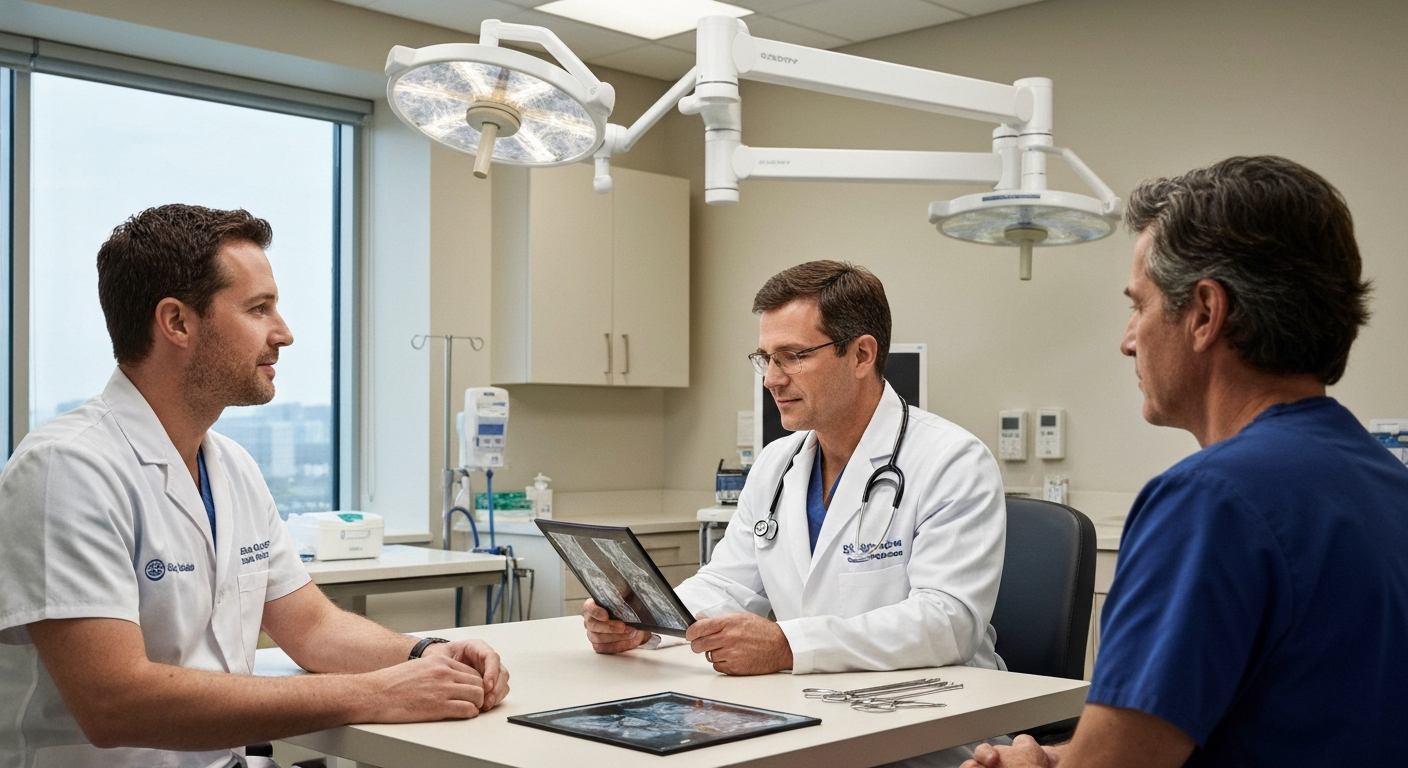
Understanding the evaluation process helps reduce anxiety and prepares you for your consultation. When you visit a spine specialist for the first time, you can expect a thorough, systematic assessment.
Comprehensive patient history and physical examination form the foundation of diagnosis. Your surgeon will ask detailed questions about your symptoms, their onset, what makes them better or worse, and how they affect your daily life. The physical examination assesses strength, reflexes, sensation, and range of motion.
Imaging studies (X-rays, MRI, CT scans) provide critical information about your spine’s structure. MRI imaging can detect soft tissue abnormalities including disc herniations, nerve compression, and structural degeneration with 90-95% sensitivity for spine pathology. These images allow your surgeon to visualize exactly what’s happening inside your spine.
Diagnostic testing if needed may include additional studies like nerve conduction tests or discography to pinpoint the exact source of your pain.
Personalized treatment recommendations take into account your specific diagnosis, overall health, lifestyle, and treatment goals. Dr. Scott C. Kutz and our entire team believe in presenting all available options so you can make informed decisions about your care.
Clear explanation of all options ensures you understand the benefits, risks, and expected outcomes of each treatment approach. We never rush patients into decisions and encourage asking questions until you feel completely comfortable.
Why Choose a Board-Certified Spine Specialist
When dealing with complex spine conditions, the qualifications of your surgeon matter significantly. Board certification and fellowship training represent the highest levels of expertise in spine care.
This extensive education ensures comprehensive knowledge of both spinal anatomy and the latest surgical techniques.
Specialized training in spine conditions means your surgeon focuses exclusively on spinal problems rather than treating the spine as just one area among many. This specialization translates to better outcomes and more nuanced treatment approaches.
This additional year of focused training provides expertise that general orthopedic or neurosurgeons may lack.
Experience with complex cases prepares fellowship-trained surgeons to handle challenging situations and revision surgeries when necessary. This breadth of experience proves invaluable when standard approaches don’t apply.
Commitment to latest techniques ensures you benefit from the most advanced minimally invasive approaches available. Our surgeons regularly attend conferences, participate in continuing education, and stay current with evolving best practices.
Spine Surgery Recovery: What You’ll Experience
Understanding the recovery timeline helps set realistic expectations and promotes better outcomes through proper planning.
Initial recovery phase (first 2 weeks) involves managing post-operative discomfort and beginning gentle movement. You’ll receive detailed instructions about medication, wound care, and activity restrictions.
Gradual activity progression follows a structured timeline designed to promote healing while preventing complications. Most patients begin walking shortly after surgery, with activities progressively added based on healing milestones.
Physical therapy timeline typically begins several weeks after surgery once initial healing has occurred. Your therapist will work with you to rebuild strength, improve flexibility, and restore normal movement patterns.
When to return to work depends on your specific procedure and job requirements. Office workers often return sooner than those with physically demanding jobs.
Long-term outcome expectations should be realistic yet optimistic. Most patients experience significant pain relief and improved function, though complete recovery takes time and commitment to rehabilitation.
Finding the Right Spine Surgeon in the Plano Area
Choosing the right surgeon represents one of the most important healthcare decisions you’ll make. Several factors should guide your selection process.
Look for board certification as a baseline requirement. This credential verifies that your surgeon has completed rigorous training and passed comprehensive examinations in their specialty.
Check surgical outcomes and patient reviews to understand other patients’ experiences. While individual results vary, patterns in patient feedback provide valuable insights.
Verify hospital affiliations and surgical center accreditations. Where your surgery is performed matters as much as who performs it.
Assess communication and bedside manner during your consultation. Your surgeon should listen carefully, answer questions thoroughly, and make you feel comfortable and informed throughout the process.
Confirm insurance coverage and accessibility before committing to treatment. Our care coordinators assist with insurance verification and help navigate the financial aspects of your care.
Taking the Next Step in Plano
If you’re experiencing persistent back or neck pain, numbness, weakness, or other concerning symptoms, professional evaluation is the logical next step. Waiting rarely improves the situation and may allow conditions to worsen.
Schedule a comprehensive evaluation with Legent Spine to understand what’s causing your symptoms and explore your treatment options. Our fellowship-trained surgeons provide honest assessments and realistic expectations.
Bring medical records and imaging from previous providers to your consultation. These documents help your surgeon understand your history and avoid duplicating tests you’ve already undergone.
Discuss all treatment options openly with your surgeon. We believe in shared decision-making and want you to feel confident about your care plan.
No commitment required for consultation. Meeting with a spine specialist doesn’t obligate you to surgery or any particular treatment. The consultation simply provides information you need to make informed decisions.
Insurance and payment flexibility ensure that cost doesn’t prevent you from getting the expert care you need. Our team works with most major insurance plans and offers options to make treatment accessible.
Taking control of your spine health starts with a single appointment. Contact Legent Spine today to schedule your comprehensive evaluation and discover how modern spine care can help you return to the active, pain-free life you deserve.