
Introduction: Understanding Your Extruded Disc
If you’re experiencing sharp, radiating pain that travels from your back down your leg, or from your neck into your arm, you may be dealing with an extruded disc. This condition affects thousands of people throughout the Dallas-Fort Worth area each year, causing significant pain and limiting daily activities. The good news? Surgery isn’t always necessary, and many patients find relief through conservative approaches.
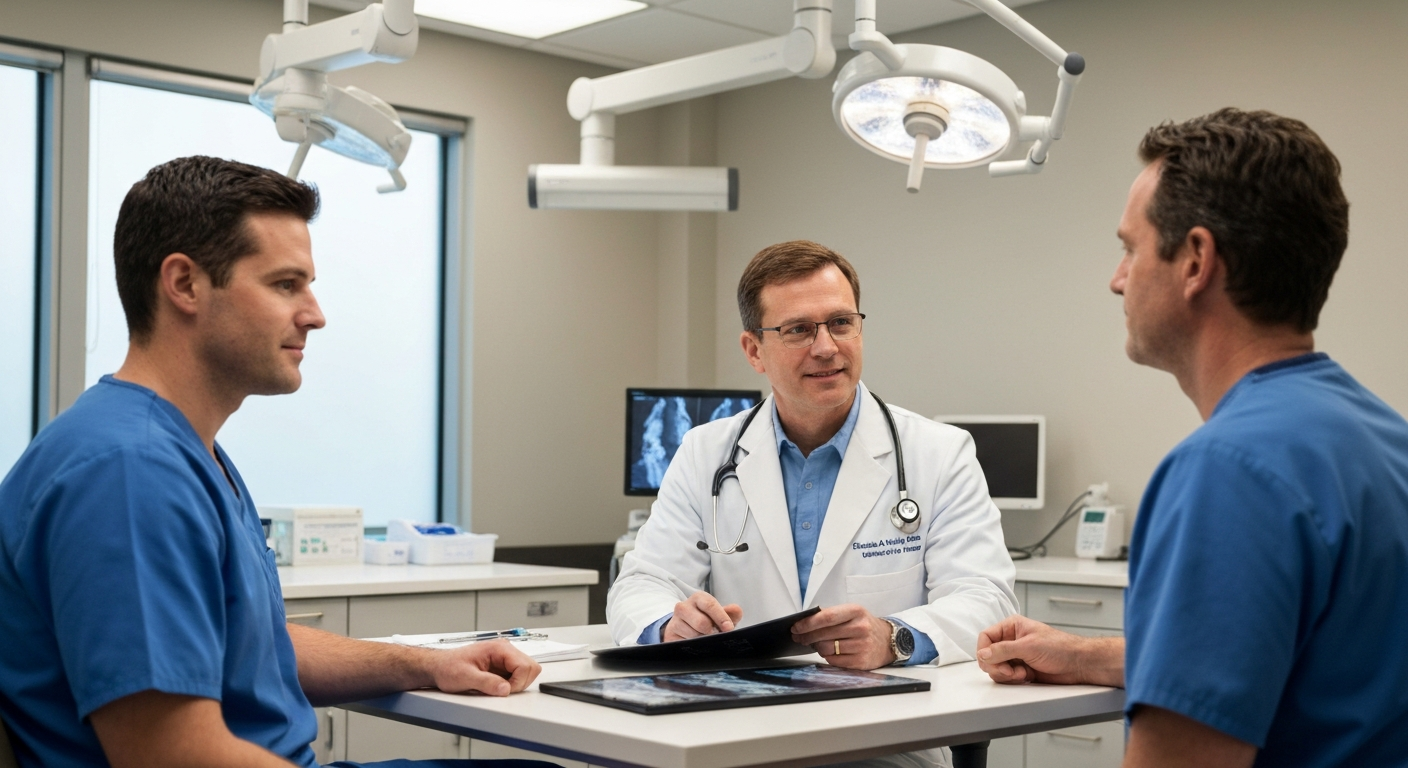
At Legent Spine, our board-certified spine surgeons understand the physical and emotional toll that an extruded disc can take on your quality of life. We serve the Greater Dallas area with comprehensive evaluations and personalized treatment plans designed around your specific condition and lifestyle needs. Whether you’re seeking every patient extruded discs before treatment information or ready to schedule a consultation, our team is here to guide you through every step of your journey to recovery.
When you’re ready to take the first step toward relief, we’re here to help. A thorough evaluation will help us develop a personalized treatment plan tailored to your specific condition and goals.
What Is Disc Extrusion?
To understand disc extrusion, it helps to know a bit about your spine’s anatomy. Your spine consists of vertebrae stacked on top of each other, with intervertebral discs acting as cushions between these bones. Each disc has a tough outer layer called the annulus fibrosus and a gel-like inner core known as the nucleus pulposus.
Unlike a bulging disc, where the disc material remains contained within the outer layer, or a simple herniation, an extrusion represents a more significant rupture. The inner disc material breaks through the outer layer and extends into the spinal canal, where it can compress nearby nerve roots.
Disc extrusion can occur in any region of your spine—cervical (neck), thoracic (mid-back), or lumbar (lower back). The location determines which nerves may be affected and what symptoms you might experience.
The Difference Between Disc Conditions
It’s important to distinguish between different disc problems. often A bulging disc is contained, with the outer layer still intact. usually A herniated disc involves a tear in the outer layer. An extruded disc represents a more severe condition where disc material has not only broken through but extends beyond the normal disc space boundaries.
Understanding these differences helps you better grasp you extruded discs before seeking treatment and what your diagnosis means for your treatment options.
What Causes Disc Extrusion?
Several factors contribute to disc extrusion, and understanding these causes can help with both treatment and prevention. The most common cause is age-related disc degeneration. This natural aging process makes the discs less flexible and more prone to tears and ruptures.
Occupational and lifestyle factors also play significant roles. For Dallas-area workers in construction, warehouse operations, or healthcare who regularly lift heavy objects or perform repetitive bending motions, the cumulative stress on spinal discs can lead to extrusion over time.
Traumatic events can cause sudden disc extrusion as well. Motor vehicle accidents, falls, or direct impacts to the spine can generate enough force to rupture a disc. Even if you have healthy discs, severe trauma can cause immediate extrusion.
Additional risk factors include poor posture, particularly for those who spend long hours sitting at desks without proper ergonomic support. A sedentary lifestyle that weakens the supporting muscles around your spine also increases risk. Genetics and family history influence your susceptibility to disc problems as well, since some people inherit structural weaknesses in their spinal discs.
Where Extruded Discs Occur in Your Spine
The symptoms you experience depend largely on where the extrusion occurs in your spine. Different spine regions present unique symptom patterns because each area houses different nerve pathways. Lumbar extrusions are most common, followed by cervical extrusions. generally Thoracic disc extrusions are relatively rare due to the added stability provided by the rib cage in this region.
Understanding the specific level of extrusion is crucial for diagnosis and treatment planning. Your spine specialist will identify the exact location through imaging studies and correlate this with your symptom presentation.
Cervical Disc Extrusion (C4-C5, C5-C6, C6-C7)
When disc extrusion occurs in your cervical spine, you may experience symptoms in your neck, shoulders, arms, and hands. The specific symptoms depend on which disc level is affected and which nerve root becomes compressed.
This is one of the most common cervical levels for extrusion. Patients often describe a shooting pain that travels down the arm following a specific nerve pathway.
If you notice difficulty opening jars, holding objects, or extending your arm, a C6-C7 extrusion might be the cause. Some patients also experience numbness or tingling in the middle finger and surrounding areas.
C4-C5 extrusions affect the C5 nerve root and may cause shoulder weakness and pain radiating into the upper arm. For comprehensive information about these conditions, our guide on you extruded disc symptoms diagnosis treatment provides detailed explanations.
Lumbar Disc Extrusion
Lumbar disc extrusion represents the most frequent location for this condition. These lower spine levels bear significant weight and stress during daily activities, making them particularly vulnerable to injury.
This condition, known as sciatica, is one of the most recognizable symptoms of lumbar disc extrusion. The pain often follows a specific pathway down the back of the leg, sometimes extending all the way to the foot.
Lumbar extrusions can significantly impact your ability to walk, sit comfortably, or perform daily activities. Many Dallas patients report that sitting for extended periods—whether commuting on local highways or working at a desk—becomes increasingly difficult and painful.
Symptoms of Disc Extrusion
Recognizing the symptoms of disc extrusion helps you know when to seek professional evaluation. The most prominent symptom is pain, but the location depends entirely on which nerve root is being compressed. This means the pain follows a predictable pattern along the pathway of the affected nerve.
Beyond pain, you may experience numbness or tingling in specific areas. For cervical extrusions, this might affect your fingers or hands. For lumbar extrusions, you might feel numbness in your legs or feet. Some patients describe these sensations as pins and needles or a feeling that part of their limb has “fallen asleep.”
Muscle weakness is another significant symptom. You might notice difficulty lifting objects, weakness when walking, or a feeling that your leg might give out. These symptoms occur because the compressed nerve can no longer properly signal the muscles it controls.
One symptom requires immediate emergency attention: loss of bladder or bowel control. If you experience these symptoms, seek emergency care immediately, as this represents a rare but serious complication requiring urgent surgical intervention.
Many patients notice their symptoms worsen with certain movements or positions—bending forward, sitting for long periods, or twisting motions often aggravate the pain. Conversely, some positions may provide relief.
How Disc Extrusion Is Diagnosed
Accurate diagnosis begins with a comprehensive physical examination and detailed medical history. At Legent Spine, our board-certified specialists conduct thorough neurological testing to identify which nerve roots may be affected. This includes assessing your reflexes, muscle strength, and sensory function in specific dermatomes.
An MRI is typically the gold standard for diagnosing disc extrusion because it clearly shows soft tissues, including discs, nerves, and spinal cord structures. The images reveal the size and location of the extrusion and its relationship to nearby nerves.
When MRI is contraindicated—for example, if you have certain metal implants or a pacemaker—CT scans provide useful alternatives. While not as detailed for soft tissue visualization, CT scans effectively show bony structures and can reveal significant disc problems when combined with contrast dye (CT myelogram).
X-rays don’t show discs directly but help rule out other conditions like fractures, bone spurs, or vertebral alignment issues. This comprehensive evaluation determines the most appropriate treatment approach for your specific condition.
To learn more about what to expect before your appointment, review our resource on patients disc extrusion causes symptoms treatment.
Treatment Options for Extruded Discs
The good news about extruded discs is that multiple treatment options exist, ranging from conservative care to advanced surgical techniques. Treatment selection depends on several factors: the severity of your symptoms, the location and size of the extrusion, how long you’ve experienced symptoms, and how the condition affects your daily life.
Conservative care is typically the first approach for most patients, unless you have severe neurological deficits or cauda equina syndrome. When conservative measures don’t provide adequate relief after a reasonable trial period, we can progress to minimally invasive options or surgical intervention.
At Legent Spine, we believe in personalized treatment planning. What works for one patient may not be ideal for another, even with similar diagnoses. Our comprehensive evaluation considers your individual circumstances, lifestyle demands, and treatment goals.
Conservative (Non-Surgical) Treatment
Many patients experience significant improvement with conservative management. The first step typically involves modifying activities that aggravate your symptoms while maintaining general activity levels. Complete bed rest is generally not recommended, as it can lead to deconditioning and potentially worsen outcomes.
Physical therapy plays a crucial role in conservative treatment. A skilled physical therapist can teach you exercises that strengthen supporting muscles, improve flexibility, and promote proper body mechanics. These targeted exercises help reduce pressure on the affected nerve and can accelerate healing.
Anti-inflammatory medications, both over-the-counter and prescription, help reduce inflammation around the affected nerve root. Your physician may also recommend muscle relaxants if you’re experiencing significant muscle spasms.
These injections deliver anti-inflammatory medication directly to the area around the compressed nerve, often providing weeks or months of relief. This window of reduced pain allows you to engage more fully in physical therapy and rehabilitation.
While success rates vary based on individual factors, a substantial number of patients find that conservative care provides sufficient relief without requiring surgical intervention.
Minimally Invasive Procedures
When conservative treatment doesn’t provide adequate relief, minimally invasive procedures offer an intermediate option between non-surgical care and traditional open surgery. These advanced techniques have revolutionized spine care over the past two decades.
This reduced tissue disruption translates to less post-operative pain, smaller scars, and faster recovery times.
Percutaneous discectomy represents one minimally invasive option. Through a small incision, specialized instruments remove the extruded disc material causing nerve compression. The procedure is performed under imaging guidance to ensure precision.
Many patients who undergo minimally invasive procedures return home the same day or after one overnight observation.
The board-certified surgeons at Legent Spine have extensive training in these advanced techniques. Our fellowship-trained specialists stay current with the latest innovations in minimally invasive spine surgery, offering Dallas-area patients access to cutting-edge treatment options.
Traditional Surgical Intervention
In certain situations, traditional open surgical intervention becomes necessary. This is typically indicated when conservative treatment has been attempted for an adequate period (usually six weeks or longer) without sufficient improvement, or when you have severe neurological deficits that require immediate decompression.
Large extruded disc fragments, particularly those that have migrated away from the disc space or broken into multiple pieces, may require an open surgical approach for complete removal. The direct visualization provided by open surgery ensures that all problematic disc material is safely removed.
As mentioned earlier, cauda equina syndrome requires emergency surgical intervention. This rare but serious condition doesn’t allow time for conservative treatment trials—immediate decompression is essential to prevent permanent neurological damage.
Microdiscectomy, a minimally invasive open surgical technique, removes the extruded disc material under direct visualization, typically providing pain relief in 85-90% of patients with single-level lumbar disc extrusion. This procedure represents the gold standard for surgical decompression when indicated.
Your surgeon will recommend the most appropriate surgical approach based on your imaging studies and specific anatomy.
Recovery from traditional surgery requires careful post-operative rehabilitation. While the timeline is longer than with minimally invasive procedures, most patients still experience significant improvement in their symptoms and quality of life.
Recovery and Rehabilitation After Treatment
Your recovery timeline depends on which treatment approach you’ve pursued. Conservative treatment may provide gradual improvement over weeks to months. Minimally invasive procedures typically allow faster return to activities, while traditional surgery requires more extensive rehabilitation.
Regardless of your treatment type, physical therapy plays a crucial role in achieving optimal outcomes. Your therapist will guide you through progressive exercises that restore strength, flexibility, and function.
Gradual return to activities is essential. Your spine specialist and physical therapist will provide specific guidelines about when you can resume various activities, from light exercise to returning to work. Pushing too hard too fast can jeopardize your recovery, while appropriate progressive activity promotes healing.
Preventing recurrence requires long-term attention to proper body mechanics. Learning how to lift, bend, and move correctly protects your spine during daily activities. Core strengthening exercises provide muscular support that reduces stress on your spinal discs.
Proper body mechanics and core strengthening exercises can reduce the risk of recurrent disc herniation by up to 30% in the years following treatment. This makes rehabilitation exercises not just about initial recovery, but about long-term spine health.
Follow-up care ensures that your recovery progresses as expected. At Legent Spine, we schedule regular check-ins to monitor your progress and adjust your treatment plan as needed. Our dedicated care coordinators remain available to answer questions and address concerns throughout your recovery journey.
Why Choose Legent Spine for Your Extruded Disc Treatment
When you’re dealing with the pain and limitations of an extruded disc, choosing the right spine care provider makes all the difference. Legent Spine brings together board-certified spine surgeons with fellowship training in the latest treatment techniques. Our specialists have dedicated their careers to understanding and treating complex spine conditions.
Our expertise in minimally invasive techniques means Dallas-area patients can access advanced treatment options that offer faster recovery times and less post-operative discomfort. We stay at the forefront of spine care innovation, continuously evaluating new techniques and technologies that may benefit our patients.
Serving the Greater Dallas community with world-class spine care is our mission. We understand the unique needs of local patients—from the physical demands of Texas’s growing economy to the lifestyle considerations of our diverse population.
Comprehensive evaluation and transparent communication define our approach. We take time to explain your condition, discuss all available treatment options, and answer your questions thoroughly. You’ll never feel rushed or confused about your care plan.
Our dedicated care coordinators guide you through every step of your treatment journey. From scheduling your initial consultation through post-treatment follow-up, you’ll have a consistent point of contact who knows your case and can address your concerns promptly.
Conclusion: Next Steps for Relief
Living with an extruded disc doesn’t have to mean accepting chronic pain and limited mobility. As we’ve discussed, multiple treatment options exist, ranging from conservative care to advanced surgical techniques. Many patients find relief through conservative management, while others benefit from minimally invasive procedures or traditional surgery when indicated.
The key to optimal outcomes is personalized evaluation and treatment planning. What works best for you depends on your specific condition, symptom severity, lifestyle demands, and treatment goals. There’s no one-size-fits-all approach to extruded disc treatment—and that’s why expert evaluation is so important.
For Dallas-area patients seeking relief from disc extrusion symptoms, Legent Spine offers the expertise, technology, and compassionate care you deserve. Our board-certified spine surgeons bring decades of combined experience in treating complex spine conditions, always with a focus on achieving the best possible outcomes for each individual patient.
If you’re experiencing symptoms that may indicate an extruded disc, or if you’ve already been diagnosed and want to explore your treatment options, we’re here to help. Schedule a consultation with one of our board-certified spine specialists to discuss your specific situation and develop a personalized treatment plan. Our team is here to help you take the first step toward lasting relief and improved quality of life.
Don’t let an extruded disc control your life any longer. With the right diagnosis, treatment plan, and expert care, you can look forward to reduced pain, restored function, and a return to the activities you enjoy. For more information about preparing for your consultation, visit our guide on every dallas patient extruded discs before seeking treatment.