
Understanding Extruded Discs: The Basics
Living with persistent back pain and leg symptoms can be frustrating, especially when you’re unsure what’s causing your discomfort. An extruded disc is one of the more serious spinal conditions that can develop, often requiring specialized evaluation and care. Understanding what is a disc extrusion helps you make informed decisions about your treatment options and what to expect during recovery.
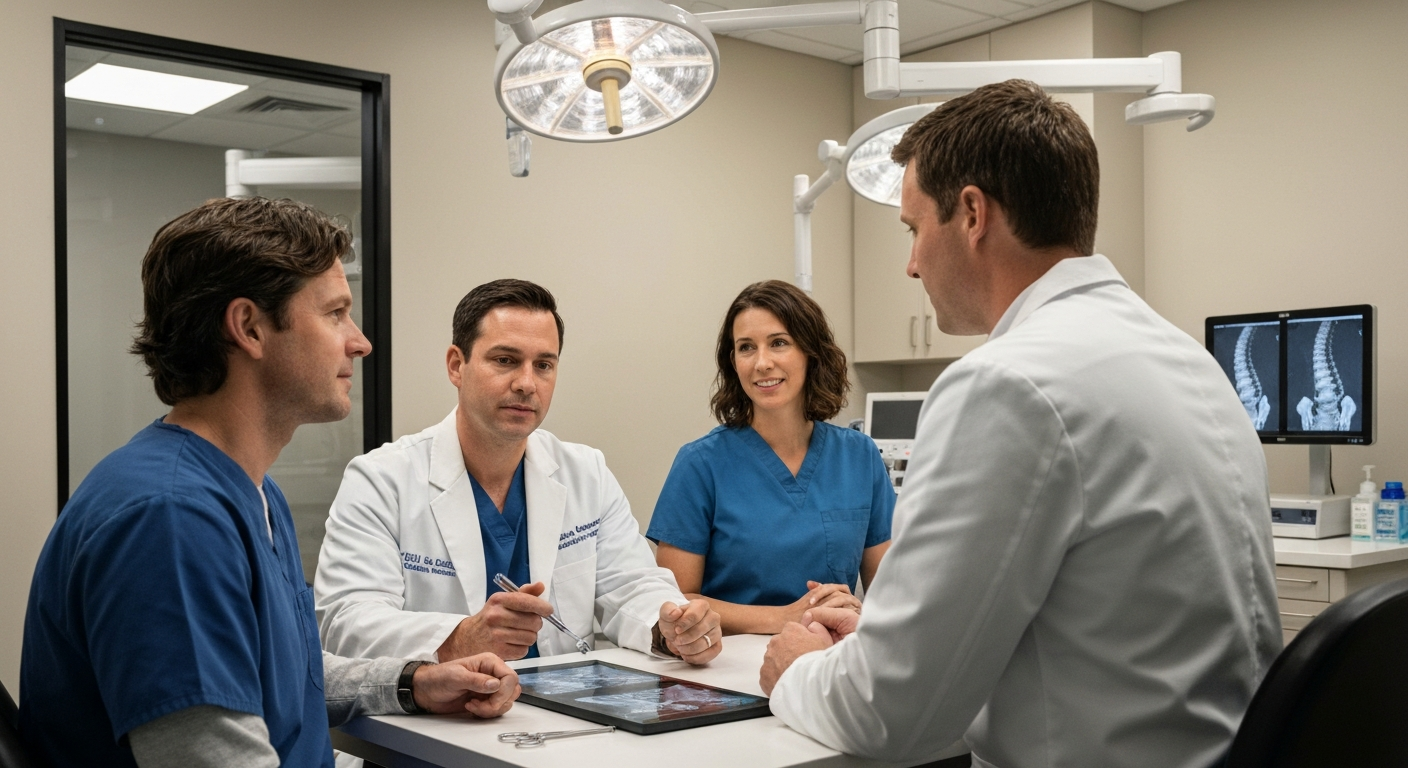
An extruded disc occurs when the gel-like center of your spinal disc breaks through the outer layer and extends into the spinal canal. This represents an advanced stage of disc herniation, distinct from bulging or protruding discs where the outer layer remains intact. Think of your spinal discs as cushions between each vertebra—when the outer shell tears completely and the inner material pushes out beyond normal boundaries, that’s an extrusion.
Your lower back is the most common location for extruded discs, affecting mobility, comfort, and your ability to perform daily activities. These discs can press on nearby nerve roots, leading to significant pain that radiates down your leg—commonly known as sciatica. Many Dallas patients with disc extrusion and spine health concerns find that understanding their diagnosis is the first step toward effective treatment and recovery.
Ready for Expert Evaluation? If you’re experiencing persistent back pain or leg symptoms, our board-certified spine specialists at Legent Spine offer comprehensive evaluations to accurately diagnose your condition and develop a personalized treatment plan. Contact our team to schedule your consultation.
What Causes an Extruded Disc?
Understanding the factors that contribute to disc extrusion helps you recognize potential risk factors in your own life and take preventive measures when possible. Several interconnected causes can lead to this condition.
Age-related disc degeneration is the most significant factor. As we age, our spinal discs naturally lose water content and become less flexible, making them more susceptible to tears and ruptures. This process typically accelerates after age 30, though the timeline varies considerably among individuals.
Repetitive strain and poor posture place continuous stress on your spinal discs over time. For many Dallas-area residents who spend hours commuting or sitting at desks, this chronic stress gradually weakens the disc structure. Similarly, traumatic injuries from accidents, falls, or sudden impacts can cause immediate disc extrusion, particularly if the discs were already compromised. For more information, see our page on understanding disc extrusion dallas residents spine.
Your occupation plays a significant role. Jobs requiring heavy lifting, frequent bending, twisting motions, or prolonged sitting all increase your risk. Lifestyle factors also contribute—smoking accelerates disc degeneration by reducing blood flow and nutrient delivery to spinal discs, while maintaining a healthy weight reduces stress on your spine.
Recognizing the Symptoms of an Extruded Disc
Identifying the symptoms of an extruded disc early allows you to seek appropriate care before the condition potentially worsens. The presentation varies depending on which disc is affected and the severity of nerve compression.
Localized back pain at the affected spinal level is often the first symptom. This pain typically feels sharp or intense, particularly with certain movements. However, the hallmark symptom of lumbar disc extrusion is radiating pain that travels down the buttocks and leg—what we commonly call sciatica. For more information, see our page on what is a disc extrusion.
Beyond pain, many patients experience numbness and tingling sensations in their feet or toes, which indicates nerve involvement. Muscle weakness in the affected leg is another concerning symptom that warrants prompt evaluation. You might notice difficulty lifting your foot, standing on your toes, or maintaining balance.
Pain patterns often worsen with specific activities—sitting for extended periods, bending forward, coughing, or sneezing may intensify your symptoms. Conversely, some patients find relief when lying down or walking. For those experiencing central disc extrusion, symptoms may affect both legs rather than just one side. For more information, see our page on central disc extrusion every patient before.
How Is an Extruded Disc Diagnosed?
Accurate diagnosis forms the foundation of effective treatment planning. At Legent Spine, our comprehensive diagnostic process combines clinical examination with advanced imaging technology.
Your evaluation begins with a thorough physical examination and neurological assessment. Your spine specialist will test your reflexes, muscle strength, sensation, and range of motion to identify specific nerve involvement patterns. This hands-on assessment provides valuable information about which nerve roots may be compressed and the severity of the condition.
Imaging studies provide clear visualization of your spinal anatomy. MRI is the gold standard for diagnosing extruded discs because it provides detailed images of soft tissue structures in the spine. MRI scans reveal the disc extrusion itself and its relationship to nearby nerve roots, the spinal cord, and other structures.
CT scans may supplement MRI findings in certain cases, particularly when evaluating bone structures, while often X-rays help assess spinal alignment and rule out other conditions like fractures or arthritis. However, the critical element isn’t just obtaining images—it’s correlating imaging findings with your specific symptoms. This correlation ensures that treatment addresses the actual source of your symptoms.
What to Expect During a Spine Specialist Evaluation
Understanding what happens during your consultation can help reduce anxiety about the diagnostic process. Your spine specialist will begin with a detailed discussion of your medical history, when your symptoms started, what makes them better or worse, and how they’re affecting your daily life.
The physical examination involves specific tests to assess neurological function, including checking your ability to walk on your toes and heels, testing reflexes in your knees and ankles, and evaluating sensation in specific areas of your legs and feet. Your specialist will also review any imaging studies you’ve already had or order new studies if needed. You’ll discuss the findings together and develop a personalized treatment plan tailored to your specific situation, goals, and lifestyle needs.
Conservative Treatment Options for Extruded Discs
Most patients with extruded discs begin with conservative, non-surgical treatment approaches. These methods often provide significant relief and allow the body’s natural healing processes to work. For more information, see our page on cypress patients extruded discs.
Anti-inflammatory medications and targeted pain management help reduce inflammation around the affected nerve root and manage discomfort during the healing phase. Your physician may prescribe oral medications or recommend specific over-the-counter options based on your individual needs and medical history.
Physical therapy plays a central role in conservative care. A specialized physical therapist will guide you through targeted exercises that reduce pressure on the affected nerve, strengthen supporting muscles, and improve flexibility. These exercises are carefully selected based on your specific disc level and symptoms.
Epidural steroid injections deliver medication directly to the inflamed nerve root, potentially reducing pain and inflammation. These injections can provide substantial relief for many patients, though the duration of relief varies.
Activity modification and ergonomic adjustments at work and home help protect your spine during the healing process. This might include avoiding prolonged sitting, using proper lifting techniques, or modifying your workspace setup. Many extruded disc cases resolve with conservative treatment within 6-12 weeks as the body reabsorbs the extruded disc material. However, each patient responds differently, and your treatment timeline should be individualized based on your progress.
When Surgical Treatment Becomes Necessary
While conservative care helps many patients, certain situations warrant consideration of surgical intervention. Understanding these criteria helps you recognize when it may be time to discuss surgical options with your spine specialist.
Surgical intervention is typically recommended when conservative treatment has failed for 6-8 weeks and symptoms persist or worsen. This timeframe allows adequate opportunity for natural healing while preventing prolonged suffering or potential permanent nerve damage.
Progressive neurological deficits represent a more urgent situation. If you’re experiencing increasing muscle weakness, difficulty walking, or worsening numbness despite treatment, these signs may indicate continued nerve compression that requires surgical decompression Progressive neurological deficits such as increasing weakness or loss of bowel/bladder control may require urgent surgical evaluation. Loss of bowel or bladder control is a medical emergency requiring immediate attention.
Severe pain that significantly impacts your quality of life, prevents you from working, or interferes with sleep and daily activities may also justify surgical consideration. Some patients simply cannot function effectively with their current pain levels. Additionally, specific imaging findings that suggest risk for permanent nerve damage may influence the timing of surgical intervention.
Your personal preferences and lifestyle goals matter too. Surgery isn’t purely a medical decision—it’s a collaborative choice that should align with your values, work requirements, activity level, and overall health objectives. At Legent Spine, we believe in transparent communication about all treatment options, helping you make informed decisions about your spine care.
Minimally Invasive Surgical Options for Extruded Discs
When surgery becomes necessary, modern minimally invasive techniques offer significant advantages over traditional open approaches. These advanced procedures are available to patients throughout the Dallas area through fellowship-trained spine specialists.
typically Microdiscectomy is a minimally invasive procedure that removes the extruded disc material pressing on the nerve root through a small incision, typically resulting in faster recovery than traditional open surgery Microdiscectomy is a minimally invasive procedure that removes the extruded disc material pressing on the nerve root through a small incision, typically resulting in faster recovery than traditional open surgery. During this procedure, your surgeon uses specialized instruments and magnification to access the affected disc and carefully remove only the herniated portion that’s compressing the nerve.
Endoscopic disc removal represents another minimally invasive option, utilizing an even smaller incision and specialized camera technology to visualize and remove the problematic disc material. The choice between microdiscectomy and endoscopic approaches depends on your specific anatomy, the location and size of the extrusion, and your surgeon’s expertise.
The advantages of minimally invasive spine surgery techniques are significant. These approaches can reduce hospital stay, blood loss, and muscle trauma compared to traditional open surgical methods. Smaller incisions mean less disruption to surrounding muscles and tissues, which translates to reduced post-operative pain and faster return to activities.
Recovery timelines for minimally invasive disc procedures are generally favorable. Many patients notice immediate improvement in leg pain after surgery, though back discomfort at the incision site is normal during the initial healing period. Board-certified spine surgeons performing these procedures at Legent Spine have extensive training in the latest minimally invasive techniques, bringing world-class spine care to the Greater Dallas community. For more information, see our page on dallas patients disc extrusion spine health.
Recovery and Long-Term Management
Whether you pursue conservative treatment or surgical intervention, understanding the recovery process and long-term management strategies helps set realistic expectations and optimizes your outcomes.
Immediately following minimally invasive disc surgery, you’ll receive specific post-operative care guidelines regarding wound care, activity restrictions, and pain management. usually Most patients undergoing minimally invasive disc removal procedures can return to light activities within 2-4 weeks Most patients undergoing minimally invasive disc removal procedures can return to light activities within 2-4 weeks, though this timeline varies based on your occupation and overall health.
Physical therapy progresses through distinct phases following surgery. Initial therapy focuses on gentle mobilization and proper movement patterns. As healing progresses, exercises advance to include strengthening, flexibility, and functional training.
Return to work depends on your job requirements. Sedentary workers may return within a few weeks, while those with physically demanding occupations typically require longer recovery periods—sometimes 8-12 weeks or more. Your surgeon and physical therapist will guide this decision based on your progress and specific job demands.
Prevention strategies protect your spinal health long-term. Maintaining healthy body weight, practicing proper lifting techniques, staying active with low-impact exercise, avoiding smoking, and using ergonomic principles at work all contribute to spine health. Regular follow-up appointments allow your care team to monitor your progress and address any concerns.
Expert Extruded Disc Care in the Dallas Area
Access to specialized spine care makes a meaningful difference in your treatment outcomes and overall experience. Legent Spine serves the Greater Dallas community with comprehensive, patient-centered spine care delivered by board-certified spine specialists.
Our fellowship-trained surgeons bring advanced expertise in both conservative management and minimally invasive surgical techniques for extruded discs. This comprehensive approach means you’ll receive honest, transparent guidance about all available treatment options, from physical therapy and injections to advanced surgical procedures when appropriate.
Advanced diagnostic capabilities at our facility ensure accurate diagnosis through state-of-the-art imaging and thorough clinical evaluation. We believe that proper diagnosis forms the foundation of effective treatment, which is why we invest significant time in understanding your unique situation before recommending any intervention.
Each patient at Legent Spine benefits from dedicated care coordinators who support you throughout your treatment journey. From scheduling appointments to coordinating between different specialists and answering your questions, your care coordinator ensures smooth communication and reduces the stress of navigating the healthcare system.
Whether you’re just beginning to experience symptoms or you’ve been dealing with an extruded disc for some time, understanding your condition empowers you to make informed decisions about your care. For patients throughout the area seeking expert guidance on extruded discs, knowing what to expect before treatment helps reduce anxiety and sets the foundation for successful outcomes.
Take the Next Step Toward Relief Living with an extruded disc doesn’t have to mean living with chronic pain. Our team at Legent Spine is here to provide the expert evaluation, honest guidance, and advanced treatment options you need. Contact us today to schedule your consultation and discover how we can help you return to the activities you enjoy.