
Understanding Herniated Discs: What Happens to Your Spine
Back pain affects millions of Americans each year. A herniated disc is one of the most common causes of persistent discomfort. These discs cushion the space between vertebrae in your spine, absorbing shock and allowing flexibility during daily movements.
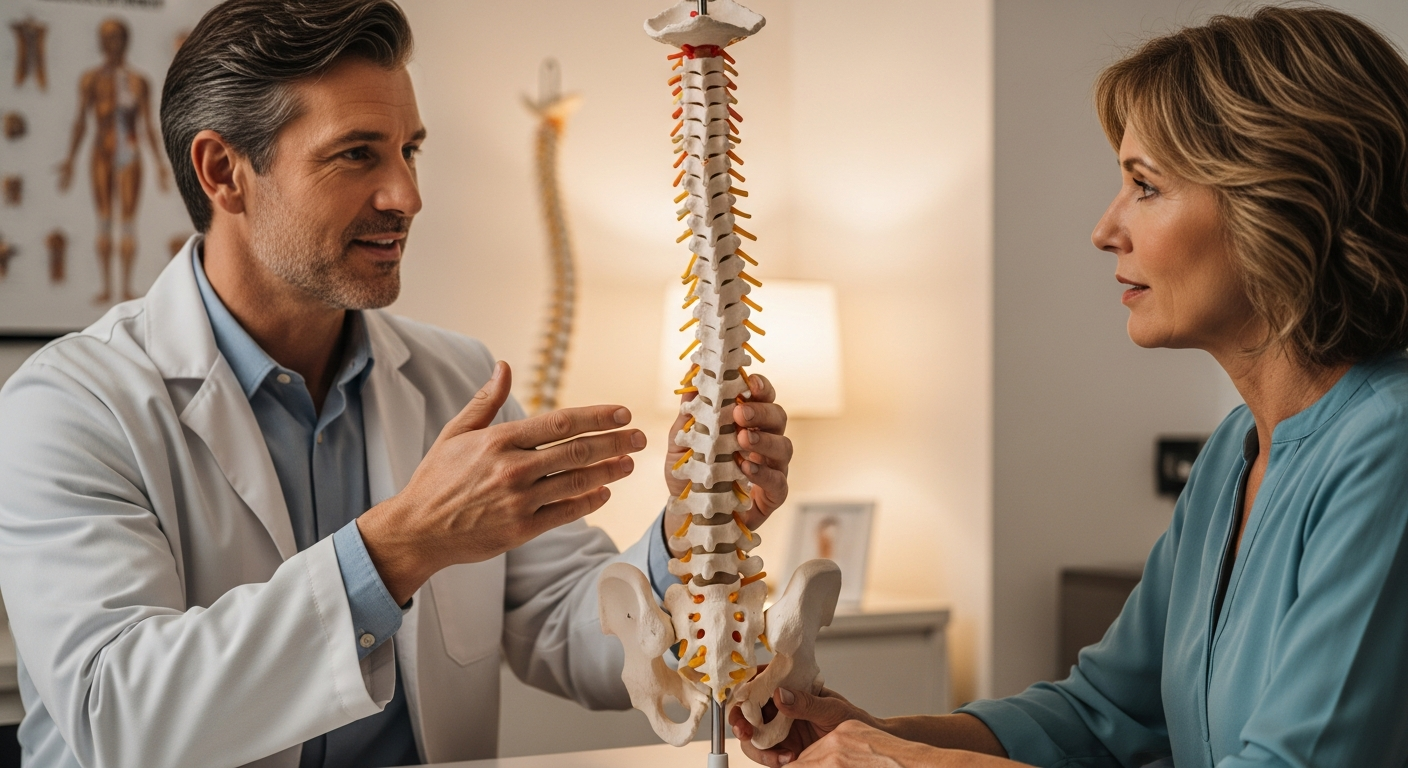
When this happens, the soft inner material can irritate or compress nearby nerve roots. This leads to pain, numbness, and other symptoms. Understanding your condition is the first step toward finding effective relief—whether through conservative care or more advanced approaches like those outlined in our patients disc extrusion treatment options guide. For more information, see our page on patients disc extrusion causes symptoms treatment.
often Thoracic disc herniations are relatively rare. The rib cage provides additional stability in this area. Several factors can increase your risk, including age-related wear, repetitive movements, improper lifting, excess weight, and genetics.
When a disc herniates, it affects more than just the disc itself. The bulging material can press against spinal nerves, creating inflammation that radiates pain along the nerve pathway. This compression disrupts normal nerve signals, which can cause weakness, tingling, or numbness in the areas served by that nerve. For more information on related conditions, explore our resources on patients collapsed disc symptoms causes treatment. For more information, see our page on patients collapsed discs causes symptoms treatment.
Recognizing Herniated Disc Symptoms
Symptoms vary depending on where the herniation occurs and whether it compresses a nerve root. Many patients first notice sharp discomfort in the neck or lower back. This pain often worsens with certain movements or positions.
A herniated disc in the neck might create shooting pain that travels down your arm. You may feel tingling in your fingers or have difficulty gripping objects. Muscle spasms in your neck or a dull ache between your shoulder blades are also common.
This pain typically follows the path of the sciatic nerve, running from your lower back through your hip and down the back of your leg. Some patients describe an electric shock sensation. Others experience constant burning or aching.
Muscle weakness is another important warning sign. You might struggle to walk on your toes or heels, have difficulty lifting your foot, or find everyday tasks harder to perform. The intensity of symptoms doesn’t always match the size of the herniation.
Symptoms range from mild intermittent discomfort to severe pain that affects your ability to work, sleep, or perform daily activities. Understanding these variations helps you communicate clearly with your healthcare provider. For additional context on similar disc issues, review our information on you extruded disc symptoms diagnosis treatment.
Red Flag Symptoms: When to Seek Immediate Care
Most herniated discs can be managed with conservative treatment. However, certain warning signs indicate a serious condition requiring urgent evaluation. Recognizing these red flags can make the difference between full recovery and permanent damage.
This rare but serious condition demands immediate attention.
If you experience any combination of these symptoms—especially sudden loss of bowel or bladder control or numbness in the groin area—seek emergency care immediately.
Other warning signs include severe progressive symptoms that worsen rapidly over hours or days, widespread numbness affecting large areas of your body, inability to walk or bear weight on your legs, and pain so severe it doesn’t respond to any position or medication.
Fellowship-trained spine surgeons like Dr. Paul Salinas at Legent Spine have the expertise to recognize these emergency situations and provide timely intervention. If you’re experiencing any of these red flag symptoms, don’t wait for a scheduled appointment. Seek immediate medical evaluation to prevent potentially irreversible complications.
Diagnosis: How Spine Specialists Identify Herniated Discs
Diagnosing a herniated disc requires a comprehensive evaluation that combines clinical examination with advanced imaging. When you visit a spine specialist, the process typically begins with a thorough medical history and physical examination.
Your physician will assess your posture, range of motion, and reflexes. The straight leg raise test involves lying on your back while the doctor lifts your leg. If this reproduces your radiating leg pain, it suggests nerve root compression.
Neurological testing evaluates muscle strength, sensation, and reflexes in your arms or legs. This helps identify which specific nerve roots may be affected. These clinical findings guide the ordering of appropriate imaging and help distinguish a herniated disc from other conditions with similar symptoms.
Unlike X-rays, which primarily show bone, MRI provides detailed images of soft tissues including discs, nerves, and the spinal cord. This allows your specialist to see precisely where the disc has herniated and whether it’s compressing neural structures.
Some patients cannot undergo MRI due to pacemakers, metal implants, or severe claustrophobia. X-rays may also be obtained to evaluate spinal alignment, identify bone spurs, and rule out other conditions.
These specialized tests help determine the severity and location of nerve involvement. This can be particularly useful when planning treatment approaches.
Treatment Options: From Conservative Care to Surgery
Treatment for herniated discs follows a graduated approach, starting with conservative management. More invasive options are considered only when necessary. The good news is that
Conservative management typically includes a combination of strategies tailored to your specific condition. Physical therapy focuses on strengthening core muscles, improving flexibility, and teaching proper body mechanics. Pain management may involve over-the-counter or prescription medications to control inflammation while your body heals.
Activity modification doesn’t mean complete bed rest, which can actually delay recovery. Instead, your spine specialist will recommend avoiding activities that aggravate your symptoms while maintaining as much normal activity as tolerable. Gradually increasing activity as symptoms improve helps prevent muscle loss and supports recovery.
When conservative treatment provides insufficient relief, interventional options become appropriate. These injections can provide significant pain relief, allowing you to participate more effectively in physical therapy.
For patients who don’t respond adequately to conservative care, surgical intervention may be recommended. At Legent Spine, our fellowship-trained surgeons specialize in these advanced techniques, offering patients in the Dallas area access to cutting-edge surgical care when needed.
Traditional open surgery remains necessary for certain complex cases. Fusion procedures may be appropriate when spinal instability accompanies the disc herniation.
Conservative Treatment Strategies
A skilled physical therapist will develop a customized exercise program addressing your specific needs and goals. These exercises typically include stretching to improve flexibility, strengthening to support your spine, and aerobic conditioning to enhance overall function.
Your physician may also prescribe muscle relaxants if you’re experiencing significant spasms. Nerve pain medications like gabapentin may help if you have prominent radiating symptoms.
Activity modification involves identifying and avoiding positions or movements that aggravate your symptoms. If prolonged sitting worsens your pain, you might need to take frequent standing breaks or use a lumbar support cushion. Learning proper lifting techniques and maintaining good posture throughout daily activities can significantly reduce stress on herniated discs.
If conservative methods plateau without adequate improvement after several weeks, follow up with your spine specialist. Persistent or worsening symptoms despite appropriate conservative care may indicate the need for more advanced interventions. The key is maintaining open communication with your healthcare team about your progress and any changes in your condition.
Surgical Treatment: Minimally Invasive and Traditional Approaches
When surgery becomes necessary, advances in minimally invasive techniques have transformed the experience for many patients.
This precision minimizes damage to surrounding structures, which contributes to faster healing and better long-term outcomes. The procedure typically takes one to two hours. Many patients go home the same day or after a brief overnight stay.
During the initial recovery period, you’ll gradually increase activity under your surgeon’s guidance. You’ll start with short walks and progress to more demanding activities as healing permits.
Traditional open discectomy remains appropriate for certain situations. This includes cases where herniated disc material has migrated far from its origin or when significant bony structures must be removed. Your spine surgeon will recommend the approach best suited to your specific anatomy and condition.
Fusion surgery becomes necessary when disc herniation occurs alongside spinal instability or when removing the herniated material requires significant structural modification. Modern fusion techniques, including minimally invasive approaches, have improved outcomes and recovery times for these procedures as well.
Success rates for herniated disc surgery are generally favorable when patients are appropriately selected. Most patients experience significant improvement in leg pain. Back pain and neurological function improve more gradually over several months following surgery.
Herniated Disc Care in the Dallas Area: Finding Your Spine Specialist
If you’re dealing with a herniated disc in the Dallas area, choosing the right spine specialist makes a significant difference in your treatment experience and outcomes. This certification ensures your surgeon has demonstrated expertise and stays current with the latest advances.
This additional year or more of focused training provides experience with complex cases and advanced surgical techniques. At Legent Spine, our team includes fellowship-trained specialists like Dr. Grant Booher, who bring this advanced expertise to patients throughout the Greater Dallas area.
When selecting a spine surgery practice, consider several important factors. Look for surgeons who offer both conservative and surgical treatment options. This demonstrates a commitment to finding the least invasive effective approach for each patient. Ask about their experience with minimally invasive techniques and their approach to personalized treatment planning.
During your initial consultation, don’t hesitate to ask questions about your surgeon’s training, experience with your specific condition, typical outcomes, and what to expect from treatment. A quality spine practice welcomes these questions and provides clear, honest answers that help you make informed decisions.
At Legent Spine, we provide world-class spine care to patients throughout the Dallas area. Our dedicated care coordinators work with every patient to ensure personalized attention from your first call through your recovery. This commitment to comprehensive, patient-centered care distinguishes our practice and helps achieve optimal outcomes.
If you’re experiencing symptoms of a herniated disc, seeking evaluation from a qualified spine specialist is an important step toward relief. Our team is here to answer your questions and guide you toward the most appropriate treatment for your unique situation.
Living with a Herniated Disc: Practical Coping Strategies
Managing symptoms while recovering from a herniated disc involves more than medication and medical treatment. Several practical strategies can help you cope more effectively and support your body’s healing process.
Pay attention to your sitting posture, keeping your back supported and avoiding slouching. When standing, distribute your weight evenly on both feet and avoid standing in one position for extended periods. If your work involves sitting for long stretches, invest in an ergonomic chair and take regular breaks to stand and stretch.
Apply ice for 15-20 minutes several times daily during the first few days after symptoms flare. As acute inflammation subsides, heat therapy can help relax muscles and improve blood flow to support healing.
Activity guidelines during recovery balance rest with gentle movement. While you should avoid activities that significantly worsen pain, complete inactivity can lead to muscle weakness and stiffness that delay recovery. Walking is often an excellent low-impact activity that maintains fitness without overstressing your spine. Swimming and water therapy provide additional options for staying active while minimizing spinal load.
Your timeline may vary depending on the severity of your herniation, your overall health, and how well you respond to treatment. Patience during recovery is essential. Pushing too hard too soon can aggravate symptoms and prolong healing.
Preventing recurrence involves maintaining the healthy habits developed during recovery. Continue core strengthening exercises, practice proper body mechanics during lifting and other activities, maintain a healthy weight to reduce spinal stress, and stay active with regular low-impact exercise. If you smoke, quitting can improve disc health and overall spine wellness.
Understanding your condition and actively participating in your recovery empowers you to manage symptoms more effectively and achieve the best possible outcome. If you’re struggling with persistent herniated disc symptoms or have questions about your treatment options, the expert team at Legent Spine is here to help guide you toward relief and restored function.