
Introduction: Understanding the Scoliosis and Hip Pain Connection
If you’re experiencing persistent hip discomfort and have been diagnosed with scoliosis, you’re not alone in wondering about the connection. affects millions of Americans and frequently triggers compensatory problems throughout the body—particularly in the hips and pelvis.
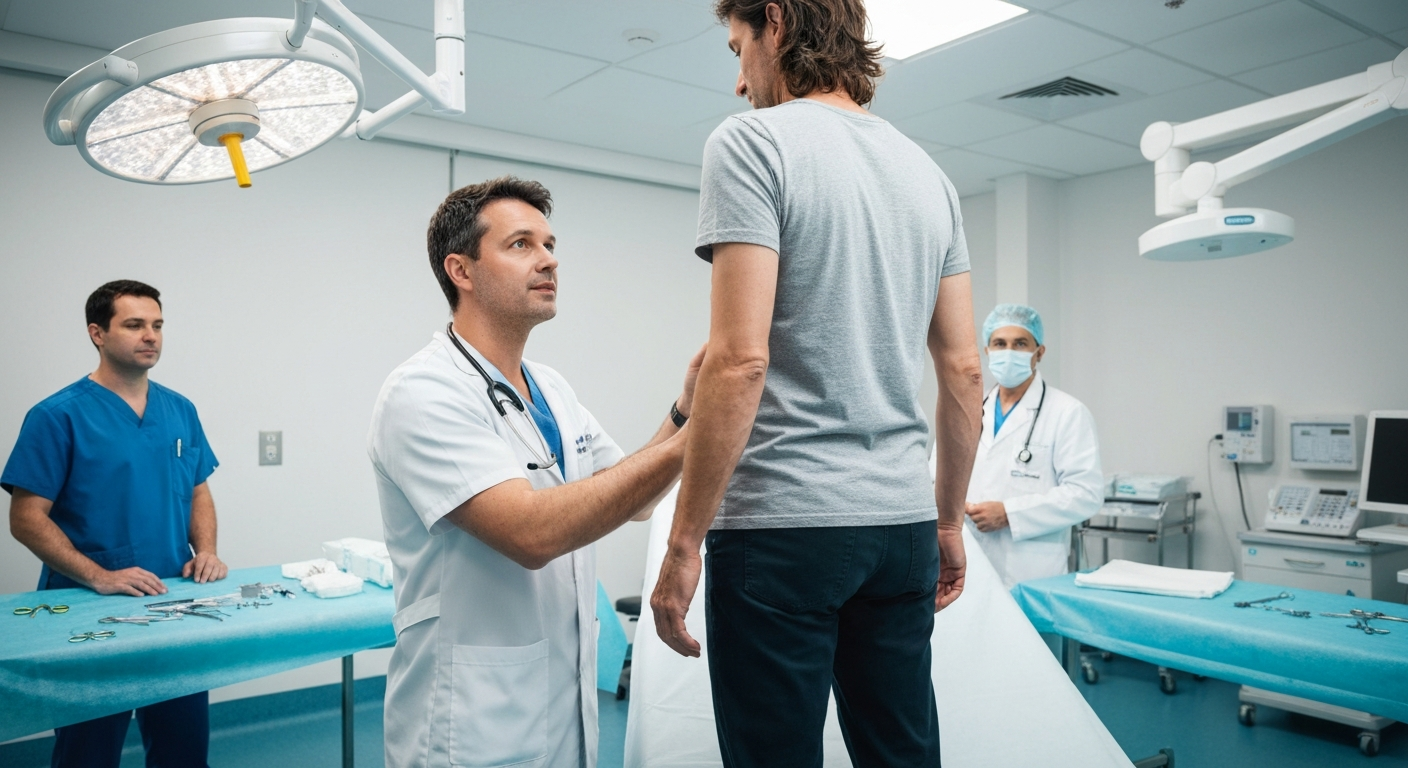
The relationship between hip pain from scoliosis is more common than many patients realize. When your spine curves abnormally, it creates a cascade of changes that force your hips, pelvis, and surrounding muscles to work overtime maintaining balance and stability. creating discomfort that ranges from mild achiness to significant pain interfering with daily activities.
The encouraging news? Scoliosis-related hip pain is often treatable with proper care and expert guidance. For patients throughout the Greater Dallas area, access to board-certified spine specialists means comprehensive evaluation and personalized treatment plans designed around your unique needs. Early intervention frequently leads to better outcomes, helping you return to the activities you enjoy without constant hip discomfort.
Understanding your condition is the first step toward effective treatment. At Legent Spine, we believe informed patients make better decisions about their care. That’s why we’re committed to providing clear, honest information about the connection between spinal curvature and hip pain—and the treatment options that can help.
How Scoliosis Causes Hip Pain
To understand why scoliosis creates hip pain, think of your spine, pelvis, and hips as an interconnected system where problems in one area inevitably affect the others. Your spine normally maintains relatively straight alignment when viewed from behind, distributing your body weight evenly through the pelvis and into both hips. When scoliosis develops, this balanced distribution disappears.
The curved spine creates uneven weight distribution—one hip may bear significantly more load than the other, while the muscles surrounding both hips work constantly to maintain your center of gravity and prevent you from tilting.
This compensatory muscle activity isn’t something you consciously control. Your body automatically adjusts moment by moment throughout the day, tightening certain muscle groups while overworking others. Over time, this constant compensation leads to muscle fatigue, inflammation, and eventually pain. The hip flexors, gluteal muscles, and lateral hip stabilizers are particularly vulnerable to this overuse pattern.
Many patients with scoliosis also develop sacroiliac joint dysfunction, which contributes significantly to hip region pain. When your spine curves abnormally, it changes the angle and force distribution through this critical joint, leading to inflammation, instability, and pain that may radiate into the hip, buttock, or lower back.
The pain pattern can vary considerably from person to person. Some patients experience gradual onset of achiness that worsens throughout the day as muscles fatigue. Others notice sudden sharp pain with specific movements like standing from a seated position, climbing stairs, or getting in and out of a car. Understanding does scoliosis cause hip pain in your specific case requires careful evaluation by a spine specialist who can assess your unique situation.
Diagnosing the Source of Your Hip Pain
Determining whether your hip pain stems from scoliosis or another condition requires comprehensive evaluation by a board-certified spine specialist. While the connection between spinal curvature and hip discomfort is common, hip pain can also arise from arthritis, bursitis, labral tears, or referred pain from other spinal conditions. Accurate diagnosis is essential for effective treatment.
Your evaluation typically begins with a thorough physical examination. Your spine specialist will assess your posture, observe how you move, and perform specific tests to identify areas of tenderness, muscle imbalance, and restricted range of motion. They’ll examine both your spine and hips, looking for patterns that suggest compensatory stress from spinal curvature.
Imaging studies provide crucial objective information about your spine and surrounding structures. X-rays remain the gold standard for evaluating scoliosis, revealing the severity and pattern of your spinal curve. giving your doctor precise information about the degree of curvature and how it may be affecting your overall alignment.
In many cases, particularly when pain is significant or nerve involvement is suspected,. MRI provides detailed visualization of muscles, ligaments, intervertebral discs, and nerve structures that X-rays cannot show. This comprehensive view helps your spine specialist understand exactly which anatomical structures are contributing to your symptoms.
Specialized testing may include diagnostic injections, which serve both therapeutic and diagnostic purposes. When medication is injected into a specific joint or structure, the degree of pain relief provides valuable information about whether that structure is a primary pain generator. For patients throughout Dallas and surrounding communities, access to advanced diagnostic capabilities means more precise identification of pain sources and more targeted treatment planning.
Conservative Treatment Options
For most patients experiencing hip pain related to scoliosis, conservative treatment approaches offer significant relief without surgical intervention. A comprehensive conservative care plan addresses both the underlying biomechanical issues created by spinal curvature and the secondary symptoms affecting your hips and surrounding muscles.
Physical therapy forms the cornerstone of conservative treatment for scoliosis-related hip pain. A skilled physical therapist will design exercises specifically targeting the muscle imbalances created by your spinal curvature, strengthening weak areas while improving flexibility in tight, overworked muscles.
Core strengthening deserves special emphasis because these deep stabilizing muscles play a crucial role in supporting your spine and reducing the compensatory stress placed on your hips. Strong core muscles help maintain better spinal alignment during daily activities, reducing the excessive work demanded from hip muscles. Many patients find that consistent core strengthening provides long-term benefits that extend well beyond initial pain relief.
Anti-inflammatory medications can manage acute pain episodes effectively when used appropriately. While medications don’t address the underlying biomechanical cause of your pain, they can reduce inflammation enough to allow you to participate more comfortably in physical therapy and maintain your daily activities during the treatment process.
Posture correction and ergonomic adjustments reduce compensatory strain throughout your workday and home activities. Simple modifications to your workspace, sleeping position, and movement habits can significantly decrease the stress placed on your hips and spine. Your spine specialist or physical therapist can provide specific recommendations based on your daily routine and the particular characteristics of your spinal curve.
Most patients with scoliosis-related hip pain experience meaningful improvement with consistent conservative care. The timeline varies depending on the severity of your symptoms and how long the problem has been developing, but many patients notice reduced pain within several weeks of starting a comprehensive treatment program. For those exploring does scoliosis cause hip pain treatment options, patience with conservative approaches often pays dividends in lasting relief.
When Minimally Invasive Procedures May Help
While conservative treatment successfully manages hip pain for many scoliosis patients, some individuals continue experiencing significant symptoms despite several weeks of dedicated non-surgical care. When conservative approaches haven’t provided adequate relief after a reasonable trial period—typically six to twelve weeks—minimally invasive procedures may offer the next appropriate treatment step.
Sacroiliac joint injections represent one of the most common minimally invasive interventions for scoliosis-related hip pain originating from the sacroiliac joint. These injections can provide significant relief, sometimes lasting several months, while you continue strengthening exercises and other conservative measures.
The term “minimally invasive” refers to techniques that accomplish treatment goals through smaller incisions, with less disruption to surrounding muscles and tissues than traditional open surgical approaches. For patients balancing treatment needs with work and family responsibilities, these advantages can make a meaningful difference in their recovery experience.
Board-certified spine surgeons carefully evaluate each patient’s candidacy for minimally invasive procedures. Not every patient requires procedural intervention, and determining the appropriate treatment escalation requires expertise in both spinal biomechanics and the specific characteristics of scoliosis-related pain patterns. Your spine specialist will consider factors including the severity of your symptoms, your response to conservative care, imaging findings, and your overall health status.
Patient education is essential when considering any procedural treatment. At Legent Spine, we believe you should understand exactly what a procedure involves, what outcomes you can reasonably expect, and what the recovery process will require. Transparent communication about both the benefits and limitations of any intervention helps you make informed decisions aligned with your personal goals and values. Understanding does scoliosis cause hip pain treatment progression helps patients feel more confident about their care decisions.
Treatment at Legent Spine: Your Dallas-Area Partner
Choosing the right spine care partner matters when you’re dealing with the complex relationship between scoliosis and hip pain. At Legent Spine, our board-certified, fellowship-trained spine surgeons bring specialized expertise to every patient evaluation, combining advanced training with a commitment to personalized, patient-centered care throughout the Greater Dallas area.
Our comprehensive approach begins with thorough evaluation using advanced diagnostic tools and continues through every phase of your treatment journey. Whether your path involves conservative care, minimally invasive procedures, or ongoing management, we’re committed to supporting your progress with clear communication and expert guidance. Our dedication to minimally invasive techniques means we prioritize approaches that help you return to your normal activities as quickly and safely as possible.
Each patient at Legent Spine works with dedicated care coordinators who serve as your consistent point of contact throughout your treatment. These experienced professionals help schedule appointments, answer questions, coordinate with other healthcare providers, and ensure you always know what to expect at each step. This personal support makes navigating spine care less overwhelming and more manageable.
We believe in transparent communication about all treatment options, including the full range of conservative approaches before considering any procedural interventions. Our goal isn’t to rush you toward surgery or procedures—it’s to help you achieve meaningful pain relief and improved function through the most appropriate treatment for your specific situation. For patients researching does scoliosis cause hip pain solutions, we provide honest, evidence-based information to guide your decisions.
Conclusion: Taking the Next Step
Scoliosis-related hip pain is a common condition that affects many patients with spinal curvature, but understanding the connection between these problems is the first step toward effective relief. The biomechanical stress created by abnormal spinal alignment places significant demands on your hips, pelvis, and surrounding muscles, leading to compensatory pain that can significantly impact your quality of life.
The encouraging reality is that this pain is treatable. Conservative care—including targeted physical therapy, core strengthening, posture correction, and appropriate anti-inflammatory management—works effectively for many patients. When conservative approaches don’t provide adequate relief, minimally invasive procedures offer additional options backed by experienced spine specialists who understand the unique challenges of scoliosis-related hip pain.
Early intervention consistently leads to better outcomes. The longer compensatory muscle patterns persist, the more ingrained they become, making treatment more challenging. If you’re experiencing hip pain and have been diagnosed with scoliosis, seeking evaluation from a board-certified spine specialist can help you understand your specific situation and access personalized treatment designed around your needs.
Dallas-area patients have access to expert spine care resources close to home. You don’t need to travel to major metropolitan centers or wait months for appointments to receive comprehensive evaluation and treatment from fellowship-trained spine specialists. Expert care is available in your community, with physicians who understand both the medical complexities of spinal conditions and the practical realities of maintaining your daily responsibilities during treatment.
If you’re ready to address your hip pain and explore treatment options with a team that prioritizes your goals and concerns, Legent Spine welcomes the opportunity to serve you. Our comprehensive approach, minimally invasive techniques, and commitment to transparent communication create a treatment experience focused on your long-term success. Contact our office to schedule a consultation and take the first step toward understanding and addressing your scoliosis-related hip pain with expert, compassionate care.