
Understanding Scoliosis-Related Hip Pain
If you’re experiencing hip discomfort alongside spinal issues, you’re not alone. Many patients dealing with hip pain from scoliosis find themselves searching for answers about why these two areas connect. and this misalignment creates problems that extend well beyond the spine itself.
Understanding the relationship between your spinal curvature and hip pain is the first step toward finding relief. While some patients wonder does scoliosis cause hip pain, the connection is well-established in spine care. The good news? Treatment options exist—from conservative approaches like physical therapy to advanced surgical interventions when needed.
At Legent Spine, our board-certified spine specialists understand how debilitating scoliosis-related hip pain can be. We’ve helped countless patients in the Greater Dallas area identify the root cause of their discomfort and develop personalized treatment plans that restore mobility and improve quality of life. Early evaluation matters because addressing these issues promptly can prevent progression and help you avoid more invasive interventions down the road. For more information, see our page on does scoliosis cause hip pain 4.
If you’re experiencing persistent hip pain alongside spinal curvature, a comprehensive evaluation from an experienced spine specialist can help you understand your options and find a path toward relief.
How Scoliosis Causes Hip Pain
The connection between spinal curvature and hip discomfort isn’t always obvious, but understanding the biomechanics helps explain why so many scoliosis patients experience hip symptoms. Your spine and pelvis work together as an integrated system. When your spine curves abnormally, it disrupts the delicate balance that keeps your body aligned and functioning properly.
Think of it like a building with a tilted foundation—the entire structure must compensate for that initial misalignment. When your spine curves to one side, your pelvis tilts to accommodate, creating uneven pressure distribution across your hips. One hip may bear significantly more weight than the other, leading to accelerated wear and tear, inflammation, and pain.
Muscle imbalances represent another major contributor to hip discomfort in scoliosis patients. As your body tries to maintain balance despite spinal curvature, certain muscle groups become overworked while others weaken. The muscles around your hips, lower back, and pelvis work overtime to compensate for the abnormal spinal alignment. This constant tension creates trigger points, muscle fatigue, and persistent aching that radiates into the hip region.
This makes sense when you consider proximity—curves in the lower spine directly affect the pelvis and hip joints more than curves higher up. The location of your curve matters significantly when predicting which symptoms you’re most likely to experience.
Nerve compression adds another dimension to scoliosis-related hip pain. As the spine curves, vertebrae may shift in ways that narrow the spaces where nerves exit the spinal column. When nerves that serve the hip, groin, or leg become compressed or irritated, you may experience radiating pain, tingling, numbness, or weakness in these areas. For more information, see our page on does scoliosis cause hip pain 3.
This joint is particularly vulnerable in scoliosis patients because it must absorb the stress of pelvic misalignment. Sacroiliac joint dysfunction can cause deep, aching pain in the lower back, buttocks, and hips that may worsen with prolonged standing or walking. For more information, see our page on does scoliosis cause hip pain 5.
Over time, these biomechanical stresses can accelerate degenerative changes in the hip joints themselves. When cartilage breaks down prematurely due to uneven loading, it can lead to osteoarthritis and chronic pain that persists even when you’re at rest.
Conservative Treatment Options for Scoliosis Hip Pain
For many patients experiencing hip pain related to scoliosis, conservative treatment approaches provide significant relief without the need for surgery. These non-invasive options focus on addressing muscle imbalances, reducing inflammation, and improving your body’s ability to compensate for spinal curvature.
A skilled physical therapist can design a customized exercise program that targets your specific curve pattern and symptoms. These exercises work to strengthen the muscles that support your spine and pelvis, improve flexibility in tight areas, and teach your body more efficient movement patterns that reduce stress on your hips.
Core strengthening deserves special emphasis because these muscles act as your body’s natural corset, providing stability to your spine and reducing the compensatory load on your hips. Many patients notice significant improvement in hip pain after several weeks of consistent physical therapy that focuses on core activation and stability training.
Anti-inflammatory medications can play an important role in managing acute pain episodes. While these medications don’t address the underlying cause of your pain, they can provide relief that allows you to participate more effectively in physical therapy and daily activities. It’s important to use these medications as directed by your healthcare provider, as long-term use carries potential risks.
Heat and ice therapy offer simple yet effective ways to manage symptoms at home. Ice can reduce acute inflammation and numb sharp pain, while heat helps relax tense muscles and improve blood flow to affected areas. Many patients find alternating between heat and ice provides the best relief.
Ergonomic modifications to your daily routine can make a significant difference in managing hip pain. This might include:
- Adjusting your workstation to promote better posture and reduce asymmetrical loading
- Using supportive pillows while sleeping to maintain spinal alignment
- Choosing shoes with proper arch support to improve your body’s foundation
- Taking frequent breaks from prolonged sitting or standing
- Modifying exercise routines to avoid aggravating movements
Weight management represents another important component of conservative care. may Excess body weight increases the stress on your spine, pelvis, and hip joints, potentially worsening pain and accelerating degenerative changes. Even modest weight loss can provide meaningful symptom relief for some patients.
For Dallas-area patients juggling busy work schedules and family commitments, integrating these conservative approaches into daily life may seem challenging. However, consistency with these treatments often yields significant improvements that make the effort worthwhile.
When to Consider Surgical Intervention
While conservative treatment helps many scoliosis patients manage hip pain effectively, some situations warrant consideration of surgical intervention. Understanding when surgery becomes appropriate can help you make informed decisions about your care.
If you’ve diligently followed a physical therapy program, tried medications, made lifestyle modifications, and still experience debilitating pain, it may be time to discuss surgical options with a board-certified spine specialist.
Progressive neurological symptoms represent a more urgent indication for surgical evaluation. If you’re experiencing increasing weakness, numbness, or tingling in your legs, or if you develop problems with bowel or bladder control, these signs suggest nerve compression that may require prompt intervention to prevent permanent damage.
Significant functional limitations also signal that surgery might be beneficial. When hip pain prevents you from working, caring for your family, or participating in activities that bring you joy, and conservative treatments haven’t restored your quality of life, surgical correction of the underlying spinal problem may offer the best path forward.
Imaging studies showing worsening spinal curvature, nerve compression, or spinal instability provide objective evidence that conservative approaches may not be sufficient. Your spine specialist will carefully review X-rays, MRI scans, or CT images to determine whether structural problems require surgical correction.
These advanced approaches often result in less postoperative pain, shorter hospital stays, and faster recovery times compared to traditional open procedures. For appropriate candidates, minimally invasive techniques represent a significant advancement in spine surgery.
By correcting the spinal curve and stabilizing affected segments, fusion surgery can restore more balanced weight distribution across the pelvis and hips, potentially providing lasting relief from pain that originated with spinal misalignment.
The decision to pursue surgery is highly individual and depends on factors including your age, overall health, curve severity, symptom intensity, and personal goals. A thorough discussion with an experienced spine surgeon helps ensure you understand the potential benefits and risks of any recommended procedure.
Comprehensive Evaluation: The First Step in Dallas
Before any treatment can begin, you need an accurate diagnosis that identifies the specific cause of your hip pain. This thorough assessment helps distinguish between pain caused directly by spinal curvature versus other potential sources of hip discomfort.
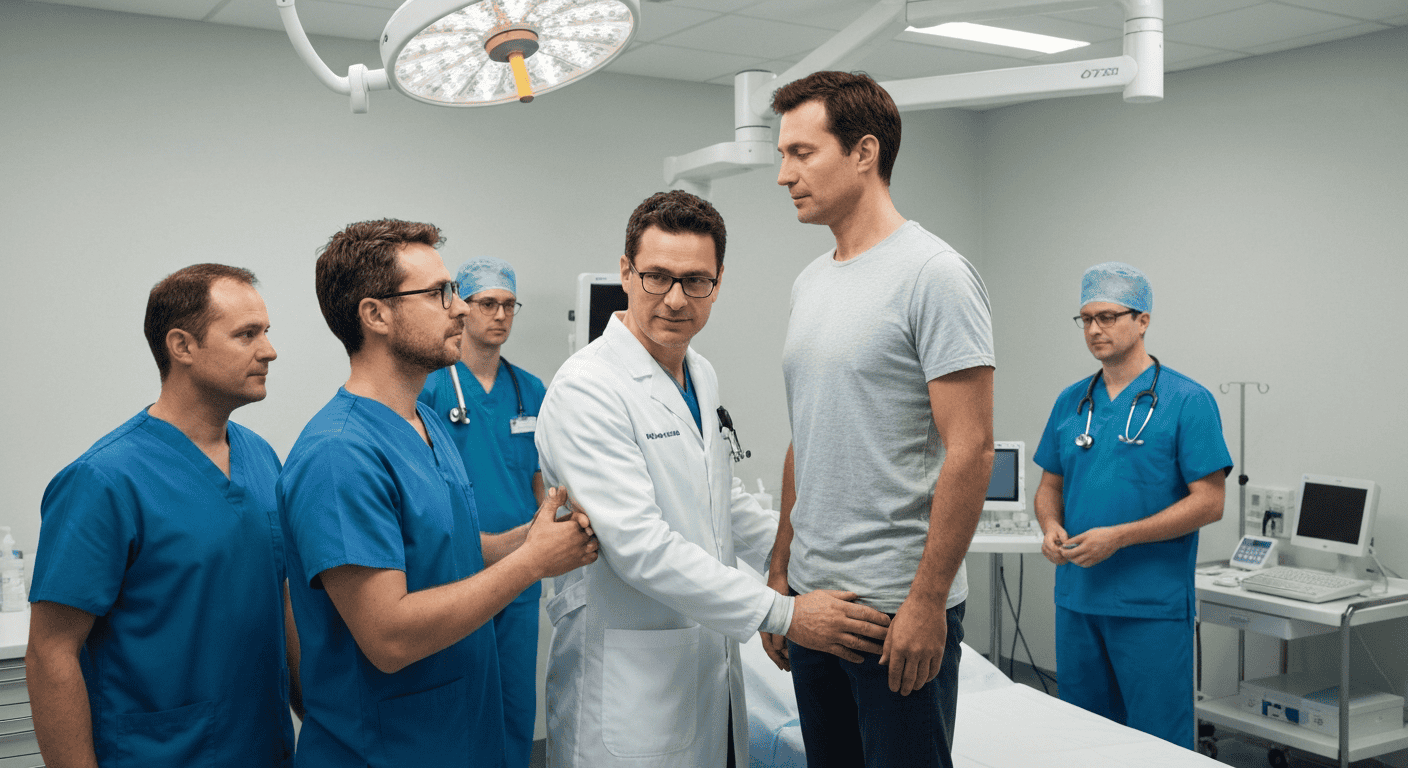
During your physical examination, your spine specialist will assess your posture, gait, spinal flexibility, and muscle strength. They’ll palpate areas of tenderness and perform specific tests to identify nerve compression, sacroiliac joint dysfunction, or hip joint problems. This hands-on evaluation provides information that imaging studies alone cannot reveal.
Advanced imaging gives your doctor a detailed view of your spinal anatomy, allowing them to measure curve angles, identify areas of nerve compression, and assess the health of your intervertebral discs and joints. This objective data guides treatment recommendations and helps predict which interventions are most likely to provide relief.
Fellowship-trained spine specialists bring years of focused experience to the evaluation process, enabling them to recognize subtle patterns and connections that less specialized providers might miss.
At Legent Spine, our comprehensive approach means we take time to understand not just your symptoms, but how they impact your daily life. We consider your work demands, activity goals, and personal preferences when developing treatment recommendations. This personalized approach acknowledges that every patient’s situation is unique and that the right treatment is the one that aligns with your individual needs and values.
Dallas-area patients benefit from accessible, expert spine care without needing to travel out of state for specialized evaluation. Our dedicated care coordinators ensure smooth communication throughout your treatment journey, answering questions and coordinating appointments so you can focus on recovery.
Taking the Next Step Toward Relief
Living with hip pain related to scoliosis doesn’t have to be your new normal. As we’ve explored throughout this article, the connection between spinal curvature and hip discomfort is well-established, and effective treatment pathways exist to address this challenging condition.
Conservative treatment options—including physical therapy, anti-inflammatory medications, and lifestyle modifications—provide significant relief for many patients. These non-invasive approaches address muscle imbalances, reduce inflammation, and help your body function more efficiently despite spinal curvature. Consistency with these treatments often yields meaningful improvements in pain and function.
When conservative care proves insufficient, surgical solutions can correct underlying spinal problems and restore more balanced biomechanics. Minimally invasive techniques and advanced fusion procedures offer hope for patients who haven’t found relief through conservative measures. The key is identifying the right approach for your specific situation.
Expert evaluation represents the critical first step in this journey. Without accurate diagnosis and understanding of what’s causing your hip pain, you cannot develop an effective treatment plan. Board-certified spine specialists bring the expertise needed to distinguish between different pain sources and recommend targeted interventions.
At Legent Spine, we’re committed to providing honest, transparent care that puts your needs first. Our fellowship-trained spine surgeons have helped countless patients in the Greater Dallas area find relief from scoliosis-related hip pain through personalized treatment plans that range from conservative care to advanced surgical interventions when necessary.
If you’re tired of living with hip pain and wondering whether your scoliosis might be the cause, we encourage you to schedule a comprehensive evaluation. Our team will take time to understand your symptoms, perform thorough diagnostic testing, and explain your treatment options in clear, understandable terms. With dedicated care coordinators supporting you throughout your treatment journey, you’ll never feel like just another patient in a busy practice.
Contact Legent Spine today to schedule your evaluation and discover how expert spine care can help you move more comfortably and live more fully.