
Why Spinal Stenosis Causes Weak Legs: What Dallas Patients Need to Know
If you’ve noticed increasing weakness in your legs, especially when walking or standing for extended periods, you may be experiencing a common symptom of spinal stenosis. This condition occurs when the spaces within your spine narrow and compress nerves, directly affecting nerve function in the legs and significantly impacting your daily activities.
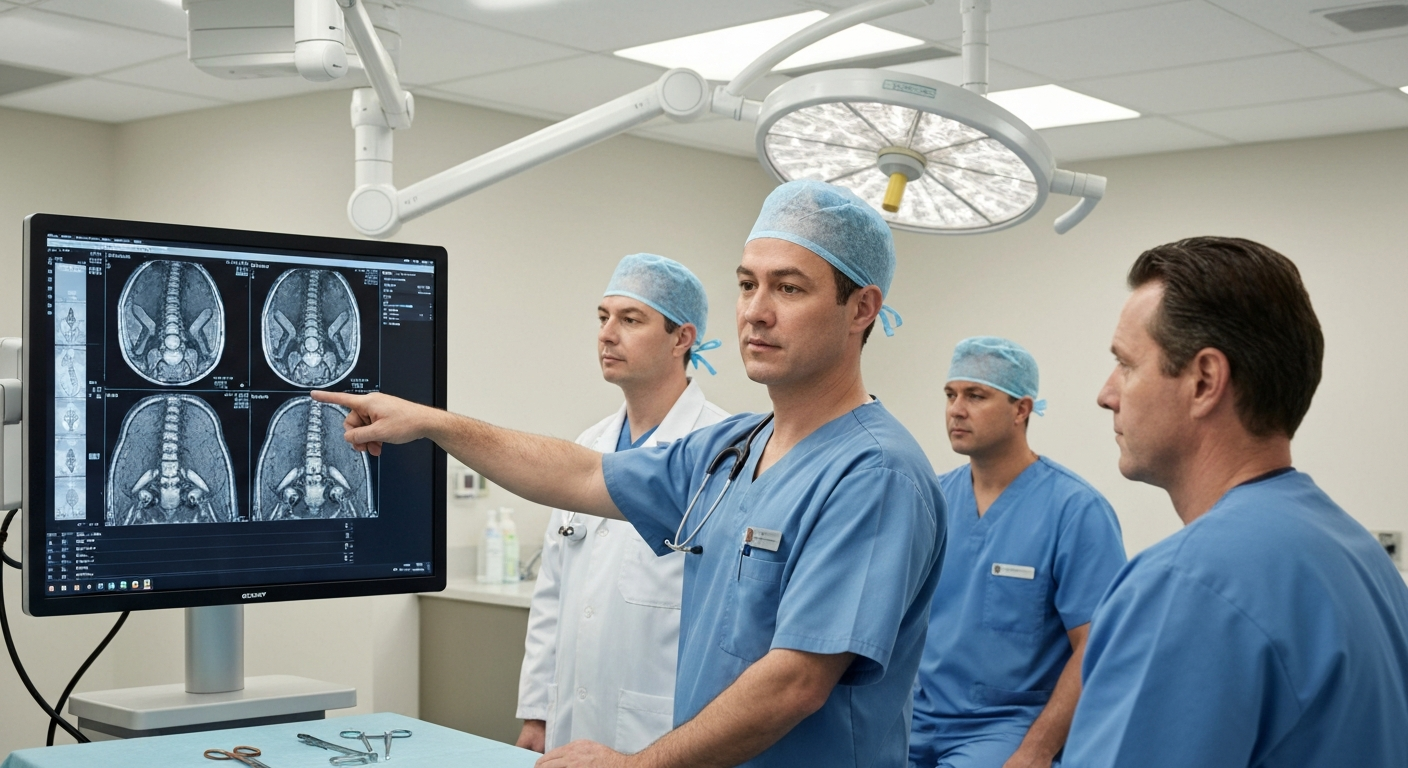
For patients in the Dallas area dealing with progressive leg weakness, understanding the connection between spinal stenosis and lower extremity symptoms is essential. Leg weakness is a serious symptom that requires professional evaluation from a board-certified spine specialist who can diagnose and treat the underlying cause.
The good news? Early intervention often prevents progression and helps you maintain your mobility and independence. Whether you’re experiencing difficulty climbing stairs, balance problems, or a heavy, tired feeling in your legs, this comprehensive guide explores the mechanisms behind spinal stenosis and leg weakness, helping you recognize symptoms and understand your treatment options.
Understanding Spinal Stenosis: The Narrowing That Affects Your Legs
This abnormal narrowing can develop in different regions of the spine, but when discussing leg weakness, we’re typically focusing on the lumbar spine—your lower back. The spinal canal is the protective tunnel that houses your spinal cord and nerve roots, and when this space becomes constricted, the delicate nerve structures inside face increasing pressure.
Spinal stenosis can also occur in the cervical spine (neck), though. This condition doesn’t happen overnight. Instead, including the formation of bone spurs, thickening of ligaments, bulging or herniated discs, and general wear and tear on spinal structures.
The aging process naturally contributes to these changes, which is why spinal stenosis becomes more prevalent as we get older. However, some Dallas patients develop stenosis earlier due to genetics, previous injuries, or congenital narrowing of the spinal canal.
Regardless of the cause, the result is the same: pressure on the nerves that travel through the lower spine leads to symptoms in the legs and feet. These symptoms can range from mild discomfort to significant weakness affecting your ability to walk and maintain balance.
How Spinal Stenosis Causes Leg Weakness: The Nerve Connection
The relationship between spinal stenosis and leg weakness involves both direct nerve compression and secondary effects on nerve health. When the spinal canal narrows,.
Think of your nerves as electrical wiring that carries messages from your brain to your muscles. When these “wires” are pinched or squeezed, the signals don’t travel properly, and your muscles don’t receive the instructions they need to contract with normal strength.
But nerve compression isn’t the only culprit. Your nerves require a constant supply of oxygen and nutrients delivered through tiny blood vessels. When the spinal canal narrows, it can compromise these blood vessels, creating a situation where nerves essentially become starved of the resources they need to work correctly.
This combination of mechanical compression and vascular compromise explains why many Dallas patients with spinal stenosis and leg weakness notice their symptoms worsen with prolonged walking or standing. As you move and your body demands more from your leg muscles, the compressed nerves simply cannot keep up with the increased workload.
Without intervention, as muscles that don’t receive proper nerve signals begin to shrink and lose strength over time.
Nerve Compression and Motor Function
To truly understand how stenosis causes weakness, it helps to know what nerves do under normal conditions. These nerves must be free to transmit electrical signals without interference.
When spinal stenosis develops, compression interrupts these signals, resulting in an inability to activate leg muscles properly. Initially, the weakness may be subtle—you might notice fatigue in your legs more quickly than usual or find certain activities slightly more challenging.
However, as stenosis progresses and nerve compression worsens, the weakness becomes more pronounced. This can significantly affect your daily function, from walking your dog in one of Dallas’s many parks to shopping at local grocery stores.
Blood Flow Issues and Nerve Health
The vascular component of spinal stenosis deserves special attention because it helps explain the characteristic pattern of symptoms many patients experience. Nerve roots require a consistent blood supply to maintain proper function and produce the energy needed for muscle contraction.
When stenosis compromises blood vessels near the nerves, it creates a condition sometimes called neurogenic claudication. This phenomenon causes leg weakness that worsens during physical activity and improves with rest, particularly when you sit down or bend forward.
This is why many Dallas patients with stenosis find they can walk only short distances before needing to sit or lean forward—positions that slightly open the spinal canal and relieve pressure on both nerves and blood vessels.
Recognizing Leg Weakness from Spinal Stenosis: Key Symptoms
Identifying whether your leg weakness stems from spinal stenosis requires understanding the distinctive pattern of symptoms this condition produces. Unlike simple muscle soreness from overexertion, stenosis-related weakness often accompanies other neurological symptoms and follows predictable patterns.
The weakness may affect one leg or both, depending on whether nerve compression is occurring on one or both sides of the spinal canal. Many patients notice their walking distance becomes progressively limited—what spine specialists call “limited walking tolerance”—requiring frequent rest breaks during activities that previously caused no difficulty.
What Leg Weakness Feels Like
Patients describe stenosis-related leg weakness in various ways, but common themes emerge. Most people report a heavy, tired feeling in their legs, as though they’re walking through water or carrying extra weight.
Difficulty climbing stairs or rising from chairs becomes increasingly common, activities that many Dallas residents encounter daily in multi-story homes or office buildings. Some patients notice their feet dragging or feeling unstable, increasing their risk of trips and falls.
Loss of fine motor control in the feet can make it challenging to operate foot pedals while driving or maintain balance on uneven surfaces. Interestingly, symptoms often improve when sitting or bending forward, which is why many patients unconsciously lean on shopping carts or adopt a stooped posture when walking.
Other Symptoms Often Present With Weakness
Leg weakness from spinal stenosis rarely occurs in isolation. Numbness and tingling frequently accompany the weakness, creating sensations that patients describe as “pins and needles” or areas of reduced feeling.
Pain, aching, or burning sensations in the legs, buttocks, or lower back often coexist with weakness, though the relationship between pain and weakness varies among individuals. Cramping in the legs or feet can develop, particularly during or after walking.
Balance problems or loss of coordination may emerge as the stenosis affects proprioception—your body’s sense of where your legs are in space. The characteristic feature of these symptoms is that they’re often worse with activity and better with rest or forward flexion, creating a distinctive pattern that helps spine specialists diagnose spinal stenosis and leg weakness.
When to Seek Evaluation from a Spine Specialist
Understanding when leg weakness requires professional evaluation is crucial for preventing permanent nerve damage and maintaining quality of life. Progressive weakness—weakness that’s getting worse over weeks or months—requires urgent evaluation from a board-certified spine specialist.
Weakness affecting your balance or walking stability is particularly serious, as it increases fall risk and suggests significant nerve compromise. Bilateral symptoms affecting both legs often suggest more extensive stenosis and warrant prompt attention.
Two scenarios demand immediate medical attention. This rare but serious condition requires emergency surgery to prevent permanent paralysis.
Additionally, it’s important to understand that. Early intervention by fellowship-trained spine specialists not only provides symptom relief but can prevent permanent nerve damage that might otherwise affect you for life.
Dallas-area patients experiencing progressive leg weakness should seek comprehensive evaluation sooner rather than later. Board-certified spine specialists can diagnose and treat these conditions efficiently, using advanced imaging and clinical assessment to determine the severity of stenosis and develop personalized treatment plans.
Diagnosis and Treatment Options for Stenosis-Related Weakness
When you seek evaluation for suspected spinal stenosis, your spine specialist will conduct a thorough assessment combining clinical examination with advanced imaging.
This detailed view allows your physician to see exactly where narrowing occurs, how severe the compression is, and which nerves are affected—information that’s essential for developing an effective treatment strategy. Physical examination assesses nerve function through strength testing, reflex evaluation, and sensory assessment.
Your spine specialist will observe how you walk, test specific muscle groups in your legs, and evaluate your range of motion. This combination of imaging and clinical findings creates a complete picture of your condition, allowing for accurate diagnosis and appropriate treatment recommendations.
Treatment for stenosis-related weakness ranges from conservative management to surgical intervention, depending on symptom severity, degree of nerve compression, and how the condition affects your daily life. At Legent Spine, we develop personalized treatment plans that address individual needs, starting with the least invasive approaches when appropriate and escalating to surgical solutions when conservative care proves insufficient.
Conservative Treatment Approaches
Physical therapy focuses on strengthening the core and supporting muscles that help stabilize your spine, potentially reducing pressure on compressed nerves. Specific exercises that promote spinal flexion can also help open the spinal canal slightly.
Medications, including anti-inflammatory drugs and pain relievers, reduce inflammation around compressed nerves and help manage discomfort. Epidural steroid injections provide targeted relief by delivering anti-inflammatory medication directly to the affected area, which can be particularly effective for some patients.
Activity modification often plays a key role in conservative management. Your spine specialist might recommend adjustments to your exercise routine, workplace ergonomics, or daily activities that exacerbate symptoms. Success rates with conservative treatment vary by individual and the severity of stenosis, with some Dallas patients achieving significant relief while others require more advanced interventions.
Surgical Solutions for Progressive Weakness
When conservative treatments fail to provide adequate relief or when neurological symptoms progress despite non-surgical management, surgery becomes the appropriate next step. The goal of surgical intervention is relieving pressure on compressed nerves, thereby restoring their ability to function normally and preventing further deterioration.
These advanced techniques, available to Dallas patients at Legent Spine, typically result in less tissue trauma, reduced blood loss, and faster recovery compared to traditional open procedures.
Several surgical options exist for treating spinal stenosis, including laminectomy, laminotomy, and foraminotomy. In some cases, spinal fusion may be necessary if stenosis occurs alongside instability. Board-certified spine surgeons evaluate your specific anatomy and condition to recommend the most appropriate procedure for your situation, ensuring optimal outcomes while minimizing surgical risk.
Recovery timelines vary based on the specific procedure performed and individual factors, but many patients undergoing minimally invasive decompression notice improvement in leg weakness within weeks as nerve pressure is relieved and normal function begins returning. Dedicated care coordinators guide you through every step of the process, from pre-surgical preparation through post-operative recovery and rehabilitation.
Your Next Steps: Moving Forward with Confidence
If you’re experiencing progressive leg weakness, numbness, or difficulty walking, don’t ignore these warning signs. Spinal stenosis is a treatable condition, but outcomes are best when diagnosis and treatment occur before permanent nerve damage develops.
Early evaluation by a fellowship-trained spine specialist helps prevent complications and opens the door to effective treatment options tailored to your specific needs. Treatment options exist for every severity level, from conservative approaches for mild stenosis to minimally invasive surgical solutions for more advanced cases.
Specialized spine care delivers the best outcomes because these complex conditions require the expertise that comes from focused training and extensive experience treating spinal disorders. Understanding spinal stenosis and leg weakness is the first step toward reclaiming your mobility and quality of life.
Dallas-area patients have access to world-class spine specialists at Legent Spine, where board-certified surgeons combine advanced techniques with compassionate, patient-centered care. Our team provides comprehensive evaluation using state-of-the-art imaging, honest discussions about all available treatment options, and transparent guidance throughout your care journey.
Whether you require conservative management or advanced surgical intervention for spinal stenosis and leg weakness, our dedicated care coordinators ensure you receive personalized attention every step of the way.
Don’t let leg weakness from spinal stenosis limit your life. Contact Legent Spine today to schedule a comprehensive evaluation with one of our fellowship-trained spine specialists. With multiple locations serving the Greater Dallas area, expert spine care is closer than you think.